Venezuela is grappling with one of the deadliest natural disasters in its modern history after two powerful earthquakes struck just one minute apart, killing at least 235 people and injuring more than 4,300 others. As rescue teams continue searching through collapsed buildings in Caracas and La Guaira, authorities fear the death toll will rise, with many people still missing and thousands forced to sleep outdoors amid ongoing aftershocks and widespread devastation.
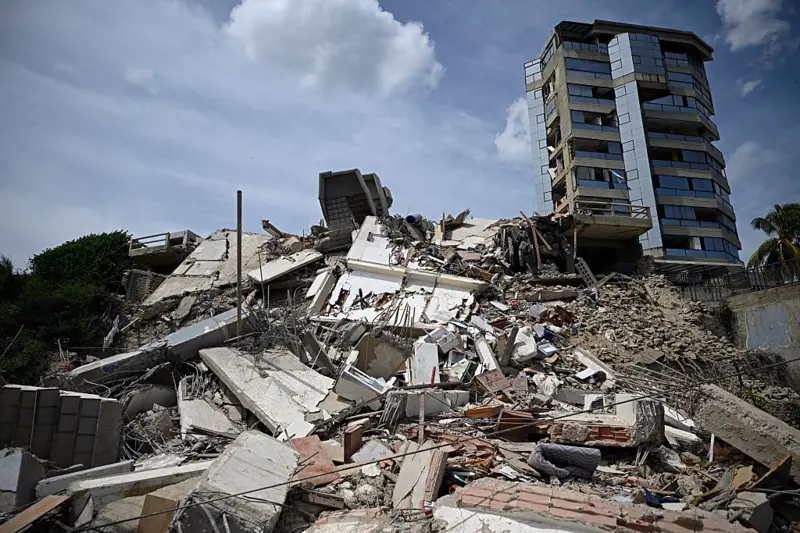
CARACAS, Venezuela — The death toll from two powerful earthquakes that struck Venezuela on Wednesday has climbed to at least 235, while more than 4,300 people have been injured, authorities confirmed as rescue teams race against time to locate survivors trapped beneath collapsed buildings.
Emergency crews worked through a second consecutive night in the capital, Caracas, and the neighboring coastal state of La Guaira, where widespread destruction has left entire communities in ruins. Rescuers reported hearing cries for help from beneath piles of concrete and twisted steel, fueling hopes that more survivors may still be found despite the mounting death toll.
Officials warned that the number of fatalities is expected to rise as search-and-rescue operations continue across the hardest-hit areas. Many residents remain unaccounted for, while thousands have been displaced after homes, apartment buildings, and businesses either collapsed or were deemed unsafe.
READ MORE ARTICLES:
- Venezuela Earthquake Kills 164, Thousands Affected
- Earthquakes in Venezuela knock Internet down to 59% Capacity, Recovery Underway
- 3 Patay, 5 Sugatan sa Pamamaril sa San Jose National High School sa Tacloban City
- From First Lady at 19 to Presidential Hopeful: Keiko Fujimori’s Fourth Bid for Peru
- Thai Princess Bajrakitiyabha Dies at Age 47 After More Than Three Years in Coma
- Anti-Bullying Act of 2013 (Republic Act No. 10627): Is It Truly Effective or Just Policy on Paper?
The disaster has forced countless families to spend the night outdoors, fearing that damaged structures could give way if powerful aftershocks continue. Streets, public parks, and open spaces across Caracas have become temporary shelters as emergency responders assess the structural integrity of buildings.
The twin earthquakes struck just one minute apart, registering magnitudes of 7.2 and 7.5, respectively. Seismologists said the second quake was the strongest recorded in Venezuela since 1900, intensifying the devastation caused by the initial tremor and triggering widespread panic across much of the country.
The violent shaking toppled buildings, damaged roads and bridges, disrupted electricity and communications, and overwhelmed hospitals already struggling to treat thousands of injured victims. Emergency medical teams have established temporary treatment centers as authorities work to deliver food, water, medicine, and other essential supplies to affected communities.
Government agencies, military personnel, firefighters, police units, and volunteer organizations remain deployed throughout the disaster zone, using heavy machinery, search dogs, and specialized equipment to locate survivors buried beneath the rubble.
Humanitarian organizations have also begun mobilizing assistance, warning that the growing number of displaced residents will require emergency shelter, clean drinking water, medical care, and psychological support in the coming days.
Authorities have urged residents to remain vigilant as aftershocks continue to shake parts of the country, advising people to avoid damaged buildings until safety inspections have been completed.
As rescue operations continue, Venezuela faces one of the deadliest natural disasters in its modern history, with hopes fading but efforts intensifying to save those who may still be trapped beneath the wreckage.
Doctor Describes ‘Complete Collapse’ of Healthcare System as Venezuela Earthquake Crisis Deepens
A physician working on the front lines of Venezuela’s devastating earthquake disaster has described the healthcare system in one of the hardest-hit regions as being in “complete collapse,” warning of critical shortages of medicine and overwhelmed hospitals struggling to treat thousands of injured survivors.
Dr. Franklin Rodriguez, who traveled from the capital, Caracas, to the coastal state of La Guaira after the powerful twin earthquakes struck, said medical teams are confronting an escalating humanitarian emergency as rescue operations continue.
Speaking about the conditions on the ground, Dr. Rodriguez said the region’s healthcare infrastructure has been pushed beyond its limits.
“The system is in complete collapse,” he said, explaining that the state’s two main hospitals have been overwhelmed by the sheer number of patients arriving for emergency treatment.
Medical workers are reportedly struggling to provide lifesaving care as the influx of injured victims continues, while many survivors remain trapped beneath collapsed buildings awaiting rescue.
According to Dr. Rodriguez, hospitals are also facing severe shortages of essential medicines, medical equipment, and other critical supplies needed to respond effectively to the disaster.
“There is a critical lack of medicine and medical supplies,” he said. “Medical facilities do not have the capacity to handle the massive volume of people, and many people are still trapped under the rubble.”
Emergency responders, including doctors, nurses, firefighters, military personnel, and volunteers, continue working around the clock across La Guaira and nearby Caracas, searching through the debris for survivors while transporting the injured to overcrowded hospitals and temporary medical centers.
The disaster has left thousands of residents homeless after homes, apartment buildings, and public infrastructure were destroyed or severely damaged by the powerful earthquakes. Many families have been forced to spend the night outdoors, fearing additional building collapses as aftershocks continue to shake the region.
Humanitarian organizations are mobilizing relief efforts, warning that the growing number of displaced residents will require urgent access to emergency shelter, clean drinking water, food, medicines, and psychological support in the coming days.
As search-and-rescue operations continue, healthcare workers remain under immense pressure, with frontline medical teams racing to save lives despite dwindling resources and an increasingly strained healthcare system.
Venezuelan Doctors Warn Existing Humanitarian Crisis Is Worsening Earthquake Response
Venezuelan doctors are warning that the country’s already fragile healthcare system is struggling to cope with the aftermath of the devastating twin earthquakes, saying the disaster has intensified an ongoing humanitarian crisis that existed long before the powerful tremors struck.
The warnings come as hospitals in the hardest-hit regions continue to receive thousands of injured survivors while rescue teams search for people trapped beneath collapsed buildings.
Earlier, Dr. Franklin Rodriguez, who traveled from Caracas to the heavily affected coastal state of La Guaira, described the regional healthcare system as being “completely overwhelmed,” citing severe shortages of medicines, medical equipment, and hospital capacity.
Another Venezuelan physician, Dr. Pedro Javier Fernandez, a member of the medical organization Medicos Unidos Venezuela, said the country’s long-standing humanitarian and economic challenges have made responding to the earthquake disaster significantly more difficult.
“The problem is not only this is a natural tragedy, but we have to realize and remember that Venezuela is already in the context of a complex humanitarian emergency,” Dr. Fernandez said.
He explained that many hospitals across the country were already operating under severe constraints before the earthquakes struck, leaving healthcare workers with limited resources to respond to a disaster of this scale.
“All our hospitals lack supplies and medicines. We are not able to provide medical attention to our people in a normal day,” he said. “Now, with this tragedy, the emergency is even bigger and much more difficult to face than in other countries.”
Healthcare professionals say the combination of damaged medical facilities, shortages of essential medicines, overcrowded emergency rooms, and thousands of earthquake-related injuries has pushed the country’s health system to its breaking point.
Medical teams continue working around the clock to treat victims suffering from fractures, crush injuries, head trauma, and other life-threatening conditions, while many patients are being cared for in temporary treatment centers due to limited hospital capacity.
Humanitarian organizations have echoed concerns about the growing demand for emergency assistance, warning that hospitals urgently need medical supplies, surgical equipment, blood products, antibiotics, and trauma care resources to meet the increasing number of patients.
The twin earthquakes, measuring 7.2 and 7.5 in magnitude and striking just one minute apart, have left widespread destruction across Caracas, La Guaira, and neighboring communities. Thousands of residents remain displaced, while emergency crews continue searching damaged buildings for survivors.
As relief efforts intensify, doctors and aid organizations are urging both national authorities and the international community to accelerate humanitarian assistance, warning that without immediate support, the country’s already strained healthcare system could face an even deeper crisis in the days ahead.