 CLE Results August 2026 Criminology

The CTBA apologized after changing the 2026 William Jones Cup format, a decision that put two-time champion Strong Group Athletics at risk of missing the semifinals despite its impressive 4-1 record.
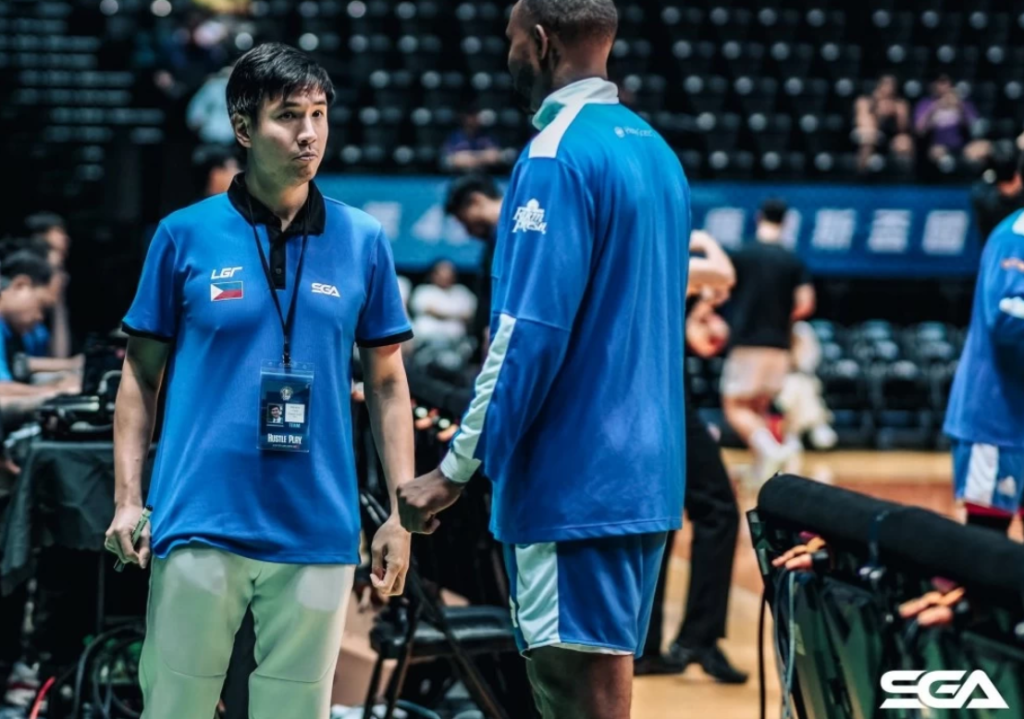
The 2026 William Jones Cup has turned into a tense and controversial battle after the Chinese Taipei Basketball Association (CTBA), the tournament organizer, admitted that a sudden change in the competition format placed Strong Group Athletics (SGA) in a difficult position in its attempt to win the prestigious tournament for the third straight time.
The CTBA publicly apologized after changing the format of the group stage while the tournament was already underway. The decision was made largely because the Chinese Taipei Blue team was severely affected by injuries, leaving the host squad without many of its important players and forcing it to rely on younger and less experienced athletes.
The change has created a complicated situation for SGA, which entered the tournament with a strong 4-1 record but now faces the possibility of missing the semifinals. The Philippine-based team coached by Charles Tiu has been one of the strongest teams in the competition, but its path to the Final Four became much more difficult because of the revised rules.
READ MORE OTHER ARTICLES:
- CTBA Apologizes as Format Change Threatens Strong Group’s Three-Peat
- Carlos Yulo Chases Elusive Asian Games Gold in Japan

- Macau Giant Pandas Complete Stunning Comeback For First Governors Cup Victory

- Cebu Youth Champions Showcase Untapped Philippine Basketball Talent and Promise

- Philadelphia Welcomes LeBron James As Championship Dreams Rise For Franchise Again Today

- USA: WNBA Star Sophie Cunningham Sparks Fierce Debate Over Transgender Athletes Nationwide

The controversy centers on the treatment of Chinese Taipei Blue, which currently has a 1-4 record and sits at the bottom of Group A. Under the revised format, however, the host team is still guaranteed a place in the semifinals. This special provision gives Taipei Blue an opportunity to continue competing for the championship despite having fewer wins than SGA.
For SGA, the situation is particularly frustrating because its excellent record did not automatically guarantee a semifinal spot.
The two-time defending champion needed to win its game against South Korea by at least 32 points to secure the necessary advantage under the new format. Instead, SGA suffered a heavy 110-79 loss to South Korea, represented by Wonju DB Promy, in its opening game.
That 31-point defeat became a major factor in the complicated standings.
South Korea, powered by Ethan Alvano, remains in first place in Group A and has already secured one of the semifinal spots. SGA, meanwhile, has been left fighting for the remaining opportunity despite winning four of its five games.
The situation is unusual because, in a normal tournament setting, a 4-1 record would usually put a team in an excellent position to reach the knockout stage. But the revised Jones Cup format has introduced additional conditions that make the race much more complicated.
SGA’s situation also depends on the result of another game involving Japan. Even if the Philippine-based squad defeats Taipei Blue, it will not automatically guarantee a place in the Final Four. Japan’s result against South Korea will also have an important effect on the semifinal race.
This means that SGA must not only take care of its own business but may also need help from the results of other teams.
The CTBA acknowledged that SGA has been one of the biggest casualties of the format change.
In its statement, the organization described the Philippine squad as the “biggest victim” of the new competition system because it had a better record but could still fail to advance.
The organizers also praised SGA for its performance throughout the tournament, recognizing the quality of basketball displayed by Tiu’s team.
The apology from the CTBA came as criticism grew among fans who questioned why the tournament rules were changed in the middle of the competition. Supporters argued that teams should be able to compete under a format that was clear from the beginning, especially in an international tournament where visiting teams prepare specifically for the established rules.
The CTBA explained that the decision was not simply intended to favor one team. According to the organizers, the Chinese Taipei Blue team was struggling because of injuries and the loss of several key players. With the host country competing in its own tournament, organizers wanted to make sure local fans would still have the chance to see their representative play in the semifinals.
The decision was therefore presented as an attempt to protect the tournament’s competitive appeal and give Chinese Taipei supporters something to cheer for.
However, the decision also created an unexpected disadvantage for SGA. The tournament organizers admitted that their decision affected the Philippine team more than any other participating squad. Rather than ignoring the criticism, the CTBA openly recognized the problem and expressed appreciation for SGA’s strong performance.
The association also said it would work to improve the tournament format in the future. It promised to give greater consideration to participating teams and to ensure that future editions of the Jones Cup would provide a better experience for both players and fans.
The CTBA also explained that some schedule changes were made to give teams more time to recover between games. In a tournament where players can be required to compete repeatedly within a short period, rest can have a major impact on performance.
The issue is particularly important for teams such as SGA, which often feature players coming from different countries and basketball leagues. These players are expected to adjust quickly to a demanding schedule while also dealing with travel, physical fatigue and the pressure of playing multiple games in a short period.
The Jones Cup has a long history of bringing together teams from different parts of Asia and other regions, making the tournament an important basketball event for players looking to gain international experience.
For SGA, the stakes are even higher because the team has already established itself as one of the tournament’s leading programs. Having won the Jones Cup twice, the Philippine-based squad entered the 2026 competition with the goal of becoming a three-time champion.
That ambition has now been put in serious danger.
Still, SGA’s performance in the tournament cannot simply be measured by whether it reaches the semifinals. A 4-1 record shows that the team has been highly competitive throughout the group stage. Its ability to win four games demonstrates the strength and consistency of Tiu’s squad despite the difficult circumstances.
The team now faces Taipei Blue in a crucial game on Thursday, August 20, with everything riding on the result and the outcome of other matches. A victory would keep SGA’s hopes alive, but the team would still have to wait for the Japan-South Korea game to determine whether it can enter the Final Four.
That makes the closing stages of Group A particularly dramatic. For SGA, there is no complicated calculation when it steps onto the court. The immediate goal is simple: win the game against Taipei Blue and hope the other result falls in its favor. For the tournament organizers, however, the controversy may continue even after the final buzzer.
The CTBA’s apology has acknowledged that the format change created an unfair-looking situation for one of the tournament’s strongest teams. At the same time, the organization has defended the decision as an effort to help the injury-hit host team and provide Chinese Taipei fans with a chance to watch their local players compete in the semifinals.
The incident highlights one of the biggest challenges in international sports: balancing the interests of the host nation, participating teams and fans while maintaining a competition format that feels fair to everyone.
For Strong Group Athletics, the challenge is now to turn frustration into motivation. The two-time champion has already shown that it belongs among the strongest teams in the Jones Cup. But with its three-peat dream suddenly hanging by a thread, SGA must now fight through one of the most unusual situations it has faced in the tournament.
The team may have entered the Jones Cup expecting its 4-1 record to be enough to secure a place in the next round. Instead, it has been forced into a must-win situation created by circumstances outside its control. And that is what makes the final stretch of the 2026 William Jones Cup so compelling: SGA’s championship defense is no longer entirely in its own hands./aptikons