The United States has imposed sanctions on International Criminal Court (ICC) President Tomoko Akane and senior trial lawyer Abdoulaye Seye, escalating the Trump administration’s campaign against the court and sparking renewed concerns over the independence of international justice.
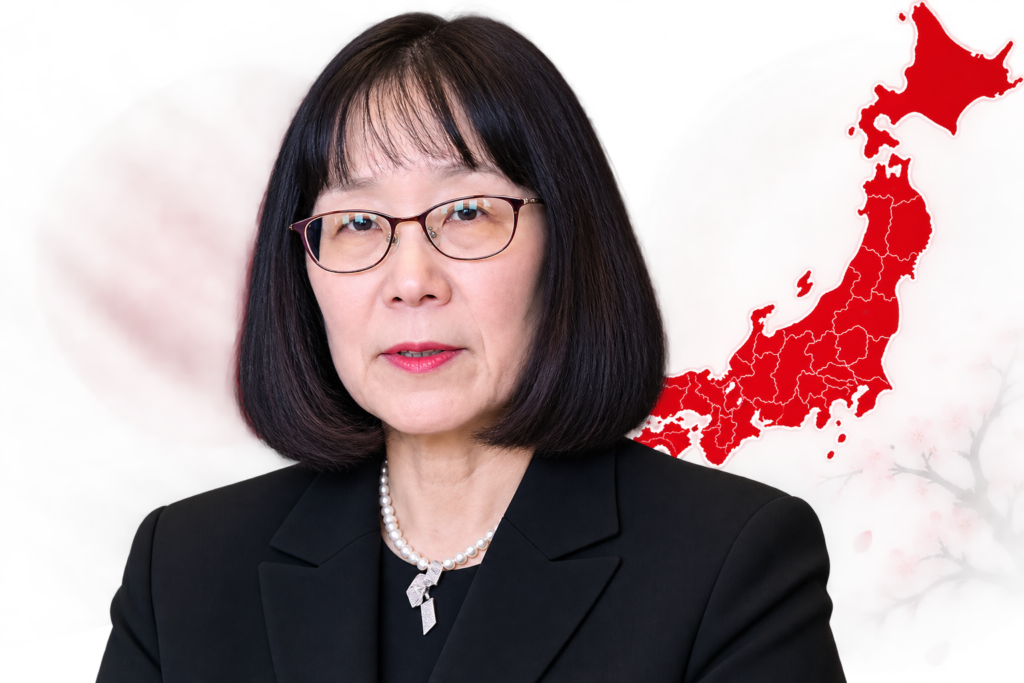
US Secretary of State Marco Rubio has announced sanctions against International Criminal Court (ICC) President Tomoko Akane of Japan and senior trial lawyer Abdoulaye Seye of Senegal, marking another major step in the Trump administration’s campaign against the international tribunal.
The sanctions target the two ICC officials over their involvement in efforts to prosecute government officials from countries that have not agreed to the court’s jurisdiction, according to Rubio.
The ICC, however, strongly rejected the move, describing the sanctions as a “flagrant attack” on an independent judicial institution. The court said the action threatens the rule of law and would not stop its officials from carrying out their duties.
Rubio accused the ICC of being a politically motivated court that has gone beyond its authority and interfered with the sovereignty of countries, including the United States.
“We will not tolerate its assault on state sovereignty,” Rubio said.
The latest sanctions are part of a broader US campaign against the ICC that has intensified since US President Donald Trump returned to office.
The sanctions can include freezing the targeted individuals’ assets, restricting their ability to travel to the United States, and preventing US companies from providing certain services to them.
The Trump administration has already imposed sanctions on at least 11 ICC officials, including judges and the court’s chief prosecutor.
Washington has objected to ICC investigations involving US personnel in Afghanistan and to arrest warrants issued against senior Israeli officials, including Israeli Prime Minister Benjamin Netanyahu, over alleged war crimes in Gaza.
Netanyahu has denied the allegations and has criticized the ICC. Neither the United States nor Israel is a member of the ICC.
READ OTHER ARTICLES:
- Top 1 Most Wanted sa Region 8, Arestado sa Palompon, Leyte
- CTBA Apologizes as Format Change Threatens Strong Group’s Three-Peat
- Crypto, AI and Betting Firms Emerge as New U.S. Political Kingmakers
- Davao City’s ₱10-Billion Waste-to-Energy Project Moves Closer to Reality

- CLE RESULTS August 2026: Criminology Licensure Examination
- Alfred Tecsond Nagkuwento ng Umano’y Karanasan sa PNP General Bilang Kliyente
However, Palestine became a member of the court in 2015, allowing the ICC to investigate alleged crimes committed in Palestinian territory under the court’s rules.
The ICC was established in 2002 and has jurisdiction over serious international crimes, including genocide, crimes against humanity and war crimes. Its authority generally applies to member countries or cases referred to it by the United Nations Security Council.
The court said sanctions against judges, prosecutors and other personnel threaten the international legal system because they can pressure judicial officials simply for applying the law.
The ICC also maintained that it will continue performing the responsibilities given to it by its member states.
Rubio has previously called on the ICC’s member countries to leave the court as part of the US effort to dismantle what he considers an institution that threatens American sovereignty.
Human rights organizations have strongly criticized the US campaign.
Liz Evenson, international justice director at Human Rights Watch, accused the Trump administration of trying to weaken international efforts to hold governments accountable for alleged war crimes and other serious violations.
Several US human rights organizations have also challenged the sanctions in court, arguing that the Trump administration’s actions are unconstitutional and prevent them from working with the ICC on cases involving genocide, war crimes and crimes against humanity.
The dispute has now developed into a larger fight over a basic question: Should an international court be allowed to investigate serious crimes involving officials from countries that do not recognize its authority?
For the United States, the answer has increasingly been no. For the ICC and its supporters, the court argues that international justice must remain independent from political pressure.
As the Trump administration continues its campaign against the ICC, the confrontation could have wider consequences for how international courts investigate alleged war crimes and hold powerful individuals accountable.
- Why Is HIV Rising So Rapidly in the Philippines? Young Filipinos Drive Fastest-Growing HIV Epidemic in Asia-Pacific

- What is Pax Silica, what is its purpose in the Philippines?

- VILLABA: Mangingisda Naaresto Matapos Mahulihan ng Hinihinalang Shabu sa Leyte Buy-Bust Operasyon

- Vendor Arestado sa Umanong Pang-aabuso sa Alagang Aso sa Tacloban
- UN Submission Questions ICC Detention of Duterte, Alleges Political Weaponization
- Ubay, Bohol Mayor Violeta Diangco-Reyes Passes Away at 58

- Two Americans Among 19 Killed in Clash Between Philippine Troops and Suspected Communist Rebels
- Timing and Connections: VP Sara Visits Lawyer of Controversial Ex-Marines Amid Senate Hearing, Political Rivalries, and New Allegations