British Prime Minister Keir Starmer has unveiled a massive £15 billion increase in defence spending, pushing the United Kingdom’s military budget to £80 billion a year by 2029 as the government responds to growing global tensions and security threats. The plan includes major investments in drones, artificial intelligence, and new warships, while sparking debate over cuts to infrastructure and energy projects to help fund the military expansion. Add as Preferred on google search
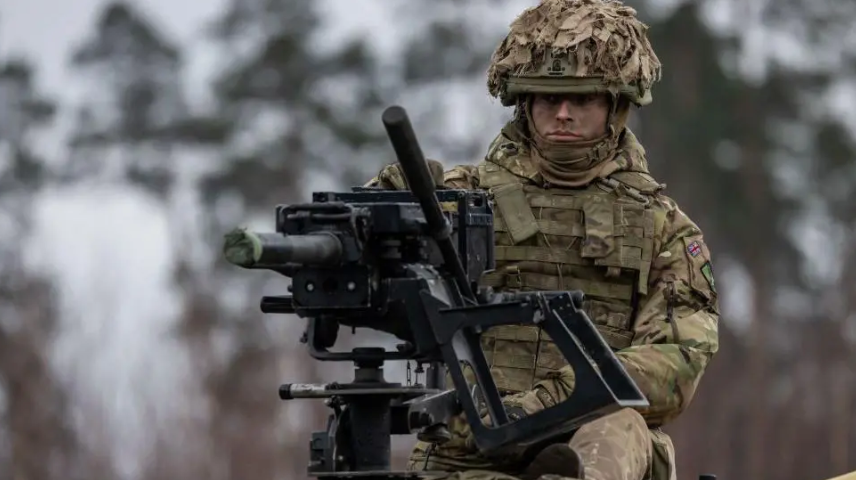
UK – British Prime Minister Keir Starmer has announced an additional £15 billion in defence funding as his government prepares to release its long-awaited national spending plan, saying the United Kingdom must strengthen its military in response to growing global tensions and rising threats around the world.
Under the new plan, Britain’s defence budget is expected to reach £80 billion annually by 2029, marking one of the largest military spending increases in recent decades. The announcement signals a major shift in government priorities, with some planned road projects and energy developments expected to be delayed or cancelled so the money can be redirected toward national security.
Speaking during a major address, Starmer argued that increasing military investment is necessary to preserve peace rather than encourage conflict.
READ MORE ARTICLES:
- Security Dispute Puts Prince Harry’s Planned UK Reunion With Meghan and Children in Doubt
- King Charles Makes History by Revealing £12.9 Million Tax Bill, Ranking Among UK’s Highest Taxpayers
- Keir Starmer to Step Down as Prime Minister and Labour Leader, Triggering Leadership Contest After Months of Political Turmoil and Internal Rebellion
- Keir Starmer on the Brink: Mounting Pressure Forces UK Prime Minister Toward Exit as Andy Burnham Emerges as Clear Successor
- Andy Burnham Landslide Win Fuels Challenge to Keir Starmer, Shakes Labour Leadership Race in UK
- UK Sees Wave of Anti-Immigrant Protests Following Suspect’s Arrest in Belfast Stabbing
- Andrew Mountbatten-Windsor’s Troubles Deepen, Facial Injury Revealed, Financial Criticism Grows, and Complex Investigations Face Lengthy Delays
“When the world is arming and aggression is rising, the best way to avoid war is to prepare for it,” the Prime Minister said, emphasizing that the changing global security situation requires Britain to modernize and strengthen its armed forces.
A key part of the Defence Investment Plan focuses on new military technologies that are rapidly changing warfare across the globe. Around £5 billion will be spent expanding the use of drones, autonomous weapons, and advanced battlefield systems that can operate with limited human control. Government officials believe these technologies will play a central role in future conflicts and could help protect British troops while improving military capabilities.
The Royal Navy is also expected to undergo a significant transformation under the proposal. Britain plans to create what officials describe as a “hybrid navy,” combining traditional warships and aircraft with self-controlled vessels and artificial intelligence systems. The government believes this approach will allow the navy to operate more efficiently while keeping pace with modern military developments.
Alongside these technological upgrades, funding has also been allocated for the construction of six new warships, aimed at strengthening Britain’s presence at sea and improving its ability to respond to international crises and security threats.
However, the announcement has already drawn criticism from opposition parties, which argue that the investment still falls short of what the military requires.
Conservative Party leader Kemi Badenoch described the proposal as insufficient, saying the funding increase amounts to “barely half” of what military leaders have reportedly said is necessary to maintain Britain’s defence capabilities in an increasingly unstable world.
Meanwhile, Liberal Democrat leader Ed Davey criticized the timing and scale of the package, calling it “late and underfunded” and arguing that the government should have acted sooner to address defence concerns.
The debate highlights a growing political consensus that Britain must spend more on national security, even if disagreements remain over exactly how much is needed and where the money should come from.
For many ordinary Britons, the announcement may also raise difficult questions about public spending priorities. While stronger defence is seen as essential by many leaders, the decision to redirect funding away from infrastructure and energy projects could lead to concerns about the impact on transport improvements, economic growth, and the country’s transition to cleaner energy.
Still, the government insists that the changing international landscape leaves little room for delay. With wars continuing in several regions and geopolitical tensions remaining high, Starmer’s administration believes that investing in defence today is necessary to protect Britain’s interests and prevent larger problems in the future.
The spending plan is expected to become one of the defining policies of Starmer’s government as it attempts to balance economic pressures at home with growing security challenges abroad.
Keir Starmer Vows to Leave Britain’s Defence Stronger Than He Found It
British Prime Minister Keir Starmer has promised that he will leave the United Kingdom’s defence and security system in a much stronger position than when he first entered office, saying that one of the true tests of any leader is whether they improve the country for future generations.
Speaking about concerns over delays in the government’s defence investment plans, Starmer defended his administration’s record and expressed confidence that Britain is moving in the right direction. He said leadership should not only be judged by promises made during elections, but by the condition of the nation when a prime minister eventually leaves office.
According to Starmer, his government has already made significant progress in improving the economy, strengthening public services, and reinforcing national defence. He argued that these achievements show that the country is in a better state than it was when his administration began.
The prime minister stressed that defence is not simply about increasing military spending or announcing larger budgets. He said the real measure of success is whether Britain continues to earn the respect and trust of its allies around the world. For Starmer, a stronger defence means maintaining the country’s reputation as a reliable partner and a global leader in security matters.
His comments came as questions were raised about delays in long-term defence funding plans and what role Greater Manchester Mayor Andy Burnham could play in shaping future policies if he eventually rises to national leadership. While political observers continue to speculate about Britain’s future leadership, Starmer made it clear that he believes the Labour Party will continue placing national security at the center of its priorities.
Starmer expressed confidence that regardless of who leads the party in the years ahead, Labour’s commitment to protecting the country and supporting the armed forces will remain unchanged. He described defence and security as the government’s “number one commitment,” emphasizing that global uncertainty and growing international tensions make a strong military more important than ever.
As conflicts and security challenges continue to emerge across different parts of the world, Britain faces increasing pressure to maintain its military readiness and strengthen its alliances with partner nations. Starmer’s message was intended to reassure both the public and Britain’s allies that national security will remain a top priority under his leadership.
For many ordinary citizens, the prime minister’s promise boils down to a simple goal: to hand over a safer, stronger, and more secure Britain than the one he inherited when he first took office.
Keir Starmer Defends UK Defence Spending Plan, Says Nation Must Prepare for Future Threats
British Prime Minister Keir Starmer has strongly defended his government’s new defence spending plans after facing criticism from a retired military general who argued that the United Kingdom should be investing even more money in its armed forces.
Speaking during the launch of a major defence investment programme, Starmer said his government inherited an Army that had been “hollowed out” after years of underinvestment, leaving military capabilities weaker than they should be at a time when global security threats continue to grow.
The prime minister stressed that his administration is already taking significant action to rebuild Britain’s defence strength. According to Starmer, his government has committed an additional £15 billion to military spending even before the latest investment package announced today.
He acknowledged that there will always be people who believe the government should spend more on defence, especially as tensions and conflicts continue to emerge in different parts of the world. However, Starmer insisted that leadership requires making difficult choices and balancing national security needs with other public spending priorities.
“I have to make the right judgments on the capabilities that I think are right for our country to meet the threats not only of today but also of tomorrow,” Starmer said during his speech.
The British leader explained that the new investment plan is not simply about increasing the defence budget but about ensuring the country has the right equipment, technology, and military capabilities to respond to modern challenges. These include cyberattacks, emerging technologies, global instability, and traditional military threats that continue to evolve.
Starmer described the programme as a “massive step forward” for Britain’s security and argued that the investment would help strengthen the country’s ability to protect its citizens and support its allies in an increasingly uncertain world.
The prime minister delivered his remarks in Berkshire, where he sought to reassure both the military community and the public that the government is committed to rebuilding and modernising the country’s defence forces.
As he concluded his speech, Starmer struck an optimistic tone, saying Britain must not only prepare for difficult times ahead but also use the current challenges as an opportunity to build a stronger future.
He told reporters that he believes the country can rise to the moment and face whatever challenges lie ahead, describing the defence investment plan as a “decisive step” toward a safer and more secure Britain.
Following his address, Starmer opened the floor to questions from journalists attending the event, where further details about the government’s long-term defence strategy are expected to be discussed in the coming days.
The announcement marks one of the most significant defence commitments made by the new government so far and signals that national security will remain a major priority under Starmer’s leadership as Britain navigates an increasingly complex global landscape.
APTIKONS