Xi Jinping (born June 15, 1953) is a Chinese politician who has served as the paramount leader of the People’s Republic of China for more than a decade. He has been the general secretary of the Chinese Communist Party (CCP) and chairman of the Central Military Commission since 2012. In 2013, he assumed the presidency of China while also becoming chairman of the State Central Military Commission, placing him at the center of the country’s political, military, and state leadership.
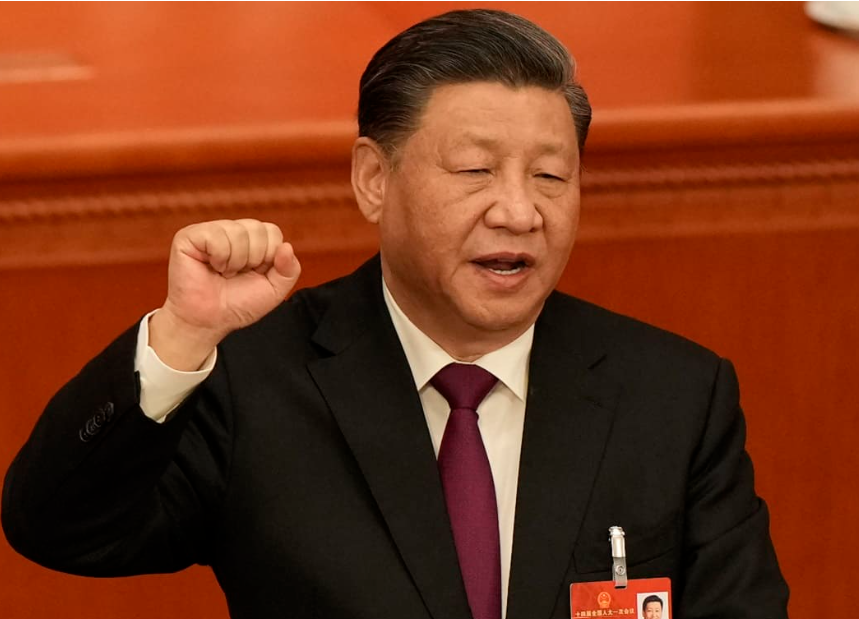
Born in Beijing, Xi is the son of revolutionary leader Xi Zhongxun and Qi Xin. As the child of a prominent Communist Party official, he is often described as one of China’s “princelings.” Despite his influential family background, Xi’s early life was marked by hardship during the Cultural Revolution. His father was removed from power, and Xi was sent to the rural village of Liangjiahe in Shaanxi Province as part of the government’s “sent-down youth” campaign.
During his years in Liangjiahe, Xi lived in a traditional cave dwelling known as a yaodong and worked alongside local farmers. Although his initial applications to join the Communist Party were rejected, he eventually became a CCP member and later served as the village’s party secretary. These experiences are widely regarded as having shaped his political outlook and leadership style.
After completing his studies in chemical engineering at Tsinghua University, Xi steadily advanced through the ranks of the Communist Party. His political career included leadership positions in several provinces, earning him a reputation as an experienced regional administrator. He served as governor of Fujian from 1999 to 2002 before moving to Zhejiang, where he became both governor and later the province’s party secretary between 2002 and 2007.
- Xi Jinping | President, Biography, Education & Issues

- Loren Legarda | Biography, Political Career, Business & Issues
- Heart Evangelista | Net worth, Education, Husband, Professional career & Properties
- John Arnold Manke | NASA, Pilot, Education, Biography, & Career
- Arnold Schwarzenegger | Hollywood, Bodybuilder, Actor, Education, & Biography
- Dharmendra Pradhan |Minister, Education, Lawyer, Biography, & Career
- Sara Duterte | Lawyer, Biography, Political Career & Issues
- Anthony Edwards | Basketball, Atlanta, NBA, Education, & Wife
- Émile Durkheim | Biography, Professional Carrers, Theory, Anomie, facts & Issues
- Sheikh Mohammed bin Zayed Al Nahyan | Education, Politics, Professional Carrer





In 2007, Xi was appointed party secretary of Shanghai following the dismissal of Chen Liangyu amid a corruption scandal. That same year, he joined the powerful Politburo Standing Committee, China’s highest decision-making body, and became the top-ranking member of the Communist Party Secretariat. His rapid rise continued with his appointment as China’s vice president in 2008 and vice chairman of the Central Military Commission in 2010. Two years later, he succeeded Hu Jintao as China’s top leader, becoming the first paramount leader born after the establishment of the People’s Republic of China in 1949.
Xi Jinping – Informative Profile
| Category | Information |
|---|---|
| Full Name | Xi Jinping (习近平) |
| Born | June 15, 1953 (Beijing, China) |
| Age | 73 years old |
| Nationality | Chinese |
| Political Party | Communist Party of China (Member since 1974) |
| Education | Tsinghua University – Bachelor of Science (Chemical Engineering), Doctor of Laws |
| Occupation | Politician |
| Current Position | General Secretary of the Communist Party of China, President of the People’s Republic of China, Chairman of the Central Military Commission |
| Years Active | 1974–Present |
Major Government Positions
| Office | Assumed Office | Predecessor | Status |
|---|---|---|---|
| General Secretary of the Communist Party of China | November 15, 2012 | Hu Jintao | Incumbent |
| President of the People’s Republic of China | March 14, 2013 | Hu Jintao | Incumbent |
| Chairman of the Central Military Commission (Party) | November 15, 2012 | Hu Jintao | Incumbent |
| Chairman of the Central Military Commission (State) | March 14, 2013 | Hu Jintao | Incumbent |
Premiers During Xi Jinping’s Presidency
| Premier | Years Served |
|---|---|
| Li Keqiang | 2013–2023 |
| Li Qiang | 2023–Present |
Vice Presidents During Xi Jinping’s Presidency
| Vice President | Years Served |
|---|---|
| Li Yuanchao | 2013–2018 |
| Wang Qishan | 2018–2023 |
| Han Zheng | 2023–Present |
Vice Chairmen of the Central Military Commission
| Vice Chairman | Years Served |
|---|---|
| Fan Changlong | 2013–2018 |
| Xu Qiliang | 2013–2023 |
| Zhang Youxia | 2018–Present |
| He Weidong | 2023–2025 |
| Zhang Shengmin | 2025–Present |
Other Important Offices Held
| Office | Years |
|---|---|
| Vice President of China | 2008–2013 |
| Member, Politburo Standing Committee | 2007–Present |
| First-ranked Secretary of the Secretariat | 2007–2012 |
| President, Central Party School | 2007–2012 |
| Party Secretary of Shanghai | 2007 |
| Party Secretary of Zhejiang | 2002–2007 |
| Governor of Zhejiang | 2003–2007 |
| Governor of Fujian | 1999–2002 |
| Deputy Governor of Fujian | 1996–1999 |
Personal Information
| Category | Details |
|---|---|
| Birth Date | June 15, 1953 |
| Birthplace | Beijing, China |
| Political Party | Communist Party of China |
| Father | Xi Zhongxun |
| Mother | Qi Xin |
| Family | Xi Family |
| First Spouse | Ke Lingling (1979–1982) |
| Current Spouse | Peng Liyuan (married in 1987) |
| Children | Xi Mingze |
Academic Background
| University | Tsinghua University |
| Bachelor’s Degree | Chemical Engineering (Bachelor of Science) |
| Doctoral Degree | Doctor of Laws (LL.D.) |
| Doctoral Thesis | A Tentative Study on China’s Rural Marketization (2001) |
| Doctoral Advisor | Liu Meixun (刘美珣) |
Languages and Name
| Simplified Chinese | 习近平 |
| Traditional Chinese | 習近平 |
| English Name | Xi Jinping |
Xi’s leadership has been defined by sweeping political, economic, and military reforms. One of his most prominent initiatives has been a nationwide anti-corruption campaign that targeted officials across all levels of government, including senior military officers and influential political figures. Supporters view the campaign as an effort to strengthen governance and restore public confidence, while critics argue that it has also reinforced Xi’s political authority by removing rivals.
Under his administration, China also launched extensive reforms within the People’s Liberation Army, modernizing its command structure and emphasizing military readiness. Xi has promoted technological innovation, advanced manufacturing, industrial self-reliance, and stronger state-owned enterprises as part of his broader vision for national development. His government has also pursued poverty alleviation programs, which Chinese authorities say helped eliminate extreme rural poverty nationwide.
At the same time, Xi’s administration has tightened the Communist Party’s role in nearly every aspect of Chinese society. His tenure has seen increased government regulation of major technology companies, the real estate sector, and private education businesses. The government has also expanded internet censorship, digital surveillance, and restrictions on civil society. International human rights organizations have expressed concerns over these policies, citing issues related to freedom of expression, religious practices, and the treatment of ethnic minorities.
During the COVID-19 pandemic, Xi’s government implemented the strict “zero-COVID” strategy, relying on widespread lockdowns, mass testing, and travel restrictions to limit the spread of the virus. While the policy initially kept infection rates relatively low, it also placed significant economic and social pressures on the population. Following widespread public protests in late 2022, the government ended most of the restrictions and shifted toward reopening the country.
On the international stage, Xi has pursued a more assertive foreign policy. His administration has taken stronger positions in the South China Sea, managed increasingly competitive relations with the United States, and addressed ongoing border disputes with India. Under his leadership, China has also expanded its global influence through the Belt and Road Initiative, a large-scale infrastructure and investment program connecting countries across Asia, Africa, Europe, and beyond.
Relations with Taiwan have remained a major focus of Xi’s foreign policy. In 2015, he met with then-Taiwanese President Ma Ying-jeou in the first meeting between leaders from both sides of the Taiwan Strait since the end of the Chinese Civil War. However, cross-strait relations later became more strained under Taiwan’s Democratic Progressive Party-led government.
Xi also oversaw the implementation of Hong Kong’s National Security Law in 2020, legislation that significantly reshaped the city’s political landscape. Chinese authorities argued that the law was necessary to restore stability and national security, while many foreign governments and human rights organizations criticized it for limiting political freedoms and weakening Hong Kong’s autonomy.
A major turning point in Xi’s presidency came in 2018, when China’s constitution was amended to remove presidential term limits. The change allowed him to remain in office beyond the traditional two-term limit. After securing another five-year term in 2023, Xi became the first Chinese president to serve more than two consecutive terms since the office was established under the current constitutional framework.
Throughout his leadership, Xi has promoted an ideological framework known as Xi Jinping Thought on Socialism with Chinese Characteristics for a New Era. The doctrine has been formally incorporated into both the Chinese Communist Party Constitution and the Constitution of the People’s Republic of China, reflecting its central role in guiding the country’s political direction and long-term national development strategy.
Early Life and Education of Xi jinping
Xi Jinping was born on June 15, 1953, in Beijing, China, as the third child of Xi Zhongxun and his second wife, Qi Xin. He grew up in a politically influential family, as his father was one of the veteran revolutionaries of the Chinese Communist Party (CCP). Following the establishment of the People’s Republic of China in 1949, Xi Zhongxun held several prominent government positions, including head of the Party’s Publicity Department, Vice Premier of China, and Vice Chairperson of the Standing Committee of the National People’s Congress. Xi Jinping also has two older sisters, Qi Qiaoqiao and Qi An’an, while his father’s ancestral roots trace back to Fuping County in Shaanxi Province.
During his early years, Xi attended Beijing Bayi School, an elite institution that primarily educated the children of senior military officers and high-ranking government officials. His privileged upbringing, however, changed dramatically in 1963 when he was only ten years old. His father became the target of a political purge within the Chinese Communist Party and was removed from office before being assigned to work in a factory in Luoyang, Henan Province.
The situation worsened with the outbreak of China’s Cultural Revolution in 1966. Because of his father’s political downfall, Xi Jinping and his family faced severe persecution. Student Red Guards raided the family home, while his mother was forced to publicly denounce her husband as he was humiliated before crowds and branded an enemy of the revolution. These traumatic events deeply affected Xi during his formative years.
After Beijing Bayi School was closed in 1967 due to the political turmoil, Xi continued his education at Beijing No. 25 Middle School. A year later, in 1968, when he was 15 years old, his father was imprisoned. Like millions of other urban youths during the “Down to the Countryside Movement,” Xi was sent away from Beijing to Liangjiahe Village in Yan’an, Shaanxi Province, one of the country’s poorest rural communities at the time.
Life in the countryside proved to be extremely difficult. Unable to adapt to the harsh conditions, Xi initially attempted to return to Beijing after only a few months. However, authorities arrested him during a campaign against young people who deserted rural assignments. He was sent to a labor camp, where he worked digging irrigation ditches before eventually returning to Liangjiahe following the encouragement of his relatives.
Xi ultimately spent seven years living in Liangjiahe. He resided in a traditional yaodong, a cave dwelling commonly found in northern China, and gradually became accustomed to rural life. During this challenging period, his family also suffered another tragedy when his half-sister, Heping, died by suicide while attending a military academy.
Despite the hardships, Xi gradually earned the respect of local residents. In 1973, officials in Yanchuan County assigned him to neighboring Zhaojiahe Village to lead grassroots social education campaigns. His dedication and close relationship with villagers made a lasting impression, prompting local residents to request that he remain in the community. However, after leaders in Liangjiahe appealed for his return, he resumed work in his original village.
As his reputation continued to grow, local Party branch officials supported Xi’s application to join the Chinese Communist Party. His first application was rejected because of his father’s political status. Later, after policy changes reduced the practice of judging children based on their parents’ political background, his subsequent application was approved, allowing him to officially become a CCP member. Around the same period, he was recommended to serve as Party branch secretary of the Liangjiahe Brigade, assuming a leadership role within the village.
In 1975, Xi Jinping received an opportunity that marked a turning point in his life. When the Yan’an region was allocated two admission slots at Tsinghua University, he applied for all three available program choices. He was accepted as a worker-peasant-soldier student, a special category of university admission established during the Cultural Revolution. From 1975 to 1979, Xi studied chemical engineering at Tsinghua University in Beijing, laying the educational foundation that would later support his rise through China’s political ranks.
Xi Jinping’s Global Influence, Public Standing, and International Recognition
Since assuming China’s highest leadership positions, Xi Jinping has become one of the most influential and closely watched political figures in the world. His leadership has shaped not only China’s domestic policies but also its growing role in international affairs. Despite his prominence, accurately measuring Xi’s popularity within China remains a challenge because the country does not permit independent nationwide opinion polls, and online discussions mentioning his name are subject to strict government censorship. As a result, obtaining an objective assessment of public sentiment toward the Chinese president is difficult.
Even with these limitations, many political analysts and research organizations believe that Xi continues to enjoy significant public support inside mainland China. Several surveys conducted over the years have suggested that many Chinese citizens view his leadership positively, particularly because of his emphasis on economic development, poverty reduction, anti-corruption campaigns, and China’s expanding influence on the global stage.
One of the earliest notable studies examining Xi’s domestic approval came in 2014 through a survey co-sponsored by Harvard Kennedy School’s Ash Center for Democratic Governance and Innovation. The findings indicated that Xi received exceptionally high approval ratings among respondents in China, earning a score of nine out of ten. The study reflected widespread confidence in the country’s leadership during the early years of his presidency and highlighted the public’s generally favorable perception of government performance at the time.
Another glimpse into public opinion emerged in July 2019 through an international survey conducted by YouGov. The poll found that approximately 22 percent of respondents in mainland China identified Xi Jinping as the person they admired the most, making him the single most admired individual among those surveyed. The results, however, also revealed a sharp contrast between mainland China and Hong Kong. Fewer than five percent of respondents in Hong Kong selected Xi as the person they admired most, illustrating the significant political and social differences between the two regions.
Beyond China’s borders, Xi Jinping’s leadership has generated a wide range of opinions. In the spring of 2026, the Pew Research Center conducted an international survey across 36 countries to evaluate public confidence in various world leaders. The study found that a median of 34 percent of respondents expressed confidence in Xi to make the right decisions regarding international affairs, while a median of 53 percent reported having little or no confidence in his leadership on global issues.
Interestingly, the same survey showed that Xi’s international confidence ratings exceeded those of several other prominent world leaders. Russian President Vladimir Putin received a median confidence rating of 31 percent, with 65 percent expressing no confidence in his leadership. Meanwhile, U.S. President Donald Trump recorded a median confidence level of 23 percent, while 76 percent of respondents said they lacked confidence in his ability to handle global affairs. These findings suggest that although opinions on Xi remain divided internationally, his standing compared favorably with some other major political figures included in the survey.
Xi’s influence has also been recognized by several internationally respected publications. In 2017, The Economist described him as the most powerful person in the world, reflecting China’s growing political, economic, and military influence under his leadership. The publication pointed to Xi’s consolidation of authority within the Chinese Communist Party and his expanding role in shaping global affairs as key reasons for the recognition.
The following year, Forbes ranked Xi Jinping as the world’s most powerful and influential individual, replacing Vladimir Putin, who had held the top position on the magazine’s list for five consecutive years. Forbes cited Xi’s unprecedented consolidation of political authority, his leadership over the world’s second-largest economy, and China’s increasing influence in international diplomacy and global trade as major factors behind the ranking.
In 2022, Time magazine also recognized Xi’s extraordinary global influence by describing him as the world’s most powerful person. The publication emphasized the enormous scale of his leadership, noting that he stands as the foremost leader among China’s population of more than 1.4 billion people while simultaneously wielding influence that extends far beyond his nation’s borders. The magazine underscored China’s growing role in shaping international economics, technology, security, and geopolitics under Xi’s administration.
Despite these recognitions, Xi Jinping’s leadership has also attracted substantial criticism from international organizations and human rights advocates. Since 2013, the global press freedom organization Reporters Without Borders has consistently included Xi on its list of “press freedom predators.” The organization argues that his administration has overseen increasingly strict controls over media organizations, online platforms, and public information within China. It has repeatedly expressed concerns regarding censorship, surveillance, restrictions on independent journalism, and limitations on freedom of expression.
The contrasting assessments of Xi Jinping reflect the complexity of his leadership. Domestically, surveys conducted under China’s political system suggest he enjoys considerable public support, although the absence of independent polling and extensive censorship make it difficult to measure public opinion with complete certainty. Internationally, perceptions remain deeply divided. Supporters credit him with strengthening China’s economy, reducing poverty, modernizing the country’s military, and expanding its global influence. Critics, meanwhile, point to concerns over human rights, media freedom, political centralization, and restrictions on civil liberties.
As China continues to play an increasingly central role in global politics and economics, Xi Jinping remains one of the defining leaders of the 21st century. His policies, decisions, and leadership style continue to shape not only China’s future but also the broader international landscape, ensuring that he remains both a highly influential statesman and one of the most debated political figures in modern history.
Xi Jinping Reinforces Socialist Ideology as Foundation of China’s Future
Chinese President Xi Jinping has consistently emphasized that socialism remains the key to China’s long-term success and national development. He has repeatedly stated that only socialism can save China, arguing that the country’s continued progress and national rejuvenation depend on following the path of socialism with Chinese characteristics.
Under Xi’s leadership, ideology has become a central focus of governance. While many observers believed that the Chinese Communist Party (CCP) had gradually shifted away from its communist ideals following China’s economic reforms that began in the late 1970s, Xi has worked to revive the Party’s commitment to Marxist principles. Some analysts, including former Australian Prime Minister Kevin Rudd, have described Xi as a committed Marxist-Leninist who places ideology at the heart of state policy.
Xi has repeatedly stressed that the CCP’s ultimate objective remains the realization of communism, even if achieving that goal will require a long period of development. He has criticized those who dismiss communist ideals as outdated or unrealistic, arguing that faith in communism provides Party members with the moral strength necessary to serve the nation. He once compared communist ideals to the “calcium” in a Party member’s spine, suggesting that without such beliefs, officials would suffer political weakness and moral decline.
A major theme of Xi’s leadership has been strengthening the authority of the Communist Party over every aspect of Chinese society. He has declared that the Party leads the government, military, schools, and all sectors of society, reinforcing the principle that the CCP must remain the country’s highest political authority.
During celebrations marking the CCP’s 100th anniversary in 2021, Xi stated that without the Communist Party there would have been no modern China and no national rejuvenation. He described Party leadership as the defining characteristic of socialism with Chinese characteristics and the country’s greatest institutional strength. According to Xi, China’s achievements demonstrate that its socialist model has become an important example of socialist development in the 21st century.
Although Xi has praised China’s progress, he has also warned that the country’s national rejuvenation remains an ongoing process that will take many years to complete. During this period, he believes Party members must remain disciplined and united to prevent the collapse of Communist Party rule.
To strengthen the Party, Xi has promoted the concept of self-revolution, encouraging continuous internal reform, strict discipline, anti-corruption efforts, and the removal of ineffective officials. He argues that these measures are necessary to preserve the Party’s “purity” and “eternal youth” while ensuring it remains capable of governing effectively.
Xi has also emphasized the importance of centralized leadership within the Party. He has argued that because China is a large and complex country, the Party’s Central Committee must possess ultimate decision-making authority. He has compared the Central Committee to the human brain and central nervous system, suggesting that unified leadership is essential for effective governance and national stability.
Another significant aspect of Xi’s political philosophy is his opposition to what he calls historical nihilism—interpretations of history that challenge or criticize the Communist Party’s official historical narrative. Xi believes that questioning the Party’s historical achievements weakens national unity. He has pointed to the collapse of the Soviet Union as an example of the dangers posed by abandoning ideological commitment and allowing historical narratives to undermine confidence in the ruling party.
Xi continues to express confidence in the long-term ideas of Karl Marx and Friedrich Engels, arguing that their analysis of capitalism remains relevant today. He maintains that capitalism contains internal contradictions that will eventually lead to its decline, while socialism will continue to develop and ultimately prevail.
A major component of Xi’s ideological program is the continued Sinicization of Marxism, which seeks to adapt Marxist theory to China’s unique historical conditions, culture, and national circumstances. In 2021, he introduced the concept of the Two Integrations, calling for the integration of Marxist principles with both China’s specific realities and its rich traditional cultural heritage.
Xi has also encouraged Party members to “remain true to their original aspiration,” meaning they should remain dedicated to improving the lives of the Chinese people and advancing the country’s national rejuvenation. Between 2019 and 2020, the CCP launched a nationwide educational campaign to reinforce these ideals among its members.
In addition, Xi has linked patriotism closely with loyalty to the Communist Party and socialism. He has argued that every Chinese citizen has a responsibility to love and serve the nation, while stating that in contemporary China, genuine patriotism means supporting the country, the Communist Party, and the socialist system together. According to Xi, these three elements are inseparable and form the foundation of China’s continued development and future prosperity.
Xi Jinping Promotes China’s Unique Political Model While Rejecting Western Democracy
Chinese President Xi Jinping has consistently defended China’s one-party political system, arguing that the country should follow its own path rather than adopt Western-style democratic institutions. Throughout his leadership, Xi has rejected proposals for a multi-party system, constitutional monarchy, parliamentary government, or presidential system, insisting that these political models have either been studied or attempted in China’s history but ultimately failed to meet the nation’s needs.
According to Xi, China’s current political framework is designed to provide long-term stability, national unity, and economic development. He believes that the country’s governance model is better suited to its unique history, culture, and social conditions than political systems commonly found in Western nations. Xi has repeatedly emphasized that China should not simply copy foreign political structures, arguing instead that every country has the right to choose a system that best fits its own circumstances.
One of the central ideas promoted by Xi is that China is already a democratic country, although its definition of democracy differs significantly from the concept embraced by many liberal democracies. Xi has described China’s socialist democracy as “the most comprehensive, genuine, and effective democracy,” maintaining that the Chinese political system allows citizens to participate in governance through mechanisms established under the leadership of the Communist Party of China.
Unlike liberal democracies, where political competition among multiple parties and direct electoral contests play a central role, China’s political philosophy is rooted in Marxist-Leninist principles. The country’s governance is based on concepts such as the people’s democratic dictatorship and democratic centralism, which emphasize collective leadership, centralized decision-making, and governance under the Communist Party while claiming to represent the interests of the Chinese people.
To further explain his vision, Xi introduced the concept of “whole-process people’s democracy.” He describes this model as a form of democracy that involves public participation throughout every stage of policymaking and governance, rather than limiting citizen involvement to voting during elections. According to Xi, the goal is to ensure that “the people are the masters of the country” by allowing citizens to contribute to consultation, decision-making, implementation, and oversight within China’s existing political framework.
Xi argues that this approach produces more effective governance by focusing on long-term planning, social stability, and national development rather than political rivalry. Chinese officials have often pointed to the country’s rapid economic growth, poverty reduction, large-scale infrastructure development, and technological progress as evidence that its political system is capable of delivering tangible benefits for its people.
Another important element of Xi’s political philosophy is his rejection of the idea that Westernization is the only path to modernization. Instead, he promotes the concept of Chinese modernization, which seeks to combine economic progress, technological innovation, cultural preservation, and strong state leadership under the guidance of the Communist Party. Xi argues that modernization does not require countries to adopt Western political institutions and that every nation should be free to pursue development according to its own historical and cultural background.
Supporters of Xi’s approach believe that China’s governance model has contributed to decades of sustained economic growth, improved living standards for hundreds of millions of people, and greater national stability. They argue that maintaining a unified political system allows the government to implement long-term strategies without the frequent policy shifts that can occur in countries with competitive electoral politics.
However, Xi’s views remain the subject of significant international debate. Many foreign governments, political analysts, and human rights organizations dispute China’s claim that it is a democracy. Critics argue that China’s one-party political system lacks the competitive elections, independent judiciary, unrestricted press, and political pluralism that are widely regarded as essential characteristics of liberal democratic governance. As a result, many international observers classify China as a one-party authoritarian state and describe Xi as an authoritarian leader.
Political scholars have also used various terms to characterize Xi’s governing philosophy. Some describe him as a traditionalist, emphasizing his focus on national identity, cultural values, and strong centralized authority. Others refer to his leadership as neo-authoritarian, highlighting his belief that a powerful central government is necessary to maintain political stability, economic development, and national unity during China’s continued rise on the global stage.
Despite differing opinions, Xi’s political vision has become one of the defining features of modern China. His emphasis on national sovereignty, centralized leadership, ideological discipline, and Chinese-style modernization continues to shape both domestic policy and the country’s international strategy. As China expands its influence in global affairs, Xi’s governance model remains at the center of discussions about alternative approaches to political development and the future of governance in the 21st century.
The ongoing debate surrounding China’s political system reflects broader questions about whether there is a single universal model of democracy or whether different countries can develop distinct forms of governance based on their own histories, cultures, and national priorities. While Xi maintains that China’s socialist democracy represents a successful alternative to Western political systems, many international observers continue to challenge that claim, ensuring that the discussion over China’s political model remains one of the most closely watched issues in global politics.
Xi Jinping’s Early Role in China’s Central Military Commission Shaped His Political Career
After completing his studies in April 1979, Xi Jinping began an important chapter in his public service career by joining the General Office of China’s State Council. He was appointed as one of the three personal secretaries to Geng Biao, a senior Chinese leader who served as Secretary-General of the Central Military Commission (CMC). This position provided Xi with valuable experience at the highest levels of the Chinese government and military administration.
Working closely with Geng Biao allowed Xi to observe and participate in the daily operations of China’s central leadership. Although he was still in the early stages of his political career, the position placed him in an environment where major national policies and strategic decisions were discussed. His responsibilities extended far beyond routine office work, giving him firsthand exposure to the country’s administrative and military systems.
As one of Geng Biao’s trusted secretaries, Xi attended important meetings involving senior government and military officials. These gatherings focused on national security, domestic governance, and international relations. By participating in these high-level discussions, Xi gained practical knowledge of how China’s leadership coordinated government policies and responded to domestic and global challenges.
One of Xi’s major responsibilities was assisting in the preparation and management of official government documents. Many of these documents contained highly sensitive or classified information related to national security and state affairs. His role required careful attention to detail, strict confidentiality, and a deep understanding of government procedures. Handling confidential materials also helped him become familiar with the inner workings of China’s political system and the decision-making process at the national level.
Xi also worked alongside Geng Biao in inspecting units of the People’s Liberation Army (PLA). These inspections allowed him to observe military operations, organizational structures, and the readiness of China’s armed forces. Through these assignments, he developed a greater understanding of military management and the relationship between the Communist Party and the armed forces, which has long been a key feature of China’s political system.
Beyond military matters, Xi became involved in issues concerning China’s regional administration and foreign affairs. He assisted in coordinating policies related to Hong Kong, Macau, and Taiwan—three areas that have always held strategic and political importance for Beijing. His work required close coordination with various government departments and helped him gain insight into China’s approach toward cross-strait relations, regional governance, and national unity.
In addition to regional affairs, Xi also contributed to work involving China’s foreign relations. By helping prepare reports, policy papers, and official correspondence, he gained experience in diplomatic affairs and learned how the Chinese government managed its relationships with other countries. These responsibilities broadened his understanding of international politics and China’s position on the global stage.
Serving under Geng Biao exposed Xi to many aspects of national governance, including policy implementation, administrative coordination, and political leadership. The experience strengthened his organizational skills and introduced him to senior officials across different branches of government. It also gave him a deeper appreciation of how major government institutions cooperated in addressing national priorities.
Many political observers regard this period as one of the most influential stages in Xi Jinping’s early career. Working within the Central Military Commission’s administrative office allowed him to build valuable experience in government operations while earning the trust of senior leaders. The knowledge and connections he developed during these years would later support his rise through provincial leadership positions before eventually reaching China’s highest offices.
Xi’s service during this period reflected a combination of administrative responsibility, political learning, and military exposure. By assisting with central government meetings, managing confidential documents, participating in military inspections, and handling matters involving Hong Kong, Macau, Taiwan, and foreign affairs, he gained a broad understanding of China’s governing system. These early experiences laid a strong foundation for his future leadership and played a significant role in shaping his long political career.
Xi Jinping’s Early Leadership in Zhengding Focused on Rural Reform and Economic Development
Xi Jinping’s early political career in Zhengding County, Hebei Province, became one of the defining periods that shaped his leadership style and approach to governance. During the early 1980s, he focused on improving the lives of local residents, particularly farmers, while introducing development programs that helped transform Zhengding into a growing economic and cultural center. His efforts combined agricultural reforms, infrastructure development, tourism promotion, and long-term planning, earning him recognition from senior officials within the Chinese Communist Party.
In March 1982, Xi Jinping was appointed Deputy Secretary of the Chinese Communist Party (CCP) in Zhengding County, Hebei Province. At the time, local farmers were facing significant financial pressure because of heavy grain requisitions imposed by higher authorities. Recognizing the burden this created for rural communities, Xi worked closely with fellow Deputy Party Secretary Lü Yulan to address the issue.
Together, they submitted a formal letter to China’s central government requesting a reduction in the amount of grain that local farmers were required to provide each year. Their proposal highlighted the hardships experienced by farming families and argued that lowering the mandatory quotas would improve agricultural productivity and rural living conditions. The central government eventually accepted their recommendation, reducing the annual grain requisition by approximately 14 million kilograms. This decision provided much-needed relief for farmers and demonstrated Xi’s willingness to advocate for local concerns.
During the same period, Xi also introduced an experimental agricultural reform by establishing a pilot project based on the household responsibility system in one of Zhengding’s poorer communes. This system allowed individual farming households greater control over agricultural production while remaining under the collective ownership framework. Although some local officials were hesitant about implementing the reform, Xi believed it could increase productivity and improve the economic situation of rural families. The project later became one of the county’s important agricultural initiatives.
In July 1983, Xi Jinping was promoted to Secretary of the CCP Zhengding County Committee, becoming the county’s top party official. With greater authority, he began implementing a broader vision for Zhengding’s long-term growth. Rather than focusing solely on agriculture, he sought to modernize the county through economic development, infrastructure improvements, cultural preservation, and tourism.
One of his notable initiatives was the introduction of the “Nine Articles of Zhengding Talents,” a program designed to attract skilled professionals, experts, and educated individuals to contribute to the county’s development. The policy aimed to strengthen Zhengding’s workforce by encouraging talented people to participate in local government, education, technology, and economic planning.
Xi also oversaw several major construction and restoration projects intended to improve the county’s image and attract visitors. Among these was the development of Changshan Park, which provided residents with additional recreational space while enhancing the county’s public infrastructure. He also supported the restoration of the historic Longxing Temple, an important cultural and religious landmark that had significant historical value. By preserving the temple, local authorities were able to protect an important part of China’s cultural heritage while promoting tourism.
Understanding the economic potential of tourism, Xi encouraged the establishment of a tourism company to manage and promote Zhengding’s historical attractions. One of the most ambitious projects during his leadership was the construction of Rongguo Mansion, a large cultural site inspired by the famous Chinese literary classic Dream of the Red Chamber. Xi successfully persuaded the China Teleplay Production Center to use Zhengding as the filming location for the television adaptation of the novel.
To support the production, he secured approximately 3.5 million yuan in funding for the construction of Rongguo Mansion. The television series brought nationwide attention to Zhengding, attracting tourists eager to visit the filming location. As a result, the county experienced a significant increase in tourism, generating approximately 17.61 million yuan in revenue within the same year. The success of the project demonstrated how cultural investment could stimulate local economic growth.
Another important initiative under Xi’s leadership was the establishment of the Zhengding Table Tennis Base, reflecting his interest in promoting sports development alongside tourism and cultural projects. Together, these investments diversified the county’s economy and created new opportunities for business and employment.
Xi also believed that outside expertise could help accelerate Zhengding’s modernization. He invited several respected Chinese scholars, scientists, and intellectuals—including mathematician Hua Luogeng, economist Yu Guangyuan, and expert Pan Chengxiao—to visit the county and provide recommendations for future development. Their consultations contributed to the creation of Zhengding’s “semi-urban” development strategy.
This strategy aimed to capitalize on Zhengding’s close proximity to Shijiazhuang, the capital of Hebei Province. Rather than remaining solely an agricultural county, Zhengding sought to expand into commerce, manufacturing, services, and other industries while maintaining its rural strengths. The approach encouraged diversified economic growth and improved regional cooperation.
Xi’s work in Zhengding attracted increasing attention from senior leaders within the Chinese Communist Party. In September 1984, during a briefing chaired by He Zai, Secretary-General of the CCP Central Organization Department, Xi’s comprehensive plans for Zhengding’s development were presented and discussed.
Following the meeting, He Zai and Wei Jianxing, then Deputy Head of the CCP Central Organization Department, reported their observations to CCP General Secretary Hu Yaobang. They described Xi as a leader with strong strategic thinking, long-term planning abilities, and a commitment to strengthening cooperation between workers and farmers. These positive evaluations further enhanced his reputation within the party and demonstrated growing confidence in his leadership capabilities.
In 1985, Xi Jinping expanded his experience beyond China by participating in an official study tour focused on agricultural production and corn-processing technology. The delegation traveled to Iowa in the United States, where participants examined modern farming methods, agricultural management practices, and advanced corn-processing techniques.
The visit provided Xi with firsthand exposure to American agricultural systems and rural economic development. Observing farming operations abroad broadened his understanding of agricultural modernization and rural management, knowledge that would later influence aspects of his public service.
While Xi was still in the United States, the CCP Central Organization Department decided to assign him to a new position in Xiamen, Fujian Province. He was appointed as a member of the Standing Committee of the CCP Xiamen Municipal Committee and simultaneously served as Vice Mayor of Xiamen. The transfer marked the conclusion of his years in Zhengding and the beginning of a new stage in his political career, where he would take on greater responsibilities in one of China’s important coastal cities.
Xi Jinping’s tenure in Zhengding remains an important chapter in his early political development. His administration emphasized practical problem-solving, agricultural reform, infrastructure construction, cultural preservation, tourism promotion, and long-term economic planning. These initiatives not only improved Zhengding’s local economy but also established a leadership record that contributed to his subsequent rise through the ranks of the Chinese Communist Party.
Xi Jinping Advanced Economic Growth and Development Through Fujian Leadership Roles
Xi Jinping’s rise as one of China’s most influential political leaders was shaped by years of public service in Fujian Province, where he held several key government positions that focused on economic planning, poverty reduction, infrastructure development, and regional modernization. His leadership during the 1980s and 1990s helped transform several cities into growing economic centers while strengthening local governance and long-term development strategies.
Xi began serving as the vice mayor of Xiamen in June 1985. Soon after assuming office, he played a leading role in drafting the city’s first comprehensive long-term blueprint, known as the Xiamen Economic and Social Development Strategy (1985–2000). The plan outlined a clear vision for transforming Xiamen into one of China’s most dynamic coastal cities through industrial expansion, urban planning, improved public services, and stronger international trade. The strategy became an important guide for the city’s modernization over the next fifteen years.
One of Xi’s earliest environmental initiatives focused on restoring Yundang Lake, which had suffered from years of pollution and environmental degradation. Under his supervision, the city launched a comprehensive rehabilitation program that improved water quality, strengthened environmental protection efforts, and enhanced the surrounding urban landscape. The project later became one of the notable examples of balancing economic growth with environmental conservation.
During his time in Xiamen, Xi also supported several important development projects that strengthened the city’s economic foundation. He helped prepare for the establishment of Xiamen Airlines, which later became one of China’s leading commercial airlines. He also contributed to the creation of the Xiamen Economic Information Center, designed to improve government planning through better access to economic data and information. In addition, he participated in the development of transportation infrastructure, including projects connected with the Xiamen Special Administrative Region road network, which improved mobility and supported future economic expansion.
While serving in Xiamen, Xi experienced a significant milestone in his personal life. He married Peng Liyuan, a well-known Chinese singer and performing artist. Their marriage marked the beginning of a partnership that would later attract international attention after Xi became China’s top leader.
In September 1988, Xi was appointed secretary of Ningde, a largely rural and economically underdeveloped region in northeastern Fujian Province. Compared with the more prosperous cities of Fuzhou and Xiamen, Ningde faced serious challenges, including widespread poverty, limited infrastructure, and fewer economic opportunities. Rather than viewing these conditions as obstacles, Xi focused on creating practical solutions aimed at improving living standards and stimulating long-term growth.
During his leadership in Ningde, Xi emphasized poverty reduction as one of the government’s highest priorities. He encouraged local officials to strengthen rural development programs, improve agricultural productivity, invest in transportation and public services, and expand economic opportunities for communities in remote areas. His experiences and observations during this period were later compiled into the book Getting Out of Poverty, in which he discussed governance, rural development, and methods for helping disadvantaged communities achieve sustainable economic progress.
Alongside poverty alleviation, Xi also concentrated on strengthening local Communist Party organizations to improve government administration and policy implementation. These efforts aimed to make local governance more effective while ensuring development initiatives reached rural communities more efficiently.
Recognizing his administrative performance, the Fujian Provincial Committee of the Chinese Communist Party transferred Xi to Fuzhou in May 1990, where he became Municipal Committee Secretary. In this position, he was responsible for overseeing the capital city’s economic planning, urban expansion, investment promotion, and public administration.
Xi continued to gain influence within the provincial leadership. In 1995, he was promoted as Deputy Secretary of the Fujian Provincial Committee of the Chinese Communist Party, placing him among the province’s highest-ranking officials and expanding his responsibilities over regional development.
His political career continued to advance nationally. In September 1997, Xi was elected as an alternate member of the 15th Central Committee of the Chinese Communist Party, giving him greater participation in national party affairs. The following year, he also became a delegate to the 9th National People’s Congress, China’s highest legislative body.
By 1999, Xi was appointed Vice Governor of Fujian Province and was promoted to Governor the following year. As governor, he introduced several long-term development initiatives designed to accelerate regional growth and strengthen the province’s competitiveness.
Among his major proposals was the concept known as the Golden Triangle of the Min River, which sought to improve economic coordination among major cities and industrial zones along the river. He also supervised the implementation of the Fuzhou 3820 Project Master Plan, a strategic blueprint outlining development goals over three, eight, and twenty years. The plan addressed urban planning, industrial expansion, transportation improvements, environmental management, and modernization initiatives intended to guide Fuzhou’s long-term transformation.
Infrastructure development became another major priority during Xi’s administration. He supported the construction and expansion of Fuzhou Changle International Airport, which significantly improved regional connectivity and strengthened Fujian’s transportation network. He also promoted major projects such as the Min River Water Transfer Project, the Fuzhou Telecommunication Hub, and the continued expansion of Fuzhou Port, helping facilitate trade, logistics, and communication throughout the province.
Xi also recognized the importance of attracting investment from Taiwan and international businesses. His administration introduced policies encouraging foreign investment while supporting the establishment and growth of manufacturing industries in Fujian. Several major enterprises expanded during this period, including Fuyao Glass, Newland Digital Technology, Southeast Automobile, and Southwest TPV Electronics. These companies contributed to employment, industrial diversification, technological advancement, and export-oriented manufacturing across the province.
As governor from 1999 to 2002, Xi promoted the idea of developing interconnected urban regions, often referred to as “megalopolises,” to strengthen cooperation between major cities. He encouraged coordinated development between Fuzhou and Xiamen through an inter-city growth strategy that emphasized transportation links, industrial cooperation, and shared economic planning.
His administration also faced the challenge of restoring public confidence following the high-profile Yuanhua smuggling case, one of China’s largest corruption and smuggling scandals. Rather than allowing the controversy to slow regional progress, Xi encouraged local officials to strengthen governance, improve regulatory oversight, and adopt new development strategies focused on transparency, economic reform, and sustainable growth.
Another lasting initiative introduced during his governorship was the Digital Fujian program, which aimed to modernize government services through information technology. One of its most significant achievements was the development of the 12345 Citizen Service Platform, a centralized government hotline that allowed residents to submit complaints, request public services, and communicate directly with government agencies. The platform improved administrative efficiency, enhanced public responsiveness, and became a model for digital government services that was later expanded across many parts of China.
Xi Jinping’s years in Fujian represented a critical stage in his political career. Through strategic economic planning, environmental restoration, poverty alleviation, infrastructure expansion, investment promotion, industrial development, and digital governance reforms, he established an administrative record that strengthened his reputation within the Chinese Communist Party. The policies and development models introduced during this period became important foundations that influenced many of his later approaches to national governance after assuming China’s highest leadership positions.
Xi Jinping’s Ruthless Rise to Power: Zhejiang Years Cemented His National Dominance
In October 2002, Xi Jinping entered a new and decisive stage in his political career when he left Fujian Province to assume senior leadership positions in neighboring Zhejiang. His transfer marked a significant promotion within the Chinese Communist Party (CCP), as he was appointed deputy governor, acting governor, and deputy secretary of the Zhejiang Provincial Party Committee. These appointments placed him in one of China’s fastest-growing and most economically vibrant provinces, giving him an opportunity to demonstrate his administrative abilities on a much larger stage.
Following the 16th National Congress of the Chinese Communist Party later that year, Xi achieved another major milestone by becoming the secretary of the Zhejiang Provincial Party Committee, the province’s highest-ranking political position. This was the first time in his career that he held the top leadership post in a province, a role that carried enormous responsibility for overseeing economic development, political governance, and Party discipline.
At the same time, Xi’s political influence expanded beyond the provincial level. In November 2002, he was elected as a full member of the 16th Central Committee of the Chinese Communist Party during the Party’s National Congress. The appointment elevated him to China’s national political arena and signaled that the country’s senior leadership regarded him as one of the Party’s rising figures with significant future potential.
Xi’s years in Zhejiang became widely recognized for the province’s remarkable economic performance. Under his leadership, Zhejiang reportedly maintained average annual economic growth of approximately 14 percent, making it one of China’s strongest-performing regional economies during that period. The province continued to expand its manufacturing, private enterprise, and export industries while gradually reducing its dependence on traditional heavy industries. This economic transition reflected broader efforts to modernize Zhejiang’s economy by encouraging innovation, entrepreneurship, and more sustainable forms of development.
Beyond economic achievements, Xi earned a reputation for enforcing stricter discipline within the provincial government. He adopted a firm and uncompromising approach toward officials accused of corruption, emphasizing accountability and Party integrity. His tough stance against misconduct attracted considerable attention from Chinese national media, which portrayed him as a leader willing to confront abuses of power. These actions also strengthened his image among senior Party officials in Beijing, further enhancing his political profile.
Observers noted that Xi’s leadership style in Zhejiang combined economic pragmatism with strict political discipline. While promoting business growth and encouraging private-sector development, he also insisted that Party officials maintain loyalty, discipline, and adherence to government policies. This combination helped shape the governing approach that would later become closely associated with his national leadership.
Another important development during Xi’s tenure in Zhejiang was the beginning of his close professional relationship with Li Qiang, who served as secretary-general of the Zhejiang Provincial Party Committee from 2004 to 2007. As Xi’s chief of staff, Li worked closely with him on provincial administration, and the two developed a strong working partnership built on mutual trust. Their collaboration during these years would later become significant as both men advanced to the highest levels of China’s political leadership.
Together, Xi and Li introduced the “Double Eight Strategy,” a comprehensive development blueprint designed to strengthen Zhejiang’s long-term competitiveness. The strategy identified eight major comparative advantages that distinguished Zhejiang from other provinces and outlined eight corresponding initiatives aimed at maximizing those strengths. The plan focused on enhancing industrial competitiveness, expanding infrastructure, promoting technological innovation, improving public services, strengthening environmental protection, and encouraging balanced regional development. It became one of Zhejiang’s defining policy frameworks and influenced the province’s future economic direction.
Xi Jinping’s Zhejiang years proved to be a defining chapter in his political journey. His record of rapid economic growth, structural reforms, anti-corruption efforts, and long-term development planning significantly elevated his reputation within the Chinese Communist Party. By demonstrating both administrative competence and political discipline, he established himself as one of China’s most influential emerging leaders. The experience he gained while governing Zhejiang laid the foundation for his subsequent promotions, eventually leading him to the highest offices in the Chinese government and positioning him as one of the most powerful figures in modern Chinese politics.