Senator Francis “Chiz” Escudero has filed a bill seeking to postpone the 2026 Barangay and Sangguniang Kabataan Elections (BSKE) to 2028 and extend the terms of barangay and Sangguniang Kabataan officials from four years to five years. The proposal aims to strengthen grassroots governance by providing local leaders with greater stability, allowing them to complete long-term development programs, improve public service delivery, and reduce disruptions caused by frequent electoral exercises.
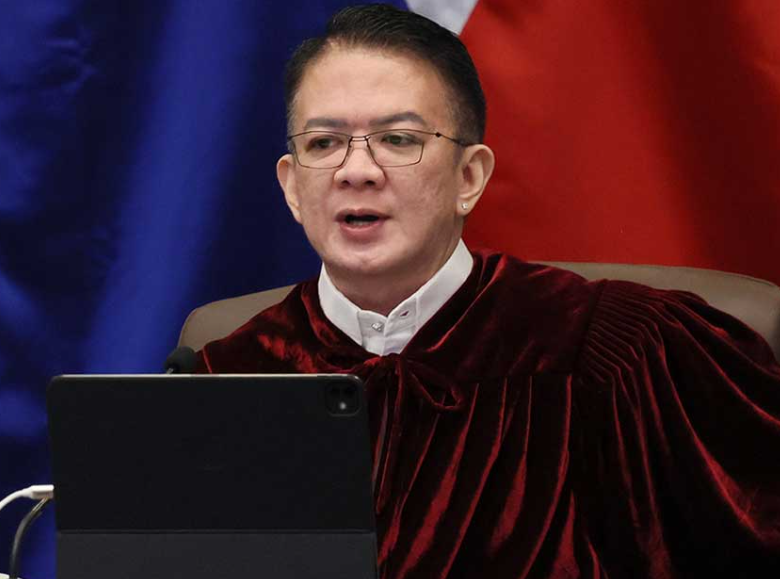
MANILA, Philippines — Senator Francis “Chiz” Escudero has filed a bill seeking to postpone the 2026 Barangay and Sangguniang Kabataan Elections (BSKE) to 2028 while extending the term of office of barangay and Sangguniang Kabataan (SK) officials from four years to five years. The proposal aims to strengthen grassroots governance by providing local officials with more time to implement development programs, maintain stability, and focus on public service instead of frequent election campaigns.
The measure, filed as Senate Bill No. 2387, proposes significant changes to the country’s barangay governance system by moving the next BSKE from November 2026 to 2028 and increasing the tenure of elected barangay and SK officials to five years. According to Escudero, the proposal is intended to provide local leaders with enough time to complete long-term projects, improve the delivery of essential public services, and ensure continuity in local governance.
Officially titled “An Act Fixing the Term of Office of Barangay Officials and Members of the Sangguniang Kabataan to Five Years, Amending Republic Act No. 12232, or ‘An Act Setting the Term of Office of the Barangay Officials and Members of the Sangguniang Kabataan, and for Other Purposes,'” the bill highlights the crucial role of barangays as the government’s first line of service to communities across the country.
- Leila de Lima’s DOJ Recorded ₱ 123.8 Million Unliquidated Confidential Funds, COA Report Shows

- Xi Jinping | President, Biography, Education & Issues
- Chiz Escudero Seeks 2028 BSKE Elections, Longer Five-Year Terms for Officials
- Loren Legarda | Biography, Political Career, Business & Issues
- Enrique Razon Reigns as Philippines’ Richest Billionaire for Third Consecutive Year
- COMMENTARY: Sara Duterte’s Impeachment Battle Ends, but the 2028 Political Contest Begins


In his explanatory note, Escudero emphasized that barangays serve as the closest level of government to the Filipino people. He said barangay officials are responsible for implementing government programs, maintaining peace and order, settling community disputes, responding to disasters and emergencies, and delivering basic public services. Because of these responsibilities, he argued that stable and capable leadership is essential for effective local governance.
The senator noted that frequent elections often interrupt the momentum of local development efforts. Instead of concentrating on programs and services, barangay officials are forced to devote considerable time and resources to election preparations and political campaigns. This, he said, can delay the completion of important community projects and reduce the overall efficiency of local governments.
Escudero believes that extending the term of office to five years would allow barangay officials to better plan, implement, and complete long-term initiatives that directly benefit their constituents. He added that a longer term would also encourage continuity in governance, strengthen accountability, and enable officials to build stronger relationships with the communities they serve.
One of the key provisions of Senate Bill No. 2387 is the postponement of the Barangay and Sangguniang Kabataan Elections originally scheduled for November 2026. If the measure is approved, the elections will instead be held in 2028, allowing incumbent officials to continue serving until the new election date.
The bill also seeks to institutionalize a five-year term for all elected barangay and SK officials, replacing the current four-year term provided under existing law. Supporters of the proposal believe the additional year will provide local leaders with sufficient time to complete infrastructure projects, strengthen community-based programs, improve disaster preparedness, and implement policies that require long-term planning.
Despite extending the terms of office, the measure retains safeguards to prevent prolonged political control. Under the proposed legislation, barangay and SK officials who are already serving their third consecutive term will not be allowed to run for the same position in the 2028 elections. This provision seeks to preserve the principle of term limits while balancing the need for continuity in governance.
Escudero stressed that the proposal remains consistent with the objectives of the Local Government Code of 1991, which recognizes local government units as vital partners in national development. He said barangays are considered the primary planning and implementing units for government policies, programs, projects, and activities at the community level, making stable leadership essential for effective governance.
According to the senator, giving barangay officials a five-year term will help reduce disruptions caused by frequent electoral exercises and allow local leaders to dedicate more time to serving the public rather than preparing for elections. He argued that stronger and more stable barangay governments would ultimately result in better public services, more efficient implementation of government programs, and greater community participation in local development.
Escudero also underscored the importance of empowering grassroots institutions, saying that barangays are often the first government offices people turn to during emergencies, disasters, and everyday concerns. He maintained that providing officials with longer terms would strengthen their ability to respond quickly to local issues while carrying out development initiatives that require sustained leadership.
The proposed legislation was formally received by the Senate on August 6, 2026. In filing the bill, Escudero expressed hope that his fellow lawmakers would recognize the importance of strengthening local governance and ensuring that barangay officials have enough time to fulfill their responsibilities effectively.
He appealed for the immediate approval of the measure, describing it as an investment in stronger communities, more effective local leadership, and improved public service delivery. According to the senator, stable governance at the barangay level is essential to building resilient communities capable of addressing both present and future challenges.
The bill will now undergo the legislative process, where it will be referred to the appropriate Senate committee for deliberation, public hearings, and possible amendments before it can proceed to plenary discussions. If approved by both chambers of Congress and signed into law by the President, the measure would bring significant changes to the country’s barangay electoral calendar and the tenure of thousands of barangay and Sangguniang Kabataan officials nationwide.
As lawmakers begin deliberating on the proposal, the measure is expected to generate discussions on the balance between ensuring leadership continuity and preserving the public’s regular opportunity to elect their local officials. The outcome of the bill could have a lasting impact on the future of grassroots governance and the administration of local communities throughout the Philippines.