Australian mining firm Celsius Resources has intensified its legal battle over the MCB Copper-Gold Project in Kalinga by accusing former executive chairman Julito “Sarge” Sarmiento of violating the Anti-Dummy Law, while a subsidiary of India’s Kiri Industries moves to foreclose the company’s 40 percent stake using a loan acquired from the Maharlika Investment Corporation (MIC). The escalating dispute has placed one of the Philippines’ largest undeveloped copper-gold projects at the center of a complex fight involving corporate control, ownership, and multimillion-dollar investments.
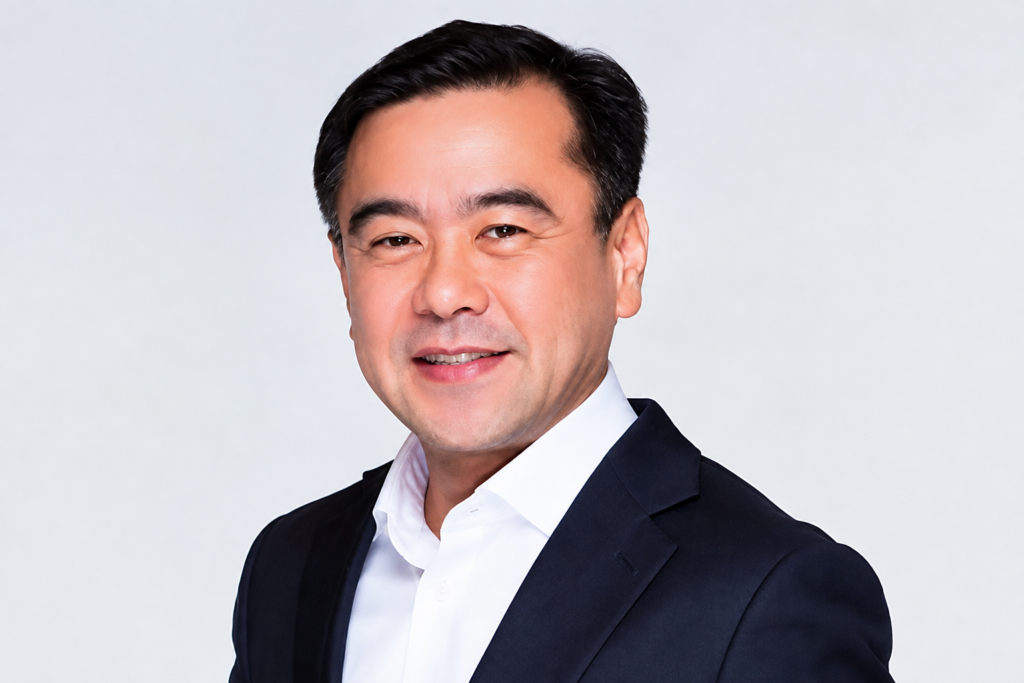
What began as a government-backed effort to accelerate the development of one of the Philippines’ largest untapped copper-gold deposits has evolved into a high-stakes corporate battle, with a loan originally extended by the Maharlika Investment Corporation (MIC) now at the center of an escalating fight for ownership and control of the MCB Copper-Gold Project in Kalinga.
Four months after Maharlika announced that it had brought India’s Kiri Industries Ltd. into the project as a strategic investor, a wholly owned Kiri subsidiary has moved to foreclose the entire 40 percent stake of Australian-listed Celsius Resources Ltd. in the company developing the multibillion-peso mining venture.
The latest development has intensified an already bitter dispute involving competing shareholders, allegations of corporate misconduct, boardroom battles, and criminal complaints, raising fresh questions about the future of one of the country’s most strategically significant mining projects.
Documents obtained by Bilyonaryo revealed that Equinaire Holdings Ltd., a wholly owned subsidiary of Kiri Industries, has declared Makilala Mining Co. Inc. (MMCI) in default and initiated foreclosure proceedings against Celsius Resources’ ownership interest in the company.
According to Celsius, a public auction of its entire 40 percent stake is scheduled for August 10, potentially reshaping the ownership structure of MMCI, the company behind the MCB Copper-Gold Project located in Pasil, Kalinga.
- Rafael Consing, Maharlika Loan Fuels Celsius Foreclosure Case Over Kalinga Mine

- ICC Defends Independence Following Sara Duterte’s Marcos Puppet Allegations in The Hague
- No to Pax Silica’ in the Philippines as Critics Raise Concerns Over Sovereignty, Environment, and Economic Benefits
- Sara Duterte Witness Says OVP Used Gym Bags for ₱500 Million
- Beyond the Applause: The Issues Left Unspoken in President Marcos’ Fifth State of the Nation Address
- What is Pax Silica, what is its purpose in the Philippines?



The MCB Copper-Gold Project is widely regarded as one of the Philippines’ largest undeveloped mineral assets, with significant copper and gold reserves that have attracted both domestic and international investors seeking exposure to the country’s mining industry.
The foreclosure action has also placed renewed attention on Maharlika Investment Corporation’s decision earlier this year to transfer its rights as lender under a US$10-million bridge loan to Equinaire Holdings.
In April, MIC disclosed that it had assigned to Equinaire all of its “rights, title, and interests” under the project’s Omnibus Loan and Security Agreement, effectively transferring control of the bridge financing that Maharlika had initially extended to support the project’s early development.
At the time, the sovereign wealth fund described the move as part of its strategy of recycling capital while attracting additional foreign investment into strategic industries.
Maharlika explained that the bridge loan had financed critical preliminary work, including the project’s Front-End Engineering Design (FEED), an updated feasibility study, and other activities necessary before securing long-term project financing.
Maharlika President and Chief Executive Officer Rafael D. Consing Jr. said then that assigning the loan would allow the fund to recover its investment while bringing in an experienced international partner capable of advancing the next stage of development.
The sovereign wealth fund likewise emphasized that the transaction was expected to generate annualized returns exceeding the bridge loan’s 12.5 percent interest rate.
MIC also highlighted Kiri Industries’ plans to build a greenfield copper smelting facility in India, describing the company as a strategic partner capable of strengthening the MCB project’s long-term commercial prospects while demonstrating growing international confidence in the Philippine mining sector.
However, developments over the succeeding months have dramatically altered that narrative.
Rather than serving solely as a financial partner, Kiri, through Equinaire Holdings, has now become one of the principal players in an increasingly contentious struggle for corporate control over the mining project.
Celsius Resources has identified Kiri among the parties involved in a widening legal and corporate conflict surrounding MMCI’s ownership, governance, and management.
The Australian mining company recently filed a criminal complaint before the Department of Justice against its former executive chairman, lawyer Julito “Sarge” Sarmiento, accusing him of proposing a corporate structure that allegedly allowed foreign investors to maintain effective control of Philippine corporations through Filipino nominees.
According to Celsius, such an arrangement would violate the country’s Anti-Dummy Law, which prohibits foreign nationals from circumventing constitutional restrictions on ownership in industries where Filipino participation is required.
Beyond the criminal complaint, Celsius has also accused Sarmiento and parties allegedly aligned with Sodor Inc. of improperly reconstituting MMCI’s board of directors, restricting Celsius’ access to corporate documents, and implementing actions that allegedly undermined the Australian firm’s interests in the project.
The dispute has expanded beyond criminal proceedings, with related cases now pending before the Securities and Exchange Commission (SEC) as well as arbitration panels tasked with resolving various corporate governance issues involving MMCI.
At the center of the conflict is the collapse of a previously proposed US$43-million investment involving Sodor Inc. and PMR Holding Corp.
Celsius maintains that both companies failed to fulfill their funding commitments within the agreed timetable, despite several attempts to revive the transaction, ultimately triggering the series of legal disputes now surrounding the project.
Adding another layer of complexity, Celsius has disclosed that Equinaire Holdings acquired MMCI’s outstanding loan from Maharlika Investment Corporation before initiating foreclosure proceedings.
Although the company did not explicitly confirm whether the loan being enforced is the same US$10-million bridge financing previously assigned by MIC, it acknowledged that the Kiri subsidiary acquired the loan directly from the Philippine sovereign wealth fund.
If the foreclosure proceeds as scheduled, the bridge financing originally intended to accelerate the project’s development may instead become the decisive instrument determining who ultimately controls one of the Philippines’ most valuable undeveloped copper-gold assets.
The unfolding controversy marks a dramatic shift from Maharlika’s original vision of leveraging public capital to attract foreign investment into strategic sectors of the economy.
What was initially presented as a successful example of public-private collaboration has evolved into a complex legal confrontation involving foreclosure proceedings, competing ownership claims, allegations of governance irregularities, and questions over compliance with Philippine laws governing foreign participation in local corporations.
With multiple legal cases still pending and the scheduled auction of Celsius Resources’ stake drawing near, the battle over the MCB Copper-Gold Project appears far from over. The outcome could significantly influence not only the ownership of the Kalinga mining project but also investor confidence in large-scale mining ventures and public-private investment partnerships in the Philippines.