Veteran lawyer Lorna Kapunan, once convicted over statements tied to the UST Atio Castillo hazing case, has returned to the national spotlight—this time as a key member of the House prosecution panel in the historic impeachment proceedings against Vice President Sara Duterte. Years after a Manila Regional Trial Court found her guilty of unjust vexation for remarks linking a top law school official to the alleged cover-up of a student’s hazing death, Kapunan now stands before the Senate as an impeachment prosecutor, her aggressive style and sharp questioning drawing widespread attention to the high-stakes inquiry into the Vice President’s use of millions in public funds.
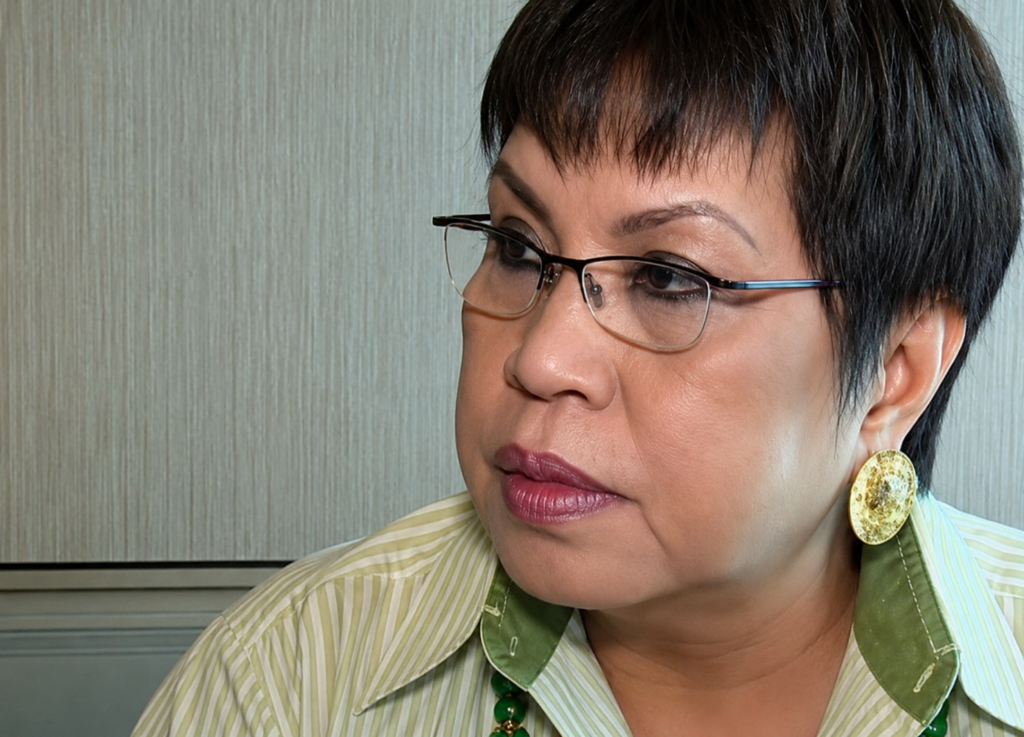
MANILA — Years after a Manila court convicted her of unjust vexation over statements she made in connection with the hazing death of University of Santo Tomas (UST) law student Horacio “Atio” Castillo III, veteran lawyer Lorna Kapunan has once again found herself in the national spotlight this time as a member of the House prosecution panel in the impeachment proceedings against Vice President Sara Duterte.
Kapunan’s earlier legal battle traces back to the 2017 death of Castillo, whose fatal hazing by members of the Aegis Juris fraternity triggered a nationwide debate over fraternity violence and accountability.
At the time, Kapunan represented the Castillo family and publicly questioned the role of UST Law Dean Nilo Divina, who was a member-on-leave of the fraternity. Kapunan accused Divina of allegedly “coddling” fraternity members and suggested that he had knowledge of efforts to protect his fraternity brothers.
Divina denied the allegations and pursued legal action against Kapunan.
In July 2020, a Manila Regional Trial Court reversed an earlier acquittal by the Manila Municipal Trial Court and found Kapunan guilty of unjust vexation. RTC Branch 11 Judge Cicero Jurado Jr. ruled that Kapunan’s statements had caused emotional distress to Divina and that the lower court should have convicted her.
- Alfred Tecsond Nagkuwento ng Umano’y Karanasan sa PNP General Bilang Kliyente

- Jonvic Remulla Urges Congress to Tighten Firearms Law, Revisit ‘Robin Padilla Law’ After School Shooting

- Col. Raymund Dante Lachica Challenges Ramil Madriaga’s Claims in Sara Duterte Impeachment Hearing

- Colonel Raymund Dante Lachica Faces Scrutiny Over ₱125M Confidential Funds

- Roblox, Terrorist Influence and Rising Youth Violence Alarm the Philippines

- ACDD Tasking Platform Goes Offline After Users Report Unpaid Funds and ‘Tax’ Demands

The ruling imposed 30 days of imprisonment and ordered Kapunan to pay ₱2.5 million in damages. The court also recognized civil liability arising from the criminal case.
The decision emphasized that Kapunan had been unable to substantiate some of the allegations she made during a television interview. The court also noted that the Department of Justice had previously dismissed the criminal complaint filed against Divina by the Castillo family.
The case became one of several legal controversies surrounding the Castillo hazing tragedy, which remained a highly emotional issue for the public and the legal community.
Today, Kapunan occupies a very different legal role.
She now serves as a private prosecutor on the House of Representatives prosecution panel in the impeachment proceedings involving Vice President Sara Duterte. In that capacity, she has participated in the presentation of evidence, examination of witnesses, and legal arguments before the Senate sitting as an impeachment court.
Kapunan has gained renewed public attention for her aggressive questioning of witnesses and her pointed challenges to the defense’s arguments.
Among the issues she has helped scrutinize is the alleged use of ₱612.5 million in confidential funds involving the Office of the Vice President and the Department of Education. During the proceedings, she questioned government officials about liquidation documents and the alleged lack of specific details describing the accomplishments of supposed confidential operations.
Her courtroom style direct, forceful, and often combative has made her one of the more recognizable figures among the prosecution lawyers.
Kapunan’s return to the national spotlight has also revived discussions about her earlier legal controversies.
For some observers, the 2020 unjust vexation ruling remains an important part of her public record, particularly because it involved allegations made during one of the country’s most closely watched hazing cases.
For others, the case illustrates the difficult boundary between vigorous legal advocacy, public statements, and personal accountability.
What remains striking is the transformation of Kapunan’s public role: from a lawyer representing a grieving family and confronting powerful figures in the aftermath of a student’s death to a prosecution lawyer now arguing before senators in one of the country’s most politically consequential proceedings.
Her journey underscores how lawyers who become involved in high-profile cases can themselves become part of the story facing not only the courtroom battles of their clients but also legal and public scrutiny over their own words and actions.
From the Castillo hazing controversy to the impeachment courtroom, Lorna Kapunan’s legal career has once again placed her at the center of a national debate this time with the country watching from a much larger stage.