President Ferdinand R. Marcos Jr. has approved a major expansion of the Pantawid Pamilyang Pilipino Program (4Ps), allowing millions of eligible Filipino families to continue receiving government assistance beyond the previous seven-year limit. Through Executive Order No. 120, signed on July 13, 2026, the government aims to give vulnerable households more time, targeted support, and better opportunities to recover from the lasting effects of the COVID-19 pandemic and achieve long-term financial independence.
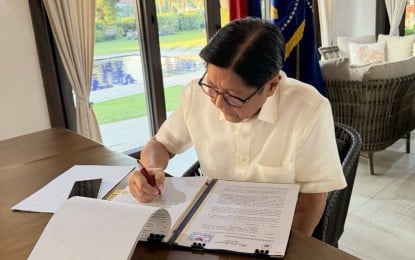
Millions of families across the Philippines who rely on government support to lift themselves out of poverty will now have more time to build a stable life, thanks to a new order signed by President Ferdinand R. Marcos Jr. on July 13, 2026. Known as Executive Order No. 120, this policy extends the maximum seven-year limit for receiving help from the Pantawid Pamilyang Pilipino Program, or 4Ps, giving qualified families extra support to stand on their own feet.
To understand why this change matters, it helps to look at what the 4Ps program was designed to do in the first place. Created under Republic Act No. 11310, the program works by giving cash grants to poor households, but only on the condition that they keep their children in school, take them for regular health check-ups, and attend family development meetings. It was meant to be a temporary helping hand—giving families up to seven years of assistance so they could improve their situation enough to no longer need support. The law already allowed for longer help in very unusual cases, but now that allowance has been expanded to cover many more families who have faced unexpected struggles.
The decision to extend the timeline comes from the hard lessons learned during the COVID-19 pandemic. When the health crisis hit, jobs disappeared, incomes dropped sharply, and many families lost the progress they had slowly made over the years. Children fell behind in their studies, and parents found it harder than ever to save money or start small businesses. Even as the country recovers, many of these families still face higher risks of falling back into deep poverty, and the original seven-year window is no longer enough for them to reach the point where they can support themselves fully. The National Advisory Council, which oversees the program, studied these challenges closely and recommended that the period of support be extended recognizing that these are truly exceptional circumstances that no one could have foreseen.
Under the new order, families who were set to lose their benefits after seven years can keep receiving help as long as they are still classified as either “survival level” or “subsistence level” by the Department of Social Welfare and Development, the government agency that runs 4Ps. These labels mean the families still cannot meet their most basic needs such as having enough food, safe shelter, or access to healthcare—without assistance. This means families will not be cut off abruptly just because a set number of years has passed; instead, they will stay in the program until they are truly ready to move forward on their own.
The support these families receive will also change to meet their current needs. The social welfare department will put in place a stronger system to check on each family regularly, using tools like the Social Welfare and Development Indicator to measure how they are doing and what extra help they might need. Instead of just giving cash grants, workers will provide more hands-on guidance—helping parents find work, access training for new skills, or connect with other government programs that can help them earn a steady income. The goal is to make sure every family gets exactly what they need to become self-sufficient, rather than rushing them out of the program before they are ready.
READ MORE ARTICLES:
- Performance of Schools: Criminology Board Exam Results August 2026
- List of Topnotchers: August 2026 Criminology Licensure Exam Results
- V-Z CLE RESULTS August 2026: Criminology Licensure Examination
- S-U CLE RESULTS August 2026: Criminology Licensure Examination
- P-R CLE RESULTS August 2026: Criminology Licensure Examination
- M-O CLE RESULTS August 2026: Criminology Licensure Examination
- CLE RESULTS August 2026: Criminology Licensure Examination
- J-L CLE RESULTS August 2026: Criminology Licensure Examination
The department has been given 30 days from the signing of the order to put together clear rules on how this extension will work, including how families will be checked, how long they can stay in the program, and how progress will be measured. Money for this extended support will first come from the existing budget already set aside for the social welfare department, and future funding will be included in the agency’s annual budget requests in the usual way. This ensures the program can continue without unnecessary delays or disruptions.
The order also confirms that all other parts of the original 4Ps law remain in place, and any older rules that conflict with this new policy are now updated or replaced. It took effect right away once it was published in the Official Gazette and in major newspapers, so families who qualify will not have to wait long to see the benefits.
At its heart, this new executive order is about fairness and compassion. It recognizes that poverty is not a problem that can be solved on a strict timeline, especially when national crises throw families off course. By giving these hardworking households more time, more resources, and more personalized support, the government is making sure that the help they receive today will lead to lasting stability for themselves and their children tomorrow. It is a reminder that the goal of 4Ps was never just to give people money for a few years it was to help them build a life where they never need to rely on aid again. / aptikons