The arrival of the New World Screwworm in Texas marks the crossing of a dangerous line, bringing a flesh-eating parasite that has advanced steadily from Central America and Mexico right to the U.S. border. Far more than a routine agricultural concern, this invasive pest—whose larvae consume living tissue and can be fatal to livestock if untreated—threatens not only the livelihoods of ranchers but also the stability of the nation’s beef supply and food prices. While federal authorities maintain that preparations delayed this outcome for a year, critics argue that bureaucratic caution and slow action allowed a preventable risk to become a reality. Now, with quarantine zones established and a massive eradication effort underway, the detection serves as a critical warning: biological threats respect no boundaries, and the battle to contain this destructive invader has only just begun.
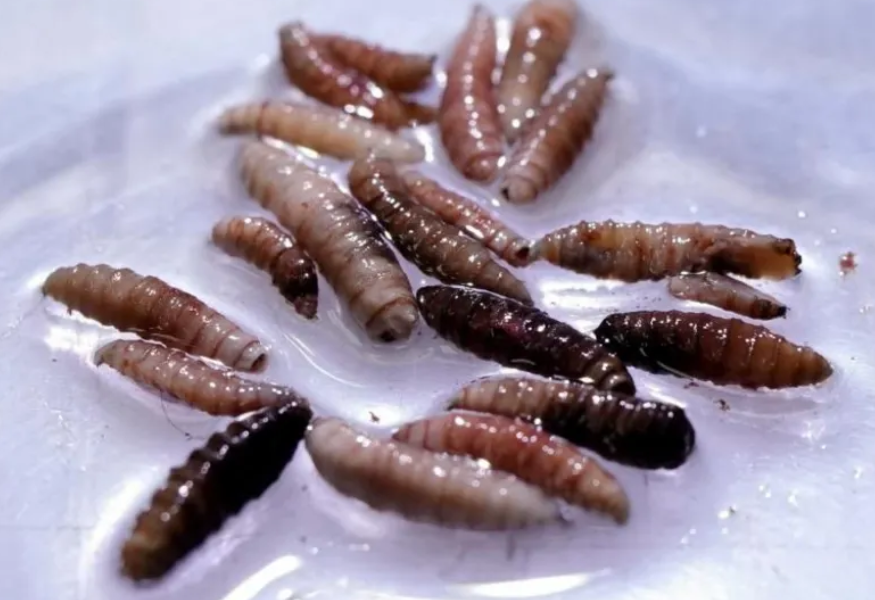
USA — The discovery of the New World Screwworm (NWS) in Texas is not just another agricultural incidentnit is a warning siren that should have been heard long before the parasite reached the doorstep of the United States.
For years, experts watched as the flesh-eating parasite steadily advanced through Central America and Mexico. The threat was not hidden. The danger was not hypothetical. Yet despite repeated warnings and mounting evidence, government agencies moved at a pace that now appears painfully inadequate.
The New World Screwworm is not an ordinary pest. Its larvae literally consume living flesh. Female flies deposit eggs in wounds, and once hatched, hundreds of larvae burrow into animals, causing severe suffering and often death if untreated. This is a biological nightmare for livestock producers, veterinarians, and rural communities whose livelihoods depend on healthy herds.
READ MORE ARTICLES:
- Iran Unblocks Most Underground Missile Sites, Poised for More Long-Range Strikes; Experts Flag Limits of US Bombing Strategy
- JUSTICE & TRUTH: The Long Road to Unlocking the Epstein Files
- Take It Down Act – A Major Step Forward in Protecting Digital Privacy and Dignity
- USA: Senate Battle Lines Drawn – GOP’s Big Bet, Voter Anger, and the Shadow of War
- Donald Trump & Xi Jinping Shake Hands as World Holds Its Breath: “We Don’t Need Another War,” Says Trump
- Cole Allen, Suspect in Alleged Donald Trump Assassination Attempt at Washington Gala, Agrees to Remain in Custody
- Trump Cancels Envoys’ Pakistan Trip for Iran Peace Mission as Israel Escalates Lebanon Strikes Amid Stalled Talks
Now the parasite has been confirmed in a three-week-old calf in South Texas just miles from the border. The consequences could be devastating. A widespread outbreak would threaten cattle populations, disrupt beef production, and push food prices even higher at a time when consumers are already struggling with inflation and economic uncertainty.
Federal officials argue that preparations have delayed the parasite’s arrival by a year. While that may be true, delaying a threat is not the same as defeating it. Critics, including Texas Agriculture Commissioner Sid Miller, have questioned whether enough was done when there was still time to prevent the parasite from reaching U.S. soil. His criticism reflects growing frustration among ranchers who believe that government action lagged behind the rapidly evolving threat.
The strategy of releasing sterile flies is scientifically sound and has succeeded before. However, it is also a long-term solution that requires massive resources, sustained commitment, and time—precisely the commodity that becomes scarce once an outbreak begins.
What makes this situation particularly alarming is that the economic impact could spread far beyond ranches. Reduced cattle numbers mean tighter supplies. Tighter supplies mean higher beef prices. Higher prices ultimately land on the dinner tables of ordinary American families.
The lesson here is simple but uncomfortable: biological threats do not wait for bureaucratic timelines. Whether the danger comes from invasive species, livestock diseases, or agricultural pests, hesitation can be costly. The appearance of the New World Screwworm in Texas should serve as a stark reminder that prevention is always cheaper, safer, and smarter than crisis management.
America now faces a crucial test. The response in the coming weeks and months will determine whether this parasite becomes a contained incident or a national agricultural disaster. The warning signs were visible for years. The question now is whether policymakers, regulators, and industry leaders will act with the urgency that the situation demands.
The flesh-eating parasite has arrived. Excuses can no longer be the response. Action must be.
Screwworm: The Flesh-Eating Threat That Demands Vigilance
The recent detection of the New World Screwworm near the U.S.-Mexico border has once again drawn global attention to one of the most destructive parasites known to livestock industries. While many people may be unfamiliar with the term, the screwworm is not an ordinary maggot. It is the larval stage of a parasitic blowfly that feeds on the living flesh of warm-blooded animals, including cattle, wildlife, pets, and, in rare cases, humans.
The parasite earns its name from the screw-like spines covering its body. As the larvae burrow deeper into a wound, they literally drill into living tissue, causing severe pain, extensive damage, and, if left untreated, death. Unlike common maggots that consume dead tissue, screwworm larvae attack healthy, living flesh.
The New World Screwworm originated in the tropical and subtropical regions of Central and South America and parts of the Caribbean. A related species, the Old World Screwworm, has been found in parts of Asia, Africa, and the Middle East. The threat remains significant because the parasite can spread rapidly through livestock populations if not detected and controlled early.
The infestation begins when an adult female fly is attracted to an open wound. This could be a minor injury, a tick bite, or a surgical wound on an animal. The fly lays hundreds of eggs around the wound, and within a day the eggs hatch into larvae. These larvae then penetrate and consume the living tissue of the host, causing wounds to expand dramatically and increasing the risk of secondary infections.
Fortunately, effective methods exist to combat the parasite. In infected animals or humans, immediate medical or veterinary intervention is essential. The larvae must be physically removed, the wound thoroughly cleaned, and appropriate medications administered to prevent bacterial infection.
On a larger scale, one of the most successful eradication programs ever developed is the Sterile Insect Technique (SIT). Under this strategy, millions of male screwworm flies are bred and sterilized using radiation before being released into affected areas. Since female screwworm flies mate only once during their lifetime, mating with a sterile male results in eggs that never hatch. This method has helped eliminate screwworm populations from several countries and remains a cornerstone of modern control efforts.
Prevention, however, remains the first line of defense. Open wounds should be cleaned and covered promptly. Livestock owners must inspect animals regularly, especially newborns and recently treated animals. People working in rural environments should wear protective clothing and use insect repellents when necessary.
The return of screwworm cases serves as a powerful reminder that nature’s smallest threats can have enormous consequences. Governments, farmers, veterinarians, and communities must remain vigilant. A single neglected wound can become an entry point for a parasite capable of causing widespread economic damage and immense suffering. The battle against screwworm is not merely an agricultural issue it is a public health and biosecurity challenge that requires constant attention and decisive action.
- Why the Ellora Caves in India Never Made the Seven Wonders List
- Sara Duterte | Lawyer, Biography, Political Career & Issues
- Ombudsman Files Fourteen Graft Cases Against Congressman Over Contract Links Today
- Macau Giant Pandas Complete Stunning Comeback For First Governors Cup Victory
- Typhoon Noul Threatens Southern China, Hong Kong Cancels Flights, Thousands Evacuated