The Cybercrime Investigation and Coordinating Center (CICC) is considering recommending a ban on Facebook in the Philippines over concerns about misinformation, online abuse and the safety of children, while President Ferdinand Marcos Jr. has signaled openness to studying restrictions on social media platforms deemed harmful to young people, although no Facebook ban is currently in effect or being implemented.
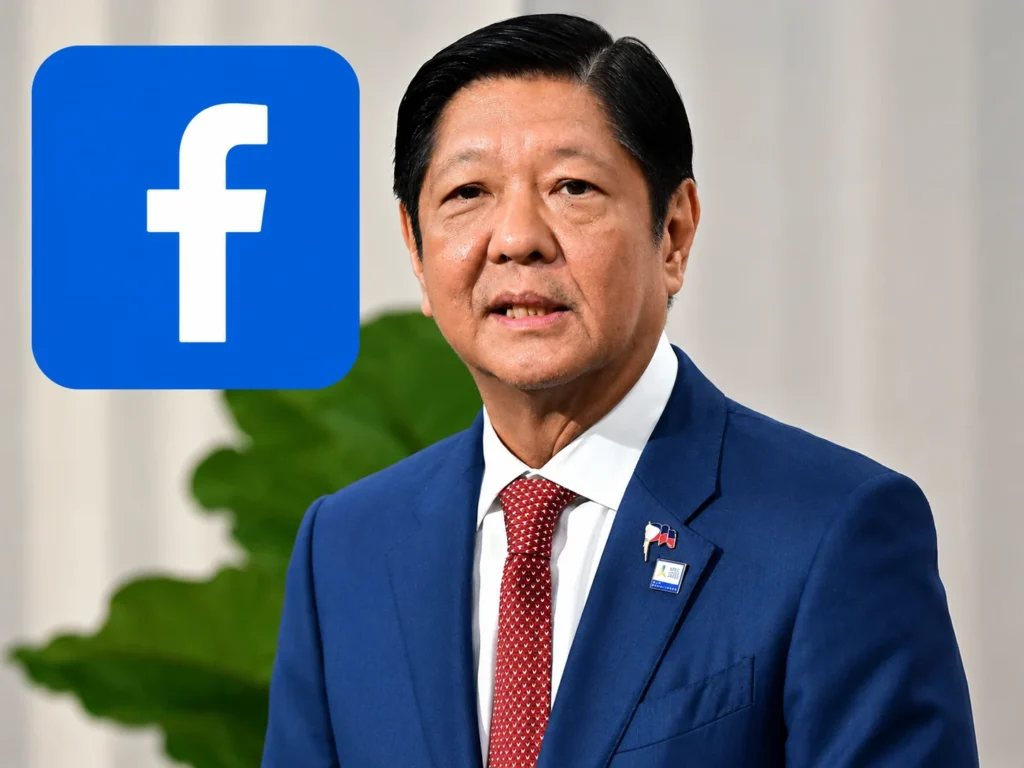
MANILA, Philippines — The Philippine government is considering stronger measures against social media platforms, including the possibility of blocking Facebook, as authorities intensify efforts to address misinformation, online abuse involving children, and harmful digital content.
The Cybercrime Investigation and Coordinating Center (CICC) is studying whether to recommend the banning of Facebook in the Philippines, according to CICC Executive Director Undersecretary Renato “Aboy” Paraiso. However, the proposal remains under consideration, and there is currently no actual government ban on Facebook and no ongoing implementation of one.
Paraiso said the government has the technical capability to block an entire social media platform, but emphasized that the discussion is also aimed at compelling technology companies to comply with Philippine laws and government requirements, particularly those involving the protection of children online.
The CICC official acknowledged that blocking Facebook would carry significant social and political consequences, particularly in a country where the platform has become deeply embedded in everyday communication, business, news consumption, political discourse, and community interaction.
The possibility of a ban gained renewed attention following the deadly shooting at Ateneo de Zamboanga University on August 18, an incident that was livestreamed online and triggered broader concerns about the influence of digital platforms and the accessibility of harmful content to young people. Authorities have since been examining the suspect’s digital activities and possible exposure to violent or extremist material.
Malacañang, meanwhile, said President Ferdinand Marcos Jr. is open to recommendations involving the restriction or possible banning of social media platforms if authorities determine that they are exposing young people to harmful material or contributing to dangerous behavior.
Palace Press Officer Claire Castro said Tuesday that the President is receptive to studying measures against platforms that may negatively influence minors and the broader public. She stressed, however, that any such proposal must be carefully examined before the government takes action.
READ OTHER ARTICLES:
- Leni Robredo Endorses Marvic Leonen for Chief Justice
- Supreme Court Reaffirms Fair Comment Doctrine in Libel Cases
- Eastern Visayas’ Fun Run Set September 27 in Tacloban to Mark World Tourism Day
- September 21: Special Non-Working Days Declared in Rizal, Ifugao; Manila Classes Suspended
- Mark Zuckerberg Summoned as Facebook Faces Possible Suspension in Philippines
- DepEd Benguet Bans Weekend School Activities for Rest
- Over 230,000 Fake Recruitment Posts Removed by Meta, TikTok Since 2022
Castro also drew a distinction between misinformation and legitimate criticism or freedom of expression. According to her, the government’s efforts to address harmful online content should not be interpreted as an attempt to silence people who disagree with the administration or criticize government officials.
She said spreading fake news is different from simply expressing an opinion or acting as a critic, emphasizing that criticism remains allowed under the administration of President Ferdinand Marcos Jr.
The Palace’s position comes as government agencies face growing pressure to determine how social media companies should be held accountable for content that may endanger children or contribute to the spread of violence and disinformation.
Castro said authorities also need to examine whether social media platforms are sufficiently accountable for the content circulating through their systems and whether slow responses to government concerns should have consequences.
The discussion over Facebook is also connected to the government’s recent dealings with Roblox, another platform that has come under scrutiny following the Ateneo shooting. The CICC previously warned that platforms could face restrictions if they failed to meet Philippine requirements for child protection. Paraiso said Roblox eventually complied with government requirements, illustrating the agency’s position that regulatory action is intended primarily to obtain compliance rather than automatically shut down platforms.
The government has nevertheless taken an increasingly firm position on platforms that it believes may expose Filipino children to harmful material. The Department of the Interior and Local Government, led by Secretary Jonvic Remulla, has separately pushed for a total ban on Roblox, citing concerns over the platform’s chat groups and alleged links to harmful online communities.
Remulla earlier said investigators examining the Ateneo shooting suspect’s devices found an online search history that included websites allegedly containing hate speech and material associated with nihilism, antisemitism and anti-LGBT content. He described the online environment surrounding such material as a potential source of influence that could encourage hatred, discord and violence.
Authorities have also cautioned that the investigation into the shooting is continuing and that digital influence should not automatically be treated as the sole explanation for the tragedy. Remulla previously acknowledged that investigators were still conducting forensic examinations of the suspect’s gadgets and that the precise factors behind the attack remained under investigation.
For Facebook, the implications of a possible government restriction would be considerably broader. The platform is one of the most widely used social media services in the Philippines, serving not only as a venue for personal communication but also as an important channel for businesses, government announcements, community organizations, news outlets and political discussion.
Any attempt to block Facebook would therefore represent a major policy decision with consequences extending beyond online safety. It could affect businesses that depend on Facebook for marketing and customer communication, individuals who use the platform to maintain contact with family and friends, and organizations that rely on social media to distribute information.
This is why Paraiso’s acknowledgment of the social and political implications is significant. The CICC is not simply discussing the technical feasibility of blocking Facebook; it is weighing whether such an extraordinary measure would be justified by the platform’s perceived failure to comply with Philippine laws and protect users, particularly children.
The debate also places the Marcos administration in a difficult position between two competing objectives: protecting the public from harmful online content while preserving freedom of expression and access to information.
For now, Facebook remains accessible in the Philippines, and there is no government order prohibiting Filipinos from using the platform. The CICC is only considering whether to recommend such a measure, while Malacañang has indicated that President Ferdinand Marcos Jr. is willing to examine recommendations involving social media platforms that may be found to pose serious risks to young people.
The emerging policy debate is therefore less about an immediate Facebook shutdown and more about how far the Philippine government should go in regulating powerful digital platforms. As officials continue studying the issue, the central question will be whether stronger accountability, stricter enforcement of existing laws, and improved child-safety measures can address the government’s concerns without resorting to an outright ban.
For millions of Filipino users, the issue could ultimately become a defining test of how the country balances digital safety, platform accountability, misinformation control and freedom of expression in an increasingly online society.
Examining the Proposed Ban on Social Media in the Philippines
In late August 2026, President Ferdinand Marcos Jr. announced a proposal that has sparked considerable debate across the Philippines: the potential ban on popular social media platforms, including Facebook. This initiative has arisen in response to several pressing issues related to digital governance, misinformation, and national security. As the digital landscape continues to evolve, so too do the challenges that accompany it, particularly for a nation where social media plays a pivotal role in facilitating communication and the dissemination of information.
The context of this proposal can be traced back to increasing concerns regarding the influence of social media on public opinion and societal behavior. The administration has voiced worries about the propagation of false information and harmful content online, which they argue undermines democratic processes and public trust. There is also a palpable apprehension regarding the potential for social media platforms to be exploited by various groups to incite violence or unrest, especially given the highly charged political climate in the country.
Furthermore, the proposal reflects a broader trend seen in various parts of the world where governments are reevaluating the role of social media in daily life and governance. While some nations have implemented similar bans or regulatory measures with the intent of combating misinformation and ensuring safety, the Philippine proposal is particularly notable due to its potential impact on millions of users who rely on these platforms for social interaction, news, and commerce.
Critics of the proposed ban assert that such measures could infringe upon freedom of expression and stifle the vibrant digital discourse that characterizes social media. As discussions unfold, it remains crucial to examine the implications of this proposal not just on social media usage but also on the fabric of Philippine society itself. The examination of this complex issue highlights the intersection of technology, governance, and societal values that are at play in this critical juncture.
Concerns Over Violence Linked to Social Media
The rise of social media usage among youth has brought various societal issues to the forefront, particularly concerning the escalating incidents of violence. Authorities in the Philippines have expressed apprehension regarding the influence social media may have on the behavior and decisions of the younger population. A significant incident that catalyzed these concerns was the tragic shooting at Ateneo de Zamboanga University, which highlighted the potential link between social media activities and violence.
This specific shooting incident has prompted a broader discourse about the implications of social media as a platform where harmful ideologies may proliferate. The worry is that social media can serve as a breeding ground for aggressive behaviors and hostility, leading individuals to take drastic actions. In the aftermath of such events, officials have begun to critically reassess the role that these digital platforms play in the lives of young individuals who are still in their formative years.
Notably, social media’s accessibility allows for the rapid dissemination of content, which can include violent themes, hate speech, or even real-time updates during crises that might incite panic and disorder. Authorities have argued that this instant connectivity creates an environment where negative influences can spread more easily among impressionable youth. Consequently, discussions around a proposed ban on social media are framed not just in terms of controlling information but as a protective measure for the young populace.
Moreover, the government is considering the psychological impact that constant exposure to violence and conflict through social media can have on youth. Researchers emphasize the importance of addressing the underlying issues that contribute to violent behavior rather than solely attributing causality to social media. The debate remains complex, as stakeholders argue about how best to create a safe environment for young people while balancing the freedom of expression inherent in social media platforms.
Impact of Social Media on Youth
The rise of social media in recent years has significantly transformed how young people communicate, learn, and interact with the world. However, alongside these advancements, there emerge critical concerns regarding its impact on youth, particularly concerning mental health and social behaviors.
One of the most pressing issues tied to social media usage among young individuals is cyberbullying. The anonymity that social platforms provide can encourage hostile behaviors, leading to emotional distress and psychological issues among the victims. Studies have shown that youth who experience cyberbullying are more likely to suffer from anxiety, depression, and even suicidal thoughts, emphasizing the urgent need for protective measures in digital spaces.
Furthermore, social media can significantly influence body image perceptions among young users. With a constant barrage of curated images and unrealistic beauty standards, many youths find themselves grappling with self-esteem issues. This unrealistic portrayal of life can escalate feelings of inadequacy and anxiety, particularly among adolescents who are already navigating the complexities of identity and acceptance. The pressure to conform to these standards often leads to unhealthy behaviors, further complicating their development and well-being.
Besides cyberbullying and body image issues, exposure to harmful behaviors on social media can shape the attitudes and actions of young users. Young people may encounter content that promotes violence, substance abuse, or other risky behaviors, which can normalize such actions and influence their decision-making processes. This exposure raises a critical dialogue about the responsibilities of social media platforms in curating content and protecting their younger audiences.
Insights from palace officials highlight the implications these factors have for the youth. Policymakers are recognizing the need for greater regulatory frameworks to protect young people from the potentially adverse impacts of social media. By examining these issues comprehensively, there is an opportunity to foster safer environments for youth online and mitigate the negative consequences of social media engagement.
Lack of Accountability of Tech Companies
The ongoing discourse surrounding the proposed ban on social media in the Philippines has brought to light significant concerns regarding the accountability of tech companies. Officials from Malacañang have articulated their frustration with the perceived lack of responsiveness from these platforms in tackling dangerous content and misinformation. This issue is increasingly relevant in a digital age where the influence of social media on public opinion and societal issues is profound.
The statements from various officials highlight a growing skepticism towards how tech companies manage harmful content. Reports of misinformation, hate speech, and other forms of abusive content have risen sharply, raising fears about their impact on public safety and social cohesion. Policymakers are demanding that these companies take more effective measures to monitor and remove such content promptly. The expectation is that tech companies, given their immense resources and influence, should prioritize the safety of their users over profit motives.
Moreover, the dialogue surrounding this issue indicates a broader societal demand for greater transparency and accountability in the operations of tech firms. Critics argue that current regulations are inadequate to compel these companies to act responsibly, leaving communities vulnerable to the repercussions of unchecked misinformation. The perceived sluggishness of these platforms in responding to reported dangerous content has further fueled public anxiety.
As the Philippine government contemplates the implications of a social media ban, the overarching theme remains clear: there is a pressing need for tech companies to be held accountable. This situation emphasizes the dual responsibilities of regulators and tech firms to foster a safer online environment. Moving forward, enhancing collaboration between government entities and tech companies may be essential in creating effective solutions that address these pressing concerns while maintaining the integrity of open communication platforms.
Cybercrime Investigations and Potential Legislative Action
The Cybercrime Investigation and Coordinating Center (CICC) in the Philippines has made several recommendations regarding the regulation of social media platforms, particularly focusing on compliance with local laws. At the forefront of this discussion is the need for stringent measures against platforms that fail to adhere to national regulations, which includes Facebook.
In light of increasing online criminal activities, the CICC is advocating for potential legal action against Facebook if it does not conform to the stipulations set forth by the local government. This includes adherence to policies related to data privacy, content moderation, and cooperation with law enforcement agencies. The organization’s stance is that if these platforms are not willing or able to comply with such legal frameworks, blocking access to the platform could become a necessary response.
Authorities emphasize that the goal of these measures is to safeguard the online space in the Philippines from misuse. The proposed actions are intended to create a responsible digital environment where platforms are held accountable for the content that proliferates on their sites. Legal repercussions may extend to significant fines or, in extreme cases, a complete shutdown of services, highlighting the seriousness of compliance.
The implications of blocking Facebook would be profound, considering its prevalent use among Filipinos for communication and information sharing. Such a move would not only limit access to this social media giant but also raise concerns regarding freedom of speech and the public’s ability to engage in digital discourse. Therefore, it is crucial for stakeholders to balance the enforcement of laws with the legitimate rights of individuals to access information and express themselves online.
The discussions led by the CICC signal a critical moment in the governance of social media in the Philippines, as they reflect an urgent need to address both security concerns and the importance of maintaining a free and open internet.
Reactions From Social Media Users
The proposed ban on social media in the Philippines has sparked a significant response among various user groups, reflecting a diverse set of opinions. Advocates for freedom of expression argue that such a ban infringes on fundamental rights, curtailing the ability of individuals to communicate, share information, and engage with each other on meaningful issues. Many users believe that social media platforms serve as vital tools for activism, helping to organize movements, raise awareness, and facilitate dialogue among citizens about important social and political matters.
On the other side of the discourse, there are educators and parents who express concerns about the negative impact of social media on the mental health of young individuals. They often cite the increasing levels of cyberbullying, misinformation, and addiction as compelling arguments for the proposed regulations. For these stakeholders, the focus is not merely on banning but on creating a healthier online environment where students can thrive academically and socially without the adverse effects often associated with social media use.
Moreover, students themselves exhibit mixed feelings regarding the ban. While some acknowledge the need for a more regulated environment to protect young users from harmful content and online harassment, others fear that restricting access to social media would hinder their opportunities for academic collaboration and limit their exposure to global perspectives. The inherent tension between safeguarding mental health and preserving the benefits of social connectivity is a recurring theme in discussions surrounding the proposed ban.
As public sentiment continues to evolve, it becomes evident that the proposed ban is not solely a matter of censorship but a complex issue intertwined with cultural, social, and educational concerns. Stakeholders from all sides recognize the importance of finding a balanced approach that considers the varied implications of social media usage while ensuring that the rights of individuals are upheld. The diverse reactions highlight the need for ongoing dialogue regarding appropriate measures to address the challenges posed by social media without losing sight of its invaluable role in society.
Meta’s Agreement with the Philippine Government
In recent discussions focusing on the regulation of digital platforms, the Philippine government and Meta, the parent company of Facebook, have reached a significant agreement aimed at enhancing online safety and aligning with local regulations. This partnership underscores the commitment of both parties to foster a safer online environment for Filipino users.
Under the terms of the agreement, Meta has pledged to implement a series of measures designed to improve user safety, particularly for vulnerable groups. This includes enhancing child protection protocols and addressing issues related to misinformation, cyberbullying, and data privacy. The importance of these commitments cannot be overstated, considering the rising concerns regarding online harassment and the spread of false information within social media networks.
In addition to safety measures, Meta has agreed to cooperate closely with the Philippine government in monitoring compliance with local laws and regulations. This will involve regular consultations and updates between Meta representatives and government officials to ensure that the platform adheres to the evolving legal framework intended to regulate social media more effectively. The Philippine government aims to ensure that digital platforms operate responsibly while respecting the freedom of expression of their users.
Meta recognizes the importance of adhering to local laws and has committed to working proactively with authorities in the Philippines. This agreement is indicative of a broader trend wherein social media companies are increasingly held accountable for the content shared on their platforms. By establishing this partnership, both entities aim to tackle the challenges posed by the digital landscape while prioritizing the safety and well-being of Filipino netizens.
As discussions about potential bans and regulations unfold, it is essential to monitor how well Meta fulfills its commitments. The success of this agreement could pave the way for future collaborations between social media corporations and governmental bodies throughout the region.
Current Status of the Proposed Ban
The proposed ban on social media usage in the Philippines has been a topic of significant public discourse and governmental scrutiny. Recently, developments regarding this issue have pointed toward a temporary halt in its implementation. The Philippine government, recognizing the vital role of social media in societal interactions and the dissemination of information, has decided to pause any immediate actions surrounding the proposed ban. This decision comes in the wake of negotiations and discussions with major social media platforms, including Meta, which owns Facebook and Instagram.
Officials have cited concerns over freedom of expression and the necessity for accountability in online spaces as reasons for reconsidering the ban. The government aimed to regulate the use of social media to curb disinformation and maintain public order. However, following the agreement with Meta, there is a greater focus on developing collaborative strategies to address the issues without resorting to outright bans. This change in direction reflects a broader understanding of the complexities involved in governing digital platforms and their profound influence on daily life and public opinion.
While the proposed ban remains a point of contention among legislators and activists, the current status indicates a willingness to engage in dialogue. There is a growing acknowledgment that instead of imposing a ban, seeking constructive partnerships with social media companies may yield more sustainable solutions to the challenges posed by misuse and misinformation online. The cessation of the proposed ban suggests an evolving approach, prioritizing regulation over prohibition, which could ultimately lead to a more informed and engaged public discourse regarding social media’s role in contemporary society. The recent agreement between Meta and the Philippine government marks a significant milestone in the evolution of online safety in the country. As social media platforms continue to play an essential role in daily communication and information dissemination, the terms of this agreement will likely influence future regulatory measures aimed at enhancing user safety while balancing the freedom of expression.
By establishing clear guidelines and responsibilities, this partnership presents an opportunity to improve how social media companies operate in the Philippines. The agreement may lead to more robust mechanisms for preventing the spread of misinformation and addressing issues related to cyberbullying, online harassment, and data privacy. As the Philippine government engages in discussions with various stakeholders, including civil society organizations, this framework could expand to reinforce accountability among social media providers.
Furthermore, the implications of this agreement extend beyond immediate regulatory changes. It may serve as a model for other countries in Southeast Asia contemplating similar measures. By prioritizing online safety through collaboration between government bodies and technology platforms, the Philippines has the potential to inspire regional dialogues that focus on protecting users in an increasingly digital world.
However, the effectiveness of this arrangement will hinge on continuous monitoring and assessment to adapt to the evolving online landscape. Future regulations may need to encompass emerging social media trends, including the rise of new platforms that cater to different demographics and the complexities brought about by algorithms that influence content visibility. Stakeholders must remain vigilant in evaluating the impacts of this agreement to ensure that it meets its objectives.
The implications of the agreement between Meta and the Philippine government highlight a proactive approach toward online safety. As the regulatory landscape evolves, ongoing dialogue and collaboration will be critical in establishing a safer online environment for all users in the Philippines.
- Hurricane Simon Batters Mexico as Floods Swallow Coastal Communities

- Asawa ni Nikko Natividad, Isinugod sa ER Dahil sa Ectopic Pregnancy
- Robert E. Hall and Michael Woodford Win Nobel Prize in Economics
- US Supreme Court Gives FCC More Time in Political Ad-Rate Dispute
- Every 40 Seconds, a Life Lost: The Quiet Crisis Behind the Philippines’ Suicide Numbers
- Tianangi ni Rosmar Tan na siya ang Binaggit ni Vice Ganda Tungkol sa Glutathione CEO at Money Laundering