BILIRAN, Philippines — The Biliran Province State University (BiPSU) has issued a reminder to its entire university community following an incident reported earlier today, emphasizing that acts that threaten or endanger the health and safety of anyone inside university premises constitute a serious violation. The administration also reiterated that students found responsible, after due process, may face expulsion even for a first offense under provisions of the BiPSU Student Handbook.
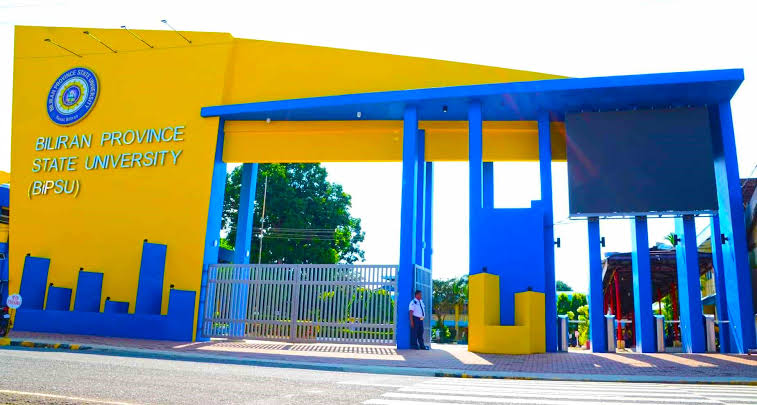
The reminder comes as the university seeks to reinforce safety, discipline, and accountability within its campuses and ensure that all members of the academic community understand the consequences of conduct that could put others at risk. According to the BiPSU Student Handbook, brutal or cruel acts, including hazing or any form of conduct that tends to threaten or endanger the health and safety of any person inside school premises, are classified as serious violations.
The handbook specifically identifies such conduct under Section 22.1.1.2.4, which covers brutal and cruel acts such as hazing and other behavior that threatens or endangers the health and safety of individuals within the university.
For a first offense, Section 22.1.1.2.4.1 provides for expulsion from the university as the prescribed penalty. BiPSU stressed, however, that disciplinary sanctions are subject to due process, meaning that any student accused of violating university rules must be given the appropriate opportunity to respond to the allegations and undergo the required disciplinary proceedings before a final decision is made.
READ OTHER ARTICLES:
- BiPSU Warns Students After Incident, Citing Strict Handbook Safety Rules
- 4 Patay, 17 Sugatan sa Truck Accident sa Silago, Southern Leyte
- Pro-Duterte Vlogger Binaril at Napatay Habang Nagmamaneho sa Surigao del Sur
- Dalawang Estudyante Nasawi sa Fun Run sa Cauayan City
- Macalintal Eyes Supreme Court Challenge Over BSKE Postponement
- GMA News Binatikos sa Panayam kay Gracioso sa ₱2-Bilyong Alegasyon sa mga Duterte
- Sara Duterte Itinangging Tumanggap ng Pera Mula sa Nagpakilalang Bagman ni Velasco
The university’s reminder underscores the seriousness with which it treats incidents involving student safety and welfare. It also serves as a warning that actions that place other students, faculty members, employees, or visitors in danger will not be taken lightly. The administration called on the entire BiPSU community, particularly students, to exercise responsible behavior, respect university rules, and remain vigilant in helping maintain a safe and peaceful learning environment.
As a state university committed to education and public service, BiPSU emphasized the importance of collective responsibility in protecting the welfare of everyone within its premises. The administration’s latest reminder reinforces that maintaining a safe campus is a shared responsibility and that violations involving the safety of others can carry serious consequences under university regulations.
Viral Post Sparks Debate Over Student Discipline and School Safety
A social media post reflecting on an alleged classroom incident involving threats of violence has sparked a discussion about changing student behavior, discipline, and the safety of teachers and classmates. The post contrasts present-day concerns over threats against teachers and students with the harsher disciplinary practices experienced by previous generations.
The post, written in a conversational and nostalgic tone, described a situation in which a student allegedly threatened to shoot a teacher after being reprimanded in front of classmates and reportedly threatened to involve other students if the teacher did not leave the classroom.
The writer expressed concern over what was described as a troubling change in student behavior while acknowledging that the criticism does not apply to all young people.
The post then recalled the discipline that some students experienced in previous generations, including being required to stay under the heat of the sun, receiving physical punishment for failing to perform assigned tasks, kneeling while carrying books, having their ears pulled, being struck with an eraser, and being reprimanded for making excessive noise.
It also mentioned other forms of discipline that the writer said were common in the past, including being made to perform squats, having their hair pulled, and being locked inside a classroom.
The writer recalled that students in those years often did not report such incidents to their parents because they feared receiving additional punishment at home.
These contrasting experiences prompted a broader question about how discipline has changed over the years and whether the methods used by schools and families today have become too lenient or simply reflect a greater emphasis on children’s rights and protection.
While the post reflects one person’s memories and opinions, the issue it raises touches on a much wider discussion surrounding classroom discipline. Schools today are expected to maintain order while also protecting students from physical punishment, intimidation, bullying, and other forms of abuse.
At the same time, threats involving firearms or other forms of serious violence cannot simply be dismissed as ordinary disciplinary problems. Any credible threat against a teacher, student, or school community requires appropriate attention from school authorities and, when necessary, law enforcement and other responsible agencies.
The debate also highlights the difficult position of teachers, who are expected to maintain discipline and ensure a safe learning environment while operating within policies designed to protect students and educators alike.
For many older Filipinos, stories of strict classroom discipline evoke memories of a very different educational environment. But while some may remember those experiences as lessons in respect and obedience, others argue that discipline should never depend on physical punishment, humiliation, or fear.
The challenge for schools today is to strike a balance between firm discipline and the protection of students’ rights while ensuring that teachers are likewise protected from threats, intimidation, and violence.
Ultimately, the conversation goes beyond comparing generations. It raises an important question for schools, parents, and communities: How can young people be taught respect, responsibility, and self-discipline without allowing violence or threats to become part of the learning environment?
- BiPSU Warns Students After Incident, Citing Strict Handbook Safety Rules

- 4 Patay, 17 Sugatan sa Truck Accident sa Silago, Southern Leyte

- Pro-Duterte Vlogger Binaril at Napatay Habang Nagmamaneho sa Surigao del Sur

- Francis Leo Marcos Arrested Again Over Three Cyberlibel Cases

- Dalawang Estudyante Nasawi sa Fun Run sa Cauayan City
- Housing Fury Erupts Across Spain as Protesters Clash With Police