A 28-year-old laboratory technician died of severe pneumonia at a Siberian institute built to fight plague, and the world is asking whether Russia is telling the whole truth. Moscow insists there is no confirmed outbreak, but the secrecy surrounding the death has fueled fear far beyond its borders.
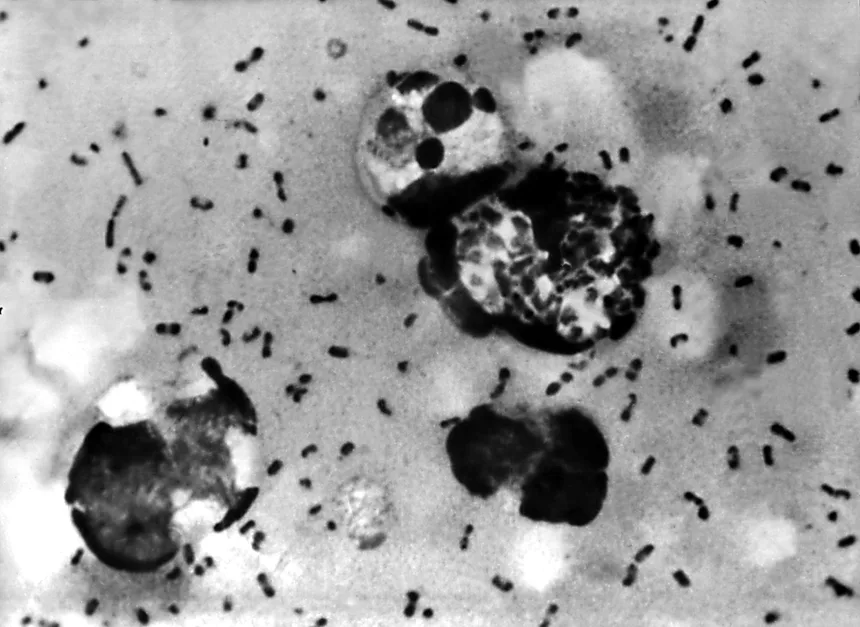
MOSCOW, Russia — A 28-year-old laboratory technician, Darya Shipilova, died on October 2 at the Irkutsk Anti-Plague Research Institute in Siberia, and Russian officials insist the cause was severe pneumonia, not plague. Yet reports of security agents, deleted warnings and a mass quarantine have pushed the world to ask whether Moscow is hiding the truth about a disease that once killed millions.
Russian news media reported that Shipilova was hospitalized in early October 2026 with a severe respiratory illness and died soon after. Unconfirmed local accounts said she fell ill following an accident involving live bacteria at her workplace. Officials have maintained that there is no confirmed plague outbreak, and the government has described her death as pneumonia of unknown origin.
READ OTHER ARTICLES:
- Francis Leo Marcos Arrested Again Over Three Cyberlibel Cases
- Housing Fury Erupts Across Spain as Protesters Clash With Police
- The Timeless Bond and Contemporary Crossroads of Philippines–China Relations
- Italy’s Fideuram Bank Loses €95 Million in AI Voice Scam
- CHINA: Commemorating the Spirit of the Long March, 90 Years of Resilience and Triumph
The World Health Organization responded on its official website, where Director-General Tedros Adhanom Ghebreyesus said Russian health authorities had reported no confirmed plague cases. The agency assessed the public health risk to the general population as low. Even so, the United States and the WHO asked Moscow for more data and greater transparency, while neighboring Central Asian countries tightened border and health checks as a precaution.
There is no evidence that Russia created a new strain of plague or that it is developing a biological weapon at the facility. Experts and health organizations note that Yersinia pestis, the bacterium that causes plague, occurs naturally in wild animals and rodents across Siberia and Mongolia. Institutes such as the one in Irkutsk typically study natural epidemics in order to develop vaccines and treatments, which is the very purpose of an anti-plague institute.
Still, suspicion that the Kremlin is concealing or downplaying the incident remains strong among many observers abroad, and the official explanation sits uneasily with what has emerged. While the government calls the cause unknown pneumonia, local doctors and independent reports have openly referred to pneumonic plague. Federal Security Service agents were reportedly seen escorting ambulances carrying patients, a level of security attention that is unusual for an ordinary respiratory illness. Some local officials posted public warnings urging people to avoid the affected area, only for those messages to be quickly removed. Experts also question why nearly 200 people were placed under strict isolation and several local hospitals were locked down if this was only common pneumonia.
Moscow has responded by blaming the messenger. Kremlin spokesman Dmitry Peskov said the media were reporting all kinds of things and insisted that the overwhelming majority of what has been published about the situation is false information. The government told citizens not to listen to rumors and speculation circulating in the press and online, and to rely only on official statements from Rospotrebnadzor, Russia’s health watchdog.
Critics say the pattern of censorship adds to the doubt rather than easing it. Earlier reports from some local media, along with posts by regional officials that used the word “plague,” were reportedly deleted or edited under pressure before the Kremlin issued its formal denial. One example was a post by the governor of neighboring Buryatia, which was altered to add the word “possible” before the discussion was silenced altogether.
The world is left with a death, a denial and a wall of official silence. Until Russia shares verifiable laboratory data, the question of what truly killed Darya Shipilova, and whether anyone else is at risk, remains unanswered.
Pneumonic Plague Can Kill Within Days but Early Treatment Saves Lives
Pneumonic plague, the deadliest and fastest-spreading form of plague, is a lung infection that can kill within days if left untreated. Health authorities stress that the disease is treatable and that the first 24 hours after symptoms appear can be critical to a patient’s survival.
According to the World Health Organization, pneumonic plague is caused by the bacterium Yersinia pestis and is the most dangerous and rapidly transmitted form of the disease. It is also the only form of plague that can spread directly from one person to another, which is why health officials treat even a single suspected case with urgency.
The infection can spread through the air. When an infected person coughs or sneezes, tiny droplets of saliva and respiratory fluid are released, and people standing close enough to inhale them can become infected. The disease can also develop within the body. When the more familiar bubonic or septicemic forms of plague are left untreated, the bacteria can spread through the bloodstream and reach the lungs, turning a less immediately dangerous illness into a far more serious infection.
The speed at which the disease can progress is what makes it particularly dangerous. Symptoms can appear as soon as 24 hours after exposure and may develop within a few days. Patients may experience a sudden high fever, shaking chills, a severe headache and extreme fatigue. As the infection progresses, it can affect the lungs, causing chest pain or tightness and rapid, labored breathing. A cough may follow, producing sputum that can be bloody or watery, a sign that the infection has reached the lungs.
The consequences of delaying treatment can be severe. The United States Centers for Disease Control and Prevention warns that pneumonic plague can be fatal within a few days if treatment is not started promptly. However, the disease is treatable. Yersinia pestis is a bacterium, not a virus, and therefore can be treated with antibiotics. Treatment is most effective when antibiotics are started as soon as possible after symptoms appear. Early treatment can make the difference between recovery and death. Antibiotics may also be given to people who have been exposed to the infection to help prevent them from developing the disease.
For that reason, anyone who develops a sudden fever, chest pain or tightness, difficulty breathing or a bloody cough particularly after close contact with a suspected or confirmed caseshould seek medical attention immediately rather than waiting to see whether the symptoms disappear. The message from health authorities is both a warning and a reassurance. Pneumonic plague is one of the most serious forms of plague, but it is treatable when detected and treated promptly. Recognizing symptoms early, seeking medical care without delay and following medical advice remain the strongest defenses against a disease that can progress rapidly but can be stopped with appropriate treatment.
Pneumonic Plague Fear in Siberia Puts Asia, Europe on High Alert
A suspected outbreak of pneumonic plague in Irkutsk, Siberia, has set off a rapid wave of precautionary measures across Asia, Europe and the United States. Governments from Central Asia to Southeast Asia have activated health protocols and tightened screening at their borders, even as officials stress that the risk of spread remains low.
Russia’s immediate neighbors in Central and East Asia were the first to act, since their long shared borders make them the most exposed. Kazakhstan launched strict sanitary and quarantine controls along its vast land frontier with Russia, using thermal imaging to check the temperature of travelers crossing over. Mongolia’s Ministry of Interior has described the danger as low, but it has nonetheless directed its agencies to carry out health monitoring at border crossings. Kyrgyzstan and Tajikistan placed all regional ports of entry on high alert, with individuals, buses and cargo now being inspected. Their health facilities were also told to prepare isolation protocols for patients showing high fever or lung-related symptoms, while Uzbekistan raised the alert level of its health services to ensure readiness for highly infectious diseases.
Concern has also reached Southeast Asia, despite the great distance from Siberia. Indonesia’s Ministry of Health announced tighter health surveillance at its international airports and seaports to keep the disease from entering the country. In the Philippines, the Department of Health said it is closely monitoring the situation and has urged stronger airport surveillance for travelers with respiratory symptoms. Infectious disease expert Dr. Rontgene Solante sought to reassure the public, saying the country is safe because the particular rodent species that carries the bacteria is not found in the Philippines.
Further west, the United States Embassy in Moscow issued a health alert advising Americans in Russia to monitor their health, avoid facilities in Irkutsk, and leave the country as soon as possible if they are able. Russia already carries a Level 4 “Do Not Travel” advisory from Washington, and the Centers for Disease Control and Prevention is reportedly studying the reports. In Europe, the European Commission’s Health Security Committee in Brussels convened a meeting to discuss the Siberian situation. The European Centre for Disease Prevention and Control considers the chance of the disease reaching Europe to be very low, partly because travel has been limited by the war in Ukraine, yet it continues to coordinate with the World Health Organization to stay prepared.
- Russia Denies Plague as Lab Worker Dies, World Demands Answers
- The Life and Legacy of St. Aurea, Martyr of Ostia
- Mary, mother of Jesus Christ

- Psalm 91: Finding Refuge and Strength in God’s Protection
- Has the “Godfather of AI” Geoffrey Hinton Come to Regret Creating Artificial Intelligence?

- Retiradong mag-asawa pinaslang sa loob ng kanilang bahay sa Banisilan