
A proposed high-technology investment project known as Pax Silica has become one of the most controversial development initiatives being discussed in the Philippines, with environmental advocates, indigenous communities, labor groups, and political observers expressing strong reservations over its potential long-term impact on the country’s sovereignty, natural resources, and economic future. While government agencies have promoted the project as a landmark opportunity that could transform the Philippines into a regional hub for artificial intelligence infrastructure and semiconductor-related industries, critics argue that the promised benefits may come at an enormous cost—one that could leave ordinary Filipinos carrying the burden while foreign investors reap the greatest rewards.
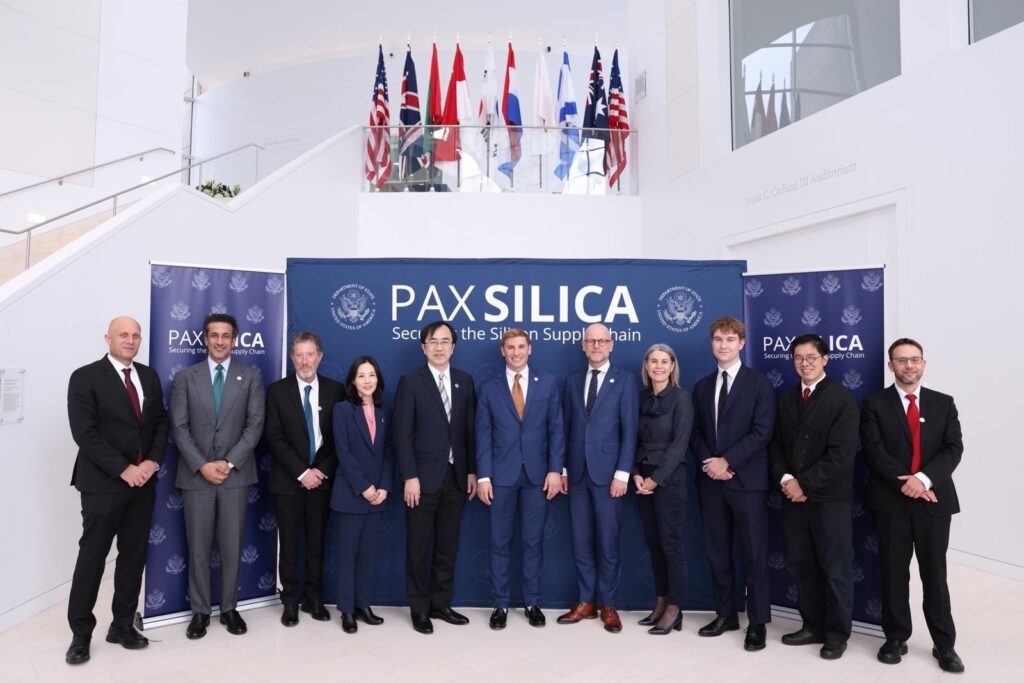
Supporters of the initiative, including the Bases Conversion and Development Authority (BCDA), have presented Pax Silica as a strategic investment that could attract billions of dollars in foreign capital, generate employment, and strengthen the country’s role in the rapidly expanding global AI and semiconductor supply chain. The project is reportedly envisioned for New Clark City in Tarlac, where advanced AI data centers, semiconductor facilities, and related technology infrastructure would be established.
However, numerous organizations and advocacy groups contend that the economic narrative surrounding the project fails to fully address its potential social, environmental, and geopolitical consequences. They argue that development should not come at the expense of the country’s ecological sustainability, local communities, and national interests.
READ MORE OTHER ARTICLES
- No to Pax Silica’ in the Philippines as Critics Raise Concerns Over Sovereignty, Environment, and Economic Benefits

- Israel 2026 legislative election
- Dharmendra Pradhan |Minister, Education, Lawyer, Biography, & Career
- Sara Duterte Witness Says OVP Used Gym Bags for ₱500 Million
- Beyond the Applause: The Issues Left Unspoken in President Marcos’ Fifth State of the Nation Address
- Is it SONA or SANA for the 2026 presidential address in the Philippines?
- What is Pax Silica, what is its purpose in the Philippines?
- Risa Hontiveros Warns of Nuclear Waste Risks as Zubiri Backs Marcos’ Nuclear Energy Push






Among the most significant concerns is the project’s projected environmental footprint. Critics point to estimates suggesting that AI data centers planned for the development could require approximately five million gallons of water every day to cool thousands of high-performance computing systems. Environmental organizations warn that such an enormous demand for water could place severe pressure on local water supplies, particularly during periods of drought or below-average rainfall. Farmers who depend on irrigation for agricultural production, along with nearby communities that rely on groundwater and local reservoirs, could face increasing competition for one of the country’s most essential natural resources.
Beyond water consumption, environmental advocates have also questioned the amount of land that could be transformed into industrial facilities. Depending on future phases of development, thousands of hectares of land could reportedly be converted into industrial zones, potentially affecting forests, wildlife habitats, and agricultural areas. Conservation groups have warned that extensive land conversion could contribute to biodiversity loss, increased flooding risks due to reduced vegetation, and additional environmental pressures associated with industrial activity, including noise pollution and waste management challenges.
Another major issue raised by critics involves the possible displacement of indigenous communities and farmers. Indigenous Aeta groups in Central Luzon have expressed concern that the expansion of large industrial developments may overlap with ancestral lands that have long served as their home, cultural heritage, and primary source of livelihood. Human rights advocates argue that any development affecting indigenous territories must undergo meaningful consultation and comply with legal protections for indigenous peoples’ rights. Farmers likewise fear that productive agricultural land could gradually be replaced by industrial infrastructure, reducing local food production while forcing rural families to seek alternative livelihoods.
Labor organizations and economic analysts have also questioned whether the jobs promised by the project would truly deliver long-term economic transformation. Some critics argue that while employment opportunities may increase, many of these positions could involve lower-value manufacturing processes such as chip assembly, packaging, logistics, and routine production work. They contend that the highest-paying positions including advanced semiconductor design, artificial intelligence research, intellectual property development, and executive decision-making may remain concentrated within foreign corporations rather than being transferred to the local workforce. If this scenario materializes, they argue, the Philippines could once again provide labor while more profitable segments of the technology industry remain overseas.
The project’s anticipated electricity demand has become another point of debate. AI data centers are recognized globally as among the most energy-intensive industrial facilities due to the continuous operation of thousands of servers requiring both electricity and cooling systems. Energy experts have noted that unless substantial new power generation capacity accompanies such developments, increased industrial demand could place additional strain on the country’s electrical grid. Consumer advocates worry that rising demand may eventually contribute to higher electricity costs if energy supply fails to keep pace.
Beyond environmental and economic questions, Pax Silica has also entered the broader discussion surrounding international geopolitics. Analysts note that the global semiconductor industry has become increasingly intertwined with strategic competition between the United States and China. Because semiconductor manufacturing and AI infrastructure are viewed as critical to national security and technological leadership, several countries have sought to strengthen supply chains outside China. Critics argue that if the Philippines becomes deeply integrated into an American-led technology initiative, the country could find itself caught in the broader strategic rivalry between the world’s two largest economies. Some observers fear this alignment could expose Philippine industries to economic retaliation, trade restrictions, or diplomatic pressures depending on future developments in U.S.-China relations.
One of the most widely discussed allegations surrounding Pax Silica involves claims that the project may operate under a unique legal framework or special economic arrangements that could significantly limit the Philippine government’s regulatory authority. Critics have expressed concern that if any investment agreement were to provide exemptions or privileges beyond those normally granted under Philippine law, questions regarding national sovereignty, taxation, environmental regulation, labor standards, and government oversight could arise. These concerns have fueled public debate over whether foreign investors should be permitted to operate under rules perceived to differ from those applied to domestic businesses.
As of now, publicly available information should be carefully distinguished from confirmed provisions and allegations. Any claim that a company would possess its own “laws” or be entirely beyond the jurisdiction of the Philippine government would require verification through official agreements, legislation, or government documents. Even within special economic zones, companies generally remain subject to Philippine laws, although certain tax incentives, customs rules, or administrative arrangements may apply under existing legal frameworks. Whether Pax Silica would involve additional or exceptional legal privileges remains a matter requiring transparency and official clarification.
Taxation has likewise become a point of public discussion. Critics argue that generous investment incentives, if granted, could reduce government revenues while requiring the public to shoulder the costs of expanded infrastructure, utilities, and environmental management. They contend that the economic returns must be carefully weighed against potential long-term public expenditures to determine whether the overall benefits justify the concessions provided to investors.
Government officials, meanwhile, continue to emphasize the project’s potential to generate employment, attract foreign investment, modernize infrastructure, and position the Philippines as an emerging player in one of the world’s fastest-growing technology sectors. Supporters argue that participation in the global AI and semiconductor industry could create opportunities for technology transfer, industrial upgrading, and economic diversification if managed effectively.
The debate surrounding Pax Silica ultimately reflects a broader national conversation about the future direction of Philippine development. For many Filipinos, the central question is not whether foreign investment should be welcomed, but rather under what conditions it should proceed. Citizens, environmental advocates, business leaders, labor organizations, indigenous communities, and policymakers continue to call for greater transparency regarding the project’s legal framework, environmental impact assessments, labor commitments, taxation policies, and safeguards for affected communities.
As discussions continue, many stakeholders maintain that any investment of this magnitude should uphold the principles of environmental sustainability, respect for indigenous rights, national sovereignty, economic fairness, and public accountability. Whether Pax Silica ultimately becomes a model for technological progress or remains a source of controversy will largely depend on how these concerns are addressed through transparent governance, public consultation, and adherence to Philippine law.
Marcos Administration Backs Pax Silica as Multi-Billion-Dollar Semiconductor Initiative Promises Economic Gains While Sparking Sovereignty and Environmental Debate
The administration of President Ferdinand “Bongbong” Marcos Jr. has thrown its support behind the proposed Pax Silica initiative, viewing the ambitious semiconductor and artificial intelligence manufacturing program as a transformative opportunity that could redefine the Philippines’ position in the global technology industry. Government officials believe the project represents far more than another foreign investment package—it is seen as a strategic pathway toward industrial modernization, technological advancement, and stronger economic resilience amid intensifying geopolitical competition in the Indo-Pacific.
At the center of the government’s optimism is the prospect of attracting an unprecedented wave of foreign direct investment. Plans associated with Pax Silica envision the establishment of a 4,000-acre AI-native industrial acceleration hub within New Clark City, Tarlac, under the broader Luzon Economic Corridor initiative. Philippine officials expect the development to attract between $40 billion and $70 billion in investments from the United States and partner nations, potentially making it one of the largest technology-focused investment projects in Philippine history. Such capital inflows are expected to stimulate infrastructure development, encourage technology transfer, and strengthen the country’s long-term industrial competitiveness.
The administration also sees Pax Silica as a catalyst for creating thousands of high-value employment opportunities. Rather than relying primarily on traditional manufacturing, the envisioned industrial hub would require skilled professionals in semiconductor engineering, artificial intelligence, software development, advanced manufacturing, logistics, and research and development. Government leaders believe these industries could provide better-paying careers for Filipino workers while helping reduce the country’s dependence on lower-value manufacturing activities.
Beyond employment, officials emphasize that Pax Silica aligns with the government’s broader objective of upgrading the Philippines’ role in the global semiconductor supply chain. For decades, the country has been recognized mainly for semiconductor testing, assembly, and packaging. Through new investments and advanced manufacturing facilities, policymakers hope the Philippines can gradually expand into higher-value activities such as integrated circuit design, microchip development, advanced semiconductor fabrication support, and AI-driven manufacturing technologies. Such a transition could significantly enhance the country’s competitiveness in one of the world’s fastest-growing industries.
Another strategic consideration involves the Philippines’ rich mineral resources. The country possesses significant reserves of nickel, copper, and zinc critical materials used in semiconductor production, battery manufacturing, artificial intelligence infrastructure, and green technology. Government officials argue that participating in initiatives such as Pax Silica could allow the Philippines to capture greater value from these natural resources rather than serving merely as a supplier of raw materials. Instead, policymakers envision integrating the nation’s mineral wealth into a more sophisticated domestic manufacturing ecosystem capable of producing higher-value technology products.
The Marcos administration likewise views Pax Silica through the lens of national security and foreign policy. The initiative has been described by the U.S. Mission to ASEAN as “a new kind of international grouping and partnership” focused on strengthening trusted technology supply chains among allied nations. Philippine officials believe participation could diversify the country’s access to advanced technologies while reducing vulnerabilities arising from disruptions in global semiconductor production. The project also complements the administration’s broader strategy of strengthening cooperation with the United States and regional partners such as Japan, South Korea, and Australia on economic, technological, and security matters.
Supporters argue that strengthening trusted semiconductor supply chains has become increasingly important as geopolitical tensions reshape global manufacturing networks. By positioning itself as a reliable destination for advanced technology investments, the Philippines hopes to attract industries seeking stable production bases outside heavily concentrated manufacturing centers.
Despite these anticipated economic and strategic benefits, Pax Silica has also generated significant public debate. Various organizations have raised concerns regarding the project’s potential impact on Philippine sovereignty, environmental protection, indigenous communities, and access to essential natural resources. Critics have questioned whether large-scale foreign-backed industrial developments could increase pressure on electricity generation, water supply systems, and agricultural lands surrounding proposed project sites.
Particular attention has been directed toward communities in Tarlac, including indigenous Aeta groups whose ancestral domains and livelihoods may be affected by major industrial expansion. Some organizations have called for comprehensive environmental impact assessments, meaningful consultations with affected communities, and legally binding safeguards to ensure that development proceeds without violating indigenous rights or causing irreversible ecological damage.
Environmental advocates have likewise emphasized the need for strict compliance with Philippine environmental regulations. They argue that any large-scale semiconductor manufacturing ecosystem should adhere to rigorous standards governing industrial emissions, hazardous waste management, water consumption, land use, and resource conservation. They contend that economic growth should never come at the expense of environmental sustainability or public welfare.
The debate surrounding Pax Silica ultimately reflects the complex choices facing nations competing in the rapidly evolving global technology economy. Advocates view the initiative as a historic opportunity to transform the Philippines into a major player in advanced manufacturing, attract billions in investment, create high-quality jobs, and strengthen technological capabilities. Meanwhile, critics caution that success will depend not only on the scale of foreign investment but also on the government’s ability to uphold Philippine laws, protect the environment, safeguard indigenous communities, and ensure that national interests remain paramount.
Whether Pax Silica ultimately becomes a landmark success or a source of long-term controversy will largely depend on how effectively the government balances economic ambition with transparency, environmental stewardship, regulatory enforcement, and the protection of Philippine sovereignty. As discussions continue, the initiative stands as one of the country’s most closely watched industrial and geopolitical developments, with implications that could shape the Philippine economy and strategic position for decades to come.