Indian activist Sonam Wangchuk ended his 26-day hunger strike on Friday after reaching an understanding with government officials, but the nationwide “Cockroach” protest movement showed no signs of slowing down as thousands of demonstrators vowed to continue their campaign for education reforms and the resignation of Education Minister Dharmendra Pradhan. Despite new promises from Prime Minister Narendra Modi to strengthen laws against examination paper leaks, protesters say their broader demands for accountability, transparency, and justice remain unmet.
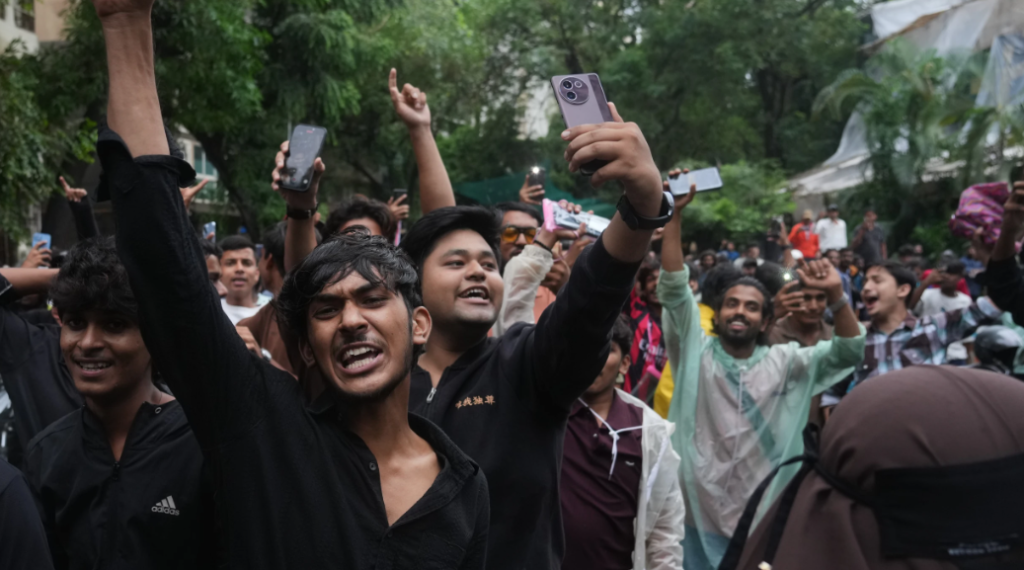
Indian activist Sonam Wangchuk ended his 26-day hunger strike on Friday after negotiations with senior government officials, but the nationwide protest movement that his fast helped energize vowed to continue until India’s education minister steps down.
Wangchuk’s hunger strike became a powerful symbol of India’s growing “Cockroach” protest movement, which began more than a month ago over allegations of examination paper leaks that undermined some of the country’s most competitive entrance tests. What started as a campaign demanding fair and transparent examinations has since evolved into one of the largest and most sustained public demonstrations against Prime Minister Narendra Modi’s government in recent years.
The movement has drawn thousands of students, young professionals, parents, educators, and activists into the streets of New Delhi and major cities across India. Protesters say the controversy surrounding examination leaks reflects deeper concerns over unemployment, unequal opportunities, government accountability, and the future of millions of young Indians struggling to secure education and jobs.
- Global Tourism Rebounds Strongly As Fastest Growing Destinations Welcome More Visitors Worldwide

- Indian Activist Sonam Wangchuk Ends 26-Day Hunger Strike as ‘Cockroach’ Protests Intensify
- Young Filipino Baseball Stars Shock Powerful Japan With Historic Championship Victory Together
- REGION 2 PASSERS June 2026 Fire Officer Exam (FOE) Results
- Isang Patay Tatlong Sugatan Matapos Magbanggaan Dalawang Motorsiklo Sa Dagami Leyte
- Mali, Algeria Restore Diplomatic Relations, Ending Yearlong Airspace and Ambassador Dispute


Although Wangchuk announced the end of his fast, protest leaders made it clear that the demonstrations are far from over. Organizers reiterated that they will continue nationwide rallies until Education Minister Dharmendra Pradhan resigns, arguing that meaningful accountability has yet to be achieved.
In a statement posted on X, Wangchuk said he decided to end his fast in the presence of two federal ministers following appeals from dozens of members of Parliament and after lengthy negotiations over several conditions. He explained that concerns about possible violence across the country also influenced his decision, though he did not disclose further details of the discussions.
The protests have intensified following violent confrontations between demonstrators and police earlier this week. Thousands attempted to march toward Parliament in New Delhi, where security forces used tear gas and batons to disperse the crowds. Images of students being beaten by police quickly spread across social media, prompting protest organizers to call for nationwide solidarity demonstrations.
Abhijeet Dipke, founder of the satirical Cockroach Janta Party, which has played a central role in organizing the movement, said Wangchuk’s decision to end his fast would not weaken the campaign. Instead, he described it as the beginning of a renewed phase of public action.
“We won’t let Sonam sir’s sacrifice go in vain,” Dipke said, urging supporters across India to continue peaceful demonstrations until the protesters’ demands are met.
The movement derives its unusual name from a controversial remark made by India’s chief justice, who compared some unemployed young people to cockroaches during legal proceedings. Protesters embraced the label as a symbol of resilience and transformed it into a nationwide campaign calling for dignity, transparency, and equal opportunities for students.
Facing mounting public pressure, Prime Minister Narendra Modi addressed the protests publicly for the first time a day before Wangchuk ended his fast. The prime minister announced plans to establish fast-track courts to prosecute cases involving examination paper leaks and pledged to introduce legislation in Parliament designed to strengthen penalties against those responsible for compromising national examinations.
However, the government’s announcements failed to satisfy demonstrators, who argue that legal reforms alone do not address broader concerns about accountability within the education system. Protesters continue to demand comprehensive examination reforms, the resignation of senior officials they believe failed to prevent the leaks, and compensation for the families of students who reportedly died by suicide following the examination controversies.
For many participants, the movement has grown beyond the issue of examination integrity. It has become a wider expression of frustration among India’s youth over limited employment opportunities, economic uncertainty, and what they describe as a lack of accountability from public institutions.
As Wangchuk steps away from his hunger strike, organizers insist that the momentum generated during the past 26 days will continue. With nationwide demonstrations planned and public support remaining strong, the “Cockroach” protests appear poised to remain one of the most significant challenges to the Indian government in recent years, highlighting growing demands for transparency, fairness, and meaningful reforms in the country’s education system. / aptikons