International tourism continued its strong recovery in 2025 as more than 1.5 billion people traveled abroad, according to the United Nations World Tourism Organization (UN Tourism). Global international arrivals increased by 4% compared to 2024, bringing the travel industry close to the steady growth levels seen before the COVID-19 pandemic. Several countries recorded remarkable increases in tourist arrivals, driven by improved connectivity, relaxed travel restrictions, stronger economies, and growing interest in cultural, historical, and nature-based destinations.
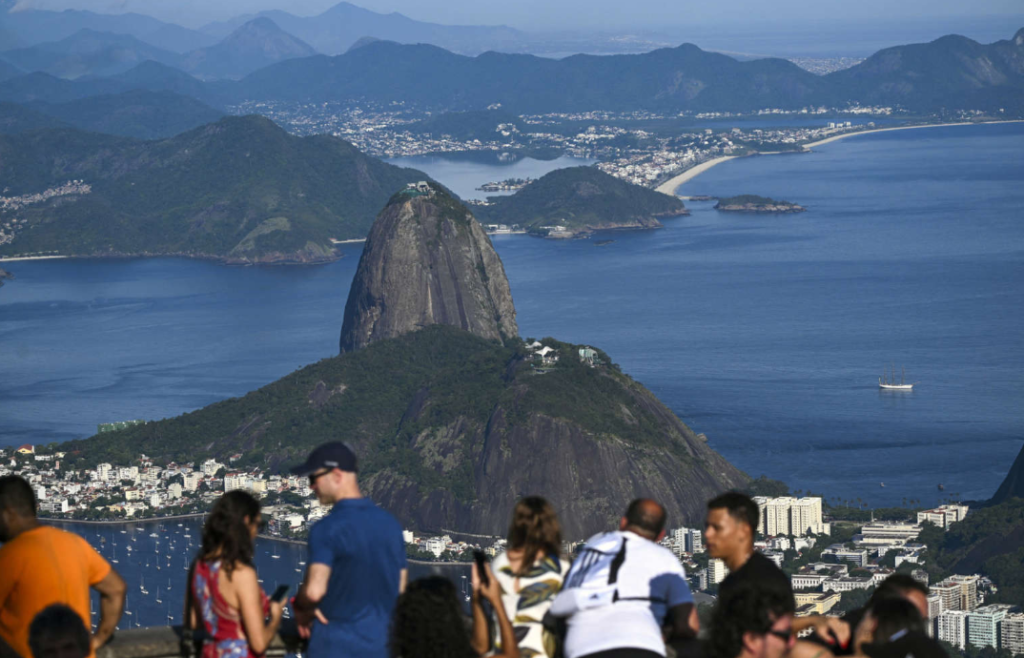
Global tourism has continued its remarkable recovery in 2025, signaling that the travel industry has largely bounced back from the challenges brought by the COVID-19 pandemic. Millions of travelers once again packed airports, boarded cruise ships, explored historic cities, relaxed on tropical beaches, and visited famous landmarks across different continents. According to the latest World Tourism Barometer released by the United Nations World Tourism Organization (UN Tourism), international travel reached another major milestone as more than 1.5 billion international tourist arrivals were recorded during the year.
The report showed that global international tourist arrivals increased by 4 percent compared to 2024. While the growth rate may appear smaller than the sharp rebounds seen immediately after pandemic restrictions were lifted, tourism experts say it represents a return to stable and sustainable expansion similar to the average annual growth recorded between 2009 and 2019, before COVID-19 disrupted the global travel industry.
READ MORE OTHER ARTICLES:
- Global Tourism Rebounds Strongly As Fastest Growing Destinations Welcome More Visitors Worldwide

- Indian Activist Sonam Wangchuk Ends 26-Day Hunger Strike as ‘Cockroach’ Protests Intensify
- Young Filipino Baseball Stars Shock Powerful Japan With Historic Championship Victory Together
- REGION 2 PASSERS June 2026 Fire Officer Exam (FOE) Results
- Isang Patay Tatlong Sugatan Matapos Magbanggaan Dalawang Motorsiklo Sa Dagami Leyte
- Mali, Algeria Restore Diplomatic Relations, Ending Yearlong Airspace and Ambassador Dispute




The continued increase in travelers is being fueled by stronger consumer confidence, expanding airline networks, improved tourism infrastructure, and the reopening of destinations that were previously affected by travel restrictions. More people are once again prioritizing vacations, family reunions, cultural experiences, business trips, and adventure travel as international mobility becomes easier and more accessible.
Tourism remains one of the world’s biggest economic sectors, supporting millions of jobs across hotels, airlines, restaurants, transportation services, tour operators, entertainment venues, and local businesses. The strong recovery is expected to provide additional economic opportunities for countries that rely heavily on visitor spending.
One of the biggest highlights of the latest report is the rapid growth experienced by several destinations that have successfully attracted increasing numbers of international visitors. These countries have benefited from strategic tourism campaigns, investments in infrastructure, improved safety measures, expanded flight connections, and growing global interest in authentic travel experiences.
Many travelers are now looking beyond traditional tourist hotspots and are choosing destinations that offer unique cultural heritage, breathtaking natural scenery, outdoor adventures, and less crowded attractions. This shift in travel preferences has helped several emerging destinations record some of the fastest tourism growth rates in the world.
Island nations known for crystal-clear waters, coral reefs, and tropical landscapes have seen particularly strong growth as tourists continue seeking relaxing beach vacations and eco-tourism experiences. At the same time, historic cities with centuries-old architecture, museums, ancient monuments, and vibrant local traditions have also attracted growing numbers of international visitors eager to experience different cultures.
Adventure tourism has likewise become one of the strongest drivers of international travel. Activities such as hiking, mountain climbing, diving, wildlife safaris, kayaking, cycling, and nature exploration continue to gain popularity among tourists seeking memorable outdoor experiences.
Governments around the world have also introduced policies aimed at making travel easier for foreign visitors. Visa reforms, digital travel systems, improved airport facilities, expanded airline routes, and stronger tourism promotion campaigns have all contributed to higher visitor arrivals.
Several countries have invested heavily in modernizing airports, building new hotels, improving transportation networks, preserving historical landmarks, and protecting natural attractions to accommodate increasing tourist demand while maintaining sustainable tourism practices.
Industry experts say social media has become another powerful factor influencing travel decisions. Beautiful photos and videos shared by travelers on various online platforms have inspired millions of people to visit destinations that were previously less known internationally. Viral travel content has helped boost awareness of hidden gems, cultural festivals, local cuisine, and scenic landscapes.
The growth of remote work has also contributed to tourism expansion. More professionals are combining work and leisure by spending extended periods abroad while working remotely. This trend has encouraged several countries to introduce digital nomad visa programs designed to attract long-term international visitors.
Cruise tourism has also continued its recovery as more cruise ships returned to service and introduced new itineraries covering multiple destinations. Coastal cities and island destinations have benefited significantly from the return of cruise passengers, providing additional income for local businesses and tourism operators.
Airlines have expanded international flight schedules to meet increasing travel demand. New direct routes between major cities have made international travel more convenient while helping travelers reach destinations that previously required multiple connecting flights.
Hotels and resorts have likewise reported strong occupancy levels throughout the year. Many accommodation providers have invested in renovations, upgraded facilities, sustainable practices, and improved customer services to meet changing traveler expectations.
The tourism industry’s recovery has created positive effects across many sectors of the economy. Local farmers supply fresh produce to restaurants, artisans sell handmade crafts to visitors, transportation providers gain additional customers, and entertainment venues benefit from increased tourist spending.
However, tourism officials continue emphasizing the importance of responsible and sustainable tourism. As visitor numbers continue rising, governments and tourism organizations are working to balance economic growth with environmental protection and cultural preservation.
Sustainable tourism initiatives include reducing plastic waste, protecting marine ecosystems, preserving historical landmarks, limiting overcrowding in popular attractions, promoting renewable energy, and encouraging travelers to respect local customs and communities.
Climate change remains one of the biggest long-term challenges facing global tourism. Rising temperatures, extreme weather events, coastal erosion, wildfires, and changing natural environments may affect some destinations in the future. Tourism authorities are therefore investing in climate resilience and sustainable destination management.
Safety and security also remain important priorities. Many destinations continue improving emergency response systems, healthcare services, public transportation safety, and traveler assistance programs to ensure positive visitor experiences.
International sporting events, music festivals, cultural celebrations, food festivals, and global conferences have further boosted tourism by attracting large numbers of overseas visitors. These events not only generate direct tourism revenue but also strengthen a destination’s international reputation.
Economic analysts believe the continued recovery of global tourism reflects improving consumer confidence despite ongoing global economic uncertainties. Many families continue setting aside budgets for travel, viewing vacations as valuable opportunities for relaxation, education, and personal experiences.
UN Tourism officials believe the latest figures demonstrate the resilience of the global travel industry. The organization expects international tourism to continue growing as long as destinations maintain quality services, improve sustainability efforts, and adapt to changing traveler preferences.
Tourism experts also expect technology to play an even greater role in future travel. Artificial intelligence, digital booking platforms, contactless payments, virtual travel planning, smart tourism applications, and personalized travel recommendations are expected to further improve the visitor experience.
As global tourism enters a new phase of steady growth, countries experiencing the fastest increases in visitor arrivals are expected to continue benefiting from stronger economies, increased employment opportunities, and greater international recognition. With more than 1.5 billion international tourist arrivals recorded in 2025 and global travel returning to near pre-pandemic growth levels, the tourism industry has once again proven its importance as one of the world’s strongest drivers of economic development, cultural exchange, and international cooperation. / aptikons