The Catholic Church’s long-standing association with poverty and simplicity stands in sharp contrast to the financial privileges traditionally enjoyed by some of its highest-ranking leaders, a tension highlighted by the late Pope Francis, who rejected a lavish lifestyle, chose to live in a modest Vatican guesthouse, and embraced an austere approach to personal finances.
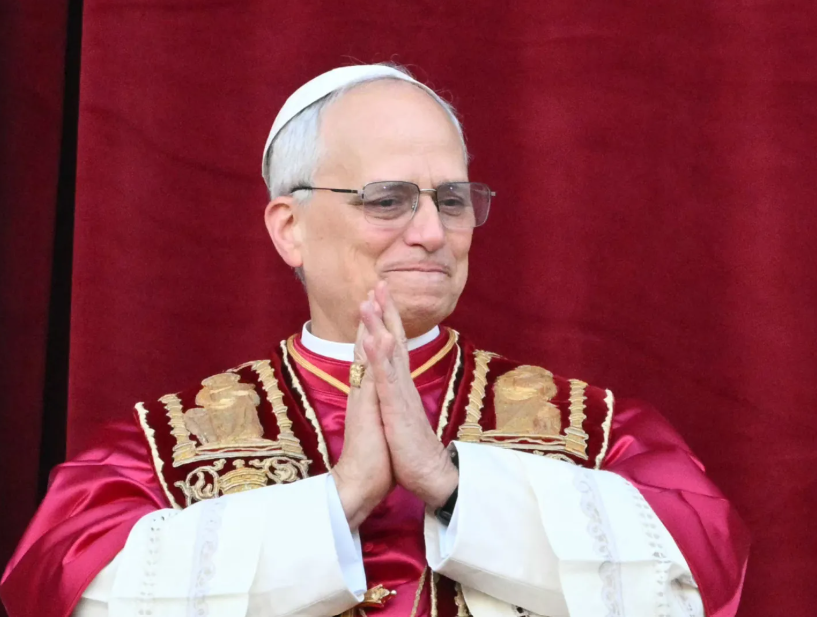
The Catholic Church has long been associated with humility, simplicity, and a commitment to serving the poor. Yet the financial realities surrounding some of its highest-ranking leaders reveal a more complex picture one that has sparked debate over the relationship between the Church’s teachings on poverty and the privileges enjoyed within the Vatican.
Cardinals traditionally receive financial support, live in Vatican-owned residences without paying rent, and benefit from various forms of assistance connected to their official duties. While these arrangements are intended to support their work and responsibilities, they have also raised questions about wealth, privilege, and the Church’s message of simplicity.
The late Pope Francis sought to challenge some of these long-standing traditions through his personal lifestyle and financial decisions. Rather than living in the traditional papal apartments, he chose to reside in the modest Domus Sanctae Marthae guesthouse, where he maintained a considerably more austere way of life.
- Pope Leo XIV Urges Peace as Trump Vows to Intensify U.S. Strikes Against Iran

- The Pope’s Simple Life Contrasts With the Vatican’s Complex Financial Traditions
- Pope Leo XIV’s Call for Peace in Lebanon and the Middle East
- Pope Leo XIV Warns, Prayers of Those Who Wage War Will Not Be Heard
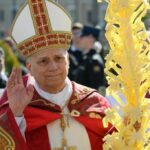
His approach reflected his broader emphasis on humility and concern for the poor. Pope Francis also moved away from the idea of personal financial privilege, choosing not to embrace allowances or benefits that could have supported a more luxurious lifestyle.
How the Pope Is Financially Supported
Unlike ordinary employees, the pope does not receive a conventional salary, paycheck, or personal income. The position is considered a spiritual vocation and a unique religious office rather than a traditional job.
Instead, the Holy See provides for the pope’s essential personal and professional needs. This includes accommodation, food, security, medical care, transportation, and official travel.
For minor personal expenses requiring cash, funds can be made available through the Vatican’s administrative system. The pope’s financial needs are therefore handled through the resources and institutions of the Holy See rather than through a standard personal salary.
The arrangement reflects the unique nature of the papacy. The pope is not expected to build personal wealth through his office, and recent pontiffs particularly Pope Francis have emphasized an austere lifestyle consistent with the Church’s call to humility and service.
His example has helped reignite a broader discussion within the Catholic Church: how can an institution with vast historical and financial resources remain faithful to its teachings on poverty, simplicity, and solidarity with the world’s most vulnerable?
READ: Pope Leo XIV’s Call for Peace in Lebanon and the Middle East
For many observers, the contrast between the Vatican’s institutional wealth and the personal lifestyle of its leaders remains one of the most compelling aspects of the modern papacy. Pope Francis’ decision to live simply demonstrated that, even within one of the world’s most powerful religious institutions, personal choices can send a powerful message about faith, humility, and service.
Pope Francis Chose Simplicity Over Palace Luxury in a Life Devoted to God and the Gospel
Pope Francis became widely known not only for leading the Catholic Church but also for the simple and humble lifestyle he chose to live while serving as the spiritual leader of millions of people around the world. At a time when the papacy is traditionally associated with grand palaces, elaborate ceremonies, and centuries-old symbols of power, Francis deliberately chose a different path—one centered on humility, community, prayer, and service.
Rather than occupying the traditional papal apartments inside the Apostolic Palace, Pope Francis chose to live in a modest two-room suite at Casa Santa Marta, a guesthouse located within Vatican City. His residence, Room 201, became closely associated with his decision to remain connected to ordinary people instead of living in isolation inside a vast and historic palace.
The choice was more than a matter of personal preference. It reflected the way Francis understood his role as a servant of the Church and a shepherd of the faithful. He preferred to live among other clergy, visitors, and guests, maintaining a sense of community and human connection that he believed was essential to his ministry.
At Casa Santa Marta, the pope did not live as a distant figure separated from the daily life of those around him. He shared meals in the guesthouse dining hall and was often surrounded by priests, Vatican workers, visitors, and other guests. His decision to remain in a community setting allowed him to experience a more ordinary rhythm of life, even while carrying the immense responsibilities of the papacy.
His daily routine also reflected the values he repeatedly emphasized throughout his pontificate. Pope Francis celebrated morning Mass, where workers and visitors were able to attend, turning the service into a gathering that brought together people from different backgrounds. His homilies often focused on faith, compassion, humility, forgiveness, and the responsibility of Christians to serve others.
For Francis, prayer was not simply a ceremonial responsibility connected to his position. It was at the center of his life and his understanding of his mission. He repeatedly emphasized the importance of serving God Almighty, remaining close to the teachings of Jesus Christ, and sharing the Gospel with the world.
His personal appearance also reflected his preference for simplicity. Instead of embracing extravagant displays of wealth, Pope Francis was known for wearing a simple iron cross rather than a more elaborate or expensive ornament. His modest choices were seen by many as a visible expression of his belief that the power of the papacy should be measured not by luxury or material possessions, but by service to God and humanity.
His lifestyle stood in contrast to the grandeur of the Vatican itself. The Catholic Church possesses centuries of history, magnificent buildings, priceless works of art, and significant institutional resources. Yet Pope Francis often sought to remind the faithful that the Church’s true mission was not to pursue wealth or privilege, but to bring the message of the Gospel to people, particularly those who were poor, marginalized, suffering, or forgotten.
By choosing to live in a guesthouse instead of the traditional papal apartments, Francis sent a powerful message about the kind of leader he wanted to be. He did not want to be completely removed from the people he served. He preferred the presence of a community, the simplicity of shared meals, and the opportunity to interact with ordinary individuals.
His lifestyle also reinforced his repeated calls for the Church to become closer to the poor and those living on the margins of society. Throughout his papacy, he frequently spoke about poverty, inequality, war, migration, loneliness, and the need for compassion. His personal choices gave additional weight to those messages, allowing many people to see a connection between what he preached and how he lived.
Pope Francis’ approach to the papacy reflected his belief that religious leadership should be grounded in humility. Rather than allowing the grandeur of the position to define him, he sought to present himself as a servant—a person entrusted with the responsibility of guiding the Church, defending the vulnerable, and proclaiming the message of Christianity.
His decision to live simply also became one of the most recognizable symbols of his papacy. The image of the pope eating in a common dining hall, celebrating Mass with Vatican workers and visitors, and wearing modest religious symbols offered a sharp contrast to the traditional image of a powerful religious leader surrounded by ceremony and grandeur.
For Pope Francis, serving God was inseparable from serving people. His commitment to prayer, his dedication to spreading the Gospel, and his preference for a simple way of life reflected his belief that faith must be expressed not only through words but also through action.
His life at Casa Santa Marta therefore became more than a personal living arrangement. It represented a broader vision of the papacy—one in which the pope remained close to the community, lived with humility, and focused his attention on the spiritual mission entrusted to him.
In a world where religious institutions are often judged by their wealth and influence, Pope Francis sought to draw attention back to the essential message of Christianity: faith, compassion, service, and love for others. Through his simple home, modest habits, daily prayers, and commitment to sharing the Gospel, he demonstrated that leadership, in his view, was not about living above the people but serving among them.
Pope Francis’ life and ministry ultimately reflected a deeply personal conviction: that his calling was to serve God Almighty, to remain devoted to prayer, and to share the Gospel with people everywhere. His decision to live simply became a powerful expression of that mission, showing how a leader of one of the world’s most influential religious institutions could choose humility and community over isolation and luxury. / aptikons