The United States is demanding that Iran publicly guarantee the safety of ships transiting the Strait of Hormuz, as Washington pushes to secure one of the world’s most critical maritime trade routes while fragile ceasefire negotiations continue amid reported power struggles within Tehran.
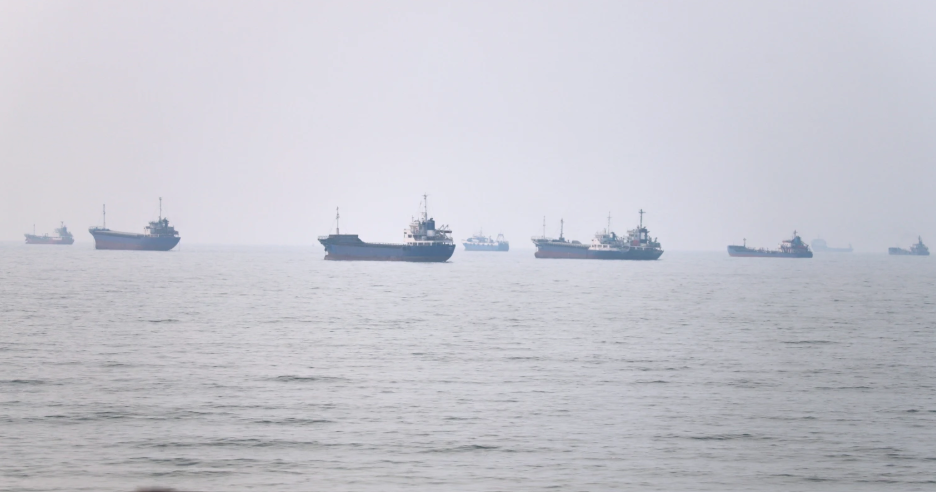
WASHINGTON, USA — U.S. Demands Iran Publicly Guarantee Safety in Strait of Hormuz as Ceasefire Negotiations Continue. The United States has intensified diplomatic pressure on Iran by demanding a public commitment that the strategically vital Strait of Hormuz will remain open and free from attacks on commercial shipping, as negotiations continue to transform a fragile ceasefire into a lasting peace agreement.
Senior U.S. officials, speaking anonymously on Friday due to the sensitivity of ongoing diplomatic discussions, revealed that Washington considers such a declaration essential to restoring international confidence in one of the world’s most important maritime trade routes. The officials said the Trump administration wants Tehran to explicitly assure the international community that vessels navigating the narrow waterway will no longer face military threats or hostile actions.
- Sheikh Mohammed bin Zayed Al Nahyan | Education, Politics, Professional Carrer
- Amando Ligutan | Education, Lawyer, Biography, &Career
- Peter Hayness | Life, Lawyer, ICC, Issue
- Keir Starmer | Life, Education, Public service, Issues
- Victor Glover | Life, Education & NASA Career
The Strait of Hormuz serves as one of the world’s most critical energy corridors, connecting the Persian Gulf to the Gulf of Oman and the Arabian Sea. A substantial portion of global oil exports passes through the passage each day, making its security a matter of international concern. Any disruption to shipping traffic could send shockwaves through global energy markets, increase transportation costs, and threaten economic stability worldwide.
According to the U.S. officials, recent military exchanges between Washington and Tehran have complicated efforts to preserve the temporary ceasefire that was intended to halt escalating hostilities. They alleged that renewed strikes earlier this week were triggered not by Iran’s central negotiating leadership but by what they described as a “rogue faction” of hard-line elements within Iran seeking to undermine the ceasefire and derail diplomatic progress.
The officials suggested that internal divisions within Iran have become one of the greatest obstacles to achieving a durable agreement. They argued that competing political and military factions inside Tehran have made negotiations increasingly unpredictable, raising concerns about whether commitments made during diplomatic talks can be consistently enforced across Iran’s leadership structure.
The uncertainty surrounding Iran’s internal political landscape has reportedly intensified following the deaths of several senior Iranian leaders during the conflict. U.S. officials stated that the military campaign launched jointly by the United States and Israel at the outset of the war significantly altered Iran’s power dynamics, creating an ongoing struggle among competing factions attempting to shape the country’s future direction.
While Washington remains committed to diplomacy, President Donald Trump struck a mixed tone on Friday. In a post on social media, Trump declared that he considers the current interim ceasefire agreement effectively “OVER!” Nevertheless, he emphasized that negotiations with Iran would continue in pursuit of what he described as a permanent end to the conflict.
The administration’s position reflects a strategy that combines diplomatic engagement with continued military readiness. Officials indicated that Trump has given American negotiators only a limited window to secure meaningful concessions from Tehran. At the same time, they stressed that the president retains multiple options should diplomatic efforts fail to produce a lasting settlement.
Among Washington’s primary objectives is ensuring freedom of navigation through the Strait of Hormuz, which remains essential for international trade and energy security. U.S. officials believe that a public statement from Iran guaranteeing the safety of maritime traffic would help reassure shipping companies, insurers, and allied governments that commercial vessels can once again transit the region without fear of attack.
Analysts note that such a declaration would carry symbolic as well as practical significance. Beyond reducing tensions in the Gulf, it could serve as an early confidence-building measure demonstrating Tehran’s willingness to honor future agreements. However, persistent political divisions within Iran could complicate the implementation of any commitments reached at the negotiating table.
The evolving situation highlights the delicate balance facing both nations. While diplomatic channels remain open, continued mistrust, internal political rivalries, and the possibility of renewed military escalation continue to cast uncertainty over prospects for a comprehensive peace agreement.
For now, international observers remain closely focused on whether negotiations can produce concrete assurances that safeguard one of the world’s most strategically important waterways while preventing a return to broader regional conflict.
Iran Seeks Exclusive Control of Strait of Hormuz, Challenging Global Maritime Access
Iran has declared that it intends to exercise exclusive control over the Strait of Hormuz, escalating tensions with the United States and raising fresh concerns about the future of one of the world’s most strategically important maritime corridors.
The announcement comes as Washington intensifies diplomatic efforts to persuade Tehran to publicly guarantee that the Strait of Hormuz will remain open and safe for international shipping following weeks of military confrontation and fragile ceasefire negotiations.
Speaking to reporters at the United Nations, Iran’s Ambassador, Amir Saeid Iravani, firmly rejected the prospect of any foreign involvement in managing the vital waterway. He emphasized that all activities in the strait—including its reopening to commercial traffic and any future demining operations—fall solely under Iran’s jurisdiction.
According to the ambassador, any attempt by outside powers to establish security arrangements or assume operational responsibilities in the Strait of Hormuz would violate the interim understanding reached between Tehran and Washington. He argued that foreign intervention would only delay the restoration of normal commercial navigation, threaten maritime safety, and increase instability across the Gulf region.
Iran’s position directly conflicts with the long-standing international view that the Strait of Hormuz constitutes an international waterway through which commercial vessels enjoy the right of transit passage under international maritime law. For decades, the narrow sea passage has remained one of the world’s busiest energy corridors, carrying approximately one-fifth of globally traded crude oil and liquefied natural gas before the recent conflict disrupted regional shipping.
Adding another layer of controversy, Iranian officials have indicated that vessels passing through the strait should eventually pay transit fees to Tehran, reflecting the country’s assertion that it should exercise primary authority over the waterway. Such a proposal would represent a dramatic shift from decades of international maritime practice and is likely to face strong opposition from major energy-importing nations and global shipping organizations.
Meanwhile, senior U.S. officials said Washington continues pressing Iran to issue a formal public statement guaranteeing that commercial ships can once again pass through the Strait of Hormuz without fear of attack. American officials believe such assurances are necessary to restore confidence among international shipping companies, insurers, and energy markets.
During a briefing with reporters, U.S. officials also disclosed that Iranian representatives privately indicated recent attacks on commercial vessels were unintended and attributed them to hard-line factions operating within Iran. According to the officials, Tehran expressed its desire to continue diplomatic negotiations despite the incidents.
However, U.S. President Donald Trump reportedly rejected any distinction between Iran’s central leadership and the hard-line groups allegedly responsible for the attacks. Administration officials said Trump ordered stronger retaliatory military strikes to demonstrate that any assault on international shipping would carry significant consequences regardless of which faction initiated the action.
The competing narratives illustrate the fragile nature of ongoing negotiations. While both governments have signaled an interest in maintaining diplomatic discussions, their sharply contrasting positions over the future governance of the Strait of Hormuz continue to present a significant obstacle to achieving a broader and more durable agreement.
The stakes extend well beyond the Middle East. The Strait of Hormuz remains indispensable to global energy security, serving as the principal gateway for oil exports from major Gulf producers. Even temporary disruptions to maritime traffic have historically triggered volatility in energy markets and heightened concerns among governments dependent on imported fuel.
During the recent conflict, Iran’s effective control over access to the strait contributed to a sharp spike in global oil prices, with crude briefly climbing to around $120 per barrel as fears of prolonged supply disruptions spread across international markets. Although prices have since retreated following the ceasefire, analysts caution that renewed instability or prolonged disputes over navigation rights could once again unsettle global energy supplies.
Diplomatic observers say the coming weeks will likely determine whether negotiations can bridge the divide between Iran’s demand for exclusive authority and the international community’s insistence on preserving unrestricted navigation through one of the world’s most vital maritime chokepoints.
As both sides continue talks under the shadow of recent conflict, the future of the Strait of Hormuz remains central not only to regional security but also to the stability of the global economy, making every diplomatic development closely watched by governments, shipping companies, and financial markets worldwide.
U.S. Says Any Nuclear Deal Requires Iran to Surrender Enriched Uranium Stockpile
The United States has declared that any future agreement aimed at resolving Iran’s nuclear dispute will require Tehran to surrender its stockpile of highly enriched uranium, setting a firm condition as diplomatic efforts continue alongside mounting military and political pressure in the Middle East.
Senior U.S. officials, speaking to reporters on Friday on the condition of anonymity, said Washington considers the transfer of Iran’s enriched nuclear material a non-negotiable requirement before any comprehensive agreement can be finalized. According to the officials, the United States believes that eliminating Iran’s access to weapons-grade nuclear material is essential to ensuring long-term regional security and preventing the future development of a nuclear weapon.
The officials emphasized that if negotiations fail to produce an agreement requiring Iran to relinquish its enriched uranium, the United States retains military options to ensure the material remains inaccessible. While they declined to elaborate on what those military measures would involve, they indicated that Washington is prepared to act if diplomatic efforts collapse.
According to the U.S. assessment, much of Iran’s highly enriched uranium is believed to remain buried beneath underground facilities that were targeted during American military strikes carried out last summer. The strikes formed part of a broader campaign launched by the United States against Iranian nuclear infrastructure and military installations. Despite the damage inflicted during the operation, U.S. officials continue to view the remaining nuclear material as a critical concern that must be addressed through any future agreement.
Iran has consistently rejected allegations that it seeks to develop nuclear weapons, maintaining that its nuclear program exists solely for peaceful civilian purposes, including electricity generation, medical research, and scientific advancement. Tehran has repeatedly argued that it remains committed to its obligations under international nuclear agreements while insisting that it has the sovereign right to pursue peaceful nuclear technology.
Despite those assurances, Washington maintains that verification measures alone are insufficient without the complete transfer or removal of Iran’s stockpile of highly enriched uranium. U.S. officials argued that allowing Tehran to retain such material would leave open the possibility of rapidly rebuilding a weapons capability should tensions escalate in the future.
The officials also linked any progress on nuclear negotiations to Iran’s compliance with the existing ceasefire agreement. They stated that the United States would refuse to negotiate a broader nuclear settlement unless Tehran first honors its commitments by halting attacks on commercial shipping in the Strait of Hormuz and preventing further violations of the ceasefire.
The security of the Strait of Hormuz remains one of Washington’s highest priorities, given the waterway’s importance to global energy supplies and international commerce. Continued instability in the region has fueled concerns among governments and shipping companies that renewed attacks could disrupt oil exports and increase economic uncertainty across international markets.
The latest conditions outlined by U.S. officials reflect the broader strategic challenges confronting the Trump administration following months of military confrontation with Iran. The conflict began after President Donald Trump ended diplomatic negotiations with Tehran in late February, arguing that Iran was attempting to revive elements of its nuclear program while simultaneously advancing long-range missile development. The administration subsequently launched military operations aimed at weakening Iran’s strategic capabilities and forcing a return to negotiations under stricter conditions.
Although U.S. officials initially anticipated that military pressure would quickly compel Iran to accept Washington’s demands, the conflict has proven more prolonged and politically complicated than expected. Internal divisions within Iran’s leadership, intermittent ceasefire violations, and continued regional tensions have complicated efforts to negotiate a lasting settlement.
At home, President Trump also faces increasing political pressure to bring the conflict to a conclusion. Lawmakers, business leaders, and economic analysts have warned that prolonged instability in the Middle East could continue affecting global energy prices, international trade, and financial markets. The economic consequences have become an increasingly important issue for American voters, particularly as inflation and fuel costs remain sensitive to geopolitical developments.
The ongoing conflict also presents a political test for the administration. During his presidential campaign, Trump repeatedly pledged to avoid lengthy military engagements in the Middle East, promising instead to pursue policies that would strengthen American security while limiting prolonged foreign conflicts. As negotiations continue, the administration now faces the difficult task of balancing military deterrence with diplomatic engagement while seeking an agreement that satisfies both domestic political expectations and international security objectives.
With both sides maintaining firm positions, the prospects for a comprehensive nuclear agreement remain uncertain. Nevertheless, U.S. officials insist that the surrender of Iran’s highly enriched uranium stockpile, combined with full adherence to the ceasefire and guarantees for regional maritime security, will remain central conditions before Washington considers any permanent resolution to one of the world’s most consequential nuclear disputes.
Mystery Airstrikes Deepen Middle East Crisis as Iran Warns Gulf States Over U.S. Ties
The Middle East entered another period of heightened uncertainty after a series of unclaimed airstrikes struck targets across southern Iran only hours after the United States announced it had concluded its military operations, leaving governments and analysts questioning who may now be driving the conflict and whether the fragile path toward diplomacy can still be preserved.
The latest attacks unfolded at a particularly sensitive moment as Iran was preparing to bury its longtime leader, Ayatollah Ali Khamenei, following the devastating conflict that reshaped the country’s political and military leadership. Despite the timing and significance of the strikes, no nation or armed group immediately claimed responsibility, adding another layer of mystery to an already volatile regional crisis.
Iranian authorities stopped short of directly accusing any specific country of carrying out the attacks. However, political leaders in Tehran issued increasingly sharp warnings against regional governments they believe have supported the recent U.S.-led military campaign. Among the strongest statements came from Esmail Kousari, a member of Iran’s parliamentary National Security Committee and a former commander of the paramilitary Revolutionary Guard, who accused the United Arab Emirates of playing a hidden role in assisting the United States during its operations against Iran.
According to Iranian state media, Kousari warned that the Emirates would “pay the price” for what he described as behind-the-scenes cooperation with Washington. Although he offered no public evidence to support the allegation, his remarks reflected growing anger within Iran toward Gulf Arab states perceived as maintaining close security partnerships with the United States.
The accusations emerged as Washington sought to reassure the international community that its own military campaign had ended. Following President Donald Trump’s announcement that U.S. operations were complete and a ceasefire remained the preferred path forward, U.S. Central Command spokesperson Capt. Tim Hawkins said there were “no operational updates,” signaling that American forces had not resumed offensive action despite the renewed explosions inside Iran.
The uncertainty surrounding the strikes has fueled speculation over whether another regional actor, an allied military force, or an independent armed group may have launched the attacks without publicly acknowledging responsibility. Israel, which participated alongside the United States during the conflict with Iran, has not claimed involvement in the latest strikes, while Gulf Arab governments also declined immediate public comment regarding the incident.
Instead of easing tensions, the unexplained attacks appeared to trigger another wave of military escalation. Iran responded by launching a broader barrage of missiles and drones across parts of the Middle East, targeting Bahrain, Jordan, Kuwait, and Qatar. Regional air defense systems were activated across several countries to intercept incoming projectiles, preventing what could have become a far more destructive regional confrontation. Reports indicated that one individual sustained injuries in Kuwait during the defensive operations.
The renewed exchange underscored how quickly the conflict could spread beyond Iran and Israel, threatening neighboring states that have attempted to balance security partnerships with the United States while maintaining diplomatic channels with Tehran.
Even as military tensions intensified, diplomatic efforts continued behind the scenes. Iranian Foreign Minister Abbas Araghchi is scheduled to meet his Omani counterpart in Oman, where discussions are expected to focus heavily on the future of the Strait of Hormuz, one of the world’s most strategically important waterways. The narrow maritime corridor carries a significant share of global oil exports, making its security essential not only for the Gulf region but also for international energy markets.
The meeting has drawn considerable international attention because Oman has long served as a trusted intermediary between Iran and Western governments. Turkish Foreign Minister Hakan Fidan expressed cautious optimism ahead of the talks, saying he believes a workable solution between Iran and Oman could emerge during the weekend discussions.
Meanwhile, the United States continues advising commercial shipping companies and mariners to navigate through the southern route within Oman’s territorial waters whenever possible in order to minimize the risk of confrontation near Iranian-controlled waters. The recommendation reflects ongoing concerns that any misunderstanding or military incident in the Strait of Hormuz could rapidly disrupt global trade and energy supplies.
Regional diplomacy has also intensified among Gulf nations seeking to prevent the crisis from expanding further. United Arab Emirates President Sheikh Mohammed bin Zayed Al Nahyan traveled to Kuwait shortly after Iran’s missile attacks to meet with the country’s ruling emir, highlighting growing coordination among Gulf allies. Foreign ministers across the Gulf also maintained consultations with Qatar, whose leadership has played an increasingly prominent role in facilitating dialogue between Washington and Tehran.
Pakistan has likewise remained engaged in mediation efforts. Prime Minister Shehbaz Sharif disclosed that he held separate conversations with Iranian President Masoud Pezeshkian and Qatar’s Emir Sheikh Tamim bin Hamad Al Thani, emphasizing the urgent need for restraint, continued diplomacy, and a negotiated resolution before the conflict spirals into a broader regional war.
Israel, meanwhile, signaled that it remains prepared for additional military action should hostilities resume. The Israeli government confirmed that Prime Minister Benjamin Netanyahu spoke with President Trump following recent developments, with Trump reportedly briefing the Israeli leader on ongoing American diplomatic and military initiatives across the Gulf region.
Israeli Defense Minister Israel Katz reinforced that message by declaring that Israel would not hesitate to respond if it believed its national security faced renewed threats from Iran.
“If we will have to return, we will return with even greater force,” Katz said during a military ceremony, underscoring Israel’s determination to maintain military pressure if diplomacy fails.
The combination of unexplained airstrikes, retaliatory missile attacks, diplomatic negotiations, and continued military warnings illustrates how precarious the regional situation has become. While multiple governments continue working toward a political settlement, the absence of clear responsibility for the latest attacks raises fears that unidentified actors or competing regional interests could undermine ceasefire efforts and push the Middle East toward another dangerous phase of confrontation. / ap / aptikons
- Hustisya ang Panawagan ng Pamilya ng Grade 4 Student sa Cavite na Pumanaw Matapos ang School Deworming
- Class Suspensions sa Hulyo 13, 2026: Listahan ng mga Lugar na Walang Pasok
- 16-anyos na Estudyante, Nahulihan ng Glock 17 at 32 Bala Bago Pumasok sa Paaralan sa South Cotabato
- Jaz Valdez Natagpuang Patay sa Basey, Samar; Hinihinalang Nasawi sa Aksidente sa Motorsiklo
- Inaasahang Lilikha ng Daan-Daang Libong Trabaho sa Pamamagitan ng AI Industrial Hub sa Ilalim ng Pax Silica Initiative