King Charles III has made history by becoming the first British monarch to publicly disclose his personal tax payments, revealing that he paid £12.9 million in taxes during the 2024–2025 financial year. The unprecedented move marks a significant step toward greater transparency within the British monarchy, while newly released royal accounts also show increased public funding and confirm that the King and Queen Camilla will remain at Clarence House.
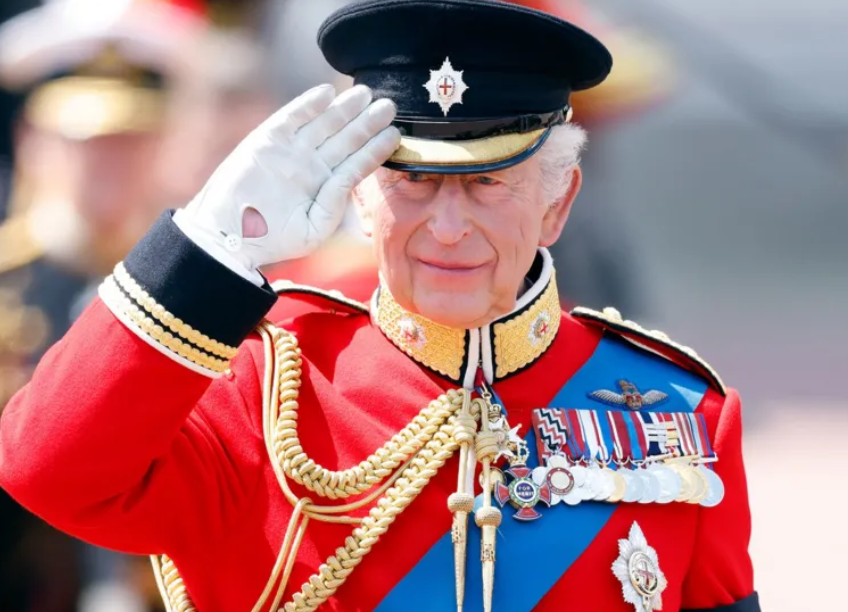
LONDON — In a landmark move that marks a defining shift in the relationship between the British monarchy and the public, King Charles III has become the first reigning monarch in history to voluntarily disclose the full details of his personal tax contributions, setting a new standard for openness and accountability at the head of the Royal Family. Figures published in the latest Annual Report and Accounts of the Sovereign Grant reveal that the King paid a total of £12.9 million in tax for the financial year 2024–2025, placing him firmly among the top 100 taxpayers across the United Kingdom.
The decision to publish these figures is being hailed by constitutional experts and transparency campaigners as a significant modernisation of an institution long criticised for its historical secrecy around finances. For generations, the personal tax arrangements of British monarchs remained private, shrouded in convention and precedent. By lifting this veil, King Charles has signalled his commitment to a more accessible, accountable monarchy suited to the expectations of 21st-century Britain.
READ MORE ARTICLES:
- 235 Dead After Powerful Venezuela Earthquakes as Rescuers Continue Search
- Venezuela Earthquake Kills 164, Thousands Affected
- Earthquakes in Venezuela knock Internet down to 59% Capacity, Recovery Underway
- Keir Starmer to Step Down as Prime Minister and Labour Leader, Triggering Leadership Contest After Months of Political Turmoil and Internal Rebellion
- Keir Starmer on the Brink: Mounting Pressure Forces UK Prime Minister Toward Exit as Andy Burnham Emerges as Clear Successor
- 3 Patay, 5 Sugatan sa Pamamaril sa San Jose National High School sa Tacloban City
- Andy Burnham Landslide Win Fuels Challenge to Keir Starmer, Shakes Labour Leadership Race in UK
Alongside the King’s disclosure, the report confirms that the Prince of Wales also paid £7.76 million in tax over the same 12-month period. This figure covers income derived from the Duchy of Cornwall, the historic estate passed down through generations to support the heir to the throne, and further reinforces the message that senior members of the Royal Family are contributing meaningfully to the nation’s public finances.
“This is an unprecedented step,” said constitutional historian Dr. Catherine Hayward. “Not only does it answer long-standing questions about how the Royal Family contributes to the Treasury, but it also sends a clear message: under King Charles, the monarchy is willing to operate with greater openness than ever before.”
Residence Plans: Clarence House Remains Home; Buckingham Palace’s Role Reconsidered
In another notable announcement within the report, Buckingham Palace has confirmed that King Charles III and Queen Camilla will continue to reside at Clarence House and will not move their principal official and private residence to Buckingham Palace as previous monarchs have done.
Clarence House, located beside St James’s Palace in central London, has served as their home since 2003. The decision reflects the King’s preference for a more modest and functional living space, as well as a practical approach while major restoration works continue at Buckingham Palace. The palace will remain the official administrative headquarters of the monarchy and the venue for state visits, investitures, and major national ceremonies, but it will no longer serve as the royal couple’s private family home.
The move aligns with the King’s well-documented desire to streamline the institution and reduce unnecessary expenditure, while preserving the symbolic and ceremonial importance of the nation’s most famous royal residence.
The Sovereign Grant: Funding Set to Rise to Nearly £100 Million
The report also lays out the future trajectory of public funding for the Royal Household through the Sovereign Grant, the mechanism introduced in 2011 to replace the historic Civil List and ensure transparency in how public money supports the monarchy.
For the financial year 2024–2025, the Sovereign Grant totalled £86.3 million. Of this amount:
- £51.8 million was allocated to core day-to-day running costs, including staffing, travel for official engagements, maintenance of royal residences, and hosting state receptions and events.
- £34.5 million was specifically earmarked for the ongoing 10-year renovation programme at Buckingham Palace, a project described as essential to preserve the building’s structural integrity, update its ageing electrical, heating, and plumbing systems, and ensure it remains safe and functional for future generations.
Looking ahead, the figures show that the core element of the Sovereign Grant will nearly double within three years, rising to £99.9 million annually by 2027–2028. While this marks a significant increase compared to pre-renovation levels, the report clarifies that once the Buckingham Palace restoration project is completed, the total grant will fall from its peak of £137.9 million to the new baseline of just under £100 million a figure that will still be higher than historical averages, but which reflects the updated costs of maintaining the monarchy’s responsibilities and heritage estates.
The Sovereign Grant is calculated as a percentage of the profits generated by the Crown Estate a vast portfolio of land and property belonging to the nation, not the monarch personally. Every penny of the Crown Estate’s revenue is paid directly to the Treasury, with a portion returned to the Royal Household to fund its official duties.
Balancing Tradition, Modernity, and Public Expectation
Taken together, the disclosures in this year’s report paint a picture of a monarchy navigating a delicate balance: preserving centuries-old traditions and heritage while adapting to changing public expectations around transparency, value for money, and accountability.
By opening up his personal tax records, King Charles has addressed one of the most persistent criticisms of the institution. Meanwhile, the decision to remain at Clarence House and the clear explanation of how public funds are allocated and projected to change over time demonstrates a desire to build trust and provide clarity.
While some observers have questioned the long-term increase in the Sovereign Grant, the Royal Household has emphasised that these funds support not only the work of the monarchy but also the preservation of historic buildings and collections that are part of the UK’s national heritage, attracting millions of visitors from around the world each year and contributing significantly to the economy.
As the figures are released, they mark more than just a set of numbers — they mark a turning point. For the first time, the British public can see clearly how the reigning monarch contributes to the nation’s finances, how public money is spent, and how the institution is evolving under its new head.
“It is a modernisation rooted in responsibility,” concluded Dr. Hayward. “Whether this marks the start of a new era of closer public understanding and support for the monarchy will depend on how these commitments are maintained in the years ahead — but today, the first, bold step has been taken.
Royal Finances: Sovereign Grant Shifts, Tax Disclosures Mark New Era of Transparency
The annual financial report from Buckingham Palace reveals a striking shift in how the British monarchy is funded, alongside landmark new details about the tax paid by the King and the Prince of Wales — changes driven by public demand for greater openness, even as questions remain over full clarity on the figures.
Funding: Less Total Public Support, More Allocated to Core Duties
The Sovereign Grant — the public funding provided to the monarchy to cover official duties, travel, and property maintenance — has seen a clear rebalancing in recent years, as illustrated in the figures below:
| Financial Year | Core Funding | Buckingham Palace Renovations | Total Sovereign Grant |
|---|---|---|---|
| 2021–22 | £51.8m | £34.5m | £86.3m |
| 2022–23 | £51.8m | £34.5m | £86.3m |
| 2023–24 | £51.8m | £34.5m | £86.3m |
| 2024–25 | £51.8m | £34.5m | £86.3m |
| 2025–26 | £72.1m | £60.0m | £132.1m |
| 2026–27 | £97.6m | £40.3m | £137.9m |
| 2027–28 | £99.9m | — | £99.9m |
As the data shows, the total grant will peak in 2026–27 before falling sharply the following year. The most notable trend is the steady rise in core funding the portion for day-to-day royal operations — while the separate allocation for Buckingham Palace’s long-term renovation programme is phased down, set to end entirely in 2027–28.
New Tax Disclosures: A Response to Public Scrutiny
Alongside changes to public funding, the Palace has for the first time published specific figures for the personal tax paid by King Charles III and Prince William a move that follows years of pressure from MPs, campaigners, and the public.
For the financial year 2023–24, the King paid £11.7 million in tax, while the Prince of Wales paid £8.34 million over the same period. Since the King acceded to the throne in 2022 and William became Prince of Wales, the combined tax bill of father and son has exceeded £50 million.
Both men have chosen to make these figures public voluntarily, according to their offices. Buckingham Palace described the decision as an effort to “increase transparency and encourage wider understanding of our accountability”, a direct response to calls for clearer finances following scandals involving Prince Andrew, and repeated concerns raised by parliamentarians over how public funds are spent.
Where the Income Comes From
The King’s main independent source of income is the Duchy of Lancaster a historic portfolio of land, property, and investments established centuries ago to provide the monarch with funds separate from the state. In 2025–26, the Duchy generated an income of £25.2 million. He also receives income from private estates at Balmoral and Sandringham, plus personal investments and savings.
Prince William, meanwhile, benefits from the Duchy of Cornwall a £1 billion estate spanning 130,000 acres across the UK, which includes the Oval cricket ground in London. This estate funds his official duties, office costs, and private family life. As of this year, William has also announced he will no longer receive the £1.5 million annual rent from the disused Dartmoor Prison; instead, the money will be redirected to support the local community around Princetown, removing it from the Duchy’s income stream.
Clarity vs. Detail: Questions Remain
While the publication of tax totals marks a significant shift toward openness, experts note that full transparency is still some way off. Dan Neidle, founder of Tax Policy Associates, described the disclosures as “highly opaque”, pointing out that no breakdown is given of how the taxable income is calculated or what expenses are deducted before tax is applied.
“Very importantly, we don’t know what expenses he’s deducted to come up with the figure on which he pays the tax,” Neidle said.
For Prince William, his private secretary Ian Patrick confirmed that the Prince pays tax at the highest rate on any net surplus after official costs are covered and that these costs are independently audited. “The Prince recognises the interest in these arrangements and the importance of appropriate transparency,” Patrick added.
Tax figures for 2025–26 are still being audited and will be published next year, while details of private investments for both the King and Prince William remain undisclosed.
Taken together, the latest accounts paint a picture of a monarchy adapting to modern expectations: relying less on earmarked public funds for major works, shifting more of its public funding toward core responsibilities, and voluntarily opening up its tax arrangements even if not fully laying bare every detail.
For the public, the question remains: is this the start of a fully transparent financial relationship, or a carefully balanced compromise between accountability and privacy? As the Sovereign Grant evolves and more tax figures are released in coming years, the answer will become clearer.
aptikons