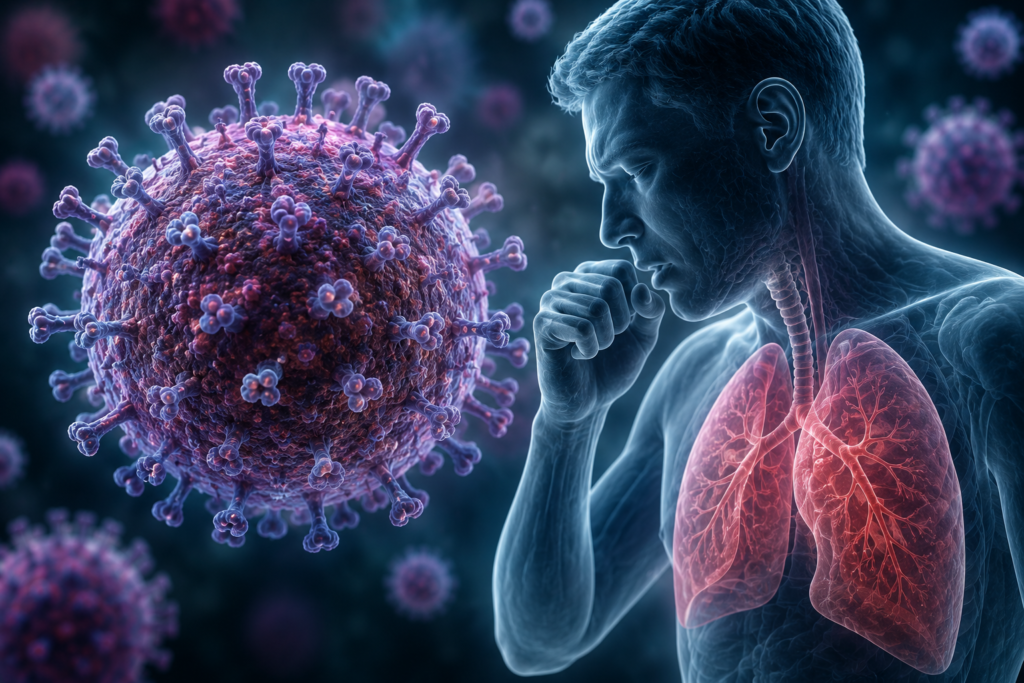
Hantavirus refers to a group of rare yet potentially life-threatening zoonotic viruses predominantly harbored by rodents, including mice and rats. In humans, infection may precipitate severe cardiopulmonary or renal syndromes, characterized by acute systemic inflammation and vascular compromise. Transmission commonly occurs through the inhalation of aerosolized viral particles originating from contaminated rodent excreta, particularly dried urine, feces, or saliva. Clinical manifestations typically begin with nonspecific prodromal symptoms such as pyrexia, myalgia, fatigue, and malaise, which may rapidly progress to profound respiratory insufficiency, pulmonary edema, or acute kidney injury depending on the viral strain involved.
2026 Outbreak Timeline: MV Hondius
MV Hondius is currently linked to a suspected hantavirus outbreak during an expedition voyage departing from Argentina.
April 1, 2026
- MV Hondius departs Ushuaia, Argentina
- 149 passengers and crew onboard
April 6, 2026
- First reported case: Dutch passenger develops fever and fatigue
April 11, 2026
- First death occurs after severe respiratory failure
April 24, 2026
- Ship docks at St. Helena
- Wife of deceased passenger disembarks while showing symptoms
April 26, 2026
- Second death confirmed in Johannesburg hospital
April 27, 2026
- British passenger evacuated medically
- Later confirmed hantavirus infection
May 2, 2026
- Third death reported onboard (German national)
May 4, 2026
- World Health Organization confirms outbreak as hantavirus, possibly Andes strain
- Concern raised over potential limited person-to-person transmission
1950s
- Virus first identified during the Korean War near the Hantan River
- Name “Hantavirus” originates from this region
1993
- Major outbreak in the Four Corners region (USA)
- Discovery of Sin Nombre virus causing Hantavirus Pulmonary Syndrome (HPS)
2020
- Genetic research confirms Andes virus as the only strain with limited human-to-human transmission capability
READ MORE ARTICLES:
- Why the Ellora Caves in India Never Made the Seven Wonders List
- Incitement to Sedition in Philippine Law
- Amy Eskridge’s Scientific Legacy Continues Shaping Modern UAP Research and Discovery
- Military Pilot Testimonies Strengthen Credibility of Unidentified Aerial Phenomena Investigations Worldwide
- Agustinian Colleges Inc. Cabuyao (ACI)
Symptoms, Treatment, and Prevention
Hantavirus represents a family of viruses primarily carried by rodent species, most notably by the deer mouse (Peromyscus maniculatus) in North America. These pathogens belong to the Bunyavirales order and can cause severe respiratory illness in humans, a condition commonly referred to as hantavirus pulmonary syndrome (HPS). Transmission to humans occurs when individuals come into contact with the excrement, urine, or saliva of infected rodents. The aerosolization of these excretory substances can lead to inadvertent inhalation, particularly in environments where rodent populations thrive.
The risk of hantavirus infection is notably heightened in rural and semi-rural areas where human habitats intersect with natural rodent habitats. Activities that disturb rodent droppings, such as cleaning or remodeling areas infested with rodents, also increase the potential for exposure. Symptoms of HPS usually manifest after an incubation period that can extend from one to five weeks post-exposure, making early detection challenging.
Rodents are not only the primary carriers but also sustain the hantavirus lifecycle through their populations. In particular, the deer mouse is an efficient host, often found in forested or abandoned areas, which makes certain geographical regions at increased risk for hantavirus outbreaks. Understanding the environments conducive to the presence of these rodents is crucial in controlling transmission. Preventative measures, such as effective rodent control and ensuring proper sanitation in both urban and rural settings, are essential strategies to minimize exposure to hantavirus.
Causes of Hantavirus Infection
Hantavirus infection, a significant public health concern, is primarily associated with contact with rodents, particularly the deer mouse, which serves as the principal reservoir for the virus. The virus resides in the droppings, urine, and saliva of infected rodents. When these excreta dry, they can become airborne and easily inhaled by humans, leading to potential infection. Particularly in rural areas, exposure to rodent droppings can occur during cleaning, construction, or any activity that stirs up dust contaminated with these materials.
In addition to direct inhalation of aerosolized particles, hantavirus can also enter the human body through open wounds or mucous membranes. Activities such as sweeping or vacuuming can further exacerbate the risk, resuspending particles that contain the virus. Understanding how hantavirus is transmitted is critical in preventing its spread and subsequently reducing infection rates in vulnerable populations.
There are several risk factors that contribute to hantavirus exposure. Living in or working near rural environments, especially in places with known rodent populations, significantly increases the likelihood of coming into contact with the virus. Occupations that involve working outdoors, in agricultural settings, or in areas with high rodent activity are particularly at risk. Furthermore, increased rodent activity during specific seasons, often related to food abundance, can elevate the chances of exposure for those living in close proximity.
Overall, awareness of the causes and means of transmission of hantavirus is crucial for effective prevention. Identifying habitats and situations where contact with rodents is likely can help individuals adopt safer practices, thereby minimizing their risk of infection. Education on proper handling and disposal of rodent excreta is vital for preventing hantavirus from spreading in communities that might be affected.
Symptoms of Hantavirus Infection
The initial symptoms of hantavirus infection commonly present themselves resembling those of a typical flu. Patients may experience mild fever, muscle aches, fatigue, and headaches within one to two weeks after exposure to the virus. These early signs can be quite nonspecific, leading to potential misdiagnosis or delayed recognition of the illness. As the infection progresses, individuals may begin to exhibit more severe and concerning symptoms.
After the initial phase, which may last several days to a week, the condition can deteriorate significantly. In approximately 50% of cases, individuals develop respiratory difficulties, including shortness of breath and a persistent cough. This shift can occur rapidly, often requiring immediate medical attention. During this progression, patients may also develop symptoms such as abdominal pain, dizziness, and chills, contributing to an overall sense of malaise.
It is imperative to recognize these changes in symptoms, as they can serve as critical indicators of hantavirus pulmonary syndrome (HPS), a severe and sometimes fatal form of the disease. The worsening symptoms can escalate to difficulty in breathing, low blood pressure, and potential fluid accumulation in the lungs, necessitating hospitalization. Early intervention is crucial, as prompt medical treatment can influence outcomes significantly.
In conclusion, being vigilant for the early signs of hantavirus infection is essential. Understanding the timeline of symptom progression, particularly the transition from mild flu-like symptoms to severe respiratory issues, can aid individuals in seeking timely medical advice and intervention, improving their chances of a positive prognosis.
Diagnosis and Tests for Hantavirus
Diagnosing hantavirus infection can be challenging due to its initial symptoms, which often resemble those of other illnesses, such as the flu. Healthcare providers will start with a comprehensive medical history and a physical examination. The patient’s recent exposure to potentially infected rodents or their droppings is a crucial part of the history. Following this, several diagnostic tests may be utilized to confirm the presence of hantavirus infection.
One of the primary tests used is a blood test, which can detect specific antibodies that the body produces in response to the hantavirus. This serological test is essential for identification — it generally becomes conclusive within 1 to 2 weeks after the onset of symptoms. In addition to serological testing, a complete blood count (CBC) can provide valuable insights, as it may reveal changes in white blood cell counts, indicative of the body fighting an infection.
In more severe cases, imaging studies such as chest X-rays or CT scans may be performed to assess lung function and check for signs of fluid accumulation, a common complication associated with hantavirus pulmonary syndrome (HPS). These imaging techniques help clinicians assess the severity of respiratory distress and guide treatment options effectively.
It is important to note that these diagnostic tests are primarily used to rule out other conditions and confirm a hantavirus infection. Timing is critical; therefore, patients presenting suspicious symptoms, especially after exposure to infected environments, should seek immediate medical assessment. Overall, the accurate diagnosis of hantavirus involves a combination of clinical judgment and specialized testing, ensuring timely and effective management of the infection.
Treatment Options for Hantavirus
Treatment for hantavirus infection primarily occurs in a hospital setting due to the severity of the symptoms and potential complications that can arise from the disease. Unfortunately, there are currently no specific antiviral treatments available for hantavirus. Thus, the management of the illness focuses largely on supportive care and intensive medical interventions.
Patients diagnosed with hantavirus pulmonary syndrome (HPS) may require hospitalization, especially if they exhibit severe respiratory problems. The cornerstone of treatment is support for the patient’s respiratory function. This may include the administration of supplemental oxygen to alleviate hypoxemia and, in critical cases, mechanical ventilation may be necessary to assist with breathing. Maintaining adequate hydration and electrolyte balance is also critical, as severe infections can lead to significant fluid loss.
In addition to respiratory support, the management of hantavirus involves monitoring and addressing any complications that may develop. This can include close observation of kidney function, as hantavirus can lead to renal impairment. Healthcare professionals may use diuretics to manage fluid overload, if necessary. Because of the risk of shock, corticosteroids are sometimes administered, although their use remains debated within the medical community.
Immediate medical intervention is essential in managing hantavirus infections effectively. Prompt diagnosis and the initiation of supportive measures can significantly improve patient outcomes. Therefore, educating the public about the symptoms of hantavirus and the importance of seeking timely medical attention is crucial in curbing the impact of this serious viral infection.
Preventing hantavirus infection primarily revolves around minimizing contact with rodents, as these animals are the primary carriers of the virus. Effective prevention strategies can significantly reduce the likelihood of hantavirus exposure in various settings, including homes, workplaces, and outdoor environments.
At the household level, maintaining a clean and rodent-free environment is crucial. This can be achieved by sealing cracks and openings in homes, which helps eliminate potential entry points for rodents. It is also advisable to store food in sealed containers and to dispose of garbage regularly. Keeping outdoor areas clean, such as removing debris and shrubbery where rodents may nest, further enhances safety.
For individuals who may be in higher-risk environments, such as agricultural workers, specific precautions should be taken. Wearing gloves and masks when handling materials that may be contaminated, such as hay or grain might pose a risk. Ensuring proper ventilation in areas where rodent droppings or nesting materials are present is also recommended. Cleaning these areas should be done with caution, utilizing disinfectants to neutralize any potential virus particles before they are disturbed.
In workplaces such as warehouses or farms, implementing a comprehensive rodent control program can further safeguard employees. Regular inspections, traps, and professional pest control services can help in monitoring and reducing rodent populations. Training employees about the risks of hantavirus and the importance of reporting sightings promptly fosters a safer work environment.
Outdoor activities also require vigilance. When engaging in activities such as camping, it is essential to stay away from rodent habitats and to store food securely. Ensuring that sleeping areas are rodent-proof protects against potential exposure. By instituting these precautionary measures, individuals can significantly reduce their risk of contracting hantavirus.
Prognosis and Outlook for Hantavirus Infection
The prognosis for patients diagnosed with hantavirus pulmonary syndrome (HPS) varies significantly based on several factors, including the individual’s overall health, the timeliness of diagnosis, and the severity of the infection at the time of treatment. Generally, research indicates that the mortality rate for HPS can reach up to 38%, depending on the specific hantavirus strain and other pre-existing health conditions of the patient.
Early recognition and supportive care are crucial in improving outcomes for those infected with hantavirus. Patients who develop severe respiratory distress or pulmonary edema often require intensive medical intervention, including mechanical ventilation. Unfortunately, the rapid progression of HPS can hinder recovery chances, as the disease may escalate within days of symptom onset. Studies suggest that approximately 50% of patients experience significant complications related to fluid accumulation in the lungs, which can severely impair respiratory function.
Factors affecting prognosis include age, with older adults presenting a higher risk for severe disease. Comorbid conditions such as cardiovascular disease and diabetes also elevate the risk of poor outcomes. In particular, severe cases often manifest among individuals in rural or agricultural settings where exposure to rodents is more prevalent, raising concerns about specific demographics being disproportionately affected.
Post-recovery, some patients report long-term health issues, including respiratory problems and fatigue. Continued monitoring and follow-up care are essential for managing these chronic effects, signifying that even after acute recovery, the implications of hantavirus infection can endure. Comprehensive strategies to mitigate these complications emphasize the need for awareness regarding hantavirus exposure and proper ecological management of rodent populations.
Infection prevention in healthcare environments is critical for safeguarding both patients and staff from various pathogens, including hantavirus. Standard precautions are foundational to these protocols and should be rigorously applied, especially in facilities that may encounter cases of hantavirus infection. These precautions include using appropriate personal protective equipment (PPE), implementing rigorous hand hygiene practices, and ensuring proper sanitation of surfaces and medical instruments.
Healthcare providers should be trained to recognize the symptoms associated with hantavirus infection, which may include fever, muscle aches, and severe respiratory distress. Prompt identification of such cases coupled with immediate isolation can significantly mitigate the risk of transmission to or from healthcare personnel. Upon suspecting a hantavirus case, it is essential to follow established procedures for patient management, including notifying infection control teams and possibly aiding in the collection of necessary clinical samples.
Environmental control measures are vital in areas known to harbor rodent populations, which can be vectors for hantavirus. Regular pest control, efficient waste management, and proper ventilation are essential strategies to minimize this risk. In particular, healthcare facilities should deploy rodent-proofing measures, ensuring that all potential entry points for rodents are sealed. Furthermore, education on hantavirus transmission and prevention strategies must be provided to all staff members, promoting awareness of risks associated with exposure to potentially infected wildlife.
Ultimately, adherence to these infection control protocols can effectively suppress the spread of hantavirus in healthcare settings, protecting both vulnerable individuals and healthcare workers from potential infection.
Complications Associated with Hantavirus
The hantavirus poses significant health risks, and complications arising from hantavirus infection can be severe and life-threatening. Among the various syndromes associated with this virus, hantavirus pulmonary syndrome (HPS) is the most critical, often presenting with respiratory distress due to fluid accumulation in the lungs. As HPS progresses, individuals may experience a rapid decline in lung functionality, potentially leading to respiratory failure, requiring immediate medical intervention.
Another severe complication is acute kidney injury. This occurs when the kidneys become severely compromised, affecting their ability to filter waste from the blood. Individuals may present with symptoms such as decreased urine output and swelling. If not addressed promptly, kidney failure can ensue, necessitating dialysis or even kidney transplantation in extreme cases.
Furthermore, hantavirus infection has been linked to cardiovascular complications, which can include cardiac arrhythmias and myocarditis. The virus can affect the heart’s ability to function correctly, leading to inconsistent heart rhythms that can be dangerous. Patients may experience symptoms such as chest pain, palpitations, and shortness of breath, which warrant immediate evaluation and treatment by healthcare professionals.
Other complications such as hemorrhagic manifestations can occur, characterized by bleeding due to the virus’s effects on blood vessel integrity and clotting mechanisms. These complications often demand intensive care and a multidisciplinary approach to effectively manage the patient’s health status. Overall, the serious nature of these complications highlights the necessity for timely diagnosis and thorough medical care in individuals suspected of hantavirus infection to mitigate health risks.
When to Seek Medical Attention
Understanding when to seek medical attention is critical for individuals who may have been exposed to hantavirus through contact with rodent droppings or urine. The initial symptoms of hantavirus infection can be nonspecific, resembling those of other illnesses. Therefore, recognizing signs that necessitate urgent medical evaluation is essential.
If an individual experiences acute symptoms following potential exposure, it is important to consult a healthcare provider promptly. The early symptoms of hantavirus infection may include fatigue, fever, and muscle aches, which can develop into more severe issues such as difficulty breathing, abdominal pain, and headache. Notably, these symptoms may present within one to eight weeks after exposure. Monitoring the progression of symptoms is crucial, as delayed treatment can lead to serious complications.
Particular attention should be paid to respiratory symptoms, as hantavirus can lead to a form of pneumonia, known as hantavirus pulmonary syndrome (HPS). If an individual begins to experience shortness of breath, coughing, or fluid retention, they should seek emergency medical care. Moreover, gastrointestinal symptoms such as nausea, vomiting, or diarrhea, in conjunction with the above symptoms, warrant immediate attention.
Individuals who believe they have been exposed to rodent habitats, especially in regions known for hantavirus prevalence, should also report this to healthcare providers. Providing detailed information about exposure history can assist medical professionals in making appropriate evaluations and decisions. Prompt attention can significantly improve the likelihood of a favorable outcome, should an infection occur.
Preventive Measures Against Hantavirus
Prevention of hantavirus infection is crucial given the potential severity of the disease. The primary mode of transmission is through exposure to the droppings, urine, and saliva of infected rodents, particularly deer mice. Therefore, maintaining a clean and hygienic environment is essential to minimize the likelihood of contact with these virus carriers.
Firstly, households should implement effective rodent control measures. This involves sealing gaps and entry points around the home to prevent rodents from accessing indoor spaces. Employing traps and rodenticides can be effective, but it is important to follow safety guidelines to protect pets and children.
Secondly, it is vital to clean and disinfect areas where rodents have been present. When cleaning, individuals should wear gloves, masks, and goggles to avoid inhaling or coming into contact with potentially infectious materials. The CDC recommends using a mixture of bleach and water or commercial disinfectants to sanitize contaminated surfaces thoroughly. It is advisable to dampen rodent droppings with disinfectant before cleaning to minimize dust and avoid aerosolization of the virus.
Additionally, outdoor activities should be approached with caution. When hiking or working in areas known for high rodent activity, it is important to wear protective gear, such as gloves and well-fitting boots. Ensure that food is stored securely and garbage is disposed of properly, as these measures help reduce the availability of food sources for rodents.
Health authorities, including the CDC, emphasize the need for community awareness regarding hantavirus risks. Public education campaigns can highlight the importance of recognizing rodent habitats and implementing preventive strategies. By fostering a culture of vigilance and environmental cleanliness, communities can significantly reduce the risk of hantavirus exposure.
The Role of WHO in Hantavirus Management
The World Health Organization (WHO) plays a pivotal role in the management and control of hantavirus infections globally. As an international public health agency, the WHO is tasked with implementing strategies that enhance global readiness against infectious diseases, including hantavirus. One of the primary initiatives spearheaded by WHO is the enhancement of surveillance systems designed to monitor and track cases of hantavirus effectively. These surveillance systems are vital for understanding the epidemiology of the virus and for informing public health responses.
In addition to surveillance, WHO engages local communities by fostering awareness and understanding of hantavirus risks. Community engagement is essential, as individuals in areas with known rodent populations need to be trained in preventive measures, such as proper waste management and safe rodent control strategies. Through these programs, WHO aims to reduce the incidence of hantavirus infections and promote health education focused on prevention.
Furthermore, WHO develops evidence-based guidelines that inform public health policies concerning hantavirus. These guidelines are crafted based on comprehensive research and data, ensuring that health professionals and policymakers have access to the most current and scientifically sound information. By disseminating these guidelines, WHO ensures that all countries can implement effective responses and tailor strategies according to their specific contexts.
The efforts of the WHO in the management of hantavirus infections culminate in a multi-faceted approach that involves scientific research, community education, and international collaboration. This adaptive strategy not only aims to curb the spread of the disease but also prepares global health systems to effectively handle future outbreaks.
Research into hantavirus infections remains an area of active investigation, focusing on both the biological mechanisms of the virus and the development of effective treatment strategies. One of the promising avenues of research involves understanding the immune response elicited by hantavirus infections. Identifying the host factors that influence susceptibility to severe disease may provide insights into potential therapeutic targets.
A significant focus is also directed toward vaccine development. Several vaccine candidates are currently in various stages of preclinical and clinical trials. These vaccines aim to elicit a strong immune response capable of preventing hantavirus infections. Researchers are utilizing advanced technologies, such as mRNA and viral vector platforms, which have shown great promise in rapid vaccine development.
Moreover, ongoing studies are investigating the environmental factors and epidemiology of hantavirus outbreaks. Understanding the ecological dynamics, particularly the role of rodent reservoirs, is crucial for effective public health interventions. Studies that evaluate trends in rodent populations and their habitats provide valuable data for anticipating and preventing potential outbreaks. This research emphasizes the importance of monitoring rodent populations to mitigate risks associated with hantavirus transmission to humans.
In alignment with these research efforts, public health initiatives must continue to prioritize education and prevention strategies. Awareness campaigns aimed at informing communities about the risks associated with hantavirus and promoting safe practices can significantly reduce the incidence of infection. Collaboration among researchers, public health officials, and community organizations is essential to effectively address the challenges posed by hantaviruses.
As we continue to advance our understanding of hantavirus infections, integrating scientific research with robust public health strategies will be critical in reducing the burden of this disease and enhancing community preparedness for potential outbreaks.
Hantavirus infection represents a significant public health concern, particularly in rural and wilderness areas where contact with infected rodents is more common. Throughout this blog, we have examined critical aspects of hantavirus, including its diagnosis, treatment, and effective prevention strategies. Early diagnosis is pivotal, as it can lead to timely interventions that significantly reduce the severity of the disease. Medical professionals must remain vigilant in recognizing symptoms and understanding the risk factors associated with hantavirus, ensuring that appropriate tests are administered swiftly.
Treatment approaches for hantavirus infections are primarily supportive, focusing on alleviating symptoms and providing respiratory care, as there are currently no specific antiviral therapies available for this virus. Adequate patient management can substantially enhance outcomes, highlighting the importance of healthcare providers being well-informed and capable of implementing effective treatment protocols.
Preventive measures play a critical role in reducing the chances of hantavirus infections. Public awareness campaigns and education on how to minimize contact with rodent populations are essential. The use of proper sanitation techniques, sealing potential entry points in homes, and wearing protective gear when cleaning areas contaminated by rodents can mitigate risks significantly. Moreover, the proactive involvement of health organizations is crucial in monitoring hantavirus outbreaks, disseminating relevant information, and conducting research to enhance our understanding of the virus.
The ongoing collaboration between health authorities, researchers, and the public is vital for managing hantavirus infections. By emphasizing the importance of early diagnosis, prompt treatment, and robust prevention strategies, we can collectively work towards minimizing the impact of this infectious disease on our communities.
Suspected Hantavirus Outbreak on the MV Hondius
In late September 2023, reports began to surface regarding a suspected outbreak of hantavirus on the MV Hondius, a polar expedition cruise ship operated by Oceanwide Expeditions. The vessel was on a voyage near the Cape Verde archipelago when passengers reported a series of concerning symptoms, including fever, headaches, and respiratory distress. These symptoms raised alarms among the crew and passengers, prompting immediate measures to address the situation.
As the situation evolved, health authorities were alerted, and testing for hantavirus became a priority. Initially, three passengers were confirmed to have contracted the virus, which is known to be transmitted through contact with infected rodents or their excretions. The World Health Organization (WHO) and local health officials coordinated efforts to ensure the safety of the remaining passengers and crew on board.
Following the initial reports, the decision was made to dock the MV Hondius off the coast of Cape Verde for further investigation and management of the outbreak. Passengers were subjected to health screening, and anyone exhibiting symptoms was isolated to prevent further transmission. Local health authorities dispatched medical teams to assist with the situation, showcasing the rapid response typically essential in managing public health crises related to communicable diseases.
The timeline of events from the first reports of illness to the docking of the ship was critically assessed as health officials sought to identify the root of the outbreak. This included interviews with passengers and crew members, assessment of the ship’s sanitary conditions, and an examination of potential exposures that may have led to the initial infections. The gravity of the situation underscored the importance of vigilance and responsiveness in handling outbreaks of infectious diseases like hantavirus.
Hantavirus is a genus of viruses belonging to the family Hantaviridae, typically carried by rodents. These viruses can lead to severe diseases in humans, primarily manifested as hantavirus pulmonary syndrome (HPS) and hemorrhagic fever with renal syndrome (HFRS). The origin of hantaviruses can be traced back to various rodent species, with distinct types associated with different geographical regions. For instance, the Sin Nombre virus, a well-known hantavirus, circulates in North America and is primarily linked to deer mice.
Transmission of hantavirus primarily occurs through contact with rodent excreta, urine, or saliva. Humans can become infected when they inhale aerosolized particles that contain the virus, or through direct contact with contaminated materials. Additionally, bites from infected rodents may also lead to transmission. This highlights the necessity of rodent control and sanitation in areas prone to outbreaks.
Hantavirus pulmonary syndrome (HPS) is a particularly severe form of the disease, often resulting in acute respiratory distress, fluid accumulation in the lungs, and can be fatal if not promptly treated. Symptoms typically emerge one to five weeks after exposure and can include fatigue, fever, muscle aches, and difficulty breathing. Conversely, hemorrhagic fever with renal syndrome (HFRS) has a wider distribution, particularly in Europe and Asia, caused by various hantaviruses that affect the kidneys and blood vessels, leading to symptoms such as abdominal pain, bleeding, and reduced kidney function.
In terms of human health impact, both forms of hantavirus represent significant public health challenges, especially in regions with high rodent populations. Increased awareness and preventive measures are essential to reduce the risk of hantavirus infections and ensure timely medical intervention for affected individuals.
Hantavirus is a severe viral infection primarily transmitted through contact with rodent droppings, urine, or saliva. Early symptoms of hantavirus infection often resemble those of the flu, making initial diagnosis challenging. Typically, individuals may experience fever, fatigue, muscle aches, and headaches. As the infection progresses, patients may develop more severe symptoms, including shortness of breath and cough, which can indicate the onset of hantavirus pulmonary syndrome (HPS), a critical complication that requires immediate medical attention.
The severity of symptoms can vary widely among individuals, depending on factors such as the strain of the virus and the patient’s overall health. In many cases, symptoms begin to manifest approximately one to five weeks after exposure, indicating the incubation period associated with hantavirus. This variable incubation period complicates the tracking of potential exposure sources, which can hinder timely public health interventions and heighten the risk of an outbreak.
Recognizing the signs of hantavirus infection early is crucial for effective treatment and containment. Since the initial symptoms tend to mimic those of other viral infections, awareness and vigilance are paramount, particularly in populations at higher risk, such as those in close proximity to rodent habitats. The overlap with common respiratory illnesses can lead to misdiagnosis, which underscores the importance of thorough medical evaluation for individuals exhibiting these symptoms following known exposure.
In conclusion, understanding the spectrum of symptoms associated with hantavirus and acknowledging the variable incubation period are essential in addressing potential outbreaks effectively. Public health officials and medical professionals must remain adaptable in their approaches to managing this viral threat, particularly in environments like the MV Hondius, where close quarters may foster greater risk of transmission.
The recent outbreak of hantavirus on the MV Hondius has led to confirmed cases among the vessel’s passengers. In response to these alarming developments, public health authorities acted swiftly to contain the situation and mitigate the spread of the virus. As per established protocols, samples from the affected individuals were collected and tested for the hantavirus, ensuring timely identification of cases.
Upon confirmation of the first case, the health authorities implemented immediate quarantine measures for those who were in close contact with the affected individual. This step was crucial in preventing further transmission of the virus among the remaining passengers and crew. A designated area onboard the MV Hondius was established to accommodate quarantined individuals, where they received constant monitoring and medical support. The crew members were trained to follow strict hygiene and safety protocols during this period.
Furthermore, medical teams were deployed to the vessel to provide necessary attention to any symptomatic individuals and offer psychological support to those experiencing anxiety due to the outbreak. Health officials also conducted an extensive review of the vessel’s sanitation practices, ensuring that all surfaces were disinfected thoroughly to minimize the risk of hantavirus occurrence.
In collaboration with the vessel’s management, public health officials communicated with passengers and crew, advising them on symptoms, transmission modes, and preventive measures related to hantavirus. This proactive approach highlights the importance of transparency and education during health crises. Public health authorities continue to monitor the situation closely, adjusting strategies as needed to protect the health of both the passengers and the wider community.
Dr. Liam Brierley, a leading expert in infectious diseases, provides valuable insights into the susceptibility to hantavirus and its transmission dynamics, particularly in the context of the recent outbreak on the MV Hondius. Understanding the risk factors associated with hantavirus is crucial for both preventive measures and effective response strategies.
The primary mode of hantavirus transmission is through contact with infected rodent excreta, urine, or saliva. Environmental conditions play a significant role in the proliferation of these rodent populations. Warm temperatures and abundant food supply, typically associated with natural disasters or climate change, may elevate the risk of hantavirus exposure. This can lead to increased interaction between humans and rodents, thereby enhancing the likelihood of transmission.
Moreover, underlying health issues among the affected individuals can exacerbate the severity of hantavirus infections. Individuals with pre-existing respiratory conditions, such as asthma or chronic obstructive pulmonary disease (COPD), are at a heightened risk. These health problems can compromise the respiratory system, making it more susceptible to the severe lung complications associated with hantavirus pulmonary syndrome (HPS). Dr. Brierley emphasizes the need for health authorities to be aware of such risk factors when monitoring and managing outbreaks.
Additionally, behavioral factors, such as recreational activities in areas where hantavirus is prevalent, can contribute to exposure. Education on avoiding contact with rodent habitats and recognizing the signs of potential infection is vital in mitigating risks. Early detection and treatment of hantavirus infections are critical, especially for those with underlying health conditions, as they may significantly affect the outcome of the disease.
The suspected hantavirus outbreak on the MV Hondius has generated significant concern both among passengers and the broader community. Given the nature of such health emergencies, the anxiety surrounding potential infection can trigger a ripple effect that extends beyond those directly affected. The fear of transmission during the cruise journey, coupled with the lack of familiarity with hantavirus as a public health threat, contributes to heightened senses of vulnerability among passengers and their families.
Communities often experience a range of social impacts as well. Increased caution may lead to a decline in bookings and participation in future cruise activities. The cruise industry is particularly sensitive to public perception, as any health crisis can result in long-term skepticism regarding safety protocols. Negative media coverage and public discourse surrounding the outbreak can amplify fears, potentially deterring future travelers from participating in similar health-related activities.
Moreover, the psychological effects associated with the outbreak cannot be overlooked. Passengers may endure anxiety, stress, and a sense of loss of control, prompting them to rethink their travel plans and lifestyle choices. The psychological fallout is further compounded by worries regarding the implications of infectious diseases on overall public health and safety. It serves to highlight the interconnectedness of individual health concerns with broader societal reactions.
Additionally, the cruise industry may face reputational damage, which could lead to financial repercussions. An outbreak could necessitate increased enhancement of health protocols, further emphasizing the need for rigorous hygiene standards, especially in the wake of heightened public scrutiny. Stakeholders in the cruise sector must proactively address these concerns to restore confidence among potential travelers. Therefore, the intersection of health crises and public perception remains an essential discourse within the context of the ongoing outbreak.
Preventing hantavirus infections requires a multifaceted approach that focuses on limiting exposure to rodent populations, as they are the primary carriers of this virus. Basic sanitation measures in homes and travel accommodations can significantly reduce the risk of coming into contact with the virus.
In domestic settings, it is vital to keep living spaces clean and free from any signs of rodent activity. This includes promptly cleaning up food spills, storing food in rodent-proof containers, and regularly disposing of garbage. Additionally, sealing entry points in buildings, such as gaps around windows, doors, and foundations, can prevent rodents from entering. Utilizing traps and ensuring that they are properly set can help in controlling the rodent population. Furthermore, in areas where rodents are known to dwell, it is recommended to wear gloves and masks while cleaning these areas to minimize direct contact and inhalation of potentially contaminated dust.
During travel, similar precautions should be taken to reduce the risk of hantavirus exposure. Staying in lodgings that maintain high cleanliness standards is advisable. Before settling into a new place, conducting a thorough inspection for any signs of rodents or droppings can be a crucial step. If staying in outdoor environments, such as campsites, it is important to store food securely, away from the reach of rodents. Additionally, keeping areas clean and free from clutter can discourage rodents from making an appearance.
Heightened awareness and preparedness are key in preventing future hantavirus outbreaks. Individuals must familiarize themselves with the symptoms of hantavirus pulmonary syndrome and remain vigilant about potential exposure in both rural and urban environments. Education on the necessity of reporting rodent sightings and unusual symptoms can lead to quicker responses and containment of potential outbreaks, ultimately decreasing the likelihood of transmission.
The investigation into the suspected hantavirus outbreak on the MV Hondius is currently being led by health authorities in collaboration with multiple agencies. As of now, a thorough examination is underway to identify the precise source of exposure that could have led to the reported cases. Initial updates from health officials indicate that they are systematically tracing the steps of those who were on board, focusing particularly on areas where potential contamination could have occurred.
Health authorities are conducting interviews with passengers and crew members to gather data regarding symptoms and experiences during their voyage. A critical component of this investigation includes reviewing the hygiene and sanitation practices aboard the vessel. This includes assessing how waste was managed and whether any physical evidence might suggest rodent activity, as hantavirus is often transmitted through contact with rodent droppings, urine, or saliva.
Additionally, environmental sampling is being performed in various sections of the ship to check for the presence of the hantavirus. The Centers for Disease Control and Prevention (CDC) and local health departments are actively involved in this process, emphasizing the need for prompt identification to prevent further spread. If the virus is detected, rapid public health measures will be implemented, including potential quarantine procedures for those who were on board.
Ongoing communication with the public is paramount in the current investigation. Regular updates are being provided by health authorities to keep the public informed about potential risks and advice for anyone exhibiting symptoms after their exposure. The situation remains dynamic as authorities work diligently to contain the outbreak and ensure that comprehensive measures are in place to safeguard public health.
The recent suspected hantavirus outbreak on the MV Hondius brings to light the urgent need for enhanced awareness and management of zoonotic diseases in the context of public health and travel. Hantaviruses, primarily transmitted through rodent droppings, urine, and saliva, pose significant risks, especially in environments where human and animal interactions are frequent and varied. This incident underscores the importance of continuous surveillance systems that can effectively monitor and respond to such emerging health threats.
Moreover, the cruise industry, which has seen a resurgence in popularity, must reassess its health protocols to prioritize the safety of passengers and crew alike. Implementing comprehensive measures—including thorough disinfection processes, regular health screenings, and educational programs about zoonotic disease transmission—can significantly mitigate risks associated with cruise travel. The framing of these policies should involve public health experts to ensure they are rooted in sound scientific understanding.
Furthermore, collaboration between health authorities, cruise operators, and environmental agencies is crucial to developing effective response strategies. As the global landscape evolves, outbreaks like the one on MV Hondius highlight that zoonotic diseases can emerge in various settings, necessitating a preemptive approach. Investing in research and preparedness not only enhances current understanding but also equips public health systems to manage potential outbreaks more efficiently in the future.
Ultimately, ongoing education regarding zoonotic risks, coupled with robust preventive measures, can protect not only those who travel on cruise ships but also the broader public. The lessons learned from the hantavirus incident must inform future practices to safeguard against such health threats as we navigate the complexities of modern travel and public health dynamics.
Potential Hantavirus Exposure Among Cruise Passengers on MV Hondius
The MV Hondius is a state-of-the-art polar expedition vessel, flagged under the Dutch maritime registry. Commissioned for adventure tourism, it has the ability to navigate through some of the world’s most remote and captivating waters. Recently, the vessel embarked on an extensive journey, commencing in Argentina three weeks ago. This voyage included significant stops along its route, notably at the spectacular landscapes of Antarctica and the historical sites of the Falkland Islands.
Carrying a contingent of approximately 170 passengers, each hailing from different corners of the globe, along with a dedicated crew of 75, the MV Hondius is designed to offer a unique expedition experience. This combination of passengers and crew, who share the passion for exploration and the natural world, greatly contributes to the dynamic atmosphere onboard. The vessel features all modern amenities, ensuring both comfort and safety in challenging polar conditions.
The recent itinerary of the MV Hondius has not only highlighted its capabilities but also spotlighted the potential for various health concerns, including the risk of hantavirus exposure. As the ship navigated through the pristine yet sheltered environments of Antarctica and the Falkland Islands, the close interaction of passengers with the local wildlife, particularly rodents, necessitates a careful examination of any associated health risks. The impact of such exposure needs to be assessed in the context of this unique cruise experience. Understanding these potential health challenges is vital for ensuring the wellbeing of future passengers and crew members alike.
Identifying Potential Routes of Exposure
Understanding the potential routes of hantavirus exposure for cruise passengers aboard the MV Hondius is crucial in mitigating any health risks associated with such outings. Hantavirus is primarily spread through contact with rodent droppings, urine, or saliva, making it essential to consider various environments where these interactions could occur.
One primary route of exposure may arise during shore excursions in regions that are known for their heavy rodent populations. Passengers engaging in activities that involve hiking or exploring rural or forested areas could unknowingly come into contact with contaminated areas where rodents inhabit. For instance, such excursions often lead travelers into environments like caves, abandoned buildings, or national parks where rodents thrive. It is within these high-risk areas that the likelihood of encountering hantavirus becomes significantly elevated, primarily through inhalation of aerosolized virus particles from rodent excreta.
Furthermore, contamination of the MV Hondius itself presents another potential risk. If supplies such as food or bedding are procured from areas with high rodent activity, there exists a chance that these goods could carry hantavirus. Cargo contaminated by rodent droppings could introduce the virus into onboard environments, subsequently increasing the risk for passengers and crew alike. Regular cleaning and disinfection protocols are therefore paramount to ensure that the ship remains free from any lingering contaminants.
Potential exposure routes for hantavirus during a cruise on the MV Hondius can not only stem from external excursions but also internal environments that may harbor traces of the virus. It is imperative for cruise lines and passengers to remain vigilant and informed about these risks to enhance safety during voyages.
Shore excursions during cruises often present unique opportunities for passengers to explore remote areas and immerse themselves in local cultures. However, these adventures may expose individuals to various health risks, including potential hantavirus exposure. In regions where hantaviruses are prevalent, especially within natural environments, the risk of encountering rodents and their excreta increases significantly.
Many popular excursion activities, such as hiking and wildlife tours, take place in rural or wilderness settings, known habitats for rodent populations. Passengers may unknowingly come into contact with rodent droppings, urine, or saliva while traversing these areas. Activities like hiking through dense vegetation or exploring abandoned buildings can further elevate this risk; as rodents are often found in such environments, it is crucial for participants to remain vigilant and adhere to safety measures.
Additionally, engagements such as feeding or interacting with local wildlife can significantly increase the risk of hantavirus exposure. While these activities may be seen as rewarding and educational, they can inadvertently bring participants into closer proximity with rodent-infested areas. It is strongly advised that travelers remain informed about the ecosystem’s potential hazards and take proactive measures, such as wearing gloves, using masks, or avoiding contact with wildlife wherever applicable.
The awareness of exposure risks associated with shore excursions is essential for cruise passengers. Understanding the types of environments that may harbor rodents, recognizing their droppings, and practicing safe behaviors can significantly mitigate potential health risks. Overall, informed decision-making and adherence to recommended safety protocols are pivotal in ensuring a safe and enjoyable experience during these excursions.
One prominent concern regarding hantavirus exposure on the MV Hondius is the potential for cargo and supplies to introduce contamination. Various items brought aboard the ship can serve as unintentional carriers of pathogens, thereby heightening health risks for passengers and crew alike. Rodents, particularly deer mice, are known vectors for hantavirus and can infiltrate these supplies, shedding fecal droppings and urine that harbor the virus.
Upon entering silent and confined spaces such as storage areas, sealed containers, and even ventilation systems, these contaminated supplies can contribute to the viral load within those environments. The close proximity and insular nature of cruise ship storage areas create an ideal situation for the persistence and potential spread of hantavirus. Furthermore, once contaminated items are placed within the ship’s confined spaces, air movement can disperse viral particles, increasing the risk of exposure for anyone in proximity.
Moreover, cargo shipments can frequently consist of food items, equipment, and personal belongings that may not undergo thorough inspection for pests before being brought on board. This inadequacy in pest management increases the risk of hantavirus transmission, particularly within closed quarters aboard vessels like the MV Hondius. Keeping a vigilant eye on cargo management practices is crucial. Implementing strict biosecurity measures can help to mitigate the risk posed by contaminated resources. These measures include proper decontamination of supplies, regular inspections for signs of rodents, and maintaining clean and sanitized storage areas.
Symptoms and Incubation Period for Hantavirus Infection
Hantavirus infections, which are primarily transmitted through contact with rodent droppings, urine, or saliva, can manifest a range of symptoms that are crucial for early diagnosis and treatment. Understanding these symptoms can assist both healthcare professionals and patients in recognizing potential infection. The incubation period for Hantavirus typically spans from one to eight weeks after exposure, with most cases presenting symptoms within two to four weeks.
Initial symptoms often resemble those of the flu and can include fever, chills, muscle aches, and headache. As the disease progresses, individuals may experience gastrointestinal symptoms such as nausea, vomiting, and abdominal pain. It is important to note that in severe cases, especially with Hantavirus Pulmonary Syndrome (HPS), symptoms may rapidly escalate to profound respiratory distress due to fluid accumulation in the lungs. Consequently, it is vital for cruise passengers who suspect potential exposure to remain vigilant for these symptoms.
The delayed onset of symptoms underscores the necessity of understanding the incubation period in relation to potential sources of exposure. Individuals aboard the MV Hondius might experience varied timelines based on their proximity to risk factors. Therefore, timely recognition of the symptoms and awareness of the incubation period are crucial for effective management and treatment. Furthermore, reporting symptoms to medical professionals can facilitate a quicker assessment and enable better health monitoring for other passengers, promoting communal safety during situations of potential hantavirus exposure.
The Andes Virus and Its Connection to the Outbreak
The Andes virus (ANDV) is a distinct strain of hantavirus that primarily inhabits parts of South America, particularly in the Andean regions of Argentina, Chile, and Bolivia. This virus is notable for its capacity to be transmitted between humans, a characteristic not commonly associated with many hantavirus strains. While most hantaviruses typically spread through rodent excretions, the Andes strain presents a unique challenge in public health due to this human-to-human transmission potential. Such transmissibility is thought to occur mostly in households where there has already been an active case of ANDV infection.
Recent cases among cruise passengers on the MV Hondius have raised alarms regarding a possible link to this particular strain of hantavirus. Public health experts are investigating the circumstances surrounding these reported cases to determine a potential nexus between the Andes virus and the outbreak affecting passengers. The implication of human transmissibility raises crucial discussions about the preventive measures necessary in confined environments like cruise ships, where close quarters could facilitate rapid spread if an infected individual were present.
The current outbreak may highlight the adaptive nature of ANDV and its ability to exploit human interactions, especially in situations where individuals engage in shared activities, such as excursions or meals aboard the ship. Therefore, understanding the specific pathways of transmission and the environmental conditions conducive to the Andes virus will be essential in curtailing further infections. Public health authorities are now tasked with reinforcing correct sanitation measures and guiding individuals on how to mitigate exposure risk as investigations continue into the full scope of the outbreak among cruise passengers.
Challenges in Tracing the Source of Infection
Tracing the source of infection for hantavirus poses significant challenges, particularly for public health officials. One of the primary obstacles is the long incubation period associated with the virus, which typically ranges from one to six weeks. This elongated timeline complicates the task of pinpointing the exact moment and place of exposure. In the context of the MV Hondius cruise, where multiple passengers may have come into contact with various environments, identifying a singular source becomes even more intricate.
During an outbreak aboard a cruise ship, numerous factors must be considered, including the diverse locations passengers visit, shared facilities, and interactions with crew members and fellow travelers. These variables further blur the lines of tracing infection sources. For instance, while an individual may develop symptoms during or after the voyage, the actual exposure could have occurred long before or in an entirely different location. Such complexities make it difficult for epidemiologists to establish a clear timeline, as symptoms can manifest well after the initial exposure to hantavirus.
Moreover, the asymptomatic nature of the illness in some cases adds another layer of difficulty in tracking infections. Passengers who may not exhibit symptoms could still be carriers of the virus, unknowingly facilitating its spread. When combined with the potential latency period, the challenge of tracing the source intensifies exponentially. Consequently, public health officials often rely on comprehensive interviews and data collection from passengers, alongside environmental assessments, to piece together possible exposure scenarios, reflecting the broader implications of hantavirus exposure tracing.
Hantavirus Outbreak on Luxury Cruise Ship: A Crisis at Sea
The hantavirus outbreak aboard the luxury cruise ship MV Hondius marked a significant health crisis, affecting both passengers and crew on their journey from Argentina. The vessel embarked on its voyage on an anticipated itinerary, but soon after departure, initial reports of illness began to surface. Passengers started to exhibit alarming symptoms such as fever, muscle aches, and respiratory problems, which are characteristic of hantavirus infection.
As symptoms escalated amongst the passengers, the ship’s medical staff faced mounting challenges. Medical doctors aboard promptly alerted health authorities upon observing a pattern of illness that raised concern. The symptoms presented were severe and necessitated immediate action. Recognizing the seriousness of the outbreak, health officials coordinated rapid containment measures to ensure the safety of all on board.
By the time the ship reached the nearest port, several individuals had succumbed to the illness, sparking an urgent evacuation effort. Authorities implemented strict protocols to assess passengers and crew members for signs of hantavirus infection. This included comprehensive medical examinations and immediate isolation of any individuals exhibiting symptoms. The fatalities and rapid spread of the disease alarmed public health officials, prompting a wider investigation into the potential sources of the virus on the ship.
Media coverage highlighted the urgency of the situation, and the public was informed of the continuous efforts to provide care and contain the outbreak. All avenues were explored, including a thorough examination of the ship’s environment and potential exposure points for the hantavirus. This outbreak not only raised awareness about the hantavirus and its transmission but also showcased the challenges faced during health crises aboard cruise ships, where crowded conditions can facilitate the spread of infections.
Evacuation and Medical Response
The evacuation of passengers and crew from the luxury cruise ship during the hantavirus outbreak was a critical operation that required meticulous planning and execution. As reports of infected individuals emerged, various health organizations, including the Center for Disease Control and Prevention (CDC), were alerted to coordinate the response. Governments, both local and national, also played instrumental roles in facilitating a swift and comprehensive evacuation process.
Upon confirmation of the virus on board, a multi-agency incident command system was activated. This led to the organization of a fleet of helicopters and ambulances stationed near the ship for rapid deployment. Medical teams trained in infectious disease protocols were on site to assess the health of the passengers and crew efficiently. Each patient was evaluated for symptoms related to hantavirus and provided necessary treatment before their removal from the ship.
During the evacuation, patients exhibited a range of medical conditions requiring immediate attention, which included respiratory issues and dehydration. Health professionals prioritized stabilizing patients before transport, emphasizing the need for adequate life support measures during transfer. The logistical challenges were considerable; the cramped conditions on the ship hindered movement, while the need for specialized equipment to maintain patients’ vital functions complicated the evacuation.
Further complicating the process were the restricted access points to the ship amidst a heightened health alert. Coordination between health teams and transport services was vital to ensure that those evacuated could receive care in specialized healthcare facilities. The orchestration of the entire operation highlighted not only the necessity for a well-prepared contingency plan for health crises at sea but also the importance of real-time communication between health authorities and emergency responders.
Impact on Passengers and Local Communities
The recent outbreak of Hantavirus aboard a luxury cruise ship has prompted significant concern among passengers and local communities in Cape Verde. Health issues associated with the virus have intensified anxieties among the 200 passengers still aboard, as they grapple with uncertainty regarding their well-being and potential exposure. Reports of initial symptoms are causing distress, leading to heightened expectations for medical intervention from health officials.
To manage the situation, health authorities are implementing stringent measures, including plans for quarantining affected individuals and enhancing monitoring protocols for those without symptoms. The local government in Cape Verde is closely collaborating with maritime health organizations to ensure that adequate resources are supplied to the cruise ship. Maintaining health and safety standards during the quarantine process is paramount to prevent further spread in the broader community.
Moreover, the docking of the cruise ship in Tenerife has elicited varied reactions from the public. Local residents have expressed mixed sentiments, reflecting fears surrounding their health and potential risks posed by the presence of afflicted passengers. Government officials, in response to these sentiments, have intensified communication efforts, reassuring citizens that comprehensive health measures are in place to protect public health. These measures not only include rigorous screenings and protocols upon docking but also preventive strategies to safeguard the community at large.
The situation continues to evolve as updates are provided. The balance between safeguarding the health of passengers, facilitating emergency medical care, and ensuring the safety of local communities is of utmost priority. The emerging sentiments, both among passengers and local residents, highlight the broader implications of health crises such as this one, reminding us of the interconnectedness of our communities.
Future Implications and Health Measures
The recent outbreak of hantavirus aboard a luxury cruise ship raises significant concerns regarding public health and safety, especially in the context of travel. The strain of hantavirus identified in this incident must be evaluated thoroughly, as understanding its characteristics can help in determining the potential for human-to-human transmission. Historically, hantavirus infections have primarily been associated with zoonotic transmission, primarily from rodent hosts. However, the implications of this incident highlight the need for vigilance in identifying all potential transmission pathways.
In response to the outbreak, health authorities in Argentina, supported by international health organizations, are stepping up measures to contain the situation. This involves comprehensive tracing and isolation protocols to ensure that all individuals who may have come into contact with the virus are tested and monitored for symptoms. Such a multifaceted approach is crucial in mitigating further spread and establishing the outbreak’s containment.
Furthermore, this incident serves as a critical learning opportunity for the cruise industry and health sectors worldwide. Considering that cruise ships provide unique environments for the transmission of infectious diseases, establishing stringent health protocols is essential. This includes measures such as enhanced sanitation practices, rigorous health screenings prior to boarding, and the development of rapid response plans for outbreaks.
As the world continues to navigate the challenges posed by infectious diseases, the cruise industry must prioritize safety, not only for passengers but also for crew members and the communities into which they travel. This incident underscores the urgent need for integrated health strategies that encompass surveillance, prevention, and health education, ultimately leading to improved safety protocols for future cruise travel.
- Enrique Razon Reigns as Philippines’ Richest Billionaire for Third Consecutive Year
- COMMENTARY: Sara Duterte’s Impeachment Battle Ends, but the 2028 Political Contest Begins
- Walang Pasok sa NCR at 22 Lalawigan Ngayong Huwebes, Agosto 6; Sinuspinde ng Malacañang ang Klase at Trabaho sa Pamahalaan
- Marcos Appoints Ronald Chua as New Sandiganbayan Justice; Randolph Pascasio Named to Court of Appeals
- BSKE 2026, Posibleng Mailipat sa 2028 sa Ilalim ng House Bill