Authorities in Cebu City confiscated ₱700,000 worth of unregistered imported Korean luncheon meat from a grocery store after an FDA-backed operation found the products lacked the required permits and registration, leading to an ongoing investigation and possible criminal charges against the establishment’s manager.
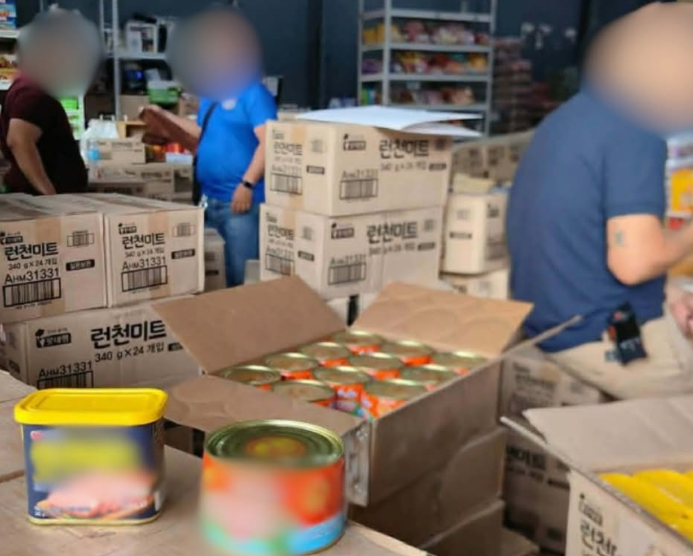
CEBU CITY, Philippines — Authorities have confiscated 211 boxes of imported Korean luncheon meat valued at around ₱700,000 from a Korean grocery store in Barangay Luz, Cebu City, following an operation targeting the illegal sale of food products that failed to meet government safety and regulatory requirements.
The seizure took place on the afternoon of July 22 during an enforcement operation conducted by members of the Criminal Investigation and Detection Group (CIDG)-Mandaue City Field Unit under the government’s “Oplan Mega Shoppers” campaign. The operation was launched after authorities received information alleging that the establishment was selling imported Korean luncheon meat without the necessary authorization from the Food and Drug Administration (FDA).
READ MORE OTHER ARTICLES:
- Ombudsman Files Fourteen Graft Cases Against Congressman Over Contract Links Today

- Cebu Authorities Seize Unregistered Korean Luncheon Meat Worth ₱700,000 From Grocery Store
- Filipinos Expect President Marcos to Address Corruption and Rising Living Costs
- MANILA: Dapat Unahin Gobyerno Pagtatayo Ng Silid-Aralan Para Sa Mga Estudyante Ngayon
- CEBU: Sinuspinde LTO Lisensya ng Alkalde Matapos Viral Aksidente sa Kalsada
- DAVAO: Iniimbestigahan Kamatayan Ng Grade 3 Estudyante Matapos Umano’y Pambubugbog Paaralan





Before carrying out the operation, law enforcement officers verified the reports they had received. After confirming the information, authorities conducted a buy-bust operation inside the grocery store. The operation led to the discovery and confiscation of 211 boxes of imported luncheon meat that were allegedly being sold without proper government approval.
Officials from the FDA-Central Visayas later examined the products and confirmed that the imported luncheon meat did not have a Certificate of Product Registration, one of the primary requirements before food products can be legally sold in the Philippine market. The certificate serves as proof that a food product has undergone proper evaluation and has met the country’s health and safety standards.
Authorities also discovered that the grocery store allegedly failed to present several important documents required by law. Among the missing requirements were a valid License to Operate, the necessary FDA permits, and other legal documents authorizing the importation, distribution, and sale of the products.
Government regulators explained that these documents are important because they help ensure that food products being sold to consumers have been properly inspected, are safe for public consumption, and comply with Philippine food safety regulations. Selling imported food items without these permits may expose consumers to products that have not undergone proper quality and safety evaluation.
Following the operation, all confiscated products were placed under government custody while investigators continue examining the evidence. Authorities said the seized luncheon meat will remain secured until the investigation is completed and appropriate legal procedures are carried out.
The grocery store’s manager was also taken into police custody following the operation. Authorities said the manager may face charges for an alleged violation of Section 11(a) of Republic Act No. 9711, also known as the Food and Drug Administration Act of 2009.
Republic Act No. 9711 strengthens the powers of the Food and Drug Administration by regulating food, medicines, cosmetics, medical devices, and other health-related products sold in the country. The law requires businesses involved in manufacturing, importing, distributing, and selling these products to secure the proper licenses and registrations before they can legally operate.
Authorities emphasized that businesses engaged in selling imported food products must comply with all government regulations to protect consumers from potentially unsafe or unauthorized goods entering the local market. They added that regulatory compliance is necessary to ensure public health and maintain confidence in food products available in stores.
Investigators said the operation forms part of the government’s continuing campaign against the illegal sale of imported products that bypass food safety regulations. Through “Oplan Mega Shoppers,” law enforcement agencies continue to inspect establishments suspected of selling unregistered or unauthorized goods in different parts of the country.
Officials explained that the campaign aims not only to enforce existing laws but also to encourage businesses to follow proper importation and distribution procedures. Authorities believe that strict enforcement helps prevent unauthorized products from reaching consumers and promotes fair competition among legitimate businesses that comply with government regulations.
Despite the seizure, authorities have not yet disclosed where the imported Korean luncheon meat originated or how the products entered the country. Investigators are still tracing the supply chain to determine whether other individuals or businesses may have been involved in the alleged unauthorized distribution of the products.
Officials likewise declined to reveal whether similar operations are being planned against other establishments while the investigation remains active. However, they assured the public that enforcement efforts against illegal food products will continue as part of broader consumer protection initiatives.
Authorities reminded business owners dealing with imported food products to ensure they obtain all necessary permits and registrations before offering products for sale. They warned that failure to comply with FDA regulations could result in the confiscation of products, criminal charges, fines, and other legal consequences under existing Philippine laws.
Consumers were also encouraged to remain vigilant when purchasing imported food items by checking product labels and verifying whether products are legally registered with the FDA whenever possible. Officials said informed consumers play an important role in promoting food safety and helping authorities identify suspicious products in the marketplace.
As of this time, no additional arrests have been announced, and authorities have not released further details regarding possible follow-up operations. The investigation remains ongoing as law enforcement agencies and the Food and Drug Administration continue gathering evidence and preparing the appropriate charges in connection with the alleged violations of the Food and Drug Administration Act of 2009. / aptikons