
World Hypertension Day (WHD) is celebrated annually on May 17th, with the aim of raising awareness about hypertension and its associated risks. Initiated by the World Hypertension League (WHL) in 2005, this global health awareness campaign seeks to educate individuals about the prevalence and consequences of high blood pressure, also known as hypertension. This condition affects millions worldwide and is a significant risk factor for serious cardiovascular conditions, including heart disease and stroke.
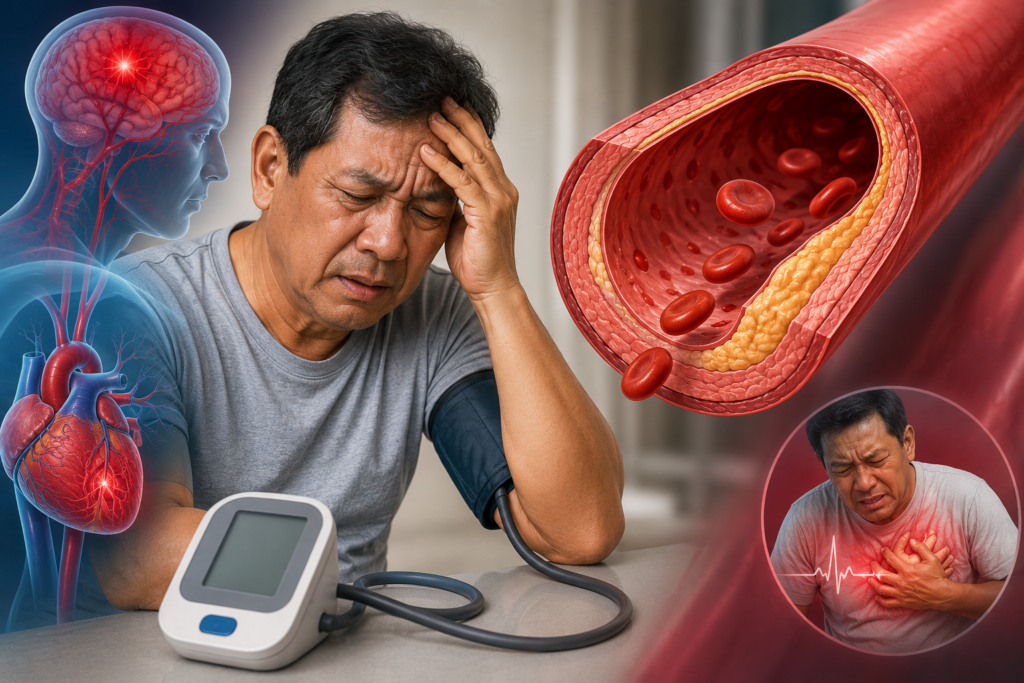
The significance of WHD lies in its potential to highlight the importance of regulating blood pressure through lifestyle modifications, regular screenings, and medical interventions. Such initiatives are crucial for both prevention and management of hypertension, which often goes unnoticed due to its silent nature. The day serves as a reminder for individuals to check their blood pressure and be mindful of the factors that contribute to increased risk.
World Hypertension Day has grown to become a crucial platform for health organizations, governments, and communities to come together in their efforts to address the global hypertension epidemic. Activities organized during this day often include community outreach, free blood pressure screenings, health education seminars, and the dissemination of informational materials. These efforts emphasize the need for comprehensive strategies that not only foster awareness but also encourage behavioral changes in populations at risk.
Through World Hypertension Day, the WHL aims to mobilize resources and create a supportive environment where people can take action toward healthier lifestyles. By uniting people under the common goal of reducing blood pressure levels globally, WHD continues to promote better health outcomes and greater awareness surrounding hypertension.
READ MORE:
- English Grammar Rules
- 10 Toxic Habits Students Should Never Display in School
- School Safety Must Be a National Priority After San Jose National High School Tragedy
- Concept of Society: Perspectives from Filipino, American, & Western Authors
- DepEd DO 016 s. 2026, Issues New Guidelines on Lesson Planning Promotes Flexible and Meaningful Learning Design in Philippine Schools
- Why the Cotabato Trench Keeps Moving: Understanding the Powerful Geological Force Beneath Mindanao
- DepEd Order No. 015, series of 2026, Revised Guidelines on Classroom Assessment, Grading System, and Awards and Recognition for the K to 12 Basic Education Program
- Understanding Culture, Society, and Politics UCSP CNHS Grade 12, Modul, Activities and Guide
- World Hypertension Day: A Global Initiative for Awareness and Health
History and Evolution of World Hypertension Day
World Hypertension Day (WHD) is marked annually to raise awareness about hypertension and promote prevention, detection, and control of this global health issue. Its inception can be traced back to May 14, 2005, when the World Hypertension League (WHL) established the initiative. The day aimed to educate individuals regarding the significance of regular blood pressure monitoring and healthier lifestyle choices.
Initially observed on May 14, the day was later designated to be observed on May 17 from 2006 onwards, allowing for consistent recognition across various advocacy platforms. This date has become synonymous with efforts to combat hypertension through public engagement, health screenings, and knowledge dissemination.
Since its establishment, WHD has undergone several thematic evolutions, reflecting the pressing needs and insights regarding hypertension management. Each year, the WHL curates a theme focused on different aspects of hypertension, providing specific messages and actionable advice aimed at the global community. For instance, themes have pertained to the importance of healthy diets, the critical role of physical activity, and the lifestyle shifts necessary to mitigate hypertension risks.
These incremental changes in themes always emphasize the value of public awareness and early diagnosis. The role of health professionals becomes paramount during WHD, as they lead campaigns that generate widespread understanding of blood pressure status and encourage proactive health behaviors among individuals. Regularly reviewing the themes highlights evolving global perspectives and strategies towards hypertension, aligning with contemporary health challenges.
As a critical component of public health, WHD’s history and ongoing evolution embodies a substantial commitment to combat one of the world’s leading causes of premature death. By fostering awareness and encouraging healthy practices, World Hypertension Day aims to significantly influence global health outcomes for individuals suffering from or at risk for hypertension.
Key Themes Over the Years
World Hypertension Day (WHD) was established to raise awareness about hypertension as a crucial public health issue, as well as to educate individuals about its prevention, management, and associated risks. Each year, WHD is marked by a specific theme that reflects current health trends and educational needs related to hypertension and cardiovascular health.
Since its inception in 2005, WHD has adopted a variety of themes. For instance, the theme in 2013 was “Healthy Heartbeat, Healthy Blood Pressure” which aimed to emphasize the importance of regular blood pressure monitoring. This not only encouraged individuals to be proactive about their health but also highlighted the relationship between a healthy lifestyle and maintaining optimal blood pressure levels. In subsequent years, the focus shifted towards specific demographics. For example, the theme in 2016 was “Know Your Numbers,” which aimed particularly at younger populations, urging them to understand their blood pressure levels.
In more recent years, WHD has increasingly targeted global health trends. The 2021 theme of “Measure Your Blood Pressure Accurately, Control It, Live Longer” underscored the significance of accurate blood pressure measurement, promoting education and awareness about the impact of hypertension on longevity and quality of life worldwide. Furthermore, the 2022 theme highlighted a collaborative approach, calling for partnerships among healthcare professionals and communities to effectively address hypertension through education and prevention programs.
As the themes evolve, they consistently aim to address ongoing challenges in managing hypertension, emphasizing the role of regular medical check-ups, lifestyle modifications, and public health initiatives in tackling this pervasive health issue. These themes serve not only to inform the public but also to foster an environment where preventative measures against hypertension can be widely adopted.
Recommended Blood Pressure Ranges
Blood pressure is a vital sign that reflects the force of blood against the walls of arteries. Maintaining appropriate blood pressure levels is crucial for overall health and can help prevent numerous health complications, including coronary artery disease, stroke, and kidney failure. The recommended blood pressure ranges differ among various populations, with specific thresholds identified as critical for healthy living.
According to the American Heart Association, normal blood pressure should be less than 120/80 mmHg. These figures represent systolic (the top number) and diastolic (the bottom number) pressures, respectively. Systolic pressure ideally should remain below 120 mmHg, while diastolic pressure should not exceed 80 mmHg. Individuals consistently recording blood pressure in this range are generally considered to be in good health with respect to cardiovascular risk.
Elevated blood pressure, which ranges from 120-129 systolic and less than 80 diastolic, serves as a warning sign. It is important for individuals experiencing these readings to adopt lifestyle modifications to prevent progression to hypertension. Hypertension is defined as having blood pressure readings at or above 130/80 mmHg, leading to significant health implications over time. For patients diagnosed with hypertension, it is recommended to strive for a target blood pressure that falls below 130/80 mmHg to minimize cardiovascular risk and enhance quality of life.
Moreover, older adults may have different blood pressure objectives due to variations in vascular resilience and overall health status. Healthcare experts often tailor these recommendations based on individual assessments considering co-existing health conditions. Consequently, understanding these blood pressure ranges forms a fundamental aspect of hypertension management and awareness, particularly on World Hypertension Day.
Factors Contributing to Hypertension
Hypertension, commonly known as high blood pressure, is a multifactorial condition influenced by a range of lifestyle choices and health problems. Understanding the various factors contributing to its prevalence is essential for creating effective awareness campaigns.
One of the primary contributors to hypertension is dietary habits. The modern diet, often rich in sodium, processed foods, and unhealthy fats, plays a significant role in elevating blood pressure levels. High salt intake, in particular, is linked to increased blood volume and consequently higher blood pressure. Additionally, diets lacking in fruits, vegetables, and whole grains can lead to deficiencies in essential nutrients like potassium and magnesium, which are vital for regulating blood pressure.
Physical activity is another crucial element in managing hypertension. Sedentary lifestyles have become widespread, leading to weight gain and obesity, which are significant risk factors for developing high blood pressure. Regular exercise helps to maintain a healthy weight, strengthen the heart, and effectively manage stress, all of which can contribute to lower blood pressure levels.
Other health conditions, such as diabetes, kidney disease, and sleep apnea, also exacerbate hypertension. These comorbidities not only complicate the management of blood pressure but can also intensify the risks associated with it. Moreover, factors like excessive alcohol consumption and tobacco use are known to raise blood pressure further, creating a cycle of health risks that can be difficult to break.
In summary, a comprehensive understanding of the lifestyle factors and health conditions contributing to hypertension is imperative for effective prevention and awareness efforts. By addressing dietary choices, promoting physical activity, and recognizing the impact of comorbidity, we can develop more targeted strategies to combat this global health challenge.
The Importance of Home Blood Pressure Monitoring
Home blood pressure monitoring has gained increasing recognition as a pivotal component in the management of hypertension. Regularly checking blood pressure at home not only fosters awareness but also empowers patients in their health journey. This practice allows individuals to track their blood pressure in a comfortable environment, which can lead to more accurate readings compared to those taken in a clinical setting, where anxiety may skew results.
Research indicates that home monitoring offers significant advantages for managing hypertension. It provides patients with immediate feedback on their blood pressure levels, enabling them to make informed decisions about their lifestyle and treatment plans. A study published in the Journal of Hypertension highlighted that individuals who engaged in home monitoring demonstrated better adherence to treatment and achieved improved control of their blood pressure. Furthermore, home blood pressure readings can reveal patterns that healthcare providers may overlook during sporadic clinic visits.
Safety is another critical aspect of home blood pressure monitoring. By routinely measuring blood pressure at home, patients can quickly identify any alarming trends, potentially leading to timely interventions that prevent complications such as stroke or heart attack. Additionally, this proactive approach can alleviate some of the burdens on healthcare systems, as it reduces the need for frequent doctor visits solely for blood pressure checks.
In light of the advantages highlighted, healthcare professionals increasingly advocate for the inclusion of home monitoring in hypertension management strategies. This practice not only enhances the accuracy of measurements but also encourages patient engagement and empowerment, ultimately contributing to better health outcomes. Emphasizing education on how to appropriately measure blood pressure at home is paramount to ensure that patients are well-informed and capable of maintaining optimal blood pressure levels.
Global Action and Awareness Campaigns
World Hypertension Day (WHD) has evolved into a significant global initiative aimed at increasing awareness about hypertension, its prevention, and management. Launched by the World Hypertension League, WHD is observed annually on May 17, fostering an environment of education and community engagement. Numerous organizations, healthcare providers, and advocacy groups collaborate to drive awareness campaigns that reach diverse populations worldwide.
One of the primary goals of these initiatives is to educate the public about the risks associated with high blood pressure, commonly known as hypertension. Educational programs encompass workshops, seminars, and distribution of informational resources that help individuals understand their blood pressure numbers and what they signify for overall health. Campaigns often emphasize the importance of regular screenings and maintaining a healthy lifestyle as critical components in managing hypertension.
Community engagement plays a pivotal role in the WHD initiatives. Organizations work tirelessly to establish partnerships with local health authorities, fitness centers, and schools, thereby promoting community health fairs and events. These grassroots efforts encourage people to participate in free blood pressure screenings and engage in healthy activities such as walking or dietary workshops. Such interactive approaches not only foster awareness but also create support networks among individuals living with hypertension.
Internationally, WHD serves as a platform for collaboration among different stakeholders. Governments, health organizations, and international agencies unite in their mission to spread awareness about hypertension. By sharing best practices and successful strategies, organizations can amplify their outreach and ensure that vital information reaches those who need it most. Through these collective efforts, the global fight against hypertension continues to gain momentum, demonstrating the importance of awareness and education in achieving better health outcomes.
The Future of Hypertension Awareness
As the prevalence of hypertension continues to rise globally, looking into the future of hypertension awareness initiatives becomes paramount. The World Hypertension Day (WHD) aims to reach a broader audience each year by implementing strategies that combine education, resource accessibility, and community involvement. The 2025 theme is still under discussion, but it emphasizes prevention as a core principle. Prioritizing awareness campaigns that foster understanding of hypertension risks and management techniques is crucial for addressing this pressing health challenge.
Future WHD initiatives may focus on integrating modern technology, such as mobile apps and telemedicine, to enhance communication about hypertension. These tools can deliver timely information about blood pressure control, providing essential resources and tips to individuals. Additionally, the use of social media platforms to spread awareness can engage younger demographics who are often under-informed about health issues. This diversified approach is vital to develop a fully rounded understanding of hypertension and foster an informed public.
Furthermore, collaboration with local healthcare providers can improve the effectiveness of these initiatives. Workshops and seminars conducted in community settings can serve to educate both patients and healthcare professionals about the importance of regular blood pressure screenings. The objective is not only to promote awareness but also to empower communities with knowledge on preventive measures, making them active participants in their health management.
Lastly, with ongoing research highlighting the significance of lifestyle modifications in managing hypertension, future campaigns will highlight these preventative measures. By encouraging individuals to adopt healthier diets, increase physical activity, and reduce stress, WHD seeks to create a holistic approach to combating this silent killer. Continuous education is essential as it not only helps in risk reduction but also ensures that individuals have the tools necessary to lead healthier lives.
The observance of World Hypertension Day (WHD) serves as a critical reminder of the escalating global health issue posed by hypertension. Throughout this blog post, we have explored the ramifications of high blood pressure, the importance of spreading awareness, and various ways individuals can manage their health effectively. It is essential to recognize that hypertension often goes unnoticed until it leads to severe health complications, making proactive health awareness a fundamental aspect of preventive care.
Readers are encouraged to actively participate in WHD activities, whether by organizing awareness programs, attending community events, or simply by taking the time to educate themselves and others about hypertension. Engaging with healthcare professionals for regular screenings can significantly enhance one’s understanding of blood pressure levels and the lifestyle modifications necessary to maintain them. Awareness campaigns highlight the importance of a healthy diet, regular exercise, and the avoidance of harmful habits such as smoking and excessive alcohol consumption.
Moreover, it is vital to build support systems within families and communities to foster environments where health is prioritized. As hypertension can manifest differently in individuals, tailored approaches that consider personal health history and risk factors are crucial. By remaining vigilant and proactive, individuals can take significant steps to manage their blood pressure effectively.
In conclusion, World Hypertension Day should serve as a catalyst for everyone to prioritize their health, educate themselves, and encourage others to do the same. Together, through collective action and awareness, we can combat the global challenge of hypertension and promote a healthier future for all.
What is Hypertension?
Hypertension, commonly known as high blood pressure, is a medical condition characterized by consistently elevated pressure in the arteries. Arteries are responsible for carrying blood from the heart to the rest of the body, and when the force exerted by the blood against the artery walls exceeds normal levels, hypertension occurs. This condition can lead to significant health complications, including heart disease, stroke, and kidney failure, making its understanding critical in the realm of public health.
Blood pressure is measured using a sphygmomanometer and is presented in millimeters of mercury (mmHg). It is expressed as two numbers: systolic pressure (the pressure in the arteries when the heart beats) over diastolic pressure (the pressure in the arteries when the heart rests between beats). A normal blood pressure reading is typically around 120/80 mmHg. Hypertension is diagnosed when blood pressure readings are consistently at or above 130/80 mmHg, according to guidelines established by health authorities such as the American Heart Association.
There are two primary types of hypertension: primary (or essential) hypertension, which has no identifiable cause and typically develops gradually over many years, and secondary hypertension, which is caused by an underlying health condition, such as kidney disease or hormonal disorders. Understanding the difference between these types is crucial for proper diagnosis and treatment. Regular monitoring of blood pressure is essential for identifying hypertension early, especially since it often presents without noticeable symptoms. Early detection can significantly enhance the effectiveness of treatment and management strategies.
The Importance of Monitoring Blood Pressure
Regular monitoring of blood pressure is essential for maintaining overall health and preventing serious health complications. Hypertension, characterized by elevated blood pressure levels, often goes unnoticed due to its asymptomatic nature. Consequently, individuals may not realize they are at risk until significant damage has occurred, making routine checks critical.
For populations at risk, including those with a family history of hypertension, obesity, or diabetes, consistent blood pressure monitoring can lead to early detection and intervention. It enables healthcare providers and patients to track blood pressure trends over time, facilitating informed decisions regarding lifestyle modifications and medical treatments. Understanding individual readings can prevent progression to more serious conditions such as heart disease, stroke, or kidney failure.
Additionally, management of hypertension through regular monitoring contributes to improved quality of life. By maintaining blood pressure within a healthy range, individuals can engage in daily activities without the added burden of chronic health issues. Self-monitoring also empowers patients to take proactive steps regarding their health, fostering a greater sense of control over their well-being.
For those already diagnosed with hypertension, adhering to a structured monitoring routine can significantly improve treatment outcomes. It allows for timely adjustments to medications or lifestyle changes as necessary, optimizing the management of their condition. Ultimately, the regular assessment of blood pressure is a simple yet powerful tool in safeguarding health, particularly for vulnerable groups.
Common Causes of Hypertension
Hypertension, or high blood pressure, is a multifactorial condition influenced by various factors that can lead to its development. Understanding these common causes is crucial in managing hypertension effectively.
One of the significant contributors to hypertension is lifestyle choices, which include dietary habits and physical activity levels. A diet high in sodium, saturated fats, and sugars can lead to increased blood pressure. Conversely, a lack of physical activity can weaken the cardiovascular system, leading to heightened blood pressure levels. Incorporating healthy foods such as fruits, vegetables, and whole grains, as well as engaging in regular exercise, are essential strategies to mitigate risk.
Genetic predisposition also plays a critical role in the development of hypertension. If hypertension runs in families, individuals may be more susceptible to experiencing high blood pressure themselves. This genetic link highlights the importance of monitoring blood pressure regularly, especially in populations with a family history of the condition.
Environmental influences can significantly contribute to hypertension as well. Factors such as stress, air pollution, and socioeconomic status affect an individual’s likelihood of developing hypertension. Chronic stress can lead to high blood pressure through mechanisms such as increased heart rate and blood vessel constriction. Moreover, exposure to pollutants can have deleterious effects on cardiovascular health.
Underlying health conditions, including diabetes, kidney disease, and sleep apnea, are also vital in exploring the causes of hypertension. These conditions can disrupt the normal regulation of blood pressure, making management more complex. Regular check-ups and proactive management of chronic diseases can help reduce the risks associated with high blood pressure.
Medical Terminology Related to Hypertension
Hypertension, commonly referred to as high blood pressure, is a condition characterized by the persistent elevation of blood pressure in the arteries. Understanding key medical terms related to hypertension is vital for both healthcare professionals and patients alike. This knowledge aids in fostering better health literacy and improving health management.
One of the fundamental terms is systolic pressure, which refers to the pressure in the arteries when the heart beats and pumps blood. It is the top number in a blood pressure reading. Conversely, diastolic pressure is the pressure in the arteries when the heart is at rest between beats, represented by the bottom number in a blood pressure measurement. Blood pressure readings are expressed in millimeters of mercury (mmHg) and typically presented as systolic over diastolic.
Hypertension can be classified into two main categories: primary hypertension and secondary hypertension. Primary hypertension, also known as essential hypertension, is the most common form and typically develops gradually over many years without an identifiable cause. On the other hand, secondary hypertension is often a result of an underlying health condition, such as kidney disease or hormonal imbalances, and can appear suddenly.
Other relevant terms include malignant hypertension, which denotes a severe form of high blood pressure that can lead to organ damage, and isolated systolic hypertension, a condition characterized by elevated systolic pressure with normal diastolic pressure, commonly seen in older adults.
Understanding these terms related to hypertension not only helps in grasping the medical discussions surrounding the condition but also empowers individuals in managing their health effectively.
Symptoms and Risks Associated with Hypertension
Hypertension, often referred to as high blood pressure, is a condition that may not present noticeable symptoms in its early stages. Many individuals remain unaware of their condition, as hypertension is commonly dubbed the “silent killer.” However, as the condition progresses, it can lead to various symptoms that may signal the onset of more serious health issues. These symptoms can include headaches, shortness of breath, dizziness, and nosebleeds. Notably, these signs may not manifest until blood pressure levels reach dangerously high levels, highlighting the importance of regular monitoring.
The ramifications of uncontrolled hypertension extend beyond the immediate symptoms, posing several serious health risks. One of the most significant risks associated with high blood pressure is the development of heart disease. Hypertension can lead to a thickening of the heart muscles, which may result in heart failure or other cardiovascular complications. Additionally, the risk of stroke is markedly increased in individuals with hypertension, as elevated blood pressure can cause blood vessels in the brain to rupture or become blocked.
Moreover, chronic hypertension can affect kidney function, leading to kidney disease or even renal failure. The kidneys play a crucial role in regulating blood pressure, and sustained high levels can compromise their operation, creating a dangerous cycle. It is essential for individuals at risk or those diagnosed with hypertension to understand these potential consequences to ensure proactive and preventive health measures are implemented. Regular health check-ups, lifestyle adjustments, and medications are often necessary components of effectively managing and combating hypertension.
Hypertension, commonly referred to as high blood pressure, is a prevalent condition that warrants proper diagnosis to ensure effective management and treatment. Diagnosis typically begins with a comprehensive assessment of blood pressure levels, which is measured using a sphygmomanometer. During this procedure, a healthcare professional places an inflatable cuff around the upper arm and uses a stethoscope to listen for the sounds of blood flow as the cuff deflates. Blood pressure readings are expressed in millimeters of mercury (mmHg) and include two numbers: systolic pressure (the first number) indicates the pressure in the arteries during heartbeats, while diastolic pressure (the second number) represents the pressure between those beats.
To qualify as hypertensive, a patient’s reading must consistently show values at or above 130/80 mmHg. It’s essential to measure blood pressure accurately; therefore, a variety of conditions—such as stress, physical activity, and even time of day—can affect the readings. Multiple measurements on different occasions are often necessary to confirm a diagnosis.
In addition to blood pressure measurements, healthcare providers may conduct additional tests to assess heart health and identify any underlying conditions. These may include blood tests to check for cholesterol levels, glucose levels, and kidney function, as well as electrocardiograms (ECGs or EKGs) to assess the electrical activity of the heart. Echocardiograms, which use ultrasound to create images of the heart, may also be employed to evaluate heart structure and function. These diagnostic measures are crucial, as they help healthcare providers develop a comprehensive understanding of the patient’s cardiovascular health and tailor a suitable management plan for hypertension.
Treatment Options and Management Strategies
Managing hypertension, commonly known as high blood pressure, requires a multifaceted approach that incorporates lifestyle changes, medication, and alternative therapies. These treatment options are crucial for reducing the risk of cardiovascular events and improving overall health.
One of the primary strategies in managing hypertension is implementing lifestyle changes. A healthy diet, such as the DASH (Dietary Approaches to Stop Hypertension) diet, emphasizes increasing the intake of fruits, vegetables, whole grains, and lean proteins while reducing sodium, saturated fat, and cholesterol. Regular physical activity is also vital, with experts recommending at least 150 minutes of moderate aerobic exercise weekly. Additionally, maintaining a healthy weight and managing stress through relaxation techniques like meditation or yoga can significantly impact blood pressure levels.
Medications play an essential role in treating hypertension, especially when lifestyle changes are insufficient. Several classes of antihypertensive medications are available, including diuretics, ACE inhibitors, angiotensin II receptor blockers (ARBs), beta-blockers, and calcium channel blockers. Physicians will generally consider a patient’s overall health, existing medical conditions, and personal preference when prescribing these medications. Adherence to the prescribed medication regime is critical in ensuring effective management of blood pressure.
Alternative therapies, such as acupuncture, massage, and certain dietary supplements, may also support blood pressure management. However, patients should always consult healthcare professionals before integrating such therapies into their routine to prevent any potential interactions with prescribed medications.
In conclusion, effective management of hypertension requires a combination of lifestyle modifications, appropriate medications, and consideration of alternative therapies. By adopting a comprehensive approach, individuals can improve their overall health and manage their high blood pressure more successfully.
Lifestyle Changes to Prevent and Manage Hypertension
Hypertension, commonly referred to as high blood pressure, can significantly impact health. Implementing effective lifestyle changes is crucial for both preventing and managing this condition. A well-balanced diet is fundamental; adopting the DASH (Dietary Approaches to Stop Hypertension) diet, which emphasizes fruits, vegetables, whole grains, and low-fat dairy products, can help lower blood pressure levels. Reducing sodium intake is equally important, as high sodium consumption can elevate blood pressure. Aim for less than 2,300 mg of sodium per day, with a target of 1,500 mg being even more beneficial for individuals at risk.
Regular physical activity also plays an essential role in managing hypertension. Engaging in aerobic exercise for at least 150 minutes per week can help maintain a healthy weight and strengthen the cardiovascular system. Activities such as walking, jogging, cycling, or swimming are excellent choices. Additionally, incorporating strength training exercises at least two days a week can contribute to better overall health.
Stress management is another crucial aspect. Chronic stress may contribute to elevated blood pressure, making it vital to adopt relaxation techniques. Mindfulness practices such as meditation, deep-breathing exercises, or yoga can be beneficial in reducing stress levels. Establishing a healthy work-life balance and ensuring adequate rest can also improve overall well-being.
Moreover, regular health check-ups are essential for monitoring blood pressure and identifying potential risks early. These visits allow healthcare professionals to provide tailored advice and interventions. It is advisable to keep a blood pressure log to track any changes, which can help in discussions during medical appointments.
In summary, making conscious lifestyle modifications, including a healthy diet, regular exercise, effective stress management, and routine health assessments, can significantly aid in the prevention and management of hypertension.
Taking Action Against Hypertension
Hypertension, commonly referred to as high blood pressure, poses a significant risk to overall health, contributing to various chronic conditions such as heart disease and stroke. Recognizing the causes and adopting preventive measures is crucial in mitigating its effects. With lifestyle choices playing a pivotal role, it becomes essential for individuals to engage actively in monitoring their blood pressure levels.
Regular check-ups, combined with a balanced diet rich in fruits, vegetables, and whole grains, can significantly lower the risk of hypertension. Incorporating physical activity into daily routines not only helps manage weight but also strengthens cardiovascular health. The avoidance of excessive salt intake and maintaining a healthy alcohol consumption can further preserve normal blood pressure levels.
Moreover, managing stress through relaxation techniques such as mindfulness, yoga, or meditation can have a positive impact on blood pressure. Individuals already diagnosed with hypertension must work closely with healthcare providers to establish a comprehensive management plan, which may include medication if necessary. Consistent follow-ups and adjustments to treatment plans ensure that blood pressure remains within an acceptable range.
In conclusion, combating hypertension requires a multifaceted approach, where proactive measures hold the key to long-term health. Monitoring one’s blood pressure, making informed lifestyle changes, and seeking professional medical advice can empower individuals to take charge of their health. By prioritizing these strategies, the risks associated with hypertension can be significantly reduced, paving the way for a healthier future.
- All Eyes on Sara Duterte as Senate Launches Explosive Impeachment Trial
- Europe’s Relentless Heatwaves Signal a New Climate Reality
- PH New Curriculum Raises Questions About Teacher Workloads, School Leadership Nationwide
- China Activates Level-IV Emergency Response Ahead of Approaching Typhoon
- Southern China, Typhoon Maysak Forces Evacuations Ahead Of Second Landfall