NBI Director Melvin Matibag has rejected Davao City Rep. Paolo “Pulong” Duterte’s request for inhibition, insisting that the bureau will continue its investigation into Rodulfo Gracioso Jr.’s allegations and focus on establishing facts rather than determining guilt.
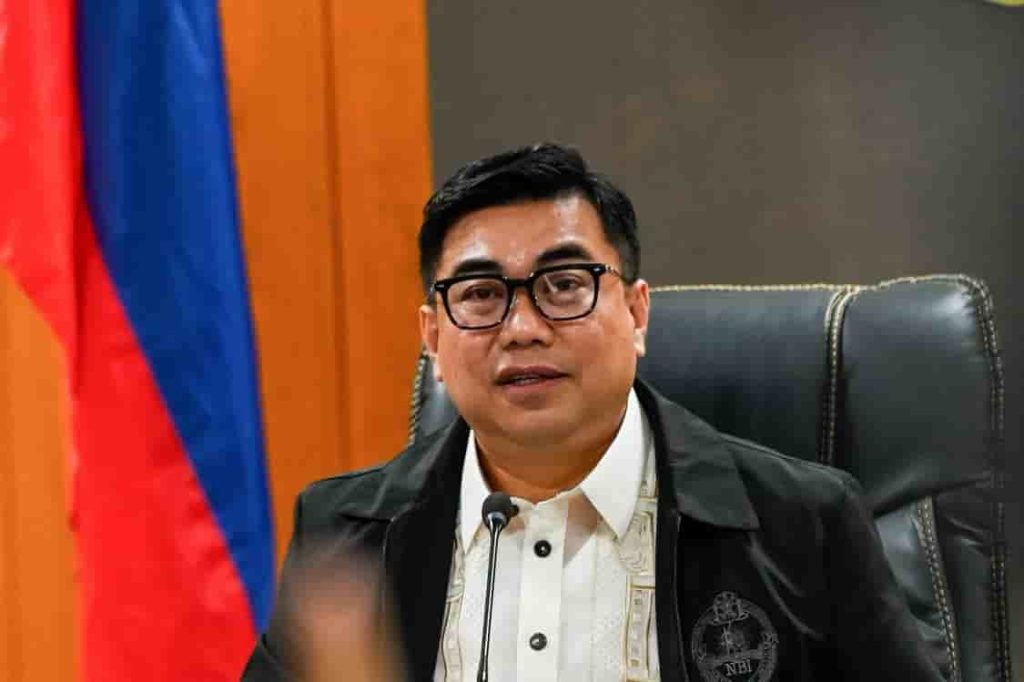
National Bureau of Investigation (NBI) Director Melvin Matibag has turned down Davao City Rep. Paolo “Pulong” Duterte’s request for him and the agency to inhibit themselves from the ongoing probe into allegations made by Rodulfo Gracioso Jr.
Matibag maintained that the NBI’s mandate is to investigate and establish facts, not to determine whether individuals are guilty of the accusations against them.
In a statement released Thursday, November 12, Matibag said Duterte’s request had no legal foundation and would not stop the investigation. Duterte’s lawyers had questioned the NBI’s impartiality, citing concerns over alleged bias and prejudgment.
Matibag confirmed that the bureau had received the letter from Duterte’s legal counsel seeking the inhibition of both the NBI and its director from handling Gracioso’s allegations.
“The NBI has received the letter of Rep. Paolo Duterte’s counsel asking the Bureau and its Director to stop investigating the allegations of Rodulfo M. Gracioso Jr. The request has no basis in law, and the investigation continues,” Matibag said.
READ MORE ARTICLES:
- NBI Chief Rejects Pulong Duterte’s Inhibition Bid, Says Probe Will Continue
- Palace: Gov’t fully prepared to counter cyberattacks
- Tinio Questions Pax Silica Deal Amid Uncertain US Congressional Support
- PAGCOR Faces Audit Over ₱412 Million in Undelivered Donation Goods
- Judiciary Marshals Join Probe Into Fatal Ambush of Basilan Judge Joseph Wee Sit
- Sara Duterte Defense Mounts Fight as Impeachment Trial Intensifies
The NBI director explained that the principle of inhibition invoked by Duterte’s lawyers generally applies to officials who are expected to make judicial or prosecutorial decisions. He said the NBI has a different responsibility because its role is to collect, examine and assess evidence as part of a fact-finding investigation.
According to Matibag, the NBI does not determine guilt but instead works to establish what the evidence shows.
“Inhibition, and the ‘cold neutrality’ counsel invokes, are standards for those who judge. The NBI does not judge. It establishes facts,” he said.
Matibag further clarified that any determination of probable cause would ultimately be the responsibility of the prosecutor or the Office of the Ombudsman if the case advances to that level. Duterte, he added, would have the opportunity to respond to the allegations through the proper legal process.
The NBI chief also responded to concerns over a reported remark that allegedly described Gracioso’s accusations as “99% true” while the investigation was still underway. Duterte’s legal team pointed to the statement, as well as the public release of Gracioso’s affidavit, in questioning Matibag’s impartiality.
Matibag, however, stressed that a polygraph test cannot independently prove that allegations are true or establish a person’s guilt.
He explained that the examination only provides an examiner’s assessment of possible indicators of deception and should not be treated as conclusive evidence supporting the allegations.
Instead, Matibag said the NBI would evaluate the claims through documentary evidence, official records and statements from individuals involved in the matter.
He also rejected Duterte’s claim that he had been denied a fair chance to respond because Gracioso’s affidavit reportedly became public before Duterte’s lawyers officially obtained a copy.
Matibag said Duterte had already been in possession of the affidavit since October 5 and remained entitled to participate in the investigation and submit his side.
“Rep. Duterte has been denied nothing the law gives him at this stage,” Matibag said.
He explained that a formal opportunity to contest the evidence would come during a preliminary investigation if the matter eventually proceeds to that stage.
The NBI director likewise dismissed concerns over opinion pieces he authored in 2024 that were critical of Vice President Sara Duterte. Matibag noted that the articles were written and published before he assumed his current position at the NBI.
He said the columns dealt with matters of public interest and were unrelated to the factual issues currently being examined in connection with Gracioso’s allegations. He maintained that the articles would not influence the investigation’s outcome.
Matibag also rejected Duterte’s comparison of the present situation with a previous case involving a Davao City prosecutor whose inhibition had been sought.
Duterte’s camp had referred to Matibag’s earlier decision to seek the prosecutor’s inhibition because of an alleged family connection involving former President Rodrigo Duterte’s partner.
Matibag said the two situations were substantially different. He explained that the prosecutor in the earlier case had a specific familial connection and was also tasked with deciding on a complaint, whereas the NBI’s current responsibility is limited to gathering and assessing facts.
“The comparison with the Davao City prosecutor does not hold,” Matibag said, emphasizing that the roles and circumstances involved in the two matters were not the same.
Following the rejection of the inhibition request, the NBI will proceed with its investigation into the allegations raised by Gracioso.
Matibag reiterated that the bureau will concentrate on examining evidence and establishing facts, while any eventual decision on probable cause or legal responsibility will be made by the proper authorities.
The disagreement has brought renewed public attention to the NBI probe, particularly regarding the evidence being examined, the manner in which the fact-finding process is being conducted, and questions surrounding the impartiality of those involved in handling the investigation.
- Italy Fines Meta €805 Million Over Privacy Violations
- LEPT Results September 2026 Teachers Board Exam in Elementary & Secondary
- Miss Universe 2026 Faces Controversies Ahead of Coronation
- Telegram Founder Pavel Durov Funds Free IVF for Women Using Donated Sperm
- LEYTE: Tacloban-Born Chef Earns Prestigious Michelin Star