Veteran journalist Karen Davila called out senators who became emotional as Senator Jinggoy Estrada surrendered to authorities on June 1 over a non-bailable plunder case linked to alleged kickbacks from flood-control projects. After Senators Camille Villar and Imee Marcos were seen tearful during the arrest, Davila emphasized lawmakers should reserve their compassion for ordinary citizens those robbed by corruption, affected by floods due to stolen funds, and struggling with hunger. She stressed officials must look beyond their circle and stand with the people who bear the brunt of corruption.
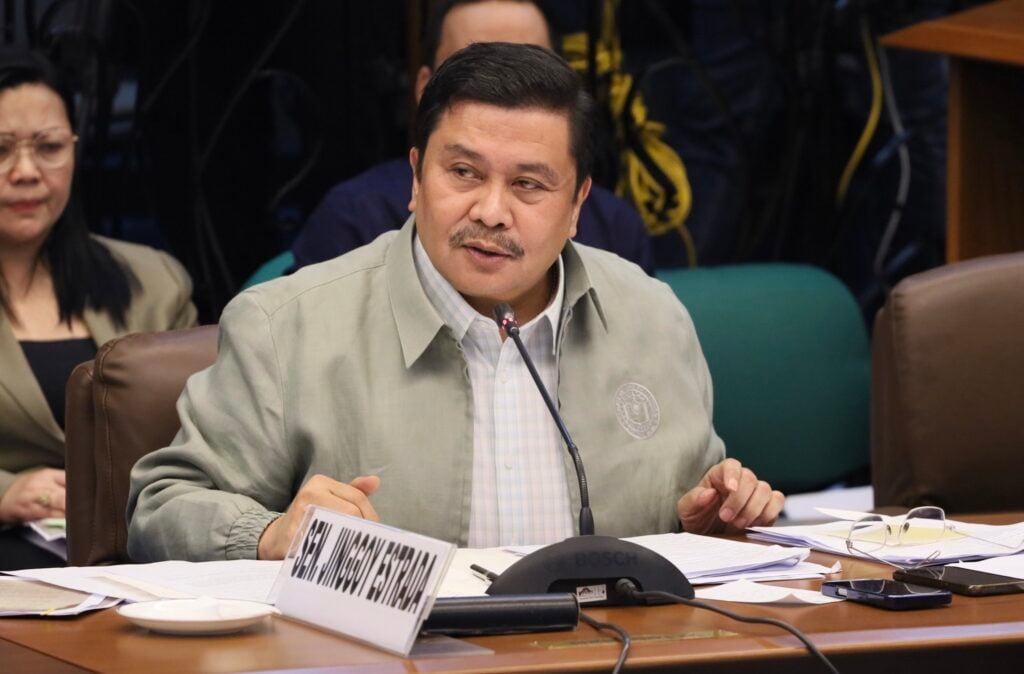
MANILA, Philippines — Senators wiping away tears as a colleague accused of plunder was led away by authorities. The cameras captured the emotion. The sympathy was visible. The concern was undeniable.
But where are those tears when ordinary Filipinos are drowning in floodwaters?
Where is that same emotion when families lose everything after every storm because flood-control projects worth billions fail to protect communities? Where is the public display of grief for workers struggling to feed their children as prices continue to rise? Where are the trembling voices for taxpayers whose hard-earned money is allegedly stolen through corruption?
Karen Davila’s remarks cut through the political theater with a simple but powerful challenge: cry for the people.
- Former Budget Chief Amenah Pangandaman Faces Graft, Malversation Complaints Over P167B Fund Transfers
- Police Reportedly Arrest Gawad Kalinga Founder Tony Meloto in Connection With Sex Trafficking Investigation
- New DepEd School Calendar for 2026–2027 Features 3 Terms, Wellness Breaks, and Streamlined Learning
- 2 Foreigners Arrested in Cavite, Tarlac for Child Exploitation; Japanese, American Fugitives Held for Deportation
- Bureau of Immigration Ready to Enforce Hold Departure Order vs. Rodante Marcoleta, 3 Others; No Recent Travel Recorded
- Sara Duterte: ICC Warrant Has No Legal Force in PH; Slams Misunderstanding of Sovereignty Amid Calls for Bato Dela Rosa’s Surrender
No one is saying that friendship and personal loyalty suddenly disappear when a colleague faces legal trouble. Human emotions are natural. But public officials occupy positions of trust, and their first loyalty should be to the Filipino people, not to the political class.
The arrest of Senator Jinggoy Estrada is not a conviction. He remains entitled to due process and the presumption of innocence until proven guilty in court. That principle must be respected. However, the charges against him involve allegations connected to public funds and flood-control projects—issues that directly affect millions of Filipinos.
That is why the public reaction has been so intense. Many citizens watched elected officials become emotional for one of their own while countless victims of corruption, poverty, and government neglect rarely receive the same visible compassion from those in power.
The anger is not simply about one senator. It is about a political culture where the ruling elite often appears more concerned with protecting each other than confronting the suffering of the people they were elected to serve.
Every flooded neighborhood tells a story. Every hungry child tells a story. Every taxpayer forced to endure crumbling infrastructure despite massive government spending tells a story. These are the stories that deserve tears. These are the people who deserve sympathy. These are the lives that should move lawmakers to action.
The Senate should not become a stage for emotional displays reserved for political allies. It should be a battleground against corruption, waste, and abuse of public trust. Filipinos do not need politicians who cry for the powerful. They need leaders who fight for the powerless.
Until that happens, many citizens will continue to see such displays not as compassion, but as a painful reminder of how disconnected the country’s political elite has become from the realities of everyday life.
Selective Justice and the Politics of Power
The Filipino people are not blind. They can see what is happening in government, and many are beginning to ask a troubling question: Why does accountability seem to apply only to some people while others appear untouchable?
For years, controversies surrounding flood control projects have dominated headlines. Billions of pesos have been allocated, yet many communities continue to suffer from devastating floods every rainy season. Roads become rivers, homes are submerged, and lives are disrupted. Despite public outrage and repeated questions about where the money went, the public has yet to see major convictions or high-profile officials being held accountable. This has fueled perceptions that powerful allies of the administration enjoy protection while critics and political opponents face swift investigations.
The contrast is what fuels public suspicion. When an official is aligned with the administration, allegations often seem to move slowly or disappear from public discussion. But when an individual is perceived as a political rival, government agencies suddenly become active, investigations accelerate, and legal cases dominate the news cycle. Whether this perception is accurate or not, it is becoming increasingly difficult for the administration to ignore.
Many Filipinos point to the treatment of political figures who have found themselves at odds with the current leadership. Critics argue that institutions such as the Ombudsman, the National Bureau of Investigation, and other agencies risk being viewed as political weapons whenever their actions appear selective. In a democracy, law enforcement agencies must be seen as independent, impartial, and guided solely by evidence. Once the public begins to suspect that justice depends on political affiliation, confidence in institutions erodes.
The political tension has also spilled into the Senate, where debates have become increasingly confrontational. Instead of serving as a venue for sober deliberation and independent oversight, critics argue that partisan divisions have transformed the chamber into a battlefield of political interests. The aggressive exchanges between blocs have reinforced public concerns that political loyalty now matters more than objective governance.
The controversy surrounding Vice President Sara Duterte has become another flashpoint in this debate. Her supporters view the investigations and criticisms directed at her as political pressure rather than purely legal scrutiny. Whether one agrees or disagrees with that assessment, the perception itself carries significant political consequences. When a substantial segment of the population believes that government institutions are being used against political opponents, trust in the system suffers.
President Ferdinand Marcos Jr.’s administration now faces a challenge that goes beyond policy or political strategy. It is a challenge of credibility. The public wants consistency. If there is corruption, prosecute it regardless of political affiliation. If there are anomalies in flood control projects, pursue those responsible with the same determination shown in other investigations. Accountability cannot be selective. Justice cannot wear political colors.
The anger heard from many ordinary Filipinos is not simply about personalities. It is about fairness. They want to see a government where allies and opponents are judged by the same standards, where institutions serve the law rather than political interests, and where public funds are protected regardless of who sits in power. Until that standard is consistently applied, accusations of political persecution and selective justice will continue to haunt the administration and deepen the public’s distrust of government.
aptikons
- Young Filipino Baseball Stars Shock Powerful Japan With Historic Championship Victory Together
- MANILA: PNP Verifies Reports Alleged Sabungeros Mastermind Atong Ang Fled Country Abroad
- MANILA: Mike Phillips Lumagda Sa Kyoto Hannaryz Para Sa Bagong Hamon Sa Japan
- NEW YORK: Mbappé Wins Golden Boot, Breaks Historic FIFA World Cup Scoring Record
- TACLOBAN: Pinauwi Estudyante ng Leyte National High School Dahil sa Panibagong Banta Seguridad