Health Secretary Teodoro “Ted” Herbosa has reportedly submitted his resignation to President Ferdinand Marcos Jr., citing health reasons and the need to undergo months of rehabilitation after a recent medical procedure, according to reports.
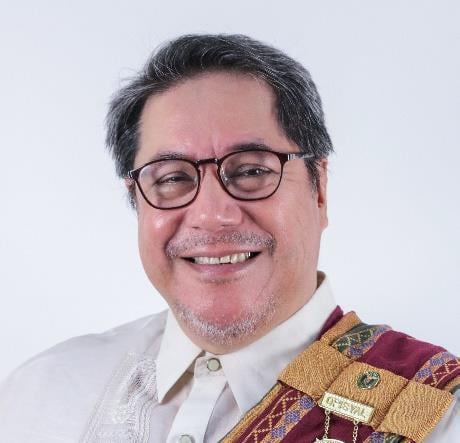
MANILA, Philippines – Health Secretary Teodoro “Ted” Herbosa has reportedly submitted his resignation from the Department of Health (DOH), citing health reasons and acknowledging that his current medical condition would prevent him from giving the agency the full attention and leadership it requires. If confirmed and accepted by President Ferdinand Marcos Jr., the move would mark the end of a tenure that was defined by ambitious healthcare initiatives, sweeping reforms, and a series of controversies that placed the country’s health sector under intense public scrutiny.
According to reports from Babbler, Herbosa formally offered his resignation to President Ferdinand Marcos Jr. after realizing that his recovery from a recent medical procedure would require months of intensive rehabilitation. The health secretary reportedly concluded that continuing to lead one of the government’s most demanding departments while undergoing treatment would not serve the best interests of the Filipino people.
READ MORE ARTICLES:
- Health Secretary Ted Herbosa Reportedly Resigns, Cites Health Condition and Need for Recovery
- CHED Employees File Complaints Against Chairperson Shirley Agrupis, Allege Abuse of Authority and Misuse of Government Resources
- Justin Dave Magboo Rises as Topnotcher in June 2026 PTLE
- Class Suspensions sa Hulyo 13, 2026: Listahan ng mga Lugar na Walang Pasok
- DITO–PLDT Network-Sharing Deal Fuels Speculation Over Deeper Strategic Alliance
- Atty. Carlo Joaquin “CJ” T. Narvasa: Young Lawyer, Center of Vice President Sara Duterte’s Senate Impeachment Defense
Sources familiar with the matter said Herbosa recently underwent surgery, an experience that prompted him to reassess both his personal health and his responsibilities as the country’s chief health official. He reportedly told colleagues that his doctors recommended three to four months of rehabilitation, making it impossible for him to fully perform the responsibilities expected of the Health Secretary during that period.
According to Babbler, Herbosa admitted that the operation served as a reminder that he also needed to prioritize his own well-being after years of serving in public office.
“I find it unfair that I will not be able to devote my full time and effort to important matters of the DOH,” Herbosa was quoted as saying, reflecting his belief that the department deserves a leader who can respond immediately and decisively to the country’s healthcare challenges.
His reported resignation comes at a time when the Department of Health continues to face major responsibilities, including strengthening public hospitals, expanding universal healthcare programs, addressing shortages in healthcare facilities, responding to emerging infectious diseases, improving vaccination campaigns, and ensuring equitable access to medical services across the country.
Herbosa is no stranger to the Philippine healthcare system. A respected physician by profession, he previously served as a Department of Health undersecretary before returning to government service under the administration of President Ferdinand Marcos Jr. He was appointed Health Secretary in 2023 after becoming one of the administration’s trusted advisers on public health and pandemic-related policies.
Throughout his career, Herbosa earned recognition for his extensive experience in emergency medicine, hospital management, disaster response, and public health administration. Many healthcare professionals viewed his appointment as an effort to strengthen the country’s healthcare system after the unprecedented challenges brought about by the COVID-19 pandemic.
Reports also indicated that Herbosa initially enjoyed strong political backing from former House Speaker Martin Romualdez. Even as political alliances shifted over time, he reportedly continued to receive support from Philippine Ambassador to the United States Jose Manuel “Babes” Romualdez, allowing him to remain at the helm of the Department of Health during a politically challenging period.
During his leadership, the Department of Health pursued several reforms aimed at modernizing healthcare delivery, improving hospital services, expanding healthcare accessibility in underserved communities, and strengthening the implementation of the Universal Health Care Act. The agency also worked to enhance disease surveillance, digitalize health records, improve emergency preparedness, and increase support for rural healthcare facilities.
However, Herbosa’s term was also overshadowed by a number of controversies that attracted public attention and triggered multiple investigations.
Among the most prominent issues was the controversial P1.8-billion mobile clinic procurement program, which became the subject of graft and corruption complaints. Critics questioned the procurement process, the project’s implementation, and whether public funds had been properly utilized.
Additional concerns emerged over reports involving billions of pesos worth of expired medicines, the handling and distribution of psychiatric drugs, allegations of bribery involving certain health transactions, accusations of misuse of government funds, and questions surrounding the implementation of the Medical Assistance for Indigent and Financially Incapacitated Patients (MAIFIP) program.
Some lawmakers and watchdog groups alleged that the MAIFIP program had been used for political purposes, particularly in the allocation of medical assistance. The allegations fueled debates about transparency, accountability, and the proper use of public resources intended to assist financially struggling Filipinos in accessing medical care.
Despite the mounting criticisms, Herbosa consistently denied any wrongdoing throughout his tenure. The Department of Health likewise maintained that all of its programs complied with existing government procurement laws, auditing regulations, and administrative guidelines. Officials repeatedly emphasized that the department’s initiatives were designed to improve healthcare access, strengthen medical services, and expand assistance for patients in need.
The department has also maintained that procurement projects and healthcare programs underwent the appropriate government processes and were implemented in accordance with established rules and regulations. Authorities have stressed that the complaints remain under investigation and that no final determination has yet been made regarding the allegations.
The reported resignation has generated mixed reactions from healthcare workers, government officials, and the public. Some expressed sympathy over Herbosa’s decision, recognizing that health should remain a priority even for public servants occupying the highest government positions. Others noted that leading the Department of Health requires constant attention, particularly as the country continues to confront long-standing healthcare challenges, making his decision understandable if his recovery would prevent him from fully carrying out his responsibilities.
Healthcare experts also pointed out that the leadership transition, should the resignation be accepted, comes at a crucial period for the country’s health sector. The next health secretary will likely inherit ongoing reforms, pending investigations, hospital modernization efforts, disease prevention programs, and the continuing task of improving healthcare accessibility for millions of Filipinos.
As of now, Malacañang has yet to officially announce whether President Ferdinand Marcos Jr. has accepted Herbosa’s reported resignation or who may eventually be chosen to lead the Department of Health should the position become vacant.
Until an official decision is announced, Herbosa remains associated with a department that continues to play a vital role in protecting public health while navigating both the opportunities and challenges facing the Philippine healthcare system. His reported decision to step aside underscores the difficult balance between personal well-being and public service, particularly for officials entrusted with managing one of the government’s most critical institutions. / aptikons