Liabilities and Net Worth (SALN) figures showing President Ferdinand Marcos Jr.’s declared wealth rising to approximately ₱475.93 million in 2025, with estimated asset values reaching about ₱1.45 billion, have renewed public attention on issues of transparency, governance, and economic inequality in the Philippines.
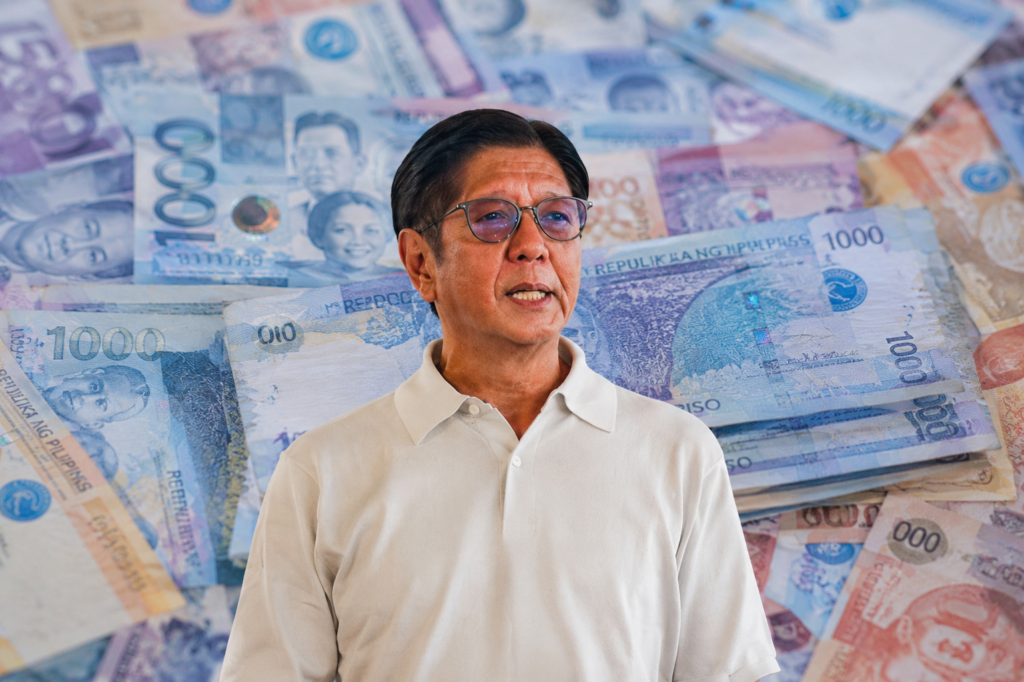
MANILA, Philippines — The latest figures from the Statement of Assets, Liabilities and Net Worth (SALN) showing President Ferdinand Marcos Jr.’s declared wealth rising to around ₱475.93 million in 2025, with an estimated fair market value of assets reaching approximately ₱1.45 billion, have once again brought public attention to the long-standing debate on wealth, governance, and inequality in the Philippines. According to official disclosures, the President’s net worth has steadily increased since assuming office in 2022, with gradual year-on-year growth driven mainly by increases in cash holdings, investments, and appraised values of personal assets such as artworks and properties.
READ MORE ARTICLES:
- UN Submission Questions ICC Detention of Duterte, Alleges Political Weaponization
- Bato dela Rosa’s Legal Moves Seen As Evasion, Not Defense; SolGen Tags Him ‘Fugitive’, Asks SC To Dismiss Bid Vs ICC Warrant
- Rowena Guanzon Emerges as the New Iron Lady of Asia in the Mold of Miriam Defensor Santiago
- DepEd Sets Brigada Eskwela 2026 from June 1–5; Classes to Open June 8 Under New 3-Term Calendar
For many ordinary citizens, these figures inevitably raise difficult questions about contrast and perception. While SALN documents are designed to promote transparency in public service, they also highlight the growing gap between high-level government officials and the average Filipino struggling with rising prices, stagnant wages, and economic insecurity. The discussion is not necessarily about legality alone, but about visibility how wealth changes in public office are interpreted in a society where millions continue to live paycheck to paycheck.
Under SALN rules, asset values are generally recorded at acquisition cost, meaning that increases in “current fair market value” often reflect appraisals rather than direct cash gains. Still, when combined with rising investments, bank deposits, and valuable collections such as art, vehicles, and other declared properties, the overall picture creates a strong public impression of expanding personal wealth during a period when many households feel financial pressure. This contrast fuels ongoing public debate about economic fairness and whether governance outcomes are being felt equally across society.
The steady increase in declared assets also draws attention to the broader structure of wealth in political leadership. In democratic systems, public officials are required to disclose their financial standing precisely to avoid suspicion and to maintain trust. However, disclosure alone does not always satisfy public concern, especially when economic inequality remains high. Even when increases in net worth are legally explained through investments, appreciation of assets, or financial growth over time, perception often becomes just as important as technical compliance.
In the Philippines, where issues of corruption allegations, government spending, and public fund utilization frequently enter public discourse, SALN figures are often interpreted not just as financial statements but as symbols of accountability. This is why even routine changes in declared wealth can become politically sensitive, particularly when citizens are simultaneously facing challenges such as inflation, unemployment, and limited access to basic services.
At the same time, it is important to recognize that SALN disclosures are structured to show both assets and liabilities, and that increases in valuation do not automatically indicate unexplained enrichment. Many assets, particularly real estate and art collections, naturally appreciate over time. Investments may also grow depending on market performance. These factors can contribute to higher reported values without necessarily reflecting new income from public office.
Still, the emotional weight of these numbers in public discussion cannot be ignored. When official wealth appears to rise steadily while many citizens feel left behind, it creates a perception gap that can weaken trust in institutions, regardless of the legal accuracy of the disclosures. This gap between technical explanation and public interpretation is where much of the controversy around SALN figures often emerges.
Ultimately, the debate sparked by the latest disclosures is not only about one individual or one administration. It reflects a deeper national conversation about transparency, inequality, and the expectations placed on public servants in a democratic society. As SALN policies evolve and access to such documents becomes more open again under revised guidelines, the challenge remains the same: ensuring that financial transparency leads not only to disclosure, but also to public confidence that governance is being exercised fairly and in the interest of all citizens.
Wealth, Disclosure, and Historical Allegations: A Continuing Debate on the Marcos Family’s Sources of Wealth
Discussions surrounding President Ferdinand Marcos Jr.’s declared wealth continue to extend beyond the figures reflected in his Statement of Assets, Liabilities and Net Worth (SALN). While his officially declared assets are attributed to a combination of lawful income, long-term public service earnings, investments, inheritances, and privately held properties, the broader public discourse in the Philippines often revisits historical and legal controversies linked to the Marcos family’s wealth.
On one hand, SALN disclosures are grounded in transparency rules that require public officials to declare their assets and liabilities. These declarations typically reflect legitimate sources such as salaries accumulated from decades in government service including roles in Congress, the Senate, and the presidency as well as returns from investments, business interests, and family inheritance. In principle, the SALN system is designed to provide a clear picture of financial standing within the bounds of lawful acquisition and valuation rules.
On the other hand, historical context continues to shape public interpretation of these disclosures. Various court rulings and findings involving the Presidential Commission on Good Government (PCGG) have long addressed allegations that portions of the Marcos family’s wealth during the elder Marcos administration were derived from ill-gotten or improperly acquired assets. Since 1986, the PCGG has reported recovering significant assets estimated at around ₱174 billion in various forms, including cash, real estate, jewelry, and corporate holdings from alleged unexplained or disputed sources linked to the Marcos era and associated individuals.
These two narratives legal declarations of current assets and unresolved historical controversies often intersect in public debate. While SALN figures focus on present-day financial standing and comply with existing disclosure laws, the broader historical record continues to influence how segments of the public interpret wealth accumulation within political families. This creates a persistent tension between legal documentation and public perception.
It is also important to distinguish between allegations, recovered assets, and proven personal ownership. Not all properties recovered or investigated by government bodies are directly attributable to current officeholders, and legal processes surrounding forfeiture and recovery often involve complex evidentiary standards and long-standing litigation.
Ultimately, the conversation around wealth and governance in the Philippines extends beyond individual disclosures. It reflects a continuing national discussion about accountability, historical justice, and the role of transparency in rebuilding public trust. As SALN reports remain a key instrument of disclosure, their interpretation will likely continue to be shaped not only by current financial data but also by the country’s unresolved historical and political narratives.
- Top 1 Most Wanted sa Region 8, Arestado sa Palompon, Leyte
- CTBA Apologizes as Format Change Threatens Strong Group’s Three-Peat
- Crypto, AI and Betting Firms Emerge as New U.S. Political Kingmakers
- Davao City’s ₱10-Billion Waste-to-Energy Project Moves Closer to Reality
- CLE RESULTS August 2026: Criminology Licensure Examination
- Alfred Tecsond Nagkuwento ng Umano’y Karanasan sa PNP General Bilang Kliyente
- ABS-CBN Holds Quiet Stockholders’ Meeting as P6-Billion Recapitalization Looms
- US Sanctions ICC President Tomoko Akane and Senior Lawyer in Latest Move Against Court
- Jonvic Remulla Urges Congress to Tighten Firearms Law, Revisit ‘Robin Padilla Law’ After School Shooting
- Carlos Yulo Chases Elusive Asian Games Gold in Japan
- Col. Raymund Dante Lachica Challenges Ramil Madriaga’s Claims in Sara Duterte Impeachment Hearing
- Colonel Raymund Dante Lachica Faces Scrutiny Over ₱125M Confidential Funds
- The Timeless Bond and Contemporary Crossroads of Philippines–China Relations
- Roblox, Terrorist Influence and Rising Youth Violence Alarm the Philippines
- DND Fires Back at Chinese Embassy Over Sanjia Steel Plant Raid
- Apat sugatan sa pagsabog sa burger store sa Calbayog; ₱600K pinsala
- Guanzon, Badoy Pinabulaanan: Walang Katotohanan ang Umano’y Lihim na Pagpupulong nina VP Sara Duterte at PBBM
- Prince Harry’s Endless Search for Happiness Raises Brutal Questions About His Life
- ACDD Tasking Platform Goes Offline After Users Report Unpaid Funds and ‘Tax’ Demands
- Rey Grabato II Named to FBI Most Wanted List Over $650 Million Fraud Case