A Cebu-based youth basketball team captured the inaugural EASL Future Champions title in Hong Kong, highlighting the depth of hidden Filipino talent and opening new opportunities for young athletes through international exposure, scholarships, and elite training programs.
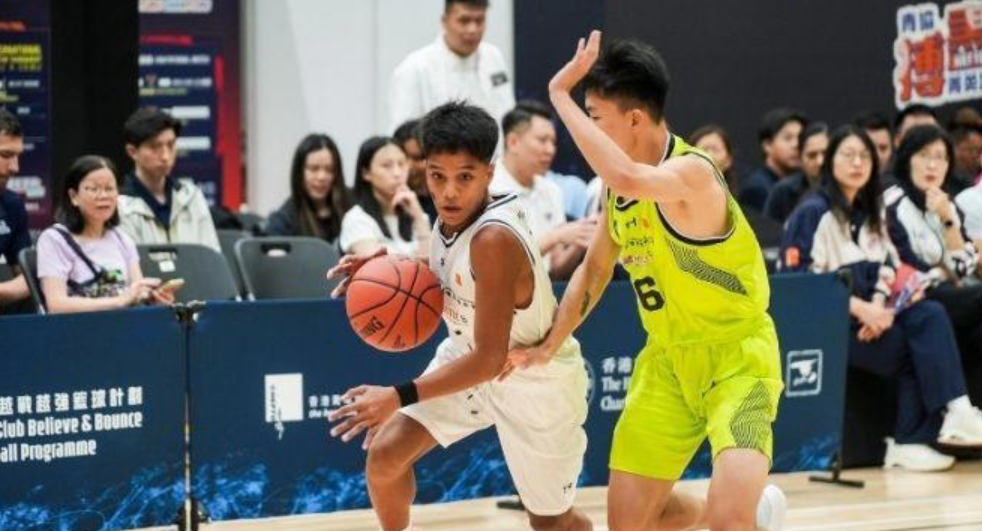
HONG KONG — A young basketball team from Cebu proved that the Philippines has many talented players waiting to be discovered after winning the inaugural East Asia Super League (EASL) Future Champions tournament in Hong Kong. Their championship victory not only brought pride to Cebu and the country but also highlighted the importance of giving overlooked athletes the opportunity to compete, develop their skills, and showcase their abilities on the international stage.
The Cebuano squad defeated Macau, 61-52, in the championship game held at Kai Tak Sports Park, completing an impressive run in the four-team tournament. The team finished at the top of the standings ahead of Macau and two teams representing Hong Kong, making history as the first-ever champions of the newly launched youth competition.
READ MORE OTHER ARTICLES:
- Macau Giant Pandas Complete Stunning Comeback For First Governors Cup Victory

- Cebu Youth Champions Showcase Untapped Philippine Basketball Talent and Promise
- Philadelphia Welcomes LeBron James As Championship Dreams Rise For Franchise Again Today
- USA: WNBA Star Sophie Cunningham Sparks Fierce Debate Over Transgender Athletes Nationwide
- JRU Heavy Bombers Capture Historic First FilOil EcoOil Preseason Championship Title
- Young Filipino Baseball Stars Shock Powerful Japan With Historic Championship Victory Together





Representing Cebu were Domenic de Asis, Mc Dome de Asis, Dwayne Rojo, Venz Nadela, Dereck Wenceslao, Brix Hernando, Kieffer Villarin, Duke Tadlas, Kent Labitad, and Ian Inocencio. Despite coming into the tournament without the same level of recognition as many established youth players in the country, they displayed discipline, teamwork, and determination throughout the competition.
Their championship performance became more meaningful after Samahang Basketbol ng Pilipinas (SBP) Executive Director Erika Dy said the team’s success showed that many talented basketball players across the Philippines remain unnoticed simply because they have not yet been given enough opportunities.
Dy explained that basketball is deeply loved by Filipinos from all walks of life. While fans often focus on players seen in televised leagues and major school tournaments, countless young athletes continue to play in barangays, community courts, and neighborhood leagues across the country. Many of these players possess the talent needed to compete at a high level but are often overlooked because they were not recruited by well-known schools or established basketball programs.
According to Dy, some young players develop later than others and should not be judged solely based on whether they played in prestigious junior leagues. She emphasized that many of these athletes simply need a chance to prove themselves and that programs like the EASL Future Champions tournament can serve as a bridge toward bigger opportunities.
She stressed that giving young players international exposure at an early age is a significant step in their development. Competing against teams from other countries allows athletes to improve their skills, build confidence, and gain valuable experience that cannot always be learned in local competitions.
The success of the Cebuano squad also translated into life-changing opportunities for several players. Four members of the championship team Brix Hernando, Dereck Wenceslao, Domenic de Asis, and tournament Most Valuable Player Kent Labitad earned basketball scholarships to the University of San Jose-Recoletos. The scholarships will allow them to continue their education while pursuing their basketball careers at the collegiate level.
Meanwhile, five players Domenic de Asis, Venz Nadela, Kent Labitad, Dwayne Rojo, and Dereck Wenceslao will travel to Okinawa, Japan, next month for specialized basketball training with the Ryukyu Golden Kings, one of the strongest professional basketball organizations in Asia. The training program is expected to expose the young athletes to advanced coaching methods, higher-level competition, and professional basketball culture.
Dy said the program intentionally searched for players who were not already part of the country’s most recognized basketball systems. Instead of focusing on athletes from the NCAA Juniors, UAAP Juniors, or CESAFI, organizers looked for players who had largely remained outside the radar of traditional scouting programs.
She explained that Cebu became an ideal location for the project because of its strong basketball culture and the abundance of talented young athletes who have not yet received national attention. According to her, the goal was to discover players who had been overlooked and provide them with opportunities that could change the direction of their careers.
The SBP believes the project demonstrates that basketball talent exists in every corner of the Philippines. Whether in urban centers or rural communities, many young Filipinos continue to play the sport with passion despite having limited access to formal training, elite coaching, or competitive tournaments.
The championship also reinforced the value of grassroots basketball development. Rather than relying solely on traditional recruitment pipelines, programs that actively search for hidden talent can uncover athletes capable of succeeding at higher levels of competition. The Cebu team’s victory became proof that determination, hard work, and proper guidance can help unknown players compete against the best.
Among all the players, Kent Labitad stood out with his outstanding performance throughout the tournament. His efforts earned him the Most Valuable Player award, further strengthening his reputation as one of the country’s promising young basketball prospects. Dy noted that Labitad still belongs to the younger age group, giving him plenty of time to continue developing his game.
Although she acknowledged that it is still too early to predict the players’ futures, Dy believes several members of the team possess the potential to eventually represent the Philippines in international competitions. She emphasized that with proper training, continuous development, and more playing opportunities, some of them could become future members of the national basketball team.
The SBP also expressed its commitment to continuing its partnership with the East Asia Super League in organizing similar development programs for young Filipino athletes. League officials are reportedly planning to expand more grassroots initiatives in the Philippines, creating additional pathways for aspiring basketball players from different regions of the country.
Such expansion could benefit thousands of young athletes who dream of playing basketball professionally but lack the exposure needed to attract scouts, coaches, and schools. By organizing more tournaments, training camps, and international exchanges, the program aims to discover the next generation of Filipino basketball stars regardless of where they come from.
The victory in Hong Kong serves as a reminder that talent alone is not enough. Young athletes also need opportunities, support, and proper development to reach their full potential. The Cebuano champions demonstrated that when overlooked players are given the chance to compete on a bigger stage, they can exceed expectations and bring honor to their communities and to the Philippines.
As the inaugural EASL Future Champions tournament concluded, the triumph of the Cebu squad became more than just a championship story. It became an inspiring example of how grassroots sports programs can transform lives, open doors to education, provide international opportunities, and strengthen the future of Philippine basketball by uncovering talented players who were once hidden from the spotlight. / aptikons