
Typhoon Maysak is expected to make a second landfall near the China-Vietnam border, prompting widespread emergency responses across southern China as authorities warn of torrential rain, destructive winds, and severe flooding. Thousands of residents have been evacuated, transportation services suspended, and disaster response teams deployed as Guangxi, Hainan, and Guangdong brace for worsening weather conditions that threaten millions of people.
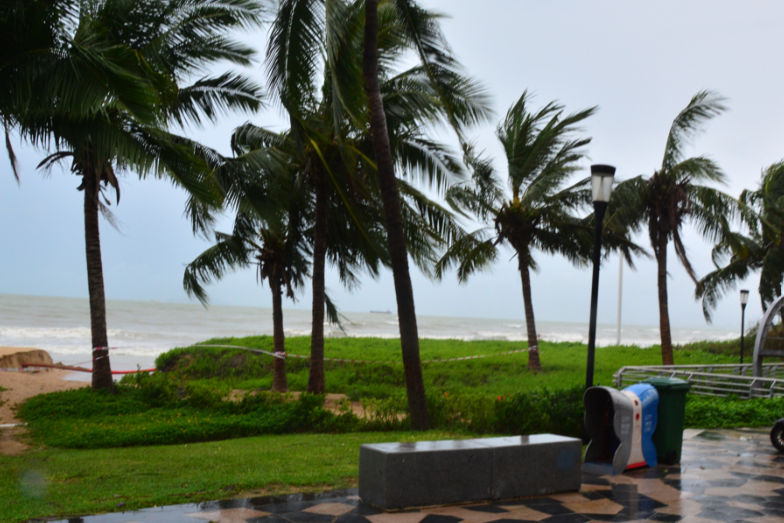
CHINA – Southern China is facing another round of dangerous weather as Typhoon Maysak, the 10th tropical cyclone of the year, continues its destructive path toward a second landfall, prompting widespread emergency preparations, mass evacuations, transportation shutdowns, and heightened flood warnings across several provinces. Authorities have warned that the powerful storm could unleash torrential rainfall, destructive winds, and life-threatening flooding, placing millions of residents at risk as it moves toward the border area between China’s Guangxi Zhuang Autonomous Region and northern Vietnam.
The National Meteorological Center (NMC) issued a blue alert at 6:00 a.m. on Saturday, forecasting that Typhoon Maysak would strike the coastline near the Guangxi-Vietnam border later that evening after previously making landfall in Hainan Province. Weather experts warned that the cyclone remains capable of producing severe weather conditions despite its earlier landfall, bringing another wave of heavy rainfall and strong winds across southern China.
As the storm approaches, the Chinese government has intensified its disaster response efforts. The State Flood Control and Drought Relief Headquarters confirmed that Level IV emergency responses for flood and typhoon disasters will remain in effect across Hainan, Guangxi, and Guangdong provinces. Emergency response teams dispatched by national authorities continue working alongside local governments in the hardest-hit areas, coordinating rescue readiness, monitoring flood conditions, and implementing preventive measures aimed at minimizing damage and protecting communities vulnerable to the storm.
READ MORE ARTICLES:
- THAILAND: 10 Monks Killed, Multiple Injured as 11-Year-Old Boy Drives Truck
- 21,000 Join Visayas Job Fairs for Skills and Careers
- Team Leyte Pilipinas Shines in Taiwan Cage Invitational
- Ex-Abuyog Vice Mayor, Son Slain; 3 Suspects Arrested
- Marilen Gonzales-Elizalde Explores Shanghai’s Timeless Beauty and Modern Luxury
Meteorologists have expressed particular concern over Guangxi, where rainfall associated with Maysak could exceed historical averages for this time of year. Authorities warned that the prolonged downpours may trigger severe flooding in rivers throughout the region, especially along the Xijiang River and its tributaries, which are expected to rise beyond official warning levels. Officials also cautioned that the broader Pearl River Basin faces an elevated risk of dangerous flooding if rainfall intensifies as forecast.
According to the NMC, Guangxi will endure three consecutive days of strong winds and heavy rain, with the most intense weather expected to begin Saturday night as the typhoon approaches land. Major cities including Nanning, Beihai, and Guilin are forecast to receive widespread heavy rainfall, while some areas could experience torrential or exceptionally heavy downpours capable of causing flash floods, landslides, and widespread disruptions to transportation and public services.
Powerful winds accompanying the storm are also expected to batter coastal communities. Forecasters predict sustained winds reaching Force 7 to Force 8 on the Beaufort scale, with gusts intensifying to Force 9 or even Force 10 in exposed coastal locations. Such wind speeds have the potential to damage infrastructure, uproot trees, disrupt electricity supplies, and pose significant risks to marine operations.
Recognizing the increasing threat posed by the storm, Guangxi authorities upgraded the region’s emergency response for major meteorological disasters to Level III. Local governments have accelerated disaster preparedness measures, mobilizing emergency personnel while implementing precautionary restrictions to protect residents and maritime workers.
Among the most significant preventive actions has been the complete suspension of maritime transportation and recreational activities. According to local maritime officials, all passenger ferries, transport vessels, and tourist yachts operating under the jurisdiction of Fangchenggang’s Qisha Maritime Station have ceased operations. Authorities also halted all marine tourism activities as dangerous sea conditions continue to worsen.
Officials further confirmed that vessels transporting hazardous materials completed cargo unloading before the arrival of the storm to ensure no dangerous goods remain in port facilities that could become vulnerable during extreme weather. These precautionary measures are intended to reduce the risk of environmental accidents and ensure safer conditions should the typhoon intensify further after making landfall.
Meanwhile, neighboring Hainan Province continues to struggle with the effects of Typhoon Maysak after the cyclone first struck the island on Friday evening. The Hainan Meteorological Service renewed its Level III typhoon warning on Saturday morning, forecasting continued heavy rainfall throughout the day. Some areas of the island are expected to receive more than 200 millimeters of accumulated rainfall, significantly increasing the likelihood of flooding and landslides.
Strong winds continue to lash Hainan’s coastal communities, where sustained gusts ranging from Force 8 to Force 10 are forecast, with peak gusts potentially reaching Force 11. Such conditions pose serious threats to coastal infrastructure, fishing communities, and maritime navigation.
In response to the deteriorating weather, authorities also issued a yellow geological disaster risk alert for Hainan Province, warning residents about the possibility of landslides, mudslides, and collapsing slopes in mountainous and flood-prone areas as saturated ground conditions worsen.
The impact of Typhoon Maysak has already caused major disruptions across the island. Rail services connecting Hainan to mainland China were suspended beginning Friday and remained halted through Saturday. Ferry operations were also canceled, while airports experienced widespread flight disruptions.
At Sanya Phoenix International Airport alone, dozens of flights were canceled as airlines prioritized passenger safety amid dangerous weather conditions. Transportation officials warned that additional cancellations and delays remain possible depending on the storm’s movement and intensity.
Tourism has also suffered significant setbacks. Several of Hainan’s most popular attractions temporarily suspended operations, including the well-known Wuzhizhou Island tourist resort in the city of Sanya. Local authorities have advised visitors to avoid coastal destinations until weather conditions improve and safety inspections are completed.
Elsewhere in southern China, Guangdong Province has launched extensive evacuation efforts ahead of the storm’s arrival. Emergency management authorities reported that more than 23,000 people had already been relocated from vulnerable areas. Those evacuated include thousands of offshore workers, fishermen, and coastal residents living in areas considered highly susceptible to flooding, storm surges, and strong winds.
Emergency shelters have been activated across affected provinces as officials prepare for the possibility of prolonged rainfall and additional evacuations if river levels continue to rise. Rescue teams, emergency medical personnel, and disaster response units remain on standby to respond rapidly should flooding or landslides isolate communities.
Weather experts warn that Typhoon Maysak’s influence extends well beyond its immediate path. The National Meteorological Center forecasts that coastal regions throughout southern China will continue experiencing intense rainfall over the next three days, with several localities likely to receive exceptionally heavy downpours capable of overwhelming drainage systems and triggering widespread flooding.
Authorities continue urging residents to remain indoors during periods of severe weather, avoid unnecessary travel, monitor official weather advisories, and comply with evacuation orders where issued. Fishermen and maritime operators have likewise been instructed to remain in port until sea conditions improve.
As Typhoon Maysak advances toward its projected second landfall, emergency agencies remain on high alert, emphasizing that the combination of destructive winds, prolonged heavy rainfall, swollen rivers, and saturated ground conditions presents a serious threat to lives, infrastructure, agriculture, and transportation across southern China and parts of northern Vietnam. Officials continue to monitor the storm around the clock while coordinating emergency operations to reduce its impact on millions of people living along its projected path.
APTIKONS