he growing popularity of GLP-1 medications for weight management and diabetes treatment is creating an unexpected financial challenge for millions of users, with new research showing that some patients are struggling to balance the cost of their prescriptions with their long-term retirement savings.
A 2026 healthcare costs survey by Nationwide Retirement Institute found that approximately half of GLP-1 medication users worry they may eventually have to choose between paying for their medication and saving enough money for retirement. The findings highlight the financial pressures associated with maintaining access to increasingly popular prescription treatments.
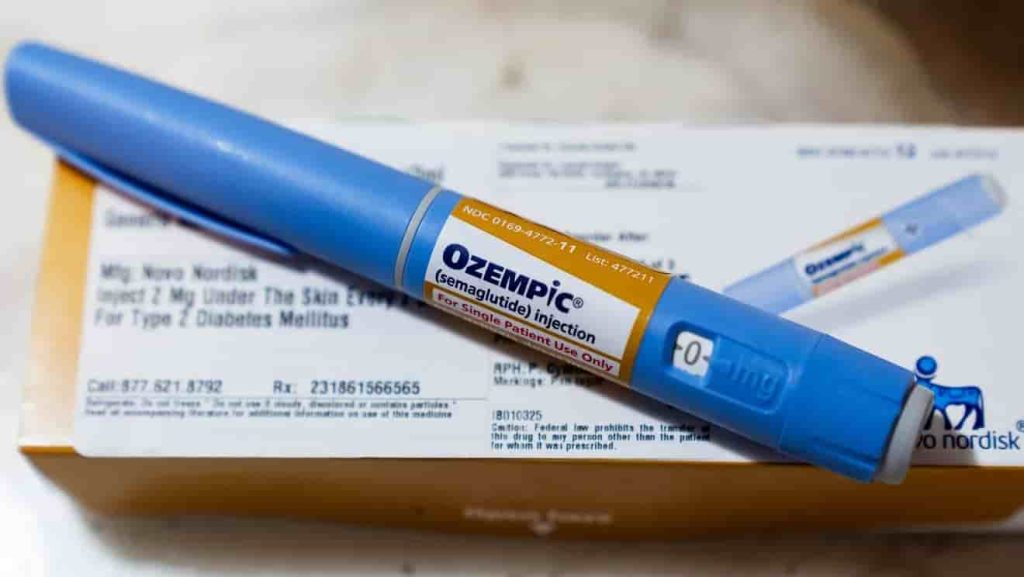
The survey, which involved 1,933 American adults questioned during the summer, also revealed that nearly one-quarter of GLP-1 users consider maintaining access to their medication more important than increasing their retirement savings.
The results illustrate how healthcare expenses can influence major financial decisions, particularly for individuals who rely on prescription medications for ongoing treatment.
GLP-1 medications have attracted significant attention because of their effectiveness in helping manage blood sugar levels and supporting weight loss. Their increasing popularity has also created growing demand for treatments that can involve substantial long-term expenses, particularly for patients without adequate insurance coverage.
READ MORE:
- GLP-1 Drug Costs Force Users to Choose Between Medication, Retirement
- Democrats Threaten Subpoenas for AI CEOs, Igniting Silicon Valley Backlash
- U.S. Judge Orders Removal of Three Taxpayer-Funded Trump Ads
- Trump Reschedules Iowa, Kansas Rallies Ahead of Crucial Midterm Elections
- Robert E. Hall and Michael Woodford Win Nobel Prize in Economics
Research from Virginia Commonwealth University further highlights the financial challenges facing users. The study found that median annual out-of-pocket spending among GLP-1 users exceeded $1,500, while nearly one in five patients spent more than 10% of their annual household income on these medications.
The financial burden was particularly significant among uninsured individuals and lower-income households, which experienced the highest out-of-pocket expenses.
For patients who need to maintain treatment over an extended period, these costs can place additional pressure on household budgets, making it more difficult to manage everyday expenses, build emergency savings, and prepare financially for retirement.
Kristi Rodriguez, leader of the Nationwide Retirement Institute, said the growing expenses associated with GLP-1 medications are forcing people to reconsider how they balance healthcare spending and retirement planning.
She emphasized that the financial impact of these treatments is creating a new conversation about the relationship between healthcare affordability and long-term financial security.
The findings also raise broader questions about access to modern medical treatments and the financial challenges facing patients who depend on expensive prescription drugs.
Although GLP-1 medications offer important health benefits for eligible patients, the cost of maintaining treatment can become a significant concern, particularly when insurance coverage is limited or unavailable.
- Magnitude 5.7 Earthquake Hits Central Japan, Injuring 22 and Disrupting Bullet Train Services
- Ghanaian Self-Proclaimed Prophet Faces Backlash Over Alleged Mercedes-Benz Purchase Using Donations
- Alphabet Loses $500 Billion as AI Fears Shake Google Search
- PRC: LET [Q-R-S-T] Secondary September 2026 List of Passers
- Alex Eala Reaches Hong Kong Open Final After Beating Maria Sakkari
As demand for these medications continues to grow, healthcare affordability and prescription coverage are likely to remain important issues for patients, employers, insurers, and policymakers.
For many Americans, the challenge is no longer simply deciding whether a medication can improve their health. It is also determining whether they can afford to continue treatment without sacrificing their financial future.
GLP-1 Users Face Retirement Savings Risks as Weight-Loss Drug Costs Force Financial Decisions
Millions of people using GLP-1 medications for weight management and other health conditions are facing growing financial challenges, with new research revealing that high prescription costs are forcing patients to borrow money, withdraw savings, reduce retirement contributions, and even postpone other medical treatments.
According to the 2026 Healthcare Costs Survey conducted by Nationwide Retirement Institute, more than half (54%) of current GLP-1 users have already changed their financial habits because of the high cost of their medications.
The survey identified several major financial adjustments among users. Approximately 17% reported taking on debt through credit cards or personal loans, while 14% withdrew money from their savings, investments, or retirement accounts. Another 14% reduced their retirement contributions or investments, and 10% delayed or avoided other medical care to afford their prescriptions.
The findings highlight the growing financial consequences of maintaining access to GLP-1 medications, particularly for people who expect to use these treatments over an extended period.
Despite the financial pressure, many users remain optimistic about the potential health benefits of the medications. Nearly 88% of current GLP-1 users said taking the drugs makes them feel more positive about their long-term health.
However, this optimism may also influence their retirement decisions. The survey found that 64% of users believe they may retire later because they feel healthier while taking the medication.
Additionally, 59% said the expected health benefits of GLP-1 treatments make them feel less pressure to increase their retirement savings. Another 57% reported feeling less concerned about needing additional health or long-term care insurance in the future because of the anticipated benefits of their medication.
Financial experts warn that improved health and potentially longer life expectancy should not lead people to underestimate the amount of money they will need during retirement.
Kristi Rodriguez, leader of Nationwide Retirement Institute, emphasized that living longer and maintaining better health also require sufficient financial preparation. People who remain healthy beyond traditional retirement age may continue working longer, but they must also ensure their retirement savings can support them throughout an extended lifespan.
The financial challenge becomes even more significant for individuals who expect to continue taking GLP-1 medications for many years. Because some patients may require long-term treatment, prescription expenses could become a continuing financial responsibility even after they stop working.
The survey found that nearly 60% of current GLP-1 users worry about whether they will be able to afford their medications during retirement.
Patrick Simasko, an elder law attorney and financial adviser at Simasko Law, warned that prioritizing expensive medications without maintaining retirement savings could create serious financial difficulties later in life.
He explained that some individuals may eventually find themselves without sufficient retirement funds and become dependent on Social Security benefits or financial assistance from family members.
However, relying on inheritance or money from relatives is not a dependable retirement strategy because family circumstances can change, assets can be lost, and unexpected financial problems may arise.
Simasko also raised concerns about the future of Social Security, emphasizing the importance of preparing financially rather than depending entirely on government retirement benefits.
Financial specialists recommend that GLP-1 users develop a realistic budget that considers both their healthcare expenses and long-term retirement needs.
Rodriguez encourages individuals, particularly those who expect to continue using GLP-1 medications, to consult qualified financial advisers and create a retirement strategy that accounts for potentially rising healthcare costs and longer life expectancy.
People can also use retirement healthcare cost calculators, including Nationwide’s online assessment tool, to estimate medical expenses that may not be covered by Medicare and understand how those costs could affect their retirement savings.
Simasko recommends making retirement contributions a priority by consistently funding retirement accounts and taking advantage of employer matching programs whenever available.
He also advises workers to automate retirement contributions through payroll deductions so that savings become a regular financial commitment rather than something left over after monthly expenses.
For individuals using GLP-1 medications, the key is to balance healthcare needs with financial security instead of sacrificing their entire retirement preparation to maintain access to treatment.
The growing popularity of GLP-1 drugs demonstrates how medical advancements can improve people’s expectations about their health and quality of life. However, the financial consequences also highlight an important reality: living longer and healthier requires more than access to medication. It also requires a sustainable financial plan capable of supporting healthcare expenses and everyday needs throughout retirement.
ADS