The United States Food and Drug Administration (FDA) has raised concerns over popular diabetes and weight-loss medications, including Ozempic, Wegovy, Mounjaro, and Zepbound, warning of a potential link to a rare eye condition that may cause sudden vision loss and, in severe cases, permanent blindness.
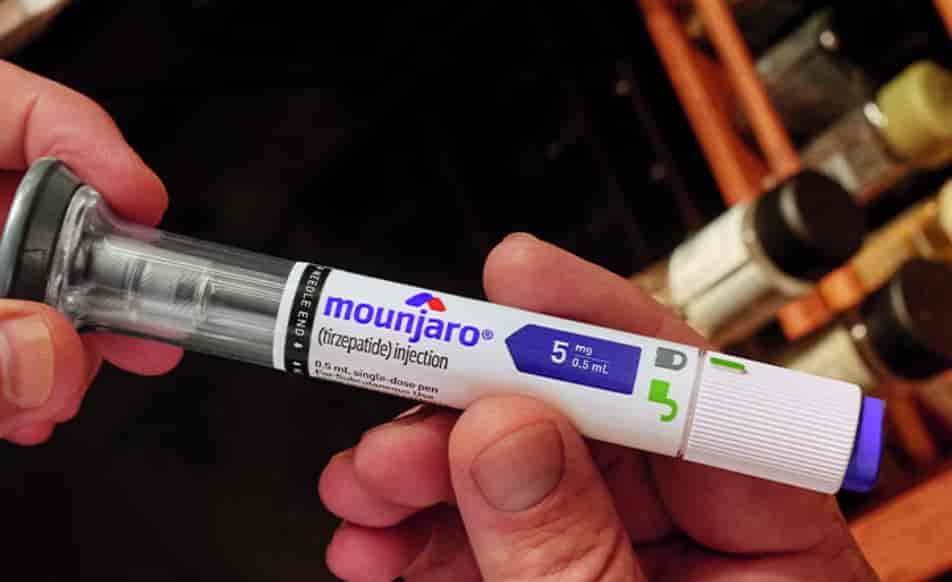
The United States Food and Drug Administration (FDA) has released a safety advisory concerning widely used medications for diabetes and weight management, such as Ozempic, Wegovy, Mounjaro, and Zepbound. The warning highlights a possible association between these drugs and a rare eye disorder that may result in sudden vision impairment and, in severe cases, permanent blindness.
The eye condition, medically referred to as non-arteritic anterior ischemic optic neuropathy (NAION), develops when the supply of blood reaching the optic nerve becomes restricted. This can cause damage to the nerve responsible for carrying visual signals from the eyes to the brain. People affected by the condition may experience an abrupt and painless loss of sight, particularly in one eye.
As part of its investigation, the FDA assessed findings from 126 clinical trials involving more than 134,000 participants who were given GLP-1 medications or alternative treatments. The review recorded approximately 6.4 NAION cases for every 100,000 person-years among individuals using GLP-1 receptor agonists. In comparison, the reported rate was 3.8 cases per 100,000 person-years among participants receiving placebos or other diabetes treatments that do not belong to the GLP-1 drug class.
READ MORE ARTICLES:
- US FDA Warns Weight-Loss Drugs May Increase Risk of Blindness
- FAA Lifts Nationwide Ground Stop After Major Air Traffic
- US Democrats Target Tech Giants as AI Security Concerns Trigger Congressional Probe
- OpenAI Sued Over Deaths of Bowen Wan, Sam Nelson, Zane Shamblin, Adam Raine
- GLP-1 Costs Threaten Retirement Savings as Drug Use Continues Rising
While NAION is considered an uncommon condition, the FDA said the available evidence is sufficient to justify stronger safety disclosures for both patients and medical professionals. Its assessment also considered findings from observational research, animal studies, and submitted reports involving possible adverse reactions.
In response to the findings, the FDA instructed pharmaceutical companies producing GLP-1 medications to update their product information by including the potential risk of NAION under the Warnings and Precautions section. The labeling changes apply to medications prescribed for diabetes management and weight reduction, including Ozempic, Wegovy, Mounjaro, and Zepbound.
Patients using these medications are encouraged to seek urgent medical evaluation if they notice sudden changes in their vision, including blurred eyesight, blind spots, or unexpected vision loss. The FDA also advises healthcare providers to arrange prompt assessment by an eye specialist when a patient shows symptoms that may indicate NAION.
Despite the warning, patients should not stop taking their prescribed medication without first seeking medical advice. Those experiencing possible symptoms of the condition should consult their doctors to determine the appropriate course of action and carefully evaluate the benefits and potential risks of continuing treatment.
The FDA noted that additional studies are still necessary to establish a clearer understanding of the possible connection between GLP-1 medications and NAION. Although the findings have raised safety concerns, they do not conclusively prove that these medicines directly cause the eye disorder.
- Babae mula Naval, Biliran, nasawi sa aksidente sa motorsiklo
- Elon Musk Developing Two Philippine Islands
- PRC: CHELE RESULTS November 2026 Chemical Engineer Licensure Exam Passers
- Mga Bahagi ng Katawan ng Tao, Natagpuan sa Tubuhan sa Ormoc City
- DepEd kinondena ang pagpatay sa school principal sa Maguindanao del Sur