Malaysia and Thailand have reached a breakthrough in resolving long-standing fisheries concerns, paving the way for expanded agricultural cooperation, stronger border connectivity, enhanced security, and deeper economic ties as both nations reaffirm their commitment to regional growth and stability.
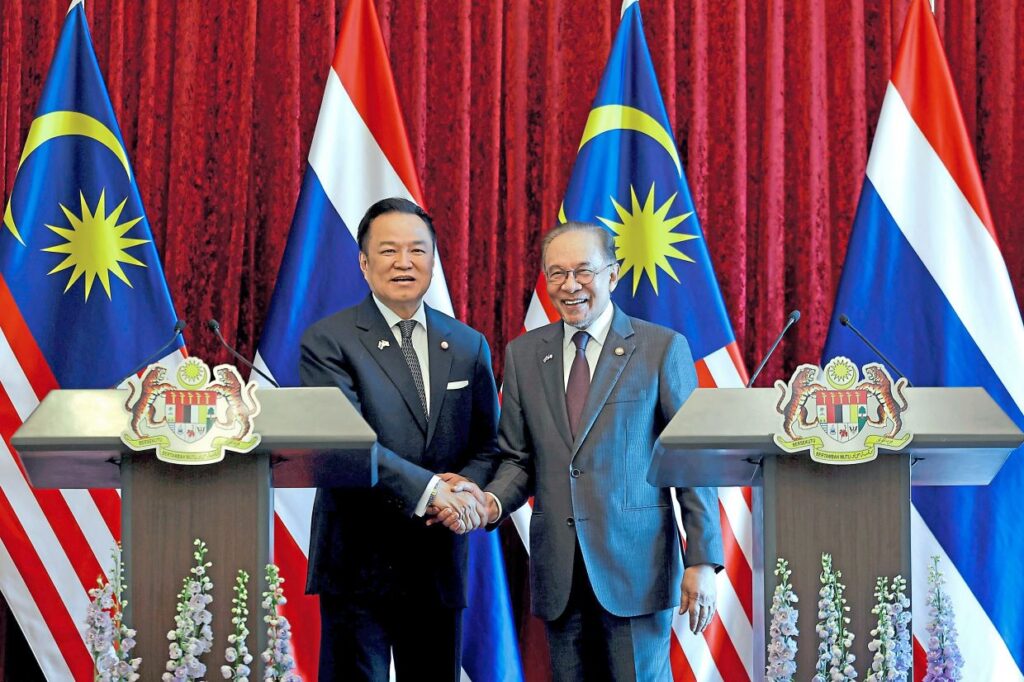
Malaysia and Thailand have taken a significant step toward strengthening bilateral relations after resolving outstanding fisheries issues that had strained trade between the two neighboring nations. The breakthrough came during the first official visit of Thai Prime Minister Anutin Charnvirakul to Malaysia since his reappointment, where he held high-level discussions with Malaysian Prime Minister Anwar Ibrahim aimed at expanding cooperation in agriculture, trade, infrastructure, border development, and regional security.
Speaking during a joint press conference following both a private meeting and formal bilateral discussions, Anwar announced that unresolved fisheries concerns between the two countries had been successfully addressed after extensive negotiations involving their respective agriculture ministries. He described the development as an important milestone that demonstrates the willingness of both governments to resolve sensitive issues through dialogue and mutual understanding.
READ MORE ARTICLES:
- Thai Police Bust Birth Registration Syndicate Granting Citizenship Through Fake Fathers
- Kerala Landslide Tragedy Exposes India’s Growing Climate and Infrastructure Crisis
- China Landslide Death Toll Reaches 21 After Deadly Gansu Mountain Collapse
- Retired Indian Judge Leads Landmark UN Probe, Palestinian Children’s Deaths in Gaza
- Nigeria Celebrates Terrorist Surrenders While Victims Continue Seeking Justice and Recovery
- Türkiye Eyes F-35 Deal as NATO Leaders Gather for High-Stakes Defense Summit
According to Anwar, both agriculture ministers had initially proposed that a newly negotiated memorandum of understanding (MOU) should take effect within one month. However, after further discussions, the two governments agreed to accelerate implementation, reducing the waiting period to just one week. The decision reflects the urgency both administrations place on restoring confidence among agricultural producers and ensuring uninterrupted trade between the neighboring countries.
The agreement comes after Malaysia introduced stricter import regulations beginning June 1, 2026, affecting Thai sea bass and five species of shrimp. Those measures had raised concerns among exporters and industry stakeholders over possible disruptions in seafood trade and the potential oversupply of domestic products. The newly signed agreement is expected to ease these concerns by establishing clearer rules and stronger cooperation mechanisms between the two nations.
Following the bilateral meeting, both prime ministers witnessed the formal exchange of the agricultural cooperation memorandum signed by Malaysia’s Agriculture and Food Security Minister Datuk Seri Mohamed Sabu and Thailand’s Agriculture and Cooperatives Minister Suriya Jungrungreangkit. The agreement establishes a broad framework for long-term collaboration covering crop production, livestock development, fisheries management, agricultural trade, product marketing, scientific research, innovation, capacity building, and the implementation of sanitary and phytosanitary standards designed to improve food safety and facilitate cross-border commerce.
Government officials believe the agreement will encourage greater investment in agriculture while strengthening food security throughout the region. By expanding cooperation in research and technology, both countries aim to improve productivity and create more resilient agricultural industries capable of responding to climate challenges and evolving market demands.
Beyond agriculture, the two leaders reaffirmed their commitment to improving cross-border connectivity through major infrastructure projects. Among the most notable initiatives is the official opening of the road connecting the Immigration, Customs, Quarantine and Security (ICQS) Complex in Bukit Kayu Hitam, Malaysia, with the Customs, Immigration and Quarantine (CIQ) Complex in Sadao, Thailand. The new connection is expected to significantly improve the movement of people, goods, and commercial traffic across one of Southeast Asia’s busiest land borders.
Anwar emphasized that visits by heads of government to remote border areas remain uncommon, describing Anutin’s decision to personally inspect the region as a clear demonstration of Thailand’s commitment to deepening bilateral cooperation. He also confirmed that both governments had agreed to move forward with plans for a special border economic zone that would streamline immigration procedures, simplify customs operations, and encourage greater business activity between the neighboring countries.
For his part, Anutin described the Bukit Kayu Hitam-Sadao crossing as the most important land gateway connecting Malaysia and Thailand. He expressed confidence that improvements in infrastructure and customs coordination would further stimulate tourism, investment, and regional commerce while strengthening economic opportunities for communities living along the border.
Flood management also emerged as a key topic during the bilateral discussions. Both leaders agreed to strengthen cooperation between their respective water management agencies to improve monitoring of water levels and coordinate flood prevention efforts throughout the Golok River Basin. Seasonal flooding has repeatedly affected communities located along the shared border, making closer cooperation increasingly important as both countries confront the growing impacts of climate change.
The two governments likewise pledged to intensify collaboration against transnational crime, including smuggling, human trafficking, and other cross-border criminal activities. To support these efforts, Malaysia and Thailand agreed to establish a joint working group responsible for coordinating security measures and strengthening barriers along sections of the Golok River, an area that has historically presented security challenges.
Economic cooperation remained another central focus of the meeting. Anwar reiterated the shared ambition of achieving US$30 billion in bilateral trade by 2027, stressing that strong economic foundations are essential to sustaining cooperation in tourism, infrastructure, agriculture, and regional development. He emphasized that expanding trade would benefit businesses, workers, and consumers in both countries while reinforcing ASEAN’s broader economic integration.
Anutin expressed confidence that the ambitious trade target could be reached sooner than expected, citing the strengthening relationship between both governments and the growing willingness of public and private sectors to collaborate on investment and commercial initiatives.
In a statement shared after the meeting, Anwar said his private discussions with Anutin highlighted the enduring friendship between Malaysia and Thailand and reaffirmed their shared commitment to promoting peace, prosperity, and sustainable development. He also noted that both leaders agreed to accelerate strategic regional projects, including the ASEAN Power Grid initiative and enhanced connectivity along the Rantau Panjang-Sungai Golok border corridor.
Anwar further revealed that Anutin expressed appreciation for Malaysia’s active diplomatic role in promoting regional dialogue and supporting peace initiatives, including efforts aimed at facilitating negotiations involving neighboring countries. Both leaders agreed that continued cooperation, mutual respect, and open communication remain essential to ensuring long-term stability and shared prosperity across Southeast Asia.
The latest agreements mark one of the most comprehensive expansions of Malaysia-Thailand cooperation in recent years, signaling a renewed commitment by both governments to transform longstanding challenges into opportunities for economic growth, stronger regional integration, and lasting bilateral partnership. aptikons