The Long March, a defining episode in Chinese history that occurred from 1934 to 1936, reflects the resilience and determination of the Chinese Communist Party (CPC) amidst immense challenges. This strategic retreat, led by significant figures like Mao Zedong, covered approximately 9,000 kilometers through harsh terrains and hostile encounters. It transformed the CPC, fostering unity and solidifying its ideological foundation. The Long March is not only a testament to the CPC’s historic struggles but also serves as an enduring symbol of perseverance that continues to resonate within the Chinese national identity. On the 90th anniversary, various exhibitions highlight its impact, showcasing artifacts and narratives that embody the spirit of resilience, courage, and unity that defined this pivotal journey, inspiring generations to face contemporary challenges with the same spirit.
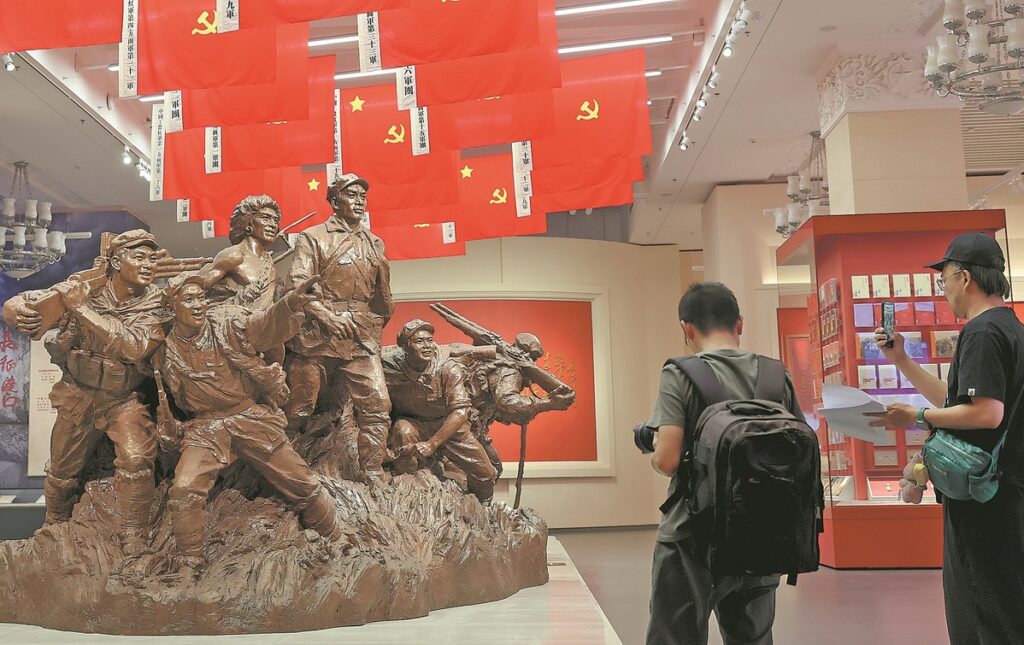
The Long March, a monumental event in Chinese history, took place between 1934 and 1936, during a tumultuous period characterized by deep socio-political upheaval. This strategic retreat of the Chinese Communist Party (CPC) was prompted by the increasing military pressure from the Nationalist forces led by Chiang Kai-shek. Fleeing from encirclement, the CPC sought to preserve its existence and find a sanctuary in the remote regions of northwestern China.
At the heart of the Long March were pivotal figures, most notably Mao Zedong, who would emerge as a leading authority within the CPC. The journey covered approximately 9,000 kilometers and involved significant hardships ranging from treacherous terrains to hostile encounters with local warlords. This arduous trek was not merely a physical journey but also marked a turning point that redefined the ideological and operational strategies of the Communist Party.
READ OTHER ARTICLES:
- ₱644-B 2027 budget ng DPWH, aprubado sa Kamara
- Kim Chiu says she is ‘hurt’ amid legal battle with sister Lakam, vows to let court process take its course
- Xi-Trump Summit Leaves U.S.-China Tensions Unresolved
- Marcos Jr. Nilagdaan ang RA 12326, Ipinagpaliban ang 2026 Barangay at SK Elections
- Many Delegates Walk Out as PM Netanyahu Addresses UN General Assembly
- Miss Universe 2026 Puerto Rico Event Tickets Go On Sale Friday
The Long March was emblematic of resilience and tenacity, capturing the spirit of the CPC as it navigated through challenges posed by both external enemies and internal dissent. It solidified Mao’s leadership and transformed the Communist Party’s identity, instilling a sense of purpose that transcended the immediate struggles they faced. This event not only fostered unity among party ranks but also enabled the CPC to garner increased support from the Chinese populace, setting the stage for their eventual victory in the Chinese Civil War.
In essence, the Long March symbolizes a critical juncture in the narrative of the CPC’s rise and represents a significant chapter in the history of modern China, influencing its socio-political landscape for decades to come.
The Historical Impact of the Long March
The Long March, which took place between 1934 and 1936, represents a pivotal moment in the history of the Communist Party of China (CPC) and has left an indelible mark on the broader narrative of Chinese nationalism. This remarkable episode in revolutionary history was not merely a strategic retreat but, instead, a profound journey that defined the ideological framework of the CPC and deepened its ties to the Chinese populace.
The sacrifices made during the Long March are legendary and serve as a testament to the perseverance and resilience of the party and its followers. Spanning over 6,000 miles, the march was fraught with numerous challenges, including harrowing terrain, scarce resources, and continual military pursuit by the Nationalist forces. The hardships faced by the Red Army, including the loss of countless lives, became emblematic of the uncompromising spirit of the revolutionaries and their unwavering commitment to their cause.
These struggles have transcended their historical context to shape the national identity and consciousness of China. The narrative of the Long March is often invoked in discussions of resilience in the face of adversity and has become a cornerstone of the CPC’s legitimacy. The symbols and stories that arose from this period have been instrumental in fostering a sense of unity and purpose among the Chinese people. Moreover, they underscore the transformative power of collective effort in overcoming daunting obstacles.
The Long March was instrumental in establishing Mao Zedong’s leadership within the CPC, as it was during this time that his strategies and ideology gained prominence. This shift not only fortified the party’s resolve but also aligned its mission with the aspirations of millions of Chinese citizens seeking change. Thus, the historical impact of the Long March extends far beyond its immediate consequences, firmly embedding it in the very fabric of Chinese nationalism and identity.
The Great Spirit of the Long March
The Long March, a seminal event in Chinese history, symbolizes not only a physical journey across treacherous terrain but also the embodiment of the ideals often referred to as the “Great Spirit of the Long March.” This spirit encompasses perseverance, courage, and unity, reflecting the collective struggle and determination that characterized this historical undertaking.
During the Long March, which took place from 1934 to 1936, the Chinese Red Army traversed more than 9,000 kilometers under harsh conditions and relentless pursuers. The ability of the soldiers and supporters to maintain their resolve in the face of adversity serves as a testament to their perseverance, an essential quality that resonates deeply within Chinese cultural identity. The stories of those who participated underscore that even amidst despair, the human spirit can endure and triumph.
Courage emerged as another defining characteristic during the Long March. Soldiers confronted not only natural obstacles but also hostile forces. Their bravery in the face of danger and their commitment to their cause were fundamental to the sustenance of their morale and unity. This historical bravery has become a source of inspiration, urging current and future generations to confront challenges with the same resolve and fearlessness.
Moreover, the emphasis on unity during the Long March is imperative. The collaboration among diverse groups and individuals, all committed to a common goal, highlights the necessity of working together to overcome challenges. This spirit of solidarity remains relevant today, promoting the idea that collective efforts can lead to significant achievements and societal progress.
Thus, the Great Spirit of the Long March continues to inspire the Chinese people, serving as a reminder of their resilience and capacity to face challenges with perseverance, courage, and unity. As this historical legacy is commemorated, it nurtures a sense of belonging and purpose, essential for facing contemporary national and global crises.
Overview of the 90th Anniversary Exhibition
The 90th Anniversary Exhibition at the Military Museum of the Chinese People’s Revolution serves as a vital platform to commemorate a significant milestone in China’s history. This exhibition aims to educate the public about the Long March, highlighting its remarkable resilience and triumph as essential elements of the Chinese revolutionary narrative. The exhibition showcases a plethora of historical artifacts, photographs, and multimedia presentations that offer an in-depth look into the events that transpired during this pivotal journey.
One of the primary objectives of the exhibition is to instill a sense of national pride and awareness among visitors. By remembering the sacrifices made during the Long March, it fosters an understanding of the tenacity and determination that characterized the era. This immersive experience also highlights the implications of the Long March on contemporary society, drawing parallels that encourage reflection on resilience in the face of adversity.
The significance of commemorating the Long March cannot be overstated, as it is not merely a historical event but a testament to the enduring spirit of the Chinese people. Various governmental and cultural institutions have collaborated closely to mount this exhibition, showcasing their commitment to preserving their history and educating future generations. Institutions such as the Ministry of Culture, along with local organizations, play critical roles in supporting initiatives that bolster cultural heritage and national pride.
Through curated exhibits, interactive displays, and educational programs, the 90th Anniversary Exhibition aims to engage visitors of all ages. It encourages them to explore the importance of resilience and unity, key themes that resonate deeply within the context of the Long March. The exhibition ultimately symbolizes a collective remembrance, fostering a deeper appreciation for the legacy of perseverance that continues to shape the national consciousness.
Exhibition Layout and Themed Sections
The exhibition commemorating the Long March consists of seven distinct themed sections, each designed to reflect the rich history and significant contributions of this pivotal event. The layout is strategically organized to facilitate a comprehensive understanding of the Long March, allowing visitors to explore the various dimensions of resilience and unity.
The first section, titled “Origins of the Long March,” delves into the socio-political conditions that led to this historic undertaking. It features archival materials, photographs, and testimonials from key figures, shedding light on the motivations and aspirations that shaped the marchers’ journey.
The second thematic section, “The March Begins,” captures the early stages of the Long March, showcasing artifacts that represent the initial challenges faced by the Red Army. This section includes maps and personal belongings that illustrate the arduous conditions endured by the marchers as they embarked on their quest.
Next, the third section, “Key Battles and Strategies,” presents a detailed examination of the military confrontations encountered throughout the march. This part of the exhibition highlights various tactics employed by the troops, accompanied by visual representations and documents that chronicle significant engagements along the way.
The fourth theme, “Cultural Resilience,” emphasizes the cultural aspects of the march, featuring literary works, songs, and artistic expressions by those who participated. This section aims to convey the spirit of camaraderie and hope that pervaded the marchers despite their hardships.
Section five, “Heroes and Leaders,” pays tribute to the prominent figures who played vital roles during this historical event. Visitors can engage with biographical displays and firsthand accounts that celebrate their contributions and sacrifices.
In the sixth section, “Continuing the Legacy,” the exhibition focuses on the impact of the Long March on subsequent revolutionary activities. Through timelines and interactive displays, this area connects the historical significance of the march with contemporary movements and ideologies.
Finally, the seventh section, “Reflections and Commemoration,” encourages visitors to reflect on the lessons learned from the Long March. This area is designed as a contemplative space where guests can engage with multimedia displays, providing a lasting interpretation of the march’s enduring legacy.
Cultural Relics and Archival Materials on Display
The exhibition dedicated to celebrating the 90th anniversary of the Long March features over 300 cultural relics and archival materials, many of which are being presented to the public for the first time. These artifacts provide a tangible connection to the historical events that transpired during this pivotal period in history, serving not only as valuable educational resources but also as important symbols of resilience and triumph. Each item on display has been meticulously curated to illustrate the diverse experiences of those who participated in the Long March.
The significance of these cultural relics cannot be overstated. They encompass a wide array of materials, including personal belongings, photographs, official documents, and various objects used by the marchers. These items are not merely relics of the past; they are crucial components of a collective memory that contribute to our understanding of the Long March’s impact on both national and international levels. By showcasing these historical materials, the exhibition aims to highlight how the Long March helped shape the political landscape of contemporary China.
Moreover, the archival materials present a deep narrative of courage and determination. The letters and diaries of participants offer firsthand accounts that capture the hardships and challenges faced during the journey. Each entry reveals the personal struggles and collective spirit of the marchers, providing insight into why the Long March remains an enduring symbol of perseverance in the face of adversity. Through these stories, visitors can gain a deeper appreciation for the cultural significance of the Long March and its role in fostering a sense of identity and unity among the people.
As this exhibition allows rare access to these cultural relics, it serves not only to preserve history but also to educate future generations about the lessons and values learned during this remarkable chapter. This emphasis on preserving and showcasing such significant artifacts ensures that the memory of the Long March will continue to inspire and resonate with people around the world.
Patriotism and Ideals in the Exhibition
The exhibition commemorating the 90th anniversary of the Long March stands as a significant platform for promoting the ideals of patriotism and revolutionary traditions. In an era marked by rapid societal changes, the importance of instilling a sense of national pride and understanding of historical struggles cannot be overstated. Such ideals serve not only to educate citizens about the past but also to inspire future generations to uphold the values that forged the nation’s identity.
Recent statements by leadership figures within the Communist Party of China (CPC) emphasize the necessity of raising awareness and enhancing education around these pivotal ideals. They articulate a vision where the stories of the Long March and the sacrifices made by countless individuals are not merely historical anecdotes, but integral components of the national consciousness. This emphasis on education reflects an urgent belief in the need to combat apathy towards history and encourage active engagement with one’s national heritage.
Authorities have highlighted that exhibitions are crucial in manifesting the spirit of resilience and determination associated with the Long March. Through various displays, artifacts, and educational materials, the exhibition aims to provoke reflections on the struggle for national sovereignty and social justice. Visitors are invited to connect emotionally with the narratives presented, fostering a collective memory that reinforces national solidarity.
The CPC leadership has called for the incorporation of these revolutionary traditions into everyday life, urging communities and institutions to promote discussions that resonate with patriotic sentiment. By encouraging this dialogue, the exhibition serves as a catalyst for fostering deeper connections between contemporary society and its historical roots. Ultimately, this approach aims to create an informed citizenry that honors the sacrifices of the past while proactively shaping a hopeful future.
Call to Action from CPC Leaders
During the opening ceremony commemorating the 90th anniversary of the Long March, prominent leaders of the Communist Party of China (CPC) articulated a compelling call to action that resonated deeply with the audience. This call, spearheaded by Cai Qi, reinforced the necessity for unity among the Chinese populace under the aegis of the CPC. The leaders underscored the importance of aligning public sentiment and collective action with the party’s vision for national rejuvenation.
Cai Qi emphasized the historic significance of the Long March as a testament to the resilience and determination that characterized the CPC’s struggle for survival and success. He invoked the spirit of perseverance that defined that era, urging contemporary Chinese citizens to draw inspiration from past achievements as they navigate present and future challenges. This historical reference serves to create a shared sense of purpose, motivating individuals to contribute actively towards the national goals set by the party.
Furthermore, the CPC leaders illustrated how the current socio-political landscape necessitates a revival of the revolutionary spirit among the populace. They highlighted the nation’s objectives of modernization and development, calling for a collective effort to advance these aims amidst a rapidly changing global environment. The leaders’ rhetoric was not only a reflection of respect for historical legacies but also a forward-looking agenda intended to galvanize collective action amongst the citizenry.
This commitment to promoting national rejuvenation, articulated by Cai Qi and his colleagues, stresses the urgent need for cohesive endeavors that bridge the aspirations of the people with the CPC’s strategic frameworks. As the discourse unfolded, the leaders affirmed their roles in steering the country towards a prosperous future while reaffirming the party’s commitment to serving the best interests of its people. In this context, the call to action is not merely a rallying cry but a fundamental part of the CPC’s ongoing mission to empower and inspire the nation.
Legacy and Future Directions
The Long March, a monumental event in China’s revolutionary history, not only symbolizes the struggle and resilience of the Chinese Communist Party but also serves as a cornerstone of national identity. As we commemorate the 90th anniversary of this enduring journey, it is essential to reflect on how its legacy continues to impact modern China. The determination and spirit displayed during the Long March instilled a sense of unity and purpose that resonates with the Chinese populace today. This collective spirit is crucial as China navigates the complexities of globalization while striving towards economic modernization.
In contemporary society, the ethos of the Long March reminds citizens of the importance of perseverance in the face of adversity. It encourages the nation to draw from historical experiences as a source of inspiration and motivation. The challenges faced during this arduous trek laid the groundwork for the resilience that now characterizes the Chinese character. Modern China, facing new hurdles such as technological advancements and environmental sustainability, can look to the Long March’s spirit to foster innovation and collaboration among its people.
Furthermore, as China enhances its position on the global stage, the legacy of the Long March plays a vital role in strengthening national pride and identity. The journey represented not just a physical trek but also a metaphorical path toward self-determination and independence. In an era marked by rapid change, fostering a strong national identity rooted in historical achievements will be key for China. By embracing the lessons learned from the Long March, future generations can carry forward the vision of a cohesive and resilient nation, paving the way for an optimistic future.
The Historic Long March of the Chinese Communist Party
The Long March, a monumental event in the history of the Chinese Communist Party (CPC), took place from 1934 to 1936. This strategic retreat was necessitated by the military campaigns launched by the Nationalist government against the CPC forces, which were forced to abandon their base in Jiangxi due to mounting pressures and overwhelming odds.
Spanning over 9,000 kilometers, the march was not merely a physical endeavor but also symbolized the resilience and determination of the CPC during a turbulent period in Chinese history. The political climate of the time was characterized by civil strife, with the Chinese Communist Party fighting for its survival against powerful adversaries. The conditions leading to the Long March were marked by escalating conflicts between the communists and the nationalists, igniting a deep-seated struggle for power that would shape China’s future.
The significance of the Long March lies in its ability to transform the CPC into a formidable political movement. Throughout the grueling journey, which involved traversing treacherous terrains and enduring harsh climates, the party’s leadership experienced a critical juncture. Key figures, such as Mao Zedong, emerged as prominent leaders, and the event became a rallying point for the party to cultivate a sense of unity and purpose.
Moreover, the Long March established the foundation for the CPC’s later success in the Chinese Civil War. The narrative of the march, filled with stories of heroism and sacrifice, became an essential piece of CPC propaganda. It portrayed the party as a savior of the masses, garnering support from peasants and workers who resonated with the struggle depicted. Thus, the Long March is not only a significant historical event but also a pivotal moment that underscored the resilience of the CPC and set the stage for the eventual establishment of the People’s Republic of China in 1949.
The Forces Involved in the Long March
The Long March, a pivotal event in Chinese history, saw the participation of various army formations, each playing a crucial role in the revolutionary effort of the Communist Party. Central to this initiative was the Red Army, which had its roots deeply embedded in the struggle against the Nationalist forces. The Red Army was characterized by a diversity of units that represented different regions of China, showcasing a unified front despite regional disparities.
Among the most prominent forces involved was the Central Red Army, which served as the backbone of the march. This group, under the leadership of figures such as Mao Zedong and Zhou Enlai, exemplified the strategic command and cohesion necessary for navigating the perilous journey. Other notable contingents included the Fourth Army, which played a significant part in securing vital supplies and information crucial for the survival of the marchers.
In addition to the Central Red Army, various regional units contributed to the overall strength of the revolutionary movement. For example, the troops from the Jiangxi Soviet area were instrumental in providing logistical support and experienced fighters. Similarly, formations from Yunnan and Guizhou, although smaller in scale, added to the diversity of strategies and tactics employed during the Long March. This collaboration among different groups not only emphasized the common goal but also allowed for the exchange of resources and military strategies.
The implications of their participation extended beyond mere military cooperation. The unity displayed during the Long March instilled a sense of shared purpose among the members of the Communist Party and galvanized support from the peasantry along the route. The integration of various army formations highlighted a significant aspect of revolutionary warfare, wherein numerous factions could collaborate to confront a formidable adversary. This historical march laid the foundation for future Communist successes in China, emphasizing the importance of unity among diverse forces in achieving a common objective.
The Initiation of the March in 1934
The Long March, a pivotal episode in the history of the Chinese Communist Party (CCP), formally began in October 1934. The central Red Army initiated its retreat from Ruijin in Jiangxi Province, marking a consequential turning point in the communist movement. This strategic decision to embark on the Long March was driven primarily by the intensifying military pressure exerted by the Kuomintang (KMT) forces, led by General Chiang Kai-shek. The KMT’s relentless campaigns aimed at exterminating the communist forces necessitated a shift in tactics for the Red Army.
One significant factor that influenced this retreat was the encirclement strategies employed by the KMT. The Nationalist army meticulously developed a series of encirclement campaigns that trapped the Red Army within a small operational area. These strategies incorporated strong military tactics such as coordinated assaults and well-planned offensives. As the KMT forces tightened their grip around Ruijin, the leadership of the CCP faced a dilemma: either to stand their ground and risk annihilation or to conduct a strategic retreat.
Ultimately, the choice to retreat stemmed from a thorough evaluation of the Red Army’s long-term viability. The leadership, including Mao Zedong, recognized that retreating through hostile territories would not only preserve their forces but also provide them an opportunity to regroup and re-strategize. The march would require meticulous planning and exceptional military tactics to navigate the numerous challenges and dangers ahead, including hostile local populations and the rugged terrain of China. The onset of the Long March was not merely a flight from the enemy but a tactical maneuver aimed at securing a future for the revolution, setting the stage for subsequent developments in the CCP’s quest for power.
Challenging Terrain and Difficult Conditions
The Long March, a pivotal moment in the history of the Chinese Communist Party (CCP), was fraught with significant geographical and environmental challenges. As the Red Army embarked on their arduous journey, they encountered an array of demanding terrains that would test their resolve and determination. One of the primary obstacles was the presence of vast mountain ranges, including the formidable Qinling and Daba Mountains, which posed serious difficulties in navigation and traversal. The steep inclines and rugged pathways not only made movement slow and dangerous, but they also exhausted the soldiers physically and mentally.
In addition to the mountainous landscape, the Red Army had to cross numerous rivers, many of which were swollen from seasonal rains. These waterways not only obstructed their path but also created hazards for the soldiers, who had to devise ways to safely navigate these treacherous waters. The rivers represented both a physical barrier and a psychological challenge, as each crossing echoed the struggles faced by the troops in overcoming nature’s obstacles.
The high-altitude terrains presented another layer of complication. As the Red Army moved deeper into the Tibetan Plateau, the soldiers had to contend with decreased oxygen levels, which led to altitude sickness and fatigue. The harsh conditions, encompassing extreme temperature fluctuations and limited food supplies, further exacerbated these challenges. Soldiers faced hunger, cold, and exhaustion, testing their limits both physically and emotionally. The context of these geographical hurdles highlights not only the physical endurance required of the troops but also the broader context of their strategic retreat. Each of these environmental factors played a critical role in shaping the course of the Long March, making it a remarkable story of resilience and survival against daunting odds.
The Changing Strength of the Troops
The Long March, a pivotal moment in the history of the Chinese Communist Party, witnessed a dramatic reduction in troop numbers that reflects both the severe challenges faced by the Red Army and the dynamics of ongoing warfare. Originally comprising over 80,000 soldiers, the number of troops dwindled to approximately 30,000 by the time the march concluded. This significant decrease can be attributed to several critical factors.
Firstly, military confrontations with the Kuomintang played a crucial role in the attrition of troops. Throughout the Long March, the Red Army engaged in notable clashes that resulted in casualties and forced retreats. The Kuomintang forces, better equipped and with superior numbers, effectively utilized their resources to engage the Red Army at various points, leading to heightened mortality rates. These conflicts not only diminished the strength of the troops but also severely hindered the progression of the march.
In addition to military confrontations, the Long March exposed soldiers to fatal hardships that contributed to the sharp decline in troop numbers. The treacherous terrain, extreme weather conditions, and scarcity of food and medical supplies wreaked havoc on the health and morale of the Red Army. Many troops succumbed to starvation, exhaustion, or diseases, unable to continue the arduous journey. The harsh realities of the march transformed it into a life-or-death struggle that claimed many lives before they could reach their destination.
Moreover, the strategic maneuvers employed by the Kuomintang further exacerbated the difficulties faced by the Red Army. Counter-insurgency tactics aimed at disrupting supply lines and sowing distrust within the ranks effectively reduced the Red Army’s capability to sustain its forces. The loss of not only manpower but also organizational coherence significantly detracted from the effectiveness of the march, forcing the leadership to adapt to an ever-changing battlefield.
Through a combination of military engagement, environmental hardships, and hostile strategies, the Red Army’s troop strength was drastically diminished during the Long March, leaving a profound impact on its identity and future endeavors.
Symbolism and Legacy of the Long March
The Long March stands as a pivotal moment in the history of the Chinese Communist Party (CPC), symbolizing not only resilience but also the enduring spirit of survival against overwhelming odds. Commenced in 1934, this arduous journey was undertaken by the Red Army to evade the encirclement of the Nationalist forces. Covering an estimated 9,000 kilometers, the Long March represents a significant narrative that would eventually crystallize the CPC’s image as a dedicated and unyielding force in the national struggle.
The symbolism of the Long March extends beyond mere military maneuvering. It embodies the determination and steadfastness of the CPC, contrasting starkly with the challenges it faced. The hardships endured during this trek the harsh climates, treacherous terrains, and relentless pursuit by adversaries highlighted the sacrifices made by CPC members, carving out a legacy that resonates even in contemporary China. The event is often portrayed in revolutionary narratives as a formative experience, fostering a profound sense of unity and purpose among party members.
Moreover, the Long March has been instrumental in shaping the CPC’s historical narrative, reinforcing its position as a legitimate ruling entity. It serves as a powerful symbol of endurance that accentuates themes of struggle, perseverance, and ultimate triumph. This legacy has been utilized by the Party to craft a collective memory that galvanizes its adherents and fortifies its authority. In modern political discourse, the images and stories surrounding the Long March are invoked to rally support and embody the Party’s ongoing commitment to the Chinese populace.
In summary, the Long March transcends its historical context, emerging as a lasting symbol of resilience that dramatically influenced the CPC’s evolution and its role in shaping the political landscape of China. The event not only cemented its leadership but also inspired generations to align with its vision for the nation, ensuring its relevance in the narrative of Chinese history.
During the Long March
The Long March, a seminal episode in the history of the Chinese Communist Party (CCP), was punctuated by a series of key battles and strategic maneuvers that played a pivotal role in the overall outcome of the retreat. The march, which began in 1934 and lasted until 1936, covered vast and challenging terrains, including mountains and rivers, making the journey difficult for the troops. One significant battle during this period was the Battle of Xiang River, which took place in late 1934. This encounter illustrated the severe difficulties faced by CCP forces as they attempted to traverse enemy lines. Despite fierce resistance from the Nationalist troops, the Red Army managed to forge ahead, although with substantial losses. This battle was not only a demonstration of military strategy but also a test of morale for the soldiers—one of many challenges they faced throughout the Long March.
Another turning point occurred during the crossing of the Dadu River. As the Red Army attempted to maneuver across this treacherous waterway, they encountered harsh conditions, which led to logistical complications. Their ability to overcome this obstacle highlighted the extraordinary resilience of the troops and underscored the strategic thinking of their leaders. The successful crossing of the Dadu River revitalized the spirits of the soldiers and communities that supported them, showcasing the significance of logistics and terrain in military campaigns.
The march was also characterized by strategic withdrawals and calculated retreats. The choice to avoid direct confrontation in favor of guerrilla tactics allowed the Red Army to conserve resources and maintain the element of surprise. Each skirmish and tactical retreat shaped the identity of the CCP, establishing its reputation as a determined and adaptive force in the face of adversity. Through these battles, both the critical shifts in leadership and the evolution of military strategy became apparent, ensuring that the Long March not only represented a physical journey but also a fractious point in political and social history.
Leadership and Strategic Decisions
The Long March, an epic journey undertaken by the Chinese Communist Party (CCP) between 1934 and 1936, was not merely a retreat but a critical phase that tested the leadership and strategic acumen of its prominent figures, particularly Mao Zedong. Mao’s leadership during this arduous period was characterized by a series of strategic decisions that would ultimately shape the future of the CCP and the fate of China.
Mao Zedong emerged as a central figure during the Long March, advocating for a more flexible and adaptive military strategy. Faced with overwhelming opposition from the Nationalist forces, Mao proposed a series of maneuvers that centered on utilizing the terrain to the party’s advantage. By encouraging the use of guerrilla tactics, they aimed to minimize direct confrontations with better-equipped enemies. This decision-making process reflected Mao’s understanding of both military strategy and the socio-political landscape of the time.
Moreover, the Long March’s strategic decisions were underpinned by the collective leadership dynamic of the CCP. While Mao’s influence grew, other leaders played significant roles in assessing risks and potential rewards, leading to deliberations that significantly affected the movement’s course. The emphasis on democratic centralism within the party allowed for a range of ideas to be discussed, culminating in a more cohesive approach to leadership despite the diverse opinions.
Additionally, the hardships endured during the march provided crucial lessons in resilience and unity that strengthened the resolve of the communist movement. The ability to mobilize resources effectively and maintain troop morale despite adverse conditions exemplified the importance of both leadership and strategy. The decisions made during this retreat not only secured the immediate survival of the communists but also laid the groundwork for their eventual rise to power in 1949.
In retrospect, the leadership during the Long March emphasized adaptability and resilience amidst adversity, showcasing how strategic decisions can fundamentally alter the fate of a movement. These leadership choices forged a path for the CCP and defined its ideological and operational framework for the years to come.
The Role of the Long March in Chinese History
The Long March, a pivotal episode in the history of the Chinese Communist Party (CPC), is often viewed as a symbol of resilience and determination. This arduous journey, spanning from 1934 to 1936, was not merely a military retreat but also a significant political maneuver that shaped the party’s future. It underscored the severity of the struggle against the Nationalist government and highlighted the ideological commitment of the Communist leaders and their followers.
In contemporary Chinese discourse, the Long March is frequently referenced as a cornerstone of revolutionary zeal that rejuvenated the CPC. Its narrative has been woven into the fabric of modern Chinese identity, promoting values of perseverance, sacrifice, and unity. The CPC renders the Long March a foundational myth, supporting its legitimacy and reinforcing its authority over China’s political landscape. By commemorating the Long March, the party aims to evoke a sense of historical continuity and to inspire the populace with principles of loyalty and dedication to the state and the party’s ideals.
Furthermore, the implications of the Long March extend into various aspects of governance and national policy. The lessons derived from this extensive ordeal emphasize the importance of adaptability and strategic planning in the face of adversity. Leaders often draw parallels between the challenges faced during the Long March and contemporary socio-economic issues, urging unity and collective effort among the populace to ensure national progress. As a result, the legacy of the Long March continues to influence not only historical interpretations but also contemporary policymaking and the CPC’s approach to national identity.
The Long March remains a pivotal moment in Chinese history that illustrates the CPC’s transformation and its enduring narrative. Its relevance persists as an emblem of resilience, shaping both the historical understanding and the political ethos of modern China.
The Zunyi Meeting: Transforming Leadership
The Zunyi Meeting, held in January 1935, is often regarded as a critical turning point in the history of the Chinese Communist Party (CPC) during the Long March. This meeting represented not only a strategic reassessment of the ongoing military campaign but also marked a significant shift in leadership dynamics within the party. The gathering provided a platform for candid discussions about the previous failures and missteps experienced by the CPC, particularly in relation to military strategies and the direction of the revolution.
One of the most notable outcomes of the Zunyi Meeting was the consolidation of Mao Zedong’s influence. Prior to this meeting, the CPC had been largely guided by leaders who held differing viewpoints on military engagement and party strategy. However, through adept persuasion and a growing recognition of his capabilities, Mao was elevated within the party ranks, thereby laying the groundwork for his future dominance. This transformation was not merely popular support for Mao, but a recognition of a new direction that promoted a more grassroots approach to revolution, which resonated with party members and peasants alike.
Furthermore, the implications of the decisions made during the Zunyi Meeting extended beyond immediate leadership dynamics. Mao’s ascendancy signified a shift in communist ideology that embraced more pragmatic strategies in contrast to the dogmatic approaches previously adhered to. This evolution indicated that the CPC was willing to adapt to the changing circumstances of warfare and popular support, an essential factor for its eventual success. The meeting solidified Mao’s vision as a guiding force for the party, shaping its trajectory throughout the rest of the Long March and beyond into the broader context of the Chinese Revolution.
The Heroic Crossing of Luding Bridge
The Luding Bridge, located in the mountainous region of Sichuan, represents a pivotal moment in the history of the Chinese Communist Party and the Long March. This event occurred during the harsh winter of 1935, when the Red Army was retreating from the Nationalist forces. Faced with insurmountable odds, they had to navigate not only difficult terrain but also hostile adversaries. The crossing of this bridge became a testament to the resilience and bravery of the soldiers involved.
As the Red Army approached Luding Bridge, they encountered fierce resistance from the troops holding it. It was a crucial strategic point; without it, the Red Army risked being entirely cut off. In a display of extraordinary courage, the soldiers launched a daring and audacious attack. The climactic moment came when they successfully captured the bridge after a fierce battle, which underscored their determination to continue the march towards a safer haven.
This remarkable crossing has transcended its historical context to symbolize the unyielding spirit of the Chinese revolutionaries. As stories of the event spread, they highlighted the heroism of the Red Army, portraying them not as mere soldiers but as valiant defenders of an ideal. The crossing of Luding Bridge has been memorized in various historical narratives, celebrated in literature, and even depicted in art, reflecting its importance as a national symbol. It serves as an enduring reminder of the sacrifices made and the path forged by those who sought to change the course of China’s history.
In essence, the crossing of Luding Bridge exemplified the Red Army’s relentless advocacy for revolution and justice, marking a significant milestone on their arduous journey. The legacy of this event continues to resonate, inspiring generations with its message of sacrifice, unity, and the pursuit of a collective dream for a better future.
The Length of the Long March: Variations and Accounts
The Long March, a pivotal event in Chinese history, is often remembered for its remarkable journey undertaken by the Red Army during the Chinese Civil War. However, one of the most debated aspects of this historic expedition is its actual length. Estimates of the distance cover a wide range, with figures varying from approximately 9,000 kilometers to as much as 12,500 kilometers. This disparity in measurements can be attributed to several factors, including the routes taken by different formations of the Red Army and the methodologies used in calculating the distances.
One of the primary reasons for the variations in accounts is the multi-faceted nature of the Long March itself. The journey was not a single, straight path; instead, it comprised numerous routes that various Red Army units undertook at different times. These divisions split from the main force and converged at various locations, each contributing uniquely to the overall tally of distance traveled. As a result, historians often base their assessments on specific formations or segments of the journey, thereby influencing their estimated figures.
Moreover, the definitions of what constitutes the Long March itself can vary. While some historians may include only the marches completed by the main group under Mao Zedong’s leadership, others might factor in the travels of auxiliary units that were also partaking in the broader revolutionary struggle. This variance emphasizes the importance of context in interpreting historical accounts of the Long March.
The discrepancies in distance can also arise from subjective interpretations of the available mapping tools and techniques at the time, complicating the calculations further. As such, these varying estimates reflect not only the physical endurance of the Red Army but also the complex layers of historical narrative that continue to evolve, solidifying the significance of the Long March in both military and cultural contexts.
Long March: Meeting of the Armies
The conclusion of the Long March marked a pivotal moment in the history of the Chinese Communist Party (CPC) and the broader struggle for China’s future. This monumental journey, which lasted from 1934 to 1936, not only solidified the CPC’s resolve amid adversity but also laid the foundation for its subsequent strategies and unity. A critical event during this period occurred in October 1936 when the Second and Fourth Front Armies met the First Front Army in Gansu.
This meeting is significant for several reasons. First, it symbolized the reunification of the CPC’s fragmented forces after a grueling trek across treacherous terrain and through hostile opposition. The journey was fraught with hardship, losses, and tactical challenges, leading to a situation where the survival and future of the party were in question. By convening in Gansu, the CPC was able to further solidify its structure and demonstrate its resilience, both to internal and external observers.
Moreover, the convergence of the armies in Gansu facilitated the consolidation of military strategies that would be instrumental in the CPC’s future endeavors. This assembly enabled leaders to share vital experiences from the Long March, discuss the lessons learned, and adapt their strategies accordingly. Such a gathering fostered a spirit of collaboration and unity among the different factions within the CPC, which had previously operated in isolation.
In essence, the October 1936 meeting of the armies can be viewed as a turning point for the CPC, as it not only marked the end of a tumultuous chapter but also heralded a new phase characterized by greater coordination and shared objectives. This sense of unity would prove crucial in the years that followed as the CPC navigated the complexities of China’s political landscape, setting the stage for its eventual ascendance to power in the later part of the 20th century.
The Political Context of the Long March
The Long March, a pivotal event in Chinese history, occurred in the backdrop of a tumultuous political landscape, marked by the strife between the Chinese Communist Party (CPC) and the Nationalist Party (Kuomintang, KMT). During the early 20th century, China was reeling from a series of social and political upheavals, including the fall of the Qing Dynasty and the subsequent wars that followed. The power vacuum created by these events significantly influenced the rise of the CPC as a viable political force.
In 1927, the split between the CPC and the KMT deepened after years of collaboration in the Northern Expedition, aimed at unifying China against warlordism. The KMT, under the leadership of Chiang Kai-shek, initiated a violent purge of Communist members, forcing the CPC to adopt a more militant approach. This hardening stance laid the groundwork for the series of confrontations that would characterize the late 1920s and 1930s.
The deteriorating relationship between the two parties was compounded by external pressures, including the threat of Japanese imperial expansion. The invasion of Manchuria in 1931 and the subsequent Second Sino-Japanese War from 1937 exposed the weaknesses in the KMT’s ability to protect national sovereignty. Amidst this chaos, the CPC capitalized on the growing discontent with the Nationalists by portraying itself as not only a revolutionary force against the KMT but also as a bulwark against foreign aggression.
This complex interplay of internal strife and external threats created a scenario where the Red Army’s retreat culminating in the Long March became more than a strategic maneuver; it was a symbol of perseverance and resilience. The march not only sought physical safety but also represented a fight for legitimacy within the broader context of national resistance and reform. Understanding these political dynamics is crucial to fully appreciating the significance of the Long March and its long-term implications for China’s political landscape.
Cultural Impact of the Long March
The Long March, a pivotal event in Chinese history, has left an indelible mark on Chinese culture and identity. Over the decades, its representation in various forms of media, including literature, film, and educational narratives, has significantly shaped the collective memory and national pride of the Chinese people. The epic journey of the Red Army is often depicted as a symbol of perseverance and sacrifice, embodying the struggle against immense odds.
In literature, numerous works explore the themes of heroism and resilience associated with the Long March. Novels and poems recount the challenges faced by the revolutionary leaders and troops, elevating their experiences to emblematic status in the consciousness of the nation. These literary representations not only celebrate the military and ideological triumphs of the Communist Party but also serve to instill a sense of duty and pride among the citizens of China.
Film is another powerful medium through which the Long March is portrayed. Various adaptations have dramatized the events of this arduous journey, often focusing on key figures such as Mao Zedong and Zhou Enlai, emphasizing their leadership and the unity of purpose among the revolutionaries. Documentaries further enrich the narrative by providing historical context, allowing viewers to appreciate the hardships endured during the march. Education systems have also incorporated the Long March into curricula, ensuring that future generations understand its significance in shaping modern China.
The cultural impact of the Long March is profound, as it acts as a foundational narrative that influences concepts of nationalism and identity. It serves as a reminder of a critical period in Chinese history where resilience and sacrifice were paramount. In conclusion, through literature, film, and education, the Long March continues to be celebrated as a cornerstone of Chinese cultural identity, reflecting the spirit of endurance that remains relevant in contemporary society.
Military Strategies Employed During the Long March
The Long March, undertaken by the Red Army from 1934 to 1936, is often heralded as a critical turning point in the Chinese Communist Party’s (CCP) quest for power. One of the most notable aspects of the Long March was the effective military strategies utilized by the Red Army, which enabled them to navigate vast territories and overcome formidable challenges. Adaptability emerged as a key characteristic of these strategies. The Red Army was forced to constantly change their tactics in response to varying terrains and enemy actions. This flexibility allowed them to optimize their movements and maintain the momentum of their campaign.
Guerrilla warfare tactics formed the backbone of the Red Army’s military approach during the Long March. Instead of engaging in traditional battles that would have favored the well-equipped Nationalist forces, the Red Army relied on ambushes, hit-and-run attacks, and sabotage. These tactics were particularly effective in the rugged landscapes they traversed, where conventional warfare would have been a disadvantage. By utilizing knowledge of the local geography, the Red Army could outmaneuver their opponents, exploit weaknesses, and maintain communication with civilian populations who supported their cause.
Logistics also played a crucial role in the success of the Long March. Despite the immense distances covered, the Red Army managed to secure vital supplies, including food and weapons, essential for sustaining their troops. Key battles and decisions throughout the March exemplified effective logistical planning, as leaders coordinated movements and ensured that their forces remained relatively well-equipped despite their harrowing journey. With each successful maneuver, they built morale among their ranks and gained the support of local communities.
The military strategies employed by the Red Army during the Long March were marked by adaptability, guerrilla warfare tactics, and astute logistical planning. These elements not only facilitated their survival but also cemented their legacy as an enduring force within the tumultuous landscape of Chinese history.
The Role of Leadership in the Long March
The Long March of the Red Army, which spanned from 1934 to 1935, was a pivotal movement in Chinese history that showcased not only the resilience of the Communist Party but also the dynamics of leadership within its ranks. Central to the success of this arduous journey were key figures such as Mao Zedong and Zhou Enlai, whose decisions and leadership styles profoundly influenced the fate of the Red Army.
Mao Zedong emerged as a leading figure during the Long March, advocating for a strategic shift in the Party’s military approach. His charismatic leadership and ability to inspire his troops played a critical role in maintaining morale amid the harrowing challenges faced during this period. Mao’s emphasis on guerrilla warfare and the importance of popular support for the Communist cause galvanized the soldiers, fostering a sense of unity and purpose even in the face of overwhelming odds.
Alongside Mao, Zhou Enlai also played a significant role in navigating the complexities of this political and military landscape. As a skilled diplomat and strategist, Zhou’s contributions were vital in maintaining cohesion among the diverse factions within the Party. His ability to communicate effectively and manage conflicts helped to ensure that the Red Army remained focused on their common goals despite internal divisions. This emphasis on collaboration was instrumental in countering external threats and adversities encountered throughout the march.
The leadership dynamics extended beyond these prominent figures, as various commanders made critical decisions that shaped the course of the Long March. Each leader brought their unique perspectives and styles, which collectively influenced the direction and resilience of the Red Army. The synergy of their leadership not only facilitated survival during the march but also laid the foundation for the eventual success of the Communist Party in China.
Legacy of the Long March in Contemporary China
The Long March, which spanned from 1934 to 1936, is a pivotal event in Chinese history with profound implications for the Chinese Communist Party (CPC) and modern China. Its legacy can be observed in multiple facets of contemporary society and political structure, particularly in the ideological framework that continues to guide the ruling party. The journey, fraught with hardship and sacrifice, serves as a monumental symbol of resilience and commitment within the CPC, shaping the party’s narrative and identity.
The CPC has effectively harnessed the stories and lessons from the Long March to foster a sense of unity and purpose among its members and the populace. This narrative of perseverance against overwhelming odds is often invoked in political discourse, emphasizing the importance of dedication to revolutionary ideals. It is through this lens that the Long March obtains its lasting relevance, reminding citizens of the sacrifices made for the current state of the nation and reinforcing loyalty to the party.
Furthermore, the Long March has significant implications on policy-making within contemporary China. The CPC draws upon the experiences of this historical event to justify various policy decisions, promoting a narrative of overcoming challenges that resonates with the population. This notion of struggle and triumph is seamlessly integrated into educational materials and state propaganda, thereby cultivating a strong collective identity aligned with the party’s goals.
In the context of public perception, the Long March remains a critical reference point that shapes how citizens view their history and their government. It has become a central tenet within the CPC’s ideology, which emphasizes the importance of historical lessons in guiding current actions and strategies. Consequently, the memory of the Long March continues to influence how contemporary Chinese society navigates issues of governance, national pride, and socio-economic development.
The enduring legacy of the Long March is not just a historical recount but an active, dynamic element that influences modern Chinese society and politics. Its significance is embedded in the ideological convictions of the CPC and continues to resonate deeply with the Chinese population today.
- AITSA Cabuyao Violations

- The Timeless Bond and Contemporary Crossroads of Philippines–China Relations
- Macalintal Eyes Supreme Court Challenge Over BSKE Postponement
- Italy’s Fideuram Bank Loses €95 Million in AI Voice Scam
- GMA News Binatikos sa Panayam kay Gracioso sa ₱2-Bilyong Alegasyon sa mga Duterte
- Sara Duterte Itinangging Tumanggap ng Pera Mula sa Nagpakilalang Bagman ni Velasco