Several employees of the Commission on Higher Education (CHED) have reportedly filed administrative and ethics complaints against Chairperson Shirley C. Agrupis, accusing her of abusing her authority, creating a culture of fear within the agency, and allowing government resources to be used for activities that employees say do not directly benefit higher education.
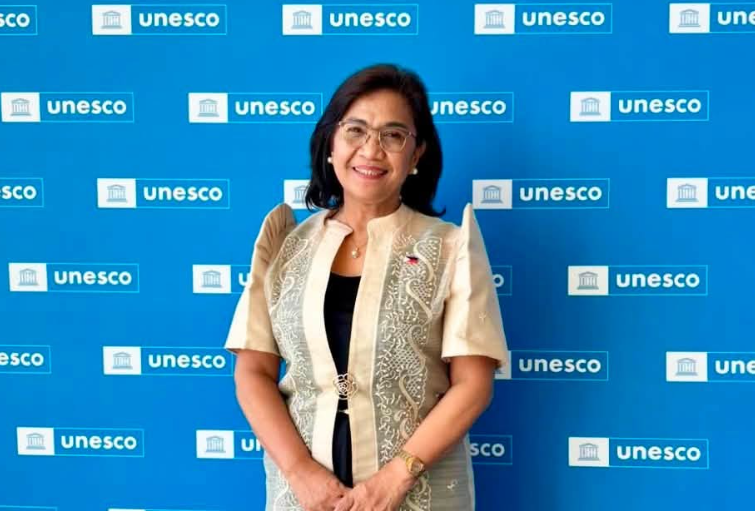
MANILA, Philippines — A group of employees from the Commission on Higher Education (CHED) has reportedly filed administrative and ethics complaints against CHED Chairperson Shirley C. Agrupis, raising serious allegations about her leadership and management of the country’s higher education agency.
According to the complaints, employees claim that Agrupis has abused her authority and created what they described as a “climate of fear” inside the commission, making many employees hesitant to express concerns or question decisions.
SA IBANG BALITA
- Health Secretary Ted Herbosa Reportedly Resigns, Cites Health Condition and Need for Recovery
- CHED Employees File Complaints Against Chairperson Shirley Agrupis, Allege Abuse of Authority and Misuse of Government Resources
- Mayor Romeo Gordola, Muntik Nang Hampasin ng Monobloc Chair ang Staff ng Tanggapan ng Bise Alkalde sa Flag Ceremony
- Koreanong Suspek, Inaresto Matapos Umanong Manghipo ng Dalagang Campus Beauty Queen sa Restobar sa Cebu
- Kristuffer Darcyth Tan Pring Nakamit ang Limang PRC Licenses Laban sa Kahirapan
- Justin Dave Magboo Rises as Topnotcher in June 2026 PTLE
- Hustisya ang Panawagan ng Pamilya ng Grade 4 Student sa Cavite na Pumanaw Matapos ang School Deworming
- Class Suspensions sa Hulyo 13, 2026: Listahan ng mga Lugar na Walang Pasok
The complaints reportedly involve issues ranging from the alleged misuse of government resources to concerns about how public funds and agency manpower have been utilized under the current leadership.
One of the major concerns raised by employees is Agrupis’ reported claim that she has a close relationship with First Lady Liza Araneta-Marcos.
According to employees, this has created the impression that complaints against the chairperson may not receive a fair and impartial investigation.
Some workers reportedly fear that because of her alleged connections, the administrative complaints may simply be dismissed or delayed, while Agrupis could still be considered for another appointment despite the criticisms being raised against her administration.
The employees stressed that their concern is not based on politics but on ensuring accountability within one of the country’s most important education agencies.
Another issue highlighted in the complaints involves an official CHED conference where employees alleged that a video presentation showcasing the life, achievements, and career of Chairperson Agrupis was shown during the event.
Employees questioned whether government funds and employee working hours should have been used for what they described as a presentation focused on the chairperson instead of programs directly related to improving higher education in the Philippines.
They argued that every peso spent by a government agency should primarily support students, colleges, universities, and educational programs rather than activities perceived to promote an individual official.
The complaints also raised questions regarding educational publications that were reportedly prepared for nationwide distribution.
According to several employees, thousands of printed educational materials remain stored inside CHED warehouses instead of being distributed to schools and educational institutions.
The publications had already been printed using government funds, employees said, but were allegedly never released.
Some workers claim the delay happened because the chairperson reportedly preferred not to promote materials that she was not personally involved in developing.
If true, employees argue, the situation represents a waste of public resources because educational materials intended to benefit schools and students remain unused despite the government’s investment in producing them.
Employees also questioned what they described as inconsistent spending priorities within the commission.
They noted that Chairperson Agrupis has publicly emphasized the importance of austerity measures and responsible government spending.
However, employees said many permanent positions within CHED remain vacant, leaving existing personnel to handle heavier workloads due to staff shortages.
According to the complainants, these unfilled positions have affected the agency’s efficiency and placed additional pressure on employees responsible for implementing higher education programs across the country.
Despite these staffing concerns, employees claimed that funds continue to be allocated to activities they believe are not essential to CHED’s core responsibilities.
The complainants argued that resources should instead be directed toward hiring additional personnel, improving services, strengthening policies for colleges and universities, and supporting educational institutions nationwide.
For many of the employees involved, the issue goes beyond disagreements over management decisions.
They believe the commission should focus its efforts on addressing the many challenges facing Philippine higher education, including improving the quality of instruction, strengthening state universities and colleges, expanding access to education, and helping institutions adapt to changing educational needs.
Instead, they claim internal issues have diverted attention from CHED’s primary mission of serving students, educators, and higher education institutions.
The employees also expressed concern that public confidence in the agency could suffer if the allegations are not properly addressed.
Because of these concerns, the employees are reportedly appealing directly to First Lady Liza Araneta-Marcos, asking her to support an impartial and independent review of the complaints filed against the CHED chairperson.
They emphasized that their appeal is not intended as a personal attack against Agrupis but rather as an effort to promote transparency, accountability, and good governance within the commission.
According to the complainants, they hope any investigation will focus solely on the facts and ensure that government resources are used appropriately and in accordance with CHED’s mandate.
As of this writing, Chairperson Shirley C. Agrupis has not publicly responded to the allegations, and CHED has yet to release an official statement regarding the reported complaints.
Likewise, there has been no public statement from the Office of the First Lady concerning the employees’ appeal.
The allegations remain unproven, and any administrative or ethics proceedings would be subject to the appropriate government processes.
Should formal investigations proceed, the findings will ultimately determine whether the complaints have sufficient basis and whether any administrative action will be taken.
For now, the controversy has drawn attention to broader discussions about transparency, accountability, and leadership within government agencies tasked with overseeing one of the country’s most important sectors higher education. / aptikons