Veteran New Zealand actor Sam Neill, best known for his iconic role as Dr. Alan Grant in Jurassic Park, has died at the age of 78 following complications from a rare form of blood cancer, his family confirmed.
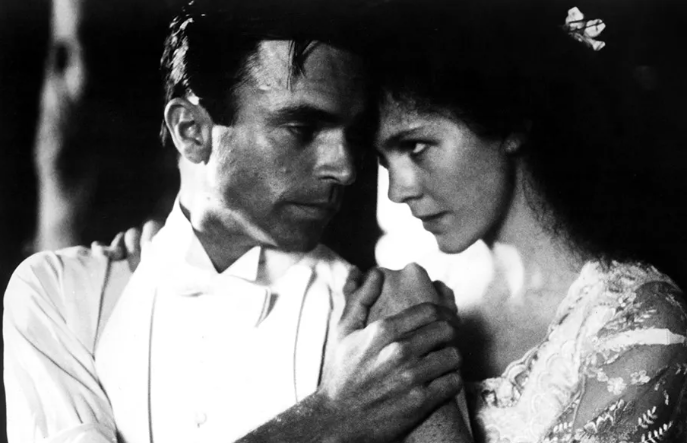
The global film industry is mourning the loss of one of its most respected and versatile performers. Sam Neill, the celebrated New Zealand actor whose remarkable career spanned nearly five decades and included unforgettable performances in Jurassic Park, The Piano, Dead Calm, Event Horizon, and dozens of acclaimed films and television productions, has died at the age of 78.
His family confirmed the heartbreaking news through a statement posted on Neill’s official Instagram account, announcing that the veteran actor passed away on Monday, July 13, in Sydney, Australia, surrounded by his loved ones.
READ MORE ARTICLES:
- Sam Neill, Beloved ‘Jurassic Park’ Star and Acclaimed New Zealand Actor, Dies at 78
- Kathryn Bernardo Leads Star-Studded Romance-Thriller ‘Someone, Someday’ Across Multiple Platforms This July
- BTS Concert Suspension Sparks Massive Chile Protests, Government Faces Mounting Pressure
- BTS Returns: Filo ARMYs Count Down to Historic Bulacan Shows
- Andre Yllana Ibinahagi ang Emosyonal na Dahilan Kung Bakit Niya Pinili ang Pag-aartista
- BINI Named Philippine Tourism Ambassadors to Showcase Filipino Culture Worldwide
- Vanness Wu Reveals Surprise Remarriage After F4 Reunion Tour, Marries Emi Aramak
- Nag-viral na Huling Pamamaalam ng Ina ni Rene Baterbonia, Nagdulot ng Matinding Reaksyon at Panawagan para sa Katotohanan
“It is with immense sadness that the whānau of Sam Neill share the news of his passing on Monday 13th July, in Sydney Australia,” the statement read. “Sam was surrounded by family and passed with the dignity that has characterised his whole life. The loss was sudden and unexpected but blessed by the fact that Sam remained cancer free.”
The family also expressed heartfelt gratitude to the medical team at St Vincent’s Private Hospital for their compassionate care during Neill’s final moments and requested privacy as they grieve the immeasurable loss of a beloved husband, father, grandfather, colleague, and friend.
Neill’s passing marks the end of an extraordinary chapter in international cinema. Admired for his quiet charisma, intelligence, and effortless ability to portray both heroic and morally complex characters, he became one of the most recognizable faces in Hollywood while remaining deeply connected to his New Zealand roots.
Born in Northern Ireland and raised primarily in New Zealand, Neill built an impressive career that bridged independent cinema, blockbuster franchises, historical dramas, psychological thrillers, and acclaimed television productions. Throughout his life, he became a symbol of artistic excellence across both New Zealand and Australian cinema before earning global recognition.
His breakthrough arrived in 1977 with Sleeping Dogs, one of the earliest New Zealand films to gain international attention. The political thriller introduced audiences to an actor whose commanding screen presence and emotional depth would soon attract filmmakers around the world.
Only two years later, Neill starred opposite Judy Davis in the acclaimed Australian period drama My Brilliant Career (1979), a performance that established him as one of Australasia’s brightest acting talents. His growing reputation led to a major Hollywood opportunity when he portrayed Damien Thorn in The Final Conflict (1981), the concluding chapter of the iconic Omen horror franchise.
Over the following decades, Neill built an incredibly diverse résumé that showcased his remarkable range. He portrayed military officers, historical figures, scientists, villains, fathers, kings, detectives, and even mythical characters, earning admiration from critics and audiences alike.
Among his memorable performances was his portrayal of Captain Vasily Borodin in The Hunt for Red October (1990), where he appeared alongside Sean Connery and Alec Baldwin in one of the decade’s defining political thrillers.
Science fiction fans remember him vividly as Captain Miller in Paul W.S. Anderson’s cult horror classic Event Horizon (1997), a performance that has remained one of the genre’s most celebrated portrayals of psychological terror.
He later appeared in Robert Redford’s The Horse Whisperer (1998), playing the father of Scarlett Johansson’s character, before starring alongside Robin Williams in Bicentennial Man (1999), where he portrayed the patriarch of a futuristic family navigating life with a humanoid robot.
However, no role would define Sam Neill’s international legacy more than Dr. Alan Grant in Steven Spielberg’s groundbreaking blockbuster Jurassic Park (1993).
As the intelligent yet reluctant paleontologist thrust into a prehistoric nightmare, Neill became one of cinema’s most beloved action heroes. His chemistry with the ensemble cast and his believable portrayal of scientific curiosity captivated audiences worldwide.
Jurassic Park became a cultural phenomenon, revolutionizing visual effects and becoming one of the highest-grossing films in history. Neill would later reprise the role in several sequels, including Jurassic Park III and Jurassic World Dominion, delighting generations of fans who had grown up watching his adventures among dinosaurs.
Remarkably, 1993 also saw Neill deliver another career-defining performance in Jane Campion’s Academy Award-winning masterpiece The Piano. As the emotionally cold settler Alisdair Stewart, he portrayed a deeply flawed husband whose rigid worldview contrasted sharply with the film’s passionate emotional core.
His ability to seamlessly transition between commercial blockbusters and critically acclaimed dramas became one of the defining characteristics of his career.
Neill also became a familiar face on television, delivering acclaimed performances across multiple decades.
He portrayed the legendary British spy Sidney Reilly in ITV’s Reilly: Ace of Spies (1983), earning praise for his sophisticated and commanding performance.
Fantasy audiences embraced him as the legendary wizard Merlin in Hallmark’s successful miniseries released in 1998 and again in 2006.
Historical drama fans admired his portrayal of Cardinal Thomas Wolsey in Showtime’s award-winning series The Tudors, while modern audiences discovered a darker side of his acting through his chilling performance as the ruthless police inspector Chester Campbell in the BBC crime drama Peaky Blinders.
Most recently, Neill appeared in Peacock’s mystery drama Apples Never Fall in 2024, continuing to demonstrate the same commanding presence that had defined his career for nearly half a century.
Beyond acting, Sam Neill earned widespread affection for his warmth, wit, humility, and love of nature. His social media presence offered fans glimpses into his vineyard in New Zealand, where he often shared humorous videos featuring farm animals, wine-making adventures, and reflections on life.
His authenticity endeared him to millions who admired not only his acting but also his grounded personality despite decades of international fame.
In March 2023, Neill publicly revealed that he had been diagnosed with angioimmunoblastic T-cell lymphoma the previous year. Rather than hiding his illness, he openly discussed his treatment while promoting his memoir, inspiring many through his honesty and resilience.
During an interview with Australian Story later that year, Neill reflected on mortality with characteristic calmness and perspective.
“I’m not in any way frightened of dying. That doesn’t worry me. It’s never worried me from the beginning,” he said. “But I would be annoyed, because there are things I still want to do.”
His words resonated deeply with fans, many of whom admired his courage in confronting serious illness without losing his optimism or sense of humor.
According to his family’s announcement, Neill remained cancer-free before his unexpected passing, making the news all the more shocking to those who had followed his health journey.
Tributes from filmmakers, actors, colleagues, and fans have poured in across the world, celebrating a career that left an enduring mark on cinema and television.
For generations of moviegoers, Sam Neill was more than an actor. He embodied intelligence, quiet strength, compassion, and authenticity—qualities that made every performance believable and memorable.
Whether standing face-to-face with dinosaurs, navigating psychological horror in deep space, portraying historical figures, or bringing emotional depth to intimate dramas, Neill consistently demonstrated why he was regarded as one of the finest actors to emerge from New Zealand.
His extraordinary body of work will continue to inspire audiences for generations, while his unforgettable performances remain permanently woven into the history of international cinema.
Sam Neill is survived by his family, friends, and millions of admirers around the world who will forever remember the actor whose remarkable talent, kindness, and enduring legacy transcended borders and generations.
Jurassic Park’ Star Sam Neill Dies at 78 After Battle With Rare Blood Cancer
Acclaimed New Zealand actor Sam Neill, whose memorable performances in Jurassic Park, The Piano, Dead Calm, Event Horizon, and numerous other films made him one of the world’s most respected actors, has died at the age of 78 following complications related to a rare form of blood cancer.
Neill passed away on Monday, July 13, in Sydney, Australia, surrounded by his family. His death was confirmed through a statement released by his loved ones, who described his passing as peaceful and dignified while requesting privacy during their time of grief.
The veteran actor had spent the last several years courageously battling angioimmunoblastic T-cell lymphoma (AITL), a rare and aggressive form of non-Hodgkin lymphoma that affects the body’s immune system.
Although Neill had previously achieved a period of remission and was considered cancer-free after undergoing advanced treatment, reports indicate that complications related to the disease ultimately led to his death.
His passing has prompted an outpouring of tributes from filmmakers, actors, and millions of fans around the globe who admired not only his extraordinary talent but also his courage in confronting a life-threatening illness with remarkable optimism.
Neill first revealed his diagnosis in March 2023 while promoting his memoir, Did I Ever Tell You This?, sharing publicly that he had been diagnosed with angioimmunoblastic T-cell lymphoma in 2022.
Rather than keeping his illness private, he chose to speak openly about his health, hoping to raise awareness about the disease while reassuring fans that he remained focused on living life to the fullest.
Angioimmunoblastic T-cell lymphoma is considered one of the rarest forms of blood cancer. The disease develops when abnormal T-cells—a type of white blood cell responsible for fighting infections—begin multiplying uncontrollably and spreading rapidly throughout the body.
Because of its aggressive nature, the illness often affects multiple organs and can significantly weaken the immune system, making treatment particularly challenging.
Following his diagnosis, Neill underwent several rounds of chemotherapy as doctors worked to control the progression of the disease.
When conventional chemotherapy eventually stopped producing the desired results, he pursued newer forms of treatment, including participation in advanced clinical trials.
Among the therapies that offered renewed hope was CAR T-cell therapy, an innovative form of immunotherapy that modifies a patient’s own immune cells to recognize and destroy cancer cells more effectively.
The treatment initially proved successful, allowing Neill to enter remission and continue enjoying time with his family, friends, and fans.
Despite his encouraging progress, his health remained under close medical observation due to the unpredictable nature of the rare lymphoma.
According to reports, Neill suffered sudden complications related to his previous illness, ultimately leading to his passing in Sydney.
Throughout his battle with cancer, Neill remained remarkably candid about mortality.
In an interview with the Australian television program Australian Story in 2023, he reflected on his diagnosis with the same honesty and calmness that had become hallmarks of his personality.
“I’m not in any way frightened of dying. That doesn’t worry me. It’s never worried me from the beginning,” he said.
“But I would be annoyed, because there are things I still want to do.”
Those words resonated deeply with audiences around the world, many of whom admired his resilience, humor, and refusal to allow illness to define his life.
Rather than withdrawing from public life, Neill continued acting, spending time at his beloved Two Paddocks vineyard in New Zealand, and maintaining regular contact with fans through social media, where he frequently shared humorous videos, music performances, and updates from his farm.
His openness about cancer inspired many patients facing similar diagnoses, demonstrating that hope and purpose could endure even during the most difficult moments.
Over a career spanning nearly five decades, Sam Neill established himself as one of the most versatile actors in international cinema.
He starred in acclaimed productions including Sleeping Dogs, My Brilliant Career, The Final Conflict, Dead Calm, The Hunt for Red October, The Piano, In the Mouth of Madness, Event Horizon, The Horse Whisperer, Bicentennial Man, Hunt for the Wilderpeople, and Marvel’s Thor films.
However, he became best known worldwide for portraying paleontologist Dr. Alan Grant in Steven Spielberg’s groundbreaking blockbuster Jurassic Park (1993), a role he reprised in Jurassic Park III and Jurassic World Dominion.
His performances earned widespread critical acclaim for their intelligence, emotional depth, and authenticity, making him one of the most respected actors of his generation.
Beyond his work in film and television, Neill was also a successful winemaker, author, filmmaker, and passionate advocate for New Zealand’s wine industry.
Friends and colleagues frequently described him as generous, humble, witty, and deeply devoted to both his family and his craft.
He is survived by his children, Andrew, Tim, and Elena, as well as six grandchildren.
As the entertainment world mourns the loss of one of its finest performers, Sam Neill’s legacy will endure through the unforgettable characters he brought to life and the courage he displayed in facing one of life’s greatest challenges.
His remarkable career, unwavering optimism, and extraordinary humanity ensure that he will be remembered not only as an iconic actor but also as an inspiration to generations of artists and audiences around the world.
Sam Neill’s Extraordinary Journey: From New Zealand Cinema to Hollywood Legend
Sam Neill’s remarkable career was defined not only by blockbuster success but also by an extraordinary ability to disappear into every role he played. Whether portraying a courageous hero, a deeply flawed villain, or a man wrestling with his own conscience, the acclaimed New Zealand actor consistently delivered performances that earned the admiration of audiences and critics around the world.
Among his most memorable performances was his chilling role in acclaimed horror director John Carpenter’s In the Mouth of Madness (1994), where Neill portrayed insurance investigator John Trent. What begins as a routine investigation gradually descends into psychological terror as Trent finds himself trapped in a nightmarish world where fiction and reality become impossible to distinguish.
The film has since become a cult classic, with Neill’s haunting performance regarded as one of the finest of his career. His ability to portray fear, confusion, and psychological collapse demonstrated the remarkable depth that made him one of the most versatile actors of his generation.
Throughout his nearly five decades in film and television, Neill refused to be confined to a single genre. He moved effortlessly between horror, historical drama, science fiction, romance, action, and independent cinema, building a body of work that few actors could rival.
His career was marked by extraordinary range. One moment he was the compassionate paleontologist Dr. Alan Grant in Jurassic Park; the next he became a sinister authority figure, a conflicted aristocrat, or an emotionally wounded father. His performances rarely relied on exaggeration. Instead, Neill mastered the subtle art of revealing the hidden emotions beneath his characters’ calm exteriors.
Reflecting on his craft, Neill once explained what guided his performances throughout his career.
“I’d like to think I’m able to suggest ambiguities and complexities in the people I play, because I think all of us have hidden aspects or contradictory qualities.”
That philosophy became evident in virtually every role he accepted. Rather than presenting characters as purely heroic or villainous, Neill sought to reveal the humanity within them—the uncertainty, vulnerability, contradictions, and emotional conflicts that mirrored real life.
His remarkable journey began far from Hollywood.
Born Nigel John Dermot Neill on Sept. 14, 1947, in Omagh, County Tyrone, Northern Ireland, his arrival into the world was itself unusual. He was born on the kitchen table of the family home while his father, Dermot Neill, served with the Royal Irish Fusiliers as part of the British Army. His father was a third-generation New Zealander, while his mother, Priscilla, was English.
When Sam was just eight years old, the family relocated permanently to New Zealand in 1955, returning to the homeland of his father’s family, which operated a successful wine and spirits business.
Growing up in Christchurch, Neill attended Medbury Preparatory School before continuing his education at Christ’s College, one of New Zealand’s most prestigious boarding schools.
It was during these formative years that Nigel adopted the name “Sam,” a nickname that would eventually become recognized around the world.
In his 2023 memoir, Did I Ever Tell You This?, Neill revealed the simple reason behind the change. As a young boy fascinated by Western films, he admired the rugged simplicity of American cowboy names.
“Western people were called things like Sam,” he wrote.
Behind his easygoing personality, however, Neill quietly struggled with a speech impediment. He suffered from a stutter throughout much of his youth, a challenge that might have discouraged many aspiring performers.
Instead, acting became an unexpected source of confidence.
While studying at the University of Canterbury, Neill discovered a passion for theatre and performance that would ultimately shape the rest of his life. He later transferred to Victoria University of Wellington, where he earned a degree in English literature while continuing to develop his acting skills.
Rather than immediately pursuing fame, Neill immersed himself in New Zealand’s growing artistic community.
Following graduation, he toured the country performing Shakespeare with the Players’ Drama Quartet, gaining invaluable experience on stage before joining the New Zealand National Film Unit.
For six years, he worked not only as an actor but also as a director, producing documentaries and short films that explored various aspects of New Zealand life.
Looking back on those early years, Neill often spoke fondly of the creative freedom the National Film Unit offered young filmmakers.
“The informal agreement there was that you’d make one film for the post office or the railways or the banana company and you’d make one for yourself,” he recalled during a 2009 interview.
His dream project reflected another lifelong passion outside acting.
“I wanted to make a film about skiing—I love skiing—but I had to dress it up and say that it would be really good for tourism,” he joked.
Those early filmmaking experiences sharpened his storytelling instincts and gave him a deeper understanding of cinema from both sides of the camera.
While directing documentaries, Neill continued accepting occasional acting roles. One seemingly minor performance would ultimately transform his life forever.
After appearing as a priest in the 1975 short film Ashes, his performance caught the attention of filmmakers looking for fresh talent.
Director Roger Donaldson cast Neill as the lead in Sleeping Dogs (1977), a political thriller about an ordinary man forced to flee an increasingly authoritarian government.
The film proved historic.
Widely recognized as the first New Zealand-produced feature film shot in color, Sleeping Dogs introduced international audiences to a rising actor of remarkable talent while helping launch what critics later described as New Zealand’s influential “cinema of unease” movement.
For Neill, it was the beginning of an extraordinary journey that would carry him from the film studios of New Zealand to the biggest stages of international cinema.
Over the decades that followed, Sam Neill built a legacy defined not only by iconic performances but also by integrity, humility, and an unwavering dedication to his craft. His ability to balance blockbuster entertainment with intimate character-driven storytelling made him one of the most respected actors of his generation.
From independent dramas to Hollywood spectacles, from psychological horror to historical epics, Neill demonstrated that true greatness lies not in the size of a role, but in the honesty with which it is portrayed.
His career remains a testament to the enduring power of authentic storytelling, ensuring that his influence on world cinema will continue to inspire audiences and aspiring actors for generations to come.
Sam Neill Remembered as One of Cinema’s Most Versatile Stars, From Hollywood Blockbusters to New Zealand Vineyards
The passing of acclaimed actor Sam Neill at the age of 78 has prompted an outpouring of tributes from across the global entertainment industry, with filmmakers, actors, and fans remembering a performer whose remarkable career was defined not only by iconic roles but also by his humility, intelligence, and unwavering dedication to storytelling.
While millions around the world will forever associate Neill with his unforgettable portrayal of Dr. Alan Grant in Jurassic Park, his career extended far beyond dinosaurs and Hollywood blockbusters. Over nearly five decades, he built one of the most respected filmographies in international cinema, seamlessly moving between historical dramas, psychological thrillers, fantasy adventures, independent films, and critically acclaimed television series.
From the earliest days of his career, Neill displayed a remarkable ability to inhabit complex characters, whether heroic or villainous, earning widespread recognition as one of the finest actors to emerge from New Zealand.
One of his earliest breakthroughs came after veteran British actor James Mason recommended him for the role of Damien Thorn in The Final Conflict (1981), the concluding installment of The Omen horror franchise.
In the film, Neill portrayed the adult Damien, now serving as the United States Ambassador while secretly embracing his destiny as the Antichrist. His chilling yet restrained performance demonstrated a maturity far beyond his years and introduced him to a global audience.
The role proved to be a major turning point, opening doors to international productions that would define the next chapter of his career.
Only two years later, Neill captivated television audiences by portraying legendary intelligence operative Sidney Reilly in the acclaimed British series Reilly: Ace of Spies.
His charismatic performance as the adventurous Russian-born spy earned widespread critical praise and secured him a Golden Globe nomination, further cementing his reputation as one of television’s finest dramatic actors.
The series became one of the most successful historical dramas of its era and showcased Neill’s effortless ability to command the screen through subtlety rather than spectacle.
His popularity soon spread across Europe, particularly in Sweden, where generations of viewers embraced his portrayal of the villainous Brian de Bois-Guilbert in the 1982 television adaptation of Ivanhoe.
The production became an unlikely cultural tradition, airing every New Year’s Day in Sweden, making Neill a familiar face to millions of Swedish households for decades.
Throughout the 1980s, Neill increasingly collaborated with some of cinema’s most respected directors.
He starred opposite Academy Award-winning actress Meryl Streep in director Fred Schepisi’s Plenty (1985), before reuniting with both Streep and Schepisi for Evil Angels (1988), released internationally as A Cry in the Dark.
The film dramatized one of Australia’s most controversial criminal cases involving Lindy Chamberlain, whose claim that a dingo had taken her baby divided public opinion for years.
Neill’s nuanced performance added emotional weight to a story that challenged public perceptions of justice and media influence.
Despite his growing success, Neill nearly accepted one of the most famous roles in cinematic history.
During the casting process for The Living Daylights (1987), he auditioned to become James Bond following Roger Moore’s departure from the franchise.
Many believed he was a serious contender before the role ultimately went to Timothy Dalton.
Years later, however, Neill admitted he had little desire to become the iconic British spy.
Reflecting on the audition during a 2021 interview, he confessed that the experience left him deeply uncomfortable.
“I felt so awkward all that day when we made that thing. It went on and on and on,” he recalled.
Rather than regretting losing the role, Neill expressed relief that another actor had been chosen.
“I’m so relieved they offered it to someone else. You really don’t want to be the Bond that no one likes. That’s a fate worse than death.”
His comments reflected the self-awareness and humility that colleagues often admired throughout his career.
Rather than chasing fame, Neill consistently pursued projects that interested him artistically.
That philosophy became evident in his approach to what would become his most famous role—Dr. Alan Grant in Steven Spielberg’s groundbreaking Jurassic Park.
Speaking about the beloved paleontologist in a 2001 interview, Neill explained that Grant’s appeal came from his emotional contradictions.
“He knows Jurassic Park is a horrible place to be and knows there’s nothing more dangerous than a dinosaur that is not behind bars,” Neill said.
“But because he lives and breathes dinosaurs, he finds them completely compelling.”
The thoughtful interpretation transformed Dr. Grant into one of modern cinema’s most enduring protagonists.
Neill would later reprise the role in Jurassic Park III (2001) before making a celebrated return alongside Laura Dern and Jeff Goldblum in Jurassic World Dominion (2022), delighting longtime fans nearly three decades after the original film’s release.
While Jurassic Park established him as a Hollywood star, Neill remained equally committed to independent cinema.
Among the performances he treasured most was his role in Jane Campion’s Academy Award-winning masterpiece The Piano (1993).
In his memoir, Did I Ever Tell You This?, Neill revealed that filming the emotionally devastating drama was often a lonely experience.
His character, Alisdair Stewart, subjects Holly Hunter’s Ada to emotional and physical abuse, creating an unavoidable distance between the actors during production.
“Holly was of necessity remote,” Neill wrote, acknowledging the emotional demands of their scenes together.
Fortunately, he recalled, director Jane Campion frequently offered encouragement and emotional support throughout filming.
“Jane is a very caring director for her cast and was always there to hug me when I was at my lowest,” he wrote.
The film went on to win the prestigious Palme d’Or at the Cannes Film Festival and three Academy Awards, becoming one of the defining achievements of 1990s cinema.
Beyond Hollywood, Neill maintained close friendships that extended throughout his career.
One of his strongest professional relationships was with Australian actor Bryan Brown, whom he affectionately described as his “brother from another mother.”
The pair collaborated on numerous productions, including Dirty Deeds, Dean Spanley, and the television comedy Old School, developing a friendship admired throughout the Australian and New Zealand film industries.
Neill’s extensive filmography reflected an actor who refused to be confined by genre.
His credits included Possession (1981), Death in Brunswick (1990), Memoirs of an Invisible Man (1992), Country Life (1994), Restoration (1995), Snow White: A Tale of Terror (1997), The Dish (2000), The Zookeeper (2001), Perfect Strangers (2003), Skin (2008), Daybreakers (2009), The Hunter (2011), and Taika Waititi’s internationally acclaimed Hunt for the Wilderpeople (2016).
Marvel fans also delighted in his humorous cameo appearances portraying an actor playing Odin in Thor: Ragnarok (2017) and Thor: Love and Thunder (2022), proving that even late in his career, Neill never lost his sense of humor.
Away from film sets, another passion increasingly occupied his life.
In 1983, Neill purchased land in Central Otago, New Zealand, a region he had loved since childhood family holidays.
There, he established Two Paddocks Vineyard, which gradually evolved into one of New Zealand’s respected boutique wineries.
Although internationally recognized as an actor, Neill often joked that he wanted people to take his wines just as seriously as his performances.
“I don’t expect people to take me seriously, but I’m determined that they respect my wine,” he once said.
After his vineyard earned prestigious awards in London, Neill humorously celebrated the recognition.
“A few weeks ago it won a trophy and two gold medals in London. I call that the ‘up yours’ factor,” he quipped.
His vineyard became more than a business—it represented peace, family, and a life far removed from the pressures of Hollywood.
During the COVID-19 pandemic, millions discovered another side of Sam Neill.
Confined like much of the world, he regularly shared lighthearted videos on social media featuring himself singing, playing the ukulele, interacting with farm animals, and offering cheerful updates from his vineyard.
His warmth, humor, and authenticity provided comfort to countless followers navigating uncertain times.
Unlike many celebrities, Neill deliberately avoided the spotlight away from his work.
In 2022, Australia’s Sydney Morning Herald described him as perhaps “the least celebrity celebrity” in the entertainment industry.
Neill embraced that description wholeheartedly.
“I do hope I’m not a celebrity because I think it’s two different jobs,” he once explained.
“You can be an actor—hopefully a very good actor—but it’s another job to be a celebrity, and that’s one you can sign up for or not. And I never signed up for that. I’ve avoided that like the plague.”
Instead, he found fulfillment balancing filmmaking with farming.
“The winemaking thing is absolutely half my life and has been immensely rewarding, and it’s very different from everything else that I do,” he said.
“I’m sort of… half-farmer, half-thespian, if you like.”
Beyond his professional achievements, Neill leaves behind a loving family. He is survived by his children—Andrew, Tim, and Elena—as well as six grandchildren.
His personal life included a long relationship with New Zealand actress Lisa Harrow, whom he met while filming The Final Conflict. He later married Japanese makeup artist Noriko Watanabe, whom he met during the production of Dead Calm. The couple remained together from 1989 until their divorce in 2017.
In recent years, he was in a relationship with Australian Broadcasting Corporation political journalist Laura Tingle.
As tributes continue to pour in from around the world, Sam Neill is remembered not merely as a celebrated actor but as a storyteller, filmmaker, vintner, and compassionate human being whose quiet dignity left an indelible mark on everyone who worked alongside him.
His legacy lives on through an extraordinary body of work that spans generations, proving that genuine talent, humility, and authenticity remain timeless qualities both on and off the screen.