The Department of Education (DepEd) is planning to assign some of its most capable and experienced teachers to Grades 1 to 3 to address reading difficulties among Filipino learners, as a nationwide literacy assessment found that approximately one in 10 young learners continued to struggle with reading by the end of School Year 2025–2026, Education Secretary Sonny Angara said.
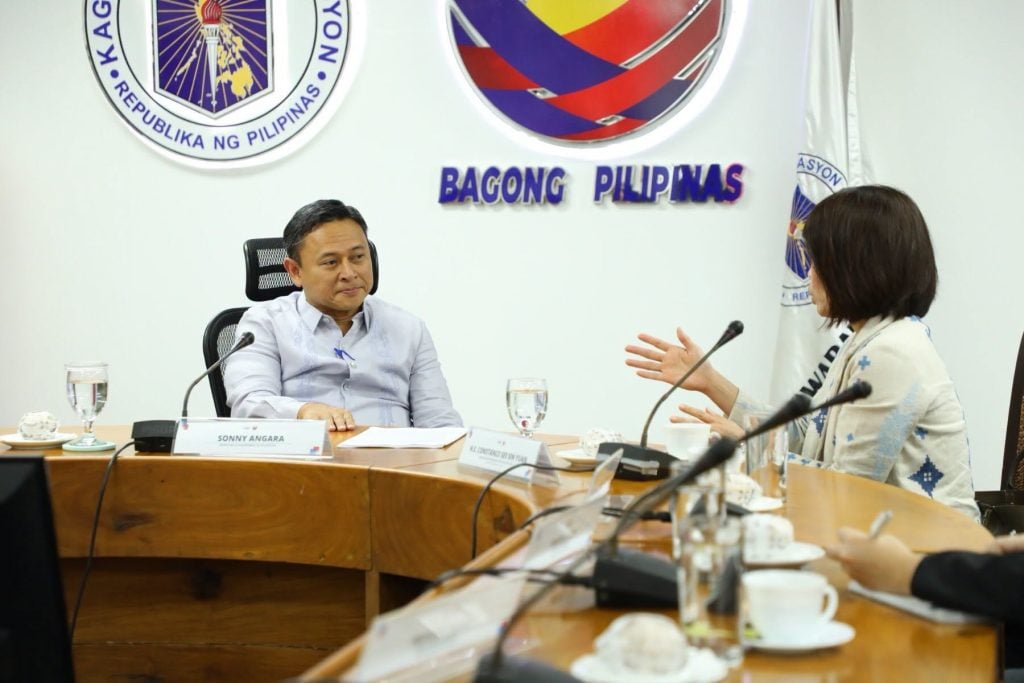
The Department of Education (DepEd) is prioritizing its most capable and experienced teachers for Grades 1 to 3 as part of efforts to address persistent reading difficulties among Filipino learners and strengthen foundational literacy in public schools.
Education Secretary Sonny Angara announced the initiative on October 28, 2026, emphasizing the importance of providing effective instruction during the earliest years of elementary education, when children develop the reading and comprehension skills necessary for academic success.
During an interview on One News’ Storycon, Angara explained that DepEd intends to move away from the previous practice of commonly assigning newly hired teachers to the lower grade levels. Instead, the department wants some of its best teachers to handle young learners, particularly those who require additional academic support.
“We’re assigning the best teachers, not necessarily the young teachers but some of our best teachers, to ensure that any special needs are given attention,” Angara said.
READ OTHER ARTICLES:
- Philippines Prepares for Super El Niño as Water Shortages Threaten Communities
- Philippines Faces Severe El Niño Threat to Rice Supply, Food Prices
- Australian Army Joins Philippine Soldiers for Jungle Survival Training in Samar
- PLT Sam Claven Dela Cruz Madrazo Earns Praise as New Balamban Deputy Police Chief
The move underscores the department’s recognition that early-grade teaching requires strong instructional skills and the ability to identify and address learning difficulties before they become more serious barriers to education.
The initiative comes amid continuing concerns about reading proficiency among elementary school students. Findings from the Second Congressional Commission on Education (EDCOM 2), based on the Comprehensive Rapid Literacy Assessment (CRLA), indicated that approximately 10 percent of learners in Grades 1 to 3 were still struggling with reading at the end of School Year 2025–2026.
Around 5.13 million learners were assessed nationwide, highlighting the scale of the country’s continuing literacy challenge and the importance of ensuring that children acquire essential reading skills during their first years in school.
Reading proficiency is a fundamental requirement for learning across the curriculum. Children who struggle to recognize words, understand sentences, or comprehend written instructions may also encounter difficulties in mathematics, science, and other subjects as they progress through elementary school.
For this reason, education specialists have consistently emphasized early identification, targeted instruction, and timely intervention as essential strategies for improving literacy outcomes. Addressing reading difficulties in the primary grades can help prevent learning gaps from widening and reduce the risk of students reaching higher grade levels without the skills required to understand increasingly complex lessons.
DepEd’s plan to prioritize experienced and capable teachers in Grades 1 to 3 is intended to strengthen classroom instruction and provide struggling learners with more effective academic support. However, the department’s approach will also require appropriate implementation, clear assignment policies, and adequate support for teachers handling learners with different levels of reading proficiency.
Beyond teacher assignments, Angara has acknowledged the need to confront broader problems affecting the Philippine education system, including concerns about grading practices, mass promotion, curriculum delivery, and school scheduling. These issues have contributed to discussions about whether students are mastering essential competencies before advancing to the next grade level.
The department’s efforts also complement the Academic Recovery and Accessible Learning (ARAL) Program, which provides targeted interventions for learners who have not yet mastered essential skills. Reading support and remediation are among the program’s key areas of focus, particularly for students who need additional instruction beyond regular classroom lessons.
Sustaining these interventions will require continued funding, effective implementation, and coordination among school administrators, teachers, parents, and education officials. Identifying struggling readers is only the first step; learners must also receive consistent, appropriate instruction that helps them improve their reading accuracy, fluency, vocabulary, and comprehension.
For public school teachers, the announcement signals a stronger emphasis on instructional competence in the primary grades. It also highlights the importance of equipping teachers with appropriate training, teaching materials, manageable workloads, and sufficient time to provide individualized support to children who are falling behind.
As of October 28, the reported announcement did not specify the complete selection criteria for teachers who will be assigned to Grades 1 to 3 or the precise implementation arrangements for schools nationwide. Further guidance from DepEd will be important in determining how the policy will affect existing teaching assignments and staffing requirements.
Ultimately, the success of the initiative will depend not only on placing highly capable teachers in early-grade classrooms but also on ensuring that schools have the resources and support necessary to improve actual learning outcomes.
DepEd’s renewed focus on foundational literacy highlights a central challenge facing Philippine education: children must learn to read well enough to understand, participate in, and benefit from their education. By strengthening early-grade instruction and expanding targeted reading interventions, the department aims to help more Filipino learners develop the skills they need before moving on to more advanced academic work.