Lorna Taaca Patajo-Kapunan was born into a family with a distinguished legal lineage that significantly shaped her early life and future career aspirations. Her father, retired Supreme Court Justice Lino M. Patajo, holds a prominent place in the Philippine judiciary. His role in upholding the rule of law and advocating for justice undoubtedly had a profound impact on Lorna’s values from a young age. The principles of integrity, diligence, and commitment to public service were likely instilled in her through her father’s experiences and teachings.
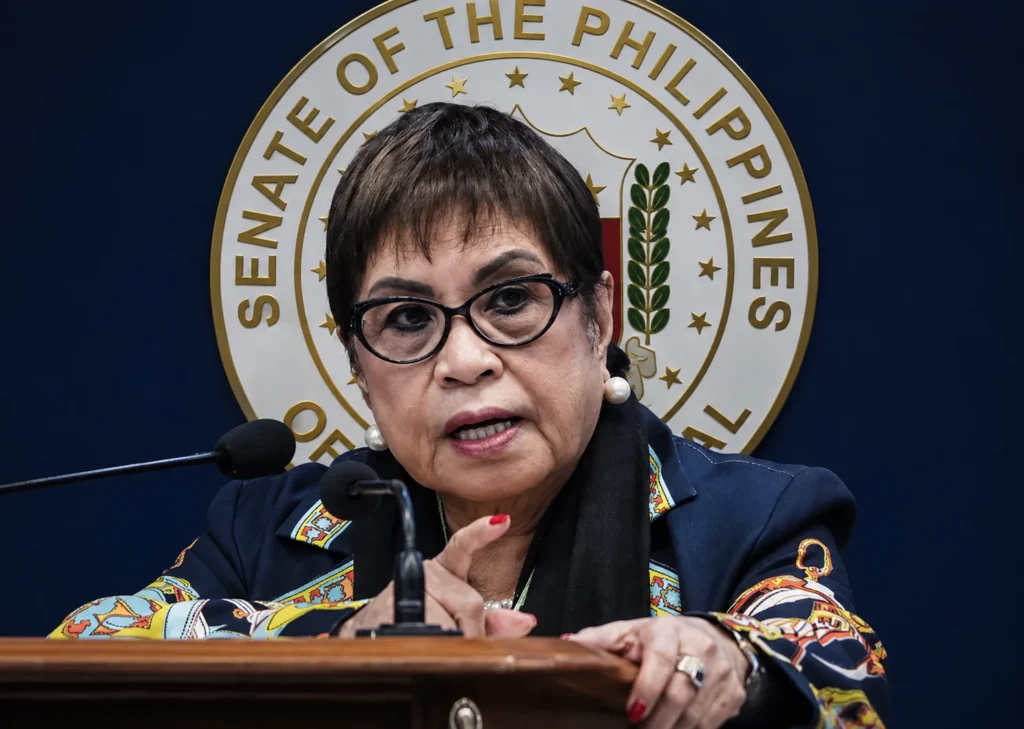
Similarly, her mother, Cristeta Taaca Patajo, played an integral role in Lorna’s upbringing. Cristeta was not only an influential figure in Lorna’s life but also a model of resilience and dedication. Through her involvement in various community activities and support of educational initiatives, Cristeta demonstrated the importance of contributing to society. This environment of activism and commitment to civic duty was formative for Lorna, encouraging her to aspire to make a difference in her own right.
- Lorna Kapunan | Education, Professional Career & Issue
- Jhon Sydrick Almencion, Writer, Life & Proffesional Career
Lorna’s early education was characterized by a strong emphasis on academic achievement and critical thinking. Growing up in a household that valued education, she was encouraged to pursue her interests and develop her talents. As she navigated her formative years, the expectations set forth by her parents motivated her to explore various career paths. Eventually, these influences led her toward the legal field, where she would ultimately carve out her own path while embodying the principles she learned at home.
Through her parents’ guidance and the values she absorbed during her childhood, Lorna Taaca Patajo-Kapunan emerged as a prominent figure in the legal community. Her family background, comprising influential legal professionals, laid the foundation for her impactful career, setting the stage for her to uphold the ideals of justice and equality throughout her professional journey.
Academic Journey
Lorna Taaca Patajo-Kapunan’s academic journey is marked by her strong commitment to education and her deep interest in political science and law. She began her higher education at the University of the Philippines Diliman, where she pursued a degree in political science. This institution is renowned for producing influential leaders and scholars, and Kapunan was no exception. Her studies provided a solid foundation in the principles of governance, public policy, and the intricacies of the political landscape, which have greatly influenced her subsequent career as a lawyer and public figure.
After completing her undergraduate studies, Kapunan recognized the importance of legal education in furthering her understanding of the issues she was passionate about. This realization led her to pursue various courses that enhanced her legal acumen. She earned her law degree at the same university, ultimately graduating with honors. Her academic rigor was evident throughout her legal education, where she consistently excelled in her classes, laying the groundwork for her future endeavors in the legal profession.
In addition to her studies at the university, Kapunan took her education a step further by participating in seminar courses offered by prestigious international institutions. Notably, she attended the Japan Institute of Invention and Innovation, where she explored the intersections of law, technology, and innovation. This experience proved invaluable, equipping her with a unique perspective on intellectual property rights and their implications in the global arena. Furthermore, her time at Cambridge University broadened her insights into international law, allowing her to engage with scholars and practitioners from around the world. These experiences reflect her dedication to continuous learning and her pursuit of excellence in her field.
Legal Career Beginnings
Lorna Taaca Patajo-Kapunan began her distinguished legal career at ACCRA Law Offices in 1986, a pivotal moment that set the stage for her future achievements in the field. This early experience provided her with a robust foundation in legal practice, enabling her to hone her skills in various areas of law, including corporate, labor, and civil law. Working at such a reputable firm exposed her to complex legal matters and gave her the opportunity to learn from seasoned professionals, which was instrumental in shaping her legal acumen.
During her time at ACCRA, Kapunan quickly gained recognition for her dedication and meticulous approach to her work. She was involved in high-profile cases that required not only legal expertise but also a keen understanding of the nuances of Filipino law. These early cases helped her build a reputation for integrity, competence, and a commitment to justice—traits that would define her later career. Her proactive engagement with clients and her ability to navigate challenging legal landscapes further solidified her status as an emerging lawyer in the industry.
Moreover, the experiences she garnered at ACCRA allowed Kapunan to develop crucial skills such as negotiation, client advocacy, and legal writing. As she interacted with various stakeholders, including clients, judges, and fellow attorneys, she learned the importance of effective communication and strategic thinking. These lessons proved invaluable as she advanced in her career, preparing her for subsequent roles that would have a significant impact on her professional trajectory.
Overall, Lorna Taaca Patajo-Kapunan’s early career at ACCRA laid a solid foundation for her future endeavors in law, equipping her with the skills and experience that would ultimately lead her to become a distinguished figure in the legal community.
Role as Senior Partner
Lorna Taaca Patajo-Kapunan serves as a senior partner at Kapunan Lotilla Garcia, a prominent law firm in the Philippines. Her tenure in this role has seen her contribute significantly to the firm’s legal practices and its overall reputation within the legal community. As a senior partner, she is responsible not only for leading various high-profile cases but also for mentoring younger associates and contributing to the firm’s strategic direction.
Under her leadership, the firm has expanded its scope of practice, focusing on a wide array of legal services that include corporate law, litigation, and alternative dispute resolution. Kapunan’s expertise, particularly in navigating complex legal landscapes, has solidified her status as a respected figure in the legal field. Her contributions have helped clients effectively manage legal challenges, ensuring that they receive the highest standards of legal advice and representation.
Moreover, Kapunan’s influence extends beyond her firm and into the broader legal community. She actively participates in various legal associations and professional organizations, where she shares her insights and advocates for legal reforms. Her dedication to her profession is evident in her commitment to promoting ethical practices and inclusivity within the legal space. In addition, she frequently participates in speaking engagements, where she addresses current legal issues and the evolving nature of the legal profession.
Through her role as a senior partner at Kapunan Lotilla Garcia, Lorna Taaca Patajo-Kapunan exemplifies leadership in law, demonstrating a balance between advancing her firm’s interests and contributing to the public’s understanding of legal principles. Her impact is reflected in the success stories of clients and colleagues alike, marking her as a significant contributor to the legal landscape in the Philippines.
Media Presence as a Radio Host
Lorna Taaca Patajo-Kapunan has established herself as a prominent figure in the radio broadcasting landscape, where her role as a radio host has allowed her to connect with a wide audience. Her programs delve into various themes, often emphasizing legal issues, social justice, and the empowerment of listeners through informed discussions. By addressing topics such as women’s rights, legal literacy, and current events, she creates a platform that not only educates but also encourages engagement from the community.
One of the distinctive features of Kapunan’s shows is her ability to integrate her legal expertise into the discussions, providing a nuanced perspective that resonates with her listeners. This approach demystifies complex legal concepts, making them accessible and relevant to the everyday concerns of her audience. Her relatable style and thoughtful insights foster a sense of trust and respect, reinforcing her credibility as both a host and a legal expert.
Moreover, her media presence is characterized by a commitment to highlighting underrepresented voices and issues often overlooked in mainstream discourse. By featuring guests from various backgrounds, Kapunan enriches her programming, offering comprehensive views on social dynamics and the law. This inclusive approach not only appeals to a diverse audience but also amplifies discussions around community concerns. The blend of personal anecdotes and professional insights shared during her broadcasts strengthens the connection with listeners, making her segments both informative and engaging.
As a radio host, Kapunan effectively uses her platform to influence public opinion and promote legal awareness. Her adept ability to navigate tough topics with sensitivity contributes to her popularity, as she provides an invaluable service in bridging the gap between legal jargon and everyday life. This interaction with listeners underscores the vital role of media in shaping societal conversations, showcasing how Kapunan’s work extends beyond entertainment to fostering a more informed citizenry.
Columnist Work and Publications
Lorna Taaca Patajo-Kapunan is well known for her contributions as a columnist across various noteworthy publications, where her insights and opinions foster significant public discourse. Over the years, she has utilized her platform to address a wide range of topics, including social justice, women’s rights, and legal reforms, ensuring that her voice resonates within the broader societal context.
Kapunan’s columns often reflect her keen understanding of current affairs and the complex interplay of law and governance in the Philippines. By writing for established newspapers and magazines, she has engaged with diverse audiences, influencing public opinion and raising awareness about crucial issues. Her ability to articulate the nuances of legal matters in a manner that is accessible to the general public has been particularly noteworthy.
She has contributed extensively to prominent publications, offering perspectives that not only inform but also provoke thought and discussion. Her work has addressed significant events and legislative changes, analyzing their implications on the lives of ordinary citizens. Kapunan’s insights into topics such as the importance of gender equality and the need for reform in various legal frameworks highlight her commitment to advocating for change.
Moreover, her columns often encourage civic engagement, motivating readers to appreciate the role of the law in daily life and the importance of active participation in democratic processes. By presenting her arguments with clarity and conviction, she underscores the significance of thoughtful discourse in shaping public policy.
Through her continued dedication to journalism, Lorna Taaca Patajo-Kapunan has established herself not only as a respected columnist but also as an influential figure capable of steering conversations on pressing issues. Her diverse body of work continues to enrich public understanding and discourse, proving that effective writing can indeed transform and elevate societal narratives.
Advocacy and Humanitarian Efforts
Lorna Taaca Patajo-Kapunan has made substantial contributions to the fields of advocacy and humanitarian efforts, showcasing a profound commitment to justice and the protection of human rights. Her involvement spans various initiatives aimed at promoting humanitarian law, particularly in regions affected by conflict and social injustice. Kapunan’s work often focuses on vulnerable populations, emphasizing the need for legal frameworks that uphold their dignity and rights.
One notable aspect of her advocacy work includes her participation in numerous conferences and workshops, where she collaborates with other legal experts and humanitarian organizations. These platforms serve not only as venues for dialogue but also as opportunities to develop actionable strategies. By engaging with practitioners and academics alike, Kapunan helps to bridge the gap between theory and practice in humanitarian law.
Additionally, her commitment extends beyond individual projects. Kapunan has been instrumental in advocating for legal reforms that enhance protections for marginalized groups, particularly women and children. Through her involvement in various legislative initiatives, she has lobbied for policies that facilitate access to justice and provide support mechanisms for those affected by violence and discrimination.
Furthermore, Kapunan is known for her outreach efforts, which include community education programs that aim to empower individuals with knowledge of their rights. By fostering awareness and understanding of humanitarian principles, she works to inspire grassroots movements that advocate for social change. Her dedication to these causes not only highlights her professional endeavors but also reflects a personal conviction that drives her work.
In summary, Lorna Taaca Patajo-Kapunan’s advocacy and humanitarian efforts manifest through her extensive participation in legal reforms, community engagement, and international collaboration, establishing her as a pivotal figure in the ongoing pursuit of justice and human rights protection.
Lorna Taaca Patajo-Kapunan is highly regarded in the legal community for her significant contributions and unwavering dedication to the field of law. Over the years, she has received numerous accolades that reflect her commitment and exceptional performance. Her legal expertise, particularly in family and criminal law, has earned her a reputable place among her peers and clients alike.
Recognition and Awards
One notable recognition came when she was honored with the prestigious Outstanding Lawyer Award, which is bestowed upon individuals who exemplify excellence in legal advocacy and service. This award is a testament to Kapunan’s effectiveness as a lawyer and her influential presence in various legal matters. In addition, she has been celebrated for her role in landmark cases that have shaped policies and legal precedents in the Philippines.
Moreover, Kapunan’s efforts extend beyond the courtroom; her work in legal education and mentorship has also been acknowledged. She has been an advocate for women in law, actively participating in initiatives that promote gender equality within the legal profession. Her influence is evident in various organizations and programs aimed at empowering aspiring legal professionals.
Through her participation in conferences and legal forums, Lorna Taaca Patajo-Kapunan has also contributed to the discourse on legal reform, showcasing her commitment to enhancing the legal system. These engagements have garnered her respect not only from peers but also from future generations of lawyers who look up to her as a role model.
The array of awards and recognitions she has amassed throughout her career exemplifies not just her personal achievements but also her unwavering passion for justice and the law. Lorna Taaca Patajo-Kapunan continues to inspire many with her relentless pursuit of excellence, making her a distinguished figure in the legal landscape
Legacy and Impact
The legacy of Lorna Taaca Patajo-Kapunan is multifaceted, reflecting her substantial contributions to the fields of law, media, and social activism. Through her distinguished career, she has paved the way for many individuals, particularly women, aspiring to make their mark in these sectors. Lorna’s work as a lawyer has undoubtedly set a benchmark for excellence, promoting equitable access to justice and advocating for the rights of the marginalized.
Beyond her legal expertise, Lorna’s engagement with media has further amplified her influence. As a prominent figure in various media outlets, she has utilized her platform to shed light on crucial issues confronting society. This blend of legal acumen and media prowess has positioned her as a key advocate for social justice, enhancing public awareness about important legal topics and historical injustices. Her efforts have not only educated the public but have also catalyzed movements that empower individuals to reclaim their rights.
Moreover, Lorna’s commitment to mentorship and education has inspired countless young practitioners who are now following in her footsteps. Her dedication to nurturing future generations of lawyers and activists ensures that her ideals and principles continue to have a significant impact. Lorna embodies the belief that active involvement in both law and community service can lead to a more just and equitable society.
In conclusion, Lorna Taaca Patajo-Kapunan’s enduring influence will likely resonate far beyond her immediate contributions. Her journey exemplifies a profound dedication to justice, equality, and empowerment. As we reflect on her legacy, it becomes evident that her role as a trailblazer will inspire future generations to pursue their passions relentlessly, thereby contributing to a more just world.
Understanding Marital Consent: The Controversy Surrounding Sexual Rights, The Context of the Senate Hearing
On August 15, 2024, a Senate hearing took place that catalyzed a nationwide debate concerning the subject of marital consent, particularly in the context of sexual rights within a marriage. Senator Robin Padilla was in the spotlight, having raised a question that many found both provocative and controversial: what should a husband do if he finds himself “in the mood” while his wife is not? This inquiry sparked numerous discussions about the intersection of sexual rights, personal autonomy, and marital obligations.
During the hearing, various experts and advocates were invited to express their viewpoints. Many participants emphasized the necessity of consent in any intimate relationship, arguing that compelling a partner into sexual activity violates the fundamental principles of respect and equality in a marriage. The responses to Senator Padilla’s question illustrated a broader sentiment that consent should always be a priority, regardless of marital status.
Reactions from those present at the hearing varied significantly. Some attendees expressed astonishment at the senator’s line of questioning, feeling it hinted at an outdated perception of marriage wherein one partner’s desires could overshadow another’s autonomy. Others viewed the inquiry as a valid point of discussion, arguing that it reflects real-life situations many couples might face. This divergence in views highlighted the complexities surrounding the topic of sexual consent in marriage.
This hearing was not merely a legal discussion; it represented the ongoing cultural clash about gender roles, relationship dynamics, and personal rights within intimate partnerships. As the discussions unfolded, the fundamental question of how consent should be approached in a marriage became even more pressing, raising awareness about the essential need for clear, mutual communication between partners.
Senator Padilla’s Remarks and the Backlash
In his recent remarks, Senator Robin Padilla ignited a robust conversation surrounding marital consent and sexual rights, specifically highlighting the rights of husbands within a marriage framework. The senator’s comments on what he termed as “sexual rights” for husbands were met with significant backlash from numerous advocacy groups. These groups, particularly those championing women’s rights and promoting marital equality, expressed their concerns regarding the implications of such statements.
Critics argued that Padilla’s framing risked undermining the essential foundation of consent, which should be mutual and unequivocal in any intimate relationship. Many advocates contended that labeling sexual rights in this manner may foster an environment where women’s autonomy is further compromised. This perspective hinges on the understanding that marriage is fundamentally a partnership where both parties should retain equal agency, particularly in matters of intimacy.
Furthermore, women’s rights advocates particularly noted that emphasizing “sexual rights” could perpetuate outdated notions of marriage, where men’s needs are prioritized over those of their spouses. The backlash was swift and strong, with various individuals and organizations working tirelessly to challenge the implications of the senator’s remarks. The discourse has since broadened, inviting further examination of the nuances surrounding marital consent, sexual rights, and the expectations placed on both spouses.
Notably, various social media platforms were flooded with reactions ranging from supportive to highly critical of Padilla’s statements. The need for a balanced dialogue that respects both partners’ rights without diminishing the importance of consent was echoed across many discussions. As this topic continues to evolve, it remains essential to analyze and debate the implications that such views on marital consent may have on broader societal norms and individual relationships.
The Apology and Its Implications
Recently, Senator Padilla faced backlash for his controversial remarks regarding marital consent, which he later characterized as “hypothetical.” This statement aimed not only to clarify his position but also to mitigate the public outcry that ensued following the initial comments. By labeling his comments as hypothetical, Senator Padilla seemed to indicate a detachment from the real-world implications of consent within marriage, which many found troubling. The apology serves as a focal point for examining not just his individual perspective but also broader societal attitudes toward marital consent.
Public reaction varied significantly, reflecting a spectrum of opinions on the issue. Many individuals voiced their disappointment, arguing that framing consent in a hypothetical context undermines its importance in real relationships. Critics emphasized that this viewpoint could derail progress toward understanding and establishing healthy boundaries in marriages. In contrast, some supporters of the senator suggested that his intent was misunderstood or misrepresented, arguing that his comments opened a dialogue about consent that could ultimately benefit society.
Experts in the fields of marital law and relationship counseling have weighed in on the matter, highlighting the complexity of marital consent. They suggest that an apology alone cannot obscure the deeper issues raised by the senator’s initial remarks. The implications of these discussions resonate with ongoing debates about consent in various relationships. Moreover, the incident has unearthed critical conversations about how society perceives and values consent within marriage, pushing the narrative forward in the quest for equality and respect in intimate partnerships.
Overall, the senator’s apology highlights a pivotal moment, emphasizing the need for continued discourse on marital consent. As society navigates these challenging conversations, the ramifications of such statements and the resulting apologetic clarifications reveal much about existing attitudes and beliefs surrounding this fundamental aspect of relationships.
The Importance of Consent in Marriage
Consent is a fundamental principle that governs many aspects of human interaction, and its significance is especially pronounced within the institution of marriage. At its core, consent in marriage refers to the mutual agreement between partners to engage in various actions, including sexual relations. This concept is not only vital for fostering a healthy and respectful relationship but also has profound legal implications.
One of the primary reasons why consent is critical in marriage is that it establishes mutual respect and understanding between partners. Each spouse should have the autonomy to voice their needs, desires, and boundaries. This two-way communication helps ensure that both individuals feel valued and strengthens the emotional connection within the relationship. Furthermore, a marriage grounded in mutual consent is more likely to navigate the complexities of intimacy successfully, as both parties feel empowered to express their feelings openly.
Legally, consent in marriage often intersects with broader discussions around sexual rights and personal autonomy. Many jurisdictions recognize the importance of consent, and laws may articulate what constitutes a legal and ethical marriage. In some areas, marital rape is legally recognized, which underscores the essential understanding that consent must be an ongoing dialogue rather than a one-time agreement. This evolution in legal thought reflects societal shifts toward recognizing individual rights within marriage, highlighting that consent must be present at all times, irrespective of marital status.
In conclusion, the concept of consent occupies a pivotal role in marriage, influencing both the emotional intimacy shared between partners and the legal frameworks that define marital relationships. A commitment to ongoing consent can not only enhance the dynamics of a partnership but also protect individual rights within the marriage, ensuring a healthier and more equitable relationship.
Critics of the ‘Sexual Rights’ Concept
The discourse surrounding the concept of “sexual rights” within marriage has been met with considerable skepticism. Critics argue that framing sexual relations as rights can fundamentally alter the traditional views on consent and equality that are vital to healthy marital relationships. This perspective suggests that viewing sexual interactions as rights may lead to a misunderstanding of the nuances involved in consent, especially within intimate partnerships.
Experts emphasize that the essence of a marital relationship is built on mutual respect and understanding, rather than a transactional nature that rights can evoke. Such a view may inadvertently suggest that one partner has an entitlement to sex, overshadowing the notion that consent is a continuous and active process. Critics argue that reducing complex emotional and physical engagements to mere rights could dilute the principle of ongoing consent that underpins genuine relational intimacy.
Moreover, this criticism extends to concerns about gender dynamics and power imbalances within marriage. Framing sexual interactions as a right could potentially enable the perpetuation of unequal power relationships, wherein one partner may feel pressured to fulfill the perceived entitlements of the other. Consequently, critics warn that this could lead to scenarios where consent is compromised, undermining the foundational equality that should define a marriage.
Furthermore, this critique brings to light the potential for defining sexual rights within a legal framework that may not fully encapsulate the intricacies of personal relations. Laws and regulations around marital sexual rights might fail to appreciate the importance of emotional connection and autonomy that each partner should experience. Therefore, while sexual rights aim to empower and protect individuals, critics advocate for a more profound understanding of consent that prioritizes the uniqueness of personal dynamics over legalistic interpretations.
Voices from the Advocacy Community
The ongoing discussion around marital consent and sexual rights has attracted attention from numerous advocates, columnists, and public figures in the community. Their diverse perspectives shed light on the complexities and evolving views regarding consent within marriage, emphasizing the need for continuous dialogue in this crucial area of human rights.
Weekly columnists provide valuable insights by exploring the nuances of marital consent. Their writings often highlight personal stories, statistics, and legal frameworks that shape the understanding of sexual rights within marriage. For instance, some columnists advocate for clearer definitions of consent, arguing that mutual agreement should be at the forefront of marital relationships. They call for a more informed dialogue to address the misconceptions surrounding sexual rights, particularly the notion that marriage implies unconditional consent.
In addition to written commentary, radio program hosts frequently engage with their audiences on issues of consent. These discussions often feature expert guests who can provide deeper insight into the legal and psychological aspects of marital rights. Hosts encourage listeners to reflect on their own experiences and challenge societal norms that may perpetuate misunderstandings about consent. By creating a platform for these conversations, they offer a space for education and empowerment, emphasizing the importance of consent as a fundamental right, even within marriage.
Collectively, the voices from the advocacy community highlight an essential aspect of ongoing conversations regarding consent and sexual rights. Their commitment to raising awareness and encouraging dialogue plays a crucial role in shifting perceptions and promoting a better understanding of the significance of consent in marital contexts. As these discussions continue to evolve, they contribute to a broader movement advocating for human rights, leading to a more equitable and informed society.
Cultural Perspectives on Marital Consent
The perception of marital consent and sexual rights varies significantly across cultures, reflecting deeply rooted beliefs and practices that shape individuals’ attitudes toward consent. In many Western societies, the concept of marital consent is closely linked to the principles of autonomy and individual rights, emphasizing the importance of mutual agreement and personal choice within a marriage. This perspective advocates for the idea that both partners should have equal say in sexual matters, reinforcing the belief that consent must be an ongoing process influenced by open communication.
Conversely, in other cultures, marital consent may be viewed through a lens of traditional values where collective social norms outweigh individual desires. In several Eastern and some African societies, arranged marriages are common, and the expectations of marital roles can dictate consent dynamics. Here, the focus may not be solely on individual choice but rather on familial and societal obligations. The notion of sexual rights may often be intertwined with the responsibilities associated with marriage, leading to different interpretations of what consent entails.
Furthermore, religious beliefs play a crucial role in shaping attitudes toward consent and marital relations. In some faith-based contexts, teachings may emphasize submission and fidelity, potentially complicating the concept of sexual autonomy within marital relationships. These religious frameworks can influence community norms and expectations, leading to varied interpretations of consent that may not align with more liberal views prevalent in other parts of the world.
Cultural perspectives on marital consent and sexual rights are complex and multifaceted. Understanding these variances is essential for fostering respectful dialogue about consent that acknowledges the diverse beliefs and practices surrounding marriage globally. By appreciating how different cultures approach these topics, we can work toward a more nuanced understanding of marital consent and its significance in various social contexts.
Legal Framework Surrounding Marital Consent
The concept of marital consent has evolved significantly over time, influenced by cultural, legal, and social factors. In various jurisdictions, the legal framework governing marital consent differs, leading to diverse interpretations of sexual rights within marriage. Understanding this framework is essential to grasp the nuances of consent and sexual autonomy.
In many countries, traditional marriage laws have historically provided broad powers to spouses, often prioritizing the institution of marriage over individual rights. For instance, several jurisdictions adopted doctrines that presumed consent to sexual relations within the bounds of marriage. This presumption indicates that once individuals enter into a marriage, they agree to a continuous sexual relationship, regardless of personal circumstances or changes in desire.
However, contemporary legal standards are increasingly recognizing the importance of explicit consent. In some regions, new laws have emerged to delineate the boundaries of marital consent, emphasizing that consent must be ongoing and can be revoked at any time. These legal reforms often stem from a broader cultural shift toward acknowledging individual rights, the importance of mutual agreement in sexual encounters, and the need to protect against domestic abuse and sexual violence.
Moreover, laws vary significantly; in certain jurisdictions, marital rape remains unrecognized as a crime, while others have enacted legislation explicitly criminalizing it. This divergence reflects differing societal values and attitudes toward marriage and sexuality. As such, it is critical for policymakers and advocates to focus on areas where the law fails to adequately protect the rights of individuals within marriages, ensuring that marital consent aligns with contemporary understandings of autonomy and respect for personal boundaries.
This legal landscape continues to develop, driven by activism, court rulings, and shifts in public opinion. There remains a pressing need to revisit and reform outdated laws that fail to address the complexities of consent within marriage.
- Francis Leo Marcos Arrested Again Over Three Cyberlibel Cases
- Housing Fury Erupts Across Spain as Protesters Clash With Police
- The Timeless Bond and Contemporary Crossroads of Philippines–China Relations
- Italy’s Fideuram Bank Loses €95 Million in AI Voice Scam
- CHINA: Commemorating the Spirit of the Long March, 90 Years of Resilience and Triumph
Moving Forward: Building Respectful Marital Dynamics
Promoting respectful and consensual relationships within marriage is crucial to addressing the complexities of marital consent. One effective approach is through educational reforms that focus on teaching the principles of consent and respect at an early age. Schools can incorporate comprehensive sex education programs that emphasize the importance of mutual agreement, communication, and understanding between partners. By fostering an environment where young individuals learn to value each other’s autonomy and express their needs confidently, we can lay a strong foundation for future marital relationships.
In addition to educational reforms, community initiatives can play a vital role in cultivating respectful marital dynamics. Community workshops and seminars can be organized to address issues related to consent and to encourage open discussions among couples and families. These initiatives can include guest speakers, interactive activities, and resources that promote healthy communication and conflict resolution strategies. Encouraging participation in local support groups can also provide couples with tools and frameworks for effective dialogue about their relationship dynamics.
Furthermore, enhancing communication practices among couples is essential in building respect within a marriage. Couples should be encouraged to engage in regular check-ins, allowing partners to express their feelings and concerns openly. Establishing a practice of active listening can help partners understand each other’s perspectives better and reduce misunderstandings. Practicing empathy and validating feelings can also strengthen the emotional connections between partners. Through these strategies, couples can reinforce their commitment to each other and prioritize respect and consent in their marriage.
Overall, by focusing on educational reforms, community initiatives, and improved communication practices, couples can create an environment that fosters respect and consent, ultimately leading to healthier and more fulfilling marital relationships.