Scientists have confirmed that the devastating twin earthquakes that struck Venezuela on June 24, 2026, were triggered by an exceptionally rare strike-slip earthquake doublet, a geological event in which two powerful fault ruptures occur within seconds of each other. The Magnitude 7.2 foreshock and Magnitude 7.5 mainshock, separated by just 39 seconds, unleashed catastrophic destruction across the country, making it the strongest and deadliest earthquake disaster to hit Venezuela in more than a century while providing seismologists with a rare opportunity to study one of the world’s most uncommon earthquake phenomena.
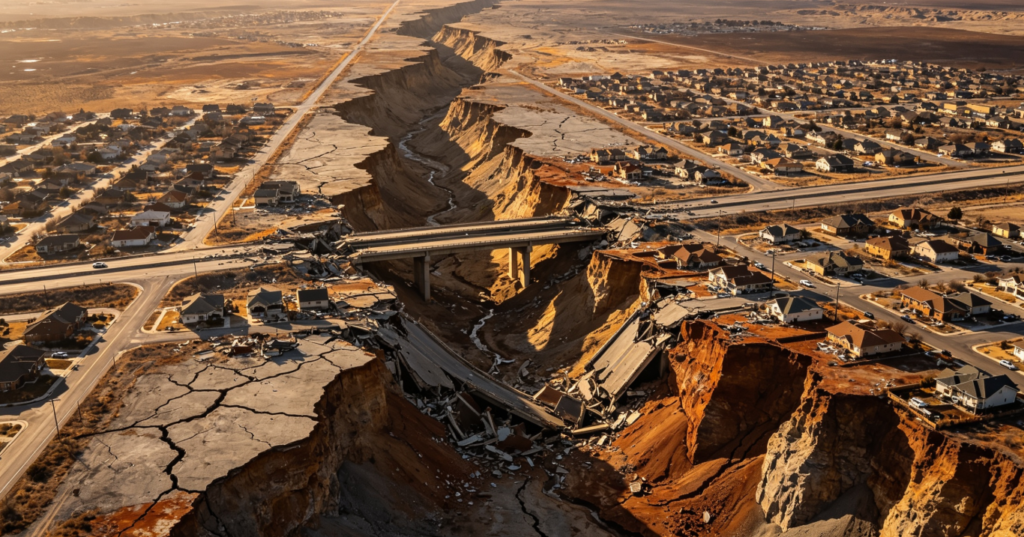
VENEZUELA — Scientists have confirmed that the catastrophic earthquakes that struck Venezuela on the night of June 24, 2026, were caused by an exceptionally rare geological phenomenon known as a strike-slip earthquake doublet, making the disaster one of the most significant seismic events in the country’s modern history.
According to seismic experts, the tragedy unfolded within less than a minute as two powerful earthquakes ripped through northwestern and central Venezuela. The first tremor, measuring Magnitude 7.2, struck as a powerful foreshock before being followed just 39 seconds later by an even stronger Magnitude 7.5 mainshock. The nearly back-to-back ruptures unleashed devastating ground shaking across multiple regions, overwhelming infrastructure, triggering widespread panic, and leaving thousands of residents scrambling for safety.
READ MORE ARTICLES:
920 + Dead in Venezuela Earthquake; Rescue Efforts Expand Amid Heavy Damage
The United States Geological Survey (USGS) reported that the earthquakes originated from shallow strike-slip faulting, a type of tectonic movement in which massive blocks of the Earth’s crust slide horizontally past one another. Unlike thrust earthquakes, where one tectonic plate is forced beneath another, strike-slip earthquakes involve lateral movement that can generate intense shaking over broad areas, particularly when the rupture occurs close to the Earth’s surface.
The Venezuelan earthquakes originated at relatively shallow depths of approximately 10 to 22 kilometers, allowing the seismic waves to reach the surface with tremendous force. Shallow earthquakes are widely recognized as being among the most destructive because they lose very little energy before reaching populated communities.
Researchers identified the source of the rupture along the San Sebastián Fault System, one of Venezuela’s most active fault zones. This geological boundary marks the interaction between two enormous tectonic plates the Caribbean Plate to the north and the South American Plate to the south. Although these plates move at a relatively slow rate of roughly two centimeters per year, their continuous horizontal motion gradually stores enormous amounts of tectonic stress over decades and even centuries. 235 Dead After Powerful Venezuela Earthquakes as Rescuers Continue Search.
When the accumulated pressure finally exceeded the strength of the rocks along the fault, the stored energy was released violently, producing the sequence of powerful earthquakes that shook much of the country. Seismologists explained that the immense force generated by years of tectonic strain was discharged almost instantaneously, resulting in widespread destruction.
The Twin Earthquakes
Twin earthquakes refer to the occurrence of two significant seismic events in close temporal and spatial proximity, typically defined as occurring within a few minutes to hours of each other. Such events can be classified as foreshocks and mainshocks or as two main shocks. The recent twin earthquakes in Venezuela have drawn attention to this phenomenon, emphasizing not only their geological implications but also their impact on the affected communities.
On March 6, 2023, the northern coastal region of Venezuela experienced a significant seismic event, registering a magnitude of 6.9. This earthquake struck near the town of La Guaira, sending shockwaves felt across the capital city of Caracas. A subsequent earthquake, with a magnitude of 6.4, occurred just 34 minutes later, intensifying the anxiety and uncertainty among residents. The geographic region of Venezuela is particularly known for its tectonic activity, situated as it is near the complex boundary of the South American, Caribbean, and Nazca plates.
Each earthquake caused substantial structural damage, especially in urban areas, exacerbating the already vulnerable states of infrastructure and emergency services. The phenomenon of twin earthquakes not only challenges the scientific understanding of seismic activity but also raises questions about preparedness in regions prone to such geological occurrences. In the context of Venezuela, the repercussions have extended beyond mere physical damage, affecting emergency response capabilities, economic stability, and the overall resilience of communities facing repeated shocks.
In understanding the implications of the recent twin earthquakes in Venezuela, it becomes essential to explore their causes, effects, and the responses initiated by local and national authorities. This exploration will aid in both the immediate recovery process and future disaster preparedness efforts.
What has drawn the attention of earthquake experts worldwide is the event’s classification as an earthquake doublet a phenomenon rarely observed in global seismology. Unlike a typical earthquake followed by smaller aftershocks, a doublet occurs when two separate but closely connected fault segments rupture independently within an extremely short period. Because both earthquakes released comparable amounts of seismic energy, scientists do not consider the second event to be a conventional aftershock. Instead, both ruptures are viewed as major earthquakes that occurred in rapid succession, dramatically amplifying the overall impact of the disaster.
The second and larger earthquake intensified damage that had already begun during the first shock, causing buildings weakened by the initial rupture to collapse, complicating evacuation efforts, and increasing the danger for emergency responders. Residents reported having almost no time to recover from the first violent shaking before the second, stronger earthquake struck, creating scenes of widespread chaos across affected communities.
Seismologists note that earthquake doublets remain extremely uncommon because most seismic events release enough accumulated stress to prevent another similarly powerful rupture from occurring immediately afterward. The Venezuelan sequence therefore represents a remarkable case study for researchers seeking to understand how interconnected fault systems behave under extreme tectonic stress.
The disaster has already been described as the strongest and deadliest earthquake to strike Venezuela in approximately 125 years, underscoring its historic significance. Beyond the immediate humanitarian crisis, the twin earthquakes have sparked renewed concern over seismic preparedness throughout northern South America and the Caribbean, where several active fault systems continue to pose significant geological risks.
As emergency operations continue across the affected regions, scientists are closely monitoring aftershock activity while analyzing the unprecedented sequence of ruptures. The findings are expected to contribute valuable insights into earthquake forecasting, fault interaction, and disaster preparedness, helping improve understanding of how rare doublet earthquakes develop and how communities can better prepare for similar events in the future.
Geological Background of Venezuela
Venezuela’s geological makeup is a complex interplay of tectonic plates, historical earthquake activity, and varied geography that together influence its susceptibility to seismic events. The country is primarily located on the northern edge of the South American tectonic plate, which interacts with several other geological structures in the region, particularly the Caribbean plate to the north and the Nazca plate to the west. These interactions result in significant tectonic activity, making Venezuela prone to earthquakes.
Historically, Venezuela has experienced several notable seismic events, with records suggesting significant earthquakes occurring as far back as the 16th century. The country’s position within the collision zone of multiple tectonic plates creates tremendous pressure, which can be released through faults in the Earth’s crust. The most notable fault systems affecting Venezuela include the El Pilar and the San Sebastián faults, both of which have been sites of past seismic activity and continue to pose risks today.
The geography of Venezuela further contributes to its seismic vulnerability. Its mountainous terrain, which includes the Andes in the west, affects the distribution of stress within the crust. These regions typically amplify seismic waves, leading to stronger shaking during an earthquake. Additionally, urban areas such as Caracas, situated near fault lines, face heightened risks because of their population density and infrastructure. As the nation’s infrastructure continues to develop, the potential for widespread damage from future earthquakes remains a significant concern.
In summary, the geological characteristics of Venezuela, underscored by the dynamics of tectonic plates and historical seismic activity, provide crucial insights into why the nation is frequently subject to earthquakes. Understanding these factors is essential for assessing risks and preparing for future seismic events.
Timeline of the Earthquakes
The twin earthquakes that struck Venezuela on March 21, 2023, were unprecedented in both their intensity and impact. The first earthquake rattled the region at precisely 1:27 PM local time. This initial quake registered a magnitude of 6.7 on the Richter scale, originating at a depth of approximately 10 kilometers beneath the earth’s surface. The epicenter was located near the bustling city of Barquisimeto, which experienced significant tremors, causing widespread panic among residents and resulting in immediate emergency responses from local authorities.
Following the initial shock, the second earthquake occurred just 23 minutes later, at 1:50 PM. This quake was slightly more powerful, registering a magnitude of 7.0. The depth was similar at around 11 kilometers, but the epicenter shifted slightly towards the northeastern areas, impacting communities in and around the town of Guanare. The aftershocks were felt in various locations across the country, highlighting the widespread nature of these geological events.
Significant aftershocks followed both quakes. The first aftershock, with a magnitude of 5.4, struck at 2:30 PM, just over an hour after the main quakes. Another notable aftershock was recorded at 4:15 PM, measuring 5.8 in magnitude. These additional tremors further exacerbated the anxieties of the populace, as many feared the potential for more significant seismic activities. Throughout the evening, several smaller tremors were recorded, with magnitudes ranging between 4.0 and 4.5.The affected regions reported structural damage, and emergency services commenced immediate assessments to determine the extent of the devastation and to offer aid to those in need. The response efforts were coordinated across multiple affected cities, emphasizing unity and resilience in the face of disaster.
Immediate Effects on Communities
The twin earthquakes that struck Venezuela had catastrophic effects on local communities, leaving destruction and grief in their wake. In the immediate aftermath, **infrastructure** suffered severe damage, with buildings collapsing, roads cracking, and essential services being disrupted. In cities like Caracas and areas in the northern region, residents found their homes reduced to rubble, contributing to a sense of devastation and uncertainty. The structural integrity of schools and hospitals was compromised, forcing a halt to education and critical medical services.
According to reports, the loss of life was substantial. Families and loved ones were torn apart as casualties rose, prompting a national mourning that permeated society. Survivors recounted harrowing experiences of fleeing their homes in moments of panic, leading to injuries and psychological trauma. The scene was nothing short of chaotic, as many sought refuge in temporary shelters, often resulting in overcrowded conditions and resource shortages. This situation complicated the immediate humanitarian response.
Emergency services were initially overwhelmed, struggling to coordinate rescue and relief efforts amidst the wreckage. However, as the shock subsided, dedicated teams were deployed to provide aid, assess the damage, and deliver much-needed supplies such as food, water, and medical care. Local organizations and international aid groups also mobilized to assist those in need, highlighting the resilience and solidarity within affected communities.
Personal stories of survival and loss emerged from the chaos, painting a poignant picture of human endurance. Many shared accounts of helping neighbors and strangers, showcasing how communities came together in a time of crisis. The aftermath of the twin earthquakes revealed not only the immediate physical and emotional toll but also the strength and determination of individuals striving to rebuild their lives amid adversity.
Long-term Consequences of the Earthquakes
The twin earthquakes that impacted Venezuela left profound long-term consequences on the regions affected. These seismic events not only caused immediate destruction but also led to significant economic repercussions that continue to reverberate. Infrastructure damage, including the collapse of buildings, roads, and public utilities, has necessitated extensive and costly reconstruction efforts. The decline in local businesses and loss of job opportunities have further exacerbated the economic strain on the affected communities, leading to a lingering economic downturn.
Another critical consequence of the earthquakes is the displacement of populations. Many individuals and families lost their homes during the seismic events, forcing them to seek refuge in shelters or move to other regions. This displacement disrupts the social fabric of communities, leading to a loss of social cohesion and support networks that are vital for recovery. The psychological impact of such dislocation can be profound, as individuals grapple with the trauma of having lost their homes and the stress of adjusting to new environments.
The ongoing psychological effects on survivors cannot be understated. Post-traumatic stress disorder (PTSD), anxiety, and depression are prevalent among those who experienced the earthquakes. The loss of loved ones, combined with the uncertainty of the future, has created an environment where mental health issues proliferate. Local health services are often ill-equipped to address the increased demand for mental health support, further complicating the recovery process. Over time, addressing these psychological scars will be essential for the holistic rehabilitation of the affected populations.
In light of these long-term repercussions, healing from the devastating twin earthquakes will require a multifaceted approach that addresses not only physical reconstruction but also the emotional and psychological needs of survivors. By understanding these consequences, authorities and organizations can better tailor their responses to foster more resilient communities in the face of future challenges.
Government and International Response
In the wake of the devastating twin earthquakes that struck Venezuela, both the Venezuelan government and various international aid organizations mobilized their resources to address the immediate needs of affected populations. The Venezuelan government declared a state of emergency in the impacted regions, which enabled the rapid deployment of emergency services and the establishment of relief centers. These centers provided essential supplies, including food, water, and medical assistance, to those displaced by the earthquakes.
Furthermore, local authorities conducted damage assessments to determine the extent of the destruction and to prioritize recovery initiatives. This assessment revealed significant infrastructure damage, prompting the government to work quickly with engineering teams to shore up vulnerable structures and to begin debris removal operations in urban areas. A public information campaign was launched to keep citizens informed about safety measures and available resources during the recovery phase.
In addition to the domestic response, international humanitarian organizations such as the United Nations and the Red Cross pledged support for Venezuela. These organizations coordinated with the government to facilitate the delivery of aid, including financial assistance, medical supplies, and logistical support. Many countries also extended offers of aid, with some nations sending rescue teams and additional resources to assist in recovery efforts.
This collaboration highlights the importance of both governmental and international responses in managing the aftermath of such catastrophic events. Through these combined efforts, the focus has remained on restoring essential services, providing medical care to the injured, and addressing housing needs for those who lost their homes. As recovery initiatives evolve, the long-term rebuilding of infrastructure will require continued commitment from both local and international stakeholders in order to foster resilience against potential future disasters.
Preparedness for Future Seismic Events
Venezuela, like many countries situated along tectonic plate boundaries, faces a persistent threat from earthquakes. The recent twin earthquakes have raised significant awareness regarding the need for effective earthquake preparedness in the country. Preparedness can play a pivotal role in mitigating the effects of future seismic events, safeguarding lives and infrastructure.
Currently, the practices in earthquake preparedness in Venezuela include public education campaigns focused on seismic awareness. These programs aim to inform communities about the nature of earthquakes and the importance of establishing personal and family emergency plans. Such education initiatives often involve local authorities partnering with educational institutions to disseminate crucial information through workshops and drills.
Moreover, communities are encouraged to make use of resources that guide them in creating emergency kits. These kits should ideally contain essential supplies such as food, water, first-aid materials, and communication devices. Furthermore, local governments have started integrating earthquake-resistant standards into building codes, thereby enhancing the safety of structures against potential seismic shaking.
Despite these efforts, the need for improvement remains evident. One essential recommendation is the enhancement of early warning systems. By investing in technology that provides real-time alerts following seismic activity, the government can mobilize emergency services more efficiently. Additionally, increasing investment in the structural integrity of public buildings and critical infrastructure is vital. Regular assessments and retrofitting can significantly improve resilience against future earthquakes.
To foster a culture of preparedness, community engagement must also be prioritized. Establishing volunteer emergency response teams can empower local residents and create a strong network of support during crises. Implementing exercises that simulate earthquake scenarios can further enhance readiness, equipping individuals with the skills necessary to respond effectively during an actual event.
Personal Accounts and Experiences
The twin earthquakes that struck Venezuela left a profound impact on the lives of many individuals. As the seismic tremors rattled homes and shook the very foundations of communities, the personal experiences of survivors emerged, revealing the emotional toll and resilience that followed. One resident, María Elena, recounted the harrowing moments of the first quake—an abrupt jolt that disrupted her family dinner. She described the panic that ensued as she and her children rushed to take cover, haunted by memories of previous seismic events. Though the terror was immediate, the experience also fostered a collective resolve to support one another in the aftermath.
In another account, José, a local shop owner, shared how the destruction of his business coincided with the quakes’ devastation. As his storefront crumbled, he felt an overwhelming sense of loss, not solely for his livelihood but for the community that was slowly eroding. Despite this, he quickly shifted his focus towards recovery, rallying fellow shopkeepers to preserve what remained and to aid those worse affected. This determination highlights the strength and solidarity that emerged in the face of adversity.
Eyewitness accounts also reflect a shared experience of vulnerability and resilience. Schoolchildren, caught unawares during classes, spoke of the chaos that ensued. One young girl described how her teacher calmly instructed them to exit the building, turning what could have been an ordinary day into an unforgettable lesson about courage. The emotional scars left by the disaster are palpable, yet they are accompanied by inspiring stories of human fortitude, camaraderie, and a commitment to rising from the ashes.
The recent twin earthquakes in Venezuela have highlighted the country’s seismic vulnerabilities and the urgent need for comprehensive disaster preparedness strategies. Throughout this blog post, we have examined the causes behind these seismic events, including the geological and tectonic factors influencing the region. The devastating effects that these earthquakes imposed on local communities, infrastructure, and the economy have also been extensively discussed.
One of the major challenges faced by Venezuela is not only addressing immediate recovery efforts but also ensuring long-term resilience against future seismic activities. The government and various organizations are urged to prioritize the enhancement of building codes, retrofitting existing structures, and investing in early warning systems. These measures can significantly mitigate the impacts of potential earthquakes and protect the lives of residents in vulnerable regions.
Community engagement and education play a crucial role in fostering resilience. It is essential for residents to be aware of seismic risks and to participate in preparedness initiatives. This grassroots involvement can empower communities to respond effectively during disasters and reduce fatalities and injuries. As Venezuela moves forward, the emphasis should be on creating a culture of preparedness and resilience that extends beyond mere response tactics.
Looking into the future, it is imperative for Venezuela to learn from the challenges posed by these twin earthquakes. Enhanced collaboration between government entities, NGOs, and international partners can provide a robust framework for disaster risk reduction. By creating an integrated approach to managing seismic threats, the country can not only recover from these recent events but also build a more secure and resilient future for its inhabitants.