
Office of the Solicitor-General asks the Supreme Court to dismiss Senator Ronald “Bato” dela Rosa’s pleas, branding him a fugitive evading an International Criminal Court arrest warrant linked to the war on drugs. After disappearing for six months, reappearing to cast a decisive vote for Senate leadership, and then vanishing again following a Senate disturbance, dela Rosa has filed multiple petitions seeking protection, access to sensitive state documents, and safeguards against arrest.
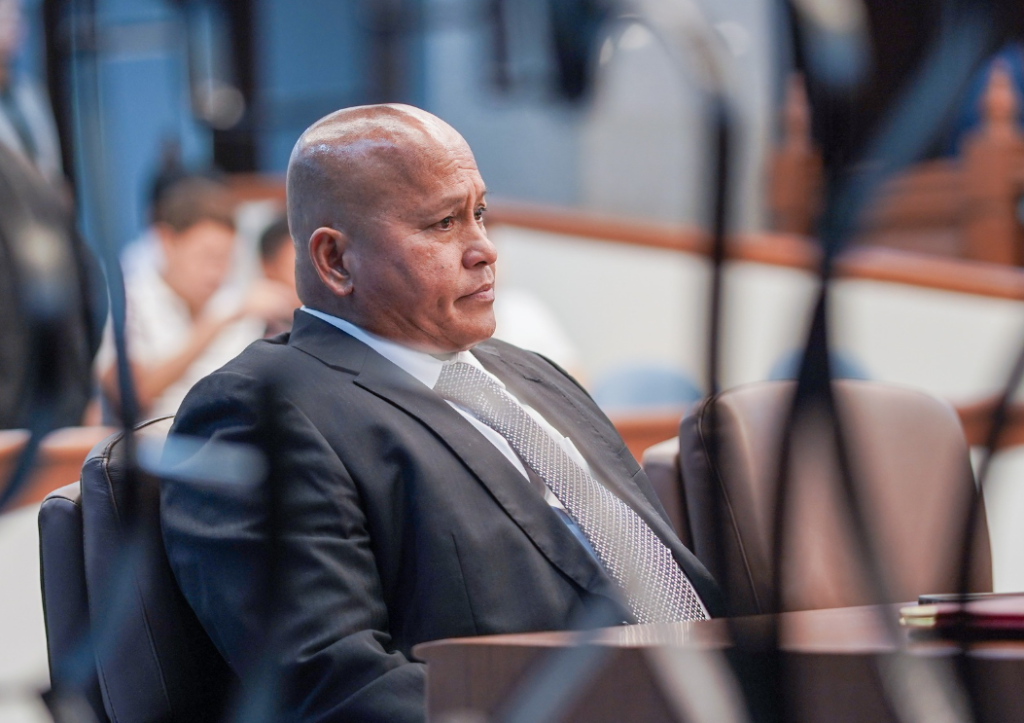
MANILA, Philippines – The standoff between Senator Ronald “Bato” dela Rosa and the government has laid bare a troubling clash between legal process and what authorities describe as deliberate attempts to escape accountability. The Office of the Solicitor-General (OSG) could not have been clearer when it urged the Supreme Court to reject all of dela Rosa’s pleadings, labeling the senator a fugitive from justice who is using the courts to shield himself from an international arrest warrant.
READ MORE ARTICLES:
- Rowena Guanzon Emerges as the New Iron Lady of Asia in the Mold of Miriam Defensor Santiago
- DepEd Sets Brigada Eskwela 2026 from June 1–5; Classes to Open June 8 Under New 3-Term Calendar
- Meralco vs. People? Meralco Pushes Stricter Solar Rules as High Electricity Costs Spark Public Backlash
- CSC Government Employees Banned from All Gambling Activities
- Impeachment of Vice President Sara Duterte-Carpio: Discussion, Judgment, Politics, and Consequences
- Lopez Inc. Leadership Shake-Up: 71% Family Bloc Forces Out Piki Lopez Amid Governance Storm
- #FACTCHECK: Deen Chase Says President Bongbong Marcos Jr. Has HIV/AIDS
The timeline of events only strengthens the government’s position. For six months, dela Rosa vanished from public view, at a time when rumors swirled that the International Criminal Court had sought his arrest. He stands accused as a key partner of former president Rodrigo Duterte in the deadly war on drugs, a campaign that has drawn global scrutiny over alleged crimes against humanity. His sudden return on May 11 was not for a public accounting, but to cast the deciding vote that installed Senator Alan Peter Cayetano as Senate President. That appearance quickly turned into a confrontation, as dela Rosa claimed agents of the National Bureau of Investigation tried to stop him from entering the Senate floor. He was placed under protective custody, yet just days later, following a shooting incident within the Senate premises, he slipped away before dawn. His location remains unknown up to this writing.
Despite being out of sight, dela Rosa has remained active in the legal arena. Through his lawyers, he has filed a string of urgent petitions and motions before the high court. His original plea from last November seeks to block any enforcement of the ICC arrest order and to stop the government from sharing or receiving any related communications through official channels. He has also demanded access to sensitive documents including Interpol notices and internal agency exchanges, materials that the executive branch says are protected by privilege. On top of these requests, he has asked that his case be automatically treated as a Writ of Habeas Corpus should he ever be detained, arguing no local court has charged him. He further wants the high court to order former senator Antonio Trillanes IV and NBI chief Melvin Matibag to explain the events of May 11, insisting they tried to arrest him illegally.
The OSG has pushed back hard against every part of this strategy. In its filing, the office describes dela Rosa’s applications as a catch-all attempt to bypass standard legal procedures and create special rules for his benefit. More importantly, it argues that the documents he demands are not public records but matters involving national security, diplomatic ties, and international cooperation. Releasing them freely would set a dangerous precedent and compromise state interests. The government also relies on established jurisprudence, citing a past Supreme Court ruling that defines a fugitive not just as someone who leaves the country, but anyone who deliberately places themselves beyond the reach of the law. By disappearing for months and then vanishing again while cases are pending, dela Rosa fits this definition exactly.
This case is about far more than one senator’s fate. It tests whether the justice system will allow public officials to use their positions and legal resources to escape accountability. Dela Rosa frames his actions as a defense of his rights and sovereignty against foreign intervention. But the government sees them as a calculated effort to delay and avoid facing serious allegations. The Supreme Court now faces a critical decision. It must decide if the law applies equally to everyone, or if those with power and influence can rewrite the rules to suit their needs. Whatever the outcome, this battle will shape how the country balances its own legal processes with its obligations to the international community.
Senator Bato Dela Rosa’s Fight Against ICC Arrest Warrant: Legal Implications and Reactions
Senator Ronald “Bato” Dela Rosa finds himself at the center of a complex legal battle following an arrest warrant issued by the International Criminal Court (ICC). This warrant stems from allegations of human rights violations connected to the war on drugs initiated during the administration of former President Rodrigo Duterte. Dela Rosa, who served as the chief of the Philippine National Police during the critical years of this controversial campaign, has faced significant scrutiny as international bodies examine the actions taken under his leadership.
The ICC’s move to issue the arrest warrant highlights the ongoing tensions between national sovereignty and international legal standards. The Philippine government, distancing itself from the ICC’s initiatives, has expressed its unwillingness to cooperate with the court’s demands. In particular, the Solicitor General has positioned the Philippine government’s stance in a manner that seeks affirmation from the Supreme Court regarding its non-cooperation with the ICC. This legal confrontation sheds light on questions surrounding jurisdiction over crimes allegedly committed on Philippine soil.
The implications of this case extend beyond Dela Rosa, involving significant discourse about accountability and governance within the Philippines. While various political factions voice divergent opinions, the necessity of a judicial resolution looms large. The discussions around this case force a critical evaluation of human rights practices, the rule of law, and the Philippines’ obligations as a member of the international community.
As the legal proceedings unfold, it remains to be seen how the court system will address these pressing issues. The responses from various stakeholders will continue to shape the narrative surrounding the ICC warrant and Dela Rosa’s subsequent actions, influencing public perception amid rising advocacy for justice and accountability.
Background on the ICC Arrest Warrant
The issuance of an arrest warrant by the International Criminal Court (ICC) against Senator Bato Dela Rosa is firmly rooted in a series of grave allegations concerning crimes against humanity. This situation has its origins in the controversial war on drugs initiated during former President Rodrigo Duterte’s administration, which began in mid-2016. The drug campaign has been marked by numerous reports of extrajudicial killings, where thousands of individuals suspected of drug-related offenses were allegedly killed by police and vigilantes.
The ICC, which has a mandate to investigate and prosecute serious crimes including genocide, war crimes, and crimes against humanity, commenced a preliminary examination into the situation in the Philippines in 2018. The preliminary inquiry aimed to gather evidence and determine whether there was sufficient basis to proceed with a formal investigation into the allegations surrounding the drug war, particularly focusing on the systemic pattern of extrajudicial killings linked to the state’s anti-drug efforts.
In September 2021, the ICC officially announced its decision to open an investigation into these allegations, which also highlighted concerns regarding the implications of police operations that led to human rights abuses. Subsequently, in January 2023, the ICC confirmed the arrest warrant against Senator Dela Rosa, who served as the former Chief of the Philippine National Police during the peak of the drug campaign. Although Dela Rosa has denied any wrongdoing and portrayed his actions as legitimate law enforcement efforts in line with national security, the warrant indicates serious legal implications, given the ICC’s commitment to holding individuals accountable for crimes against humanity. The arrest warrant has evoked diverse reactions, reflecting the polarized perspectives within Philippine society on the war on drugs and the legacy of Duterte’s presidency.
The Solicitor General’s Statement
The Office of the Solicitor General (OSG) recently submitted an 83-page comment to the Supreme Court regarding Senator Bato Dela Rosa’s request for a temporary restraining order (TRO) against an arrest warrant issued by the International Criminal Court (ICC). The comments articulated by the OSG present a multifaceted legal argument aimed at justifying the rejection of Dela Rosa’s plea. In essence, the OSG asserts that the ICC’s jurisdiction over this matter is grounded in international treaties to which the Philippines was once a party, thus highlighting the limitations of the country’s capacity to unilaterally ignore such jurisdiction.
In their statement, the OSG emphasized that the Philippines voluntarily ratified the Rome Statute, thereby binding itself to adhere to the provisions outlined therein, which include the ICC’s mandate to investigate and prosecute individuals accused of heinous crimes like extrajudicial killings. The office went on to delineate various precedents and constitutional principles supporting the ICC’s authority, arguing that the temporary restraining order sought by Dela Rosa would unjustly contravene the international obligations previously accepted by the Filipino state.
Furthermore, the Solicitor General contends that granting the TRO could undermine the integrity of both domestic and international legal frameworks, potentially resulting in adverse outcomes for the Philippines’ standing in the international community. They stress that the OSG maintains a commitment to uphold rule of law—both nationally and internationally—which may be compromised should Dela Rosa’s request be favorably considered.
The rebuttal put forth by the Solicitor General not only serves as a legal defense but also reflects broader implications regarding the Philippines’ adherence to international law and the accountability of public officials. This situation underlines the complexities surrounding the interplay between national sovereignty and international legal obligations, particularly in cases involving human rights violations.
‘Fugitive from Justice’
The term ‘fugitive from justice’ refers to individuals who evade legal processes or authorities designed to uphold laws and administer justice. This designation carries significant legal implications, as it implies that an individual has actively chosen to avoid facing legal repercussions for alleged criminal activities. In the context of Senator Bato Dela Rosa’s legal challenges regarding the International Criminal Court (ICC) arrest warrant, this classification becomes particularly salient.
According to the Office of the Solicitor General (OSG), behaviors that categorize someone as a fugitive from justice include failure to surrender when required, avoiding legal proceedings, or taking active measures to escape the reach of the law. Specific actions attributed to Dela Rosa serve as focal points for these claims. For instance, his public declarations about resisting extradition and his limited engagement with the legal proceedings initiated by the ICC have raised concerns among legal experts regarding his commitment to comply with judicial processes.
Moreover, the notion of a fugitive can also extend to efforts made by the individual to discredit or de-legitimize the legal mechanisms of various jurisdictions. In Dela Rosa’s situation, his continued criticisms of the ICC and claims of bias may be interpreted by the OSG as attempts to portray himself as a victim rather than facing the judicial scrutiny associated with the charges against him. This portrayal complicates the landscape of legal accountability, as it raises questions about the degree to which a public figure can resist allegations without facing the repercussions inherent to law enforcement.
In examining the specifics of Dela Rosa’s actions and statements, month-by-month developments in his case reveal a broader struggle related to perceptions of legal legitimacy. His positioning as a potential fugitive continues to provoke discussions about justice, accountability, and international legal standards within the Filipino context and beyond.
The Fugitive Disentitlement Doctrine
The fugitive disentitlement doctrine is a legal principle that holds individuals who are fleeing from justice to be ineligible for judicial relief. This doctrine serves to deter individuals from escaping legal consequences while attempting to leverage the legal system to their benefit. In the context of Senator Bato Dela Rosa’s situation regarding the arrest warrant issued by the International Criminal Court (ICC), this doctrine may have significant implications for his case.
Essentially, the fugitive disentitlement doctrine operates under the premise that individuals who are actively evading the law cannot concurrently invoke the protection of the law. If a person is deemed a fugitive, they are effectively disqualified from seeking any form of judicial remedy, as doing so would conflict with the fundamental principle that one cannot benefit from their wrongdoing. This principle can be particularly relevant in international law, where jurisdictions may grapple with how to balance sovereignty and justice.
For Senator Dela Rosa, the application of the fugitive disentitlement doctrine could impede his efforts to challenge the ICC’s arrest warrant. If the court determines that he is not fully cooperating with authorities or is deliberately trying to evade justice, his legal arguments may be significantly weakened. This situation raises profound questions about accountability, national sovereignty, and the international legal frameworks designed to address human rights violations.
Furthermore, the reactions to Dela Rosa’s situation, within both legal and public spheres, emphasize the complexities surrounding this doctrine. Supporters may argue for his right to due process, while critics cite legal accountability for alleged actions. The clash between the fundamental tenets of justice and the practical implications of the fugitive disentitlement doctrine underscores the intricacies of navigating legal processes in a global context.
Due Process and Judicial Intervention
The Office of the Solicitor General (OSG) has asserted that Senator Bato Dela Rosa has received adequate due process through his repeated engagements with the Supreme Court. This assertion is rooted in the legal principles that govern procedural fairness within the Filipino judicial system. The principle of due process is fundamental, as it ensures that individuals are granted fair treatment under the law, including the right to a fair hearing, the opportunity to present evidence, and the ability to contest any adverse actions that may affect their rights.
Senator Dela Rosa’s legal actions have predominantly centered around his pursuit of remedies against the International Criminal Court (ICC) arrest warrant. These actions were taken to uphold his constitutional rights amid the significant legal challenges he faces. Engaging with the Supreme Court, Dela Rosa initiated petitions that raised critical issues regarding the validity and enforceability of the ICC’s mandate, framing his arguments within the context of Philippine sovereignty and constitutional law.
The OSG has highlighted specific instances where Dela Rosa was afforded the procedural due process required by law. This includes his right to appeal, as well as his ability to subsequently file motions that challenge the legitimacy of any forthcoming actions against him. By navigating through these judicial mechanisms, the senator’s legal team has been able to raise pertinent questions related to the ICC’s jurisdiction, thus showcasing the procedural channels available to him.
While the complexity of Dela Rosa’s situation calls for a rigorous examination of legal precedents, it is vital to note that the due process he has engaged with does not necessarily imply a resolution in his favor. Instead, it emphasizes the ongoing challenges within the existing legal framework, urging a comprehensive scrutiny of procedural norms and judicial interventions that govern cases of this magnitude.
Reactions to the Situation
The recent developments regarding Senator Bato Dela Rosa and the International Criminal Court (ICC) arrest warrant have elicited a myriad of reactions from the public, legal analysts, and fellow senators. The diversity of opinions reflects the polarized views within the Philippine society concerning justice and the rule of law.
Public reaction has largely been influenced by partisan affiliations, with supporters of Dela Rosa expressing outrage over what they perceive as foreign interference in national sovereignty. Many constituents argue that the ICC’s actions undermine the Philippines’ judicial independence. Conversely, critics of Dela Rosa and the administration have welcomed the focus on accountability, asserting that the ICC’s investigation is vital in addressing potential human rights violations associated with the government’s anti-drug campaign.
Legal analysts have contributed to the discourse by examining the implications of the arrest warrant. Some experts note that the warrant signifies a crucial moment for the Philippines, arguing it emphasizes the need for legal frameworks that uphold human rights, regardless of political context. They contend that cooperation with the ICC could enhance the country’s compliance with international human rights treaties. Others, however, warn against overreliance on external bodies for justice, fearing that it may contribute to a narrative that undermines local legal institutions.
Fellow senators have also weighed in, with opinions split along political lines. While some senators have condemned the warrant, labeling it as an unjust attack on a public servant, others have defended the ICC’s mandate to probe human rights’ issues. These varied perspectives not only highlight the contentious nature of the situation but also raise critical questions about the future of legal accountability in the Philippines.
Implications for Philippine Politics and Governance
The involvement of Senator Bato Dela Rosa in the matter concerning the International Criminal Court (ICC) arrest warrant over alleged crimes against humanity raises significant legal and political implications for Philippine governance. As a key figure in the Duterte administration, Dela Rosa’s actions and stance have the potential to reflect broader sentiments and influence public trust in the institutions of the state.
One of the immediate repercussions of this situation is the polarization of public opinion. Dela Rosa, known for his association with the controversial anti-drug campaign, may be seen as a symbol of the administration’s unyielding approach to law enforcement. This prompts questions regarding legal accountability among government officials and the extent to which they can act without fear of international repercussions. The administration’s legacy, particularly its stance on human rights, is placed under scrutiny, potentially affecting the judiciary’s autonomy and the citizens’ perception of justice.
Moreover, the government’s reaction to the ICC’s warrant could lead to an erosion of public trust in governance. If the administration defends Dela Rosa vehemently against the ICC’s moves, it may resonate with supporters who view such actions as a challenge to national sovereignty. Conversely, this stance could alienate those who prioritize human rights and due process, thereby creating a significant divide among the populace.
Furthermore, the ICC’s involvement serves as a reminder of the international community’s role in holding leaders accountable. This dynamic might pressure the Duterte administration to adopt more transparent and responsible governance practices to preserve its legitimacy. Overall, Dela Rosa’s case encapsulates a critical moment in Philippine politics, reflecting the tension between national interests and international legal standards.
In the evolving landscape of legal actions involving Senator Bato Dela Rosa, the implications of the International Criminal Court (ICC) arrest warrant cannot be overstated. The warrant is a significant development, reflecting broader concerns regarding alleged extrajudicial killings in the Philippines, a topic that has garnered international scrutiny and domestic controversy.
Dela Rosa’s defiance in the face of these legal challenges highlights the ongoing tensions between national sovereignty and international legal norms. His resistance can be interpreted as a stance that resonates with certain segments of the Philippine population, potentially influencing future political dynamics. However, it also raises critical questions about accountability and the rule of law, which are essential in any democratic society. The responses from both the Philippine government and various international bodies will play a crucial role in shaping the future of this legal battle.
Looking ahead, the situation may further develop as Dela Rosa and his legal team continue to pursue various strategies to counter the ICC’s actions. These strategies could include appeals to domestic law or leveraging diplomatic channels to address the ICC’s jurisdiction over Filipino nationals. Furthermore, the responses from the current administration and opposition parties will be pivotal in determining the political ramifications of this case.
The ongoing discourse surrounding extrajudicial killings will likely remain a contentious issue, affecting not only the political landscape but also the Philippines’ international relations. As these events unfold, the interplay between local legal frameworks and international human rights obligations will continue to be a focal point, highlighting the complexities of navigating justice in the realm of politics.
Loyalty and Controversy: Ronald ‘Bato’ Dela Rosa and His Relationship with Rodrigo Duterte
Ronald ‘Bato’ Dela Rosa, a prominent figure in Philippine politics and law enforcement, has gained national recognition for his strong allegiance to former President Rodrigo Duterte. Born on January 21, 1962, in Davao City, Dela Rosa’s early life was shaped by the socio-political environment of Mindanao, a region known for its complex issues related to crime and governance. He pursued a degree in Public Safety which laid the groundwork for his illustrious career within the Philippine National Police (PNP).
Dela Rosa steadily ascended through the ranks of the police force, demonstrating a commitment to public service that would eventually lead him to the position of Chief of the PNP in 2016. His tenure coincided with Duterte’s controversial war on drugs, which has been the subject of both national and international scrutiny. Throughout this period, Dela Rosa became a prominent defender of the anti-drug campaign, often portraying it as a necessary response to rampant criminality. His unwavering support for Duterte’s policies solidified his reputation as one of the President’s most loyal allies.
The relationship between Dela Rosa and Duterte is not merely professional; it is underscored by a profound personal bond rooted in shared visions for addressing the issues facing the Philippines. Their interactions have been characterized by mutual respect and camaraderie. Dela Rosa’s loyalty was particularly evident during critical moments when Duterte faced challenges, showcasing the extent to which he would defend his friend and mentor in the face of controversy.
As we delve deeper into their relationship, it becomes clear that Dela Rosa’s allegiance to Duterte is emblematic of a broader narrative involving loyalty, power, and governance in the Philippines. Through key events and statements, this bond will be further explored, shedding light on the complexities surrounding their partnership.
Dela Rosa’s Initial Promises and Loyalty to Duterte
During the 2016 presidential elections in the Philippines, Ronald ‘Bato’ Dela Rosa emerged as a staunch advocate for Rodrigo Duterte, pledging unwavering loyalty and robust support for his campaign. Dela Rosa, who at the time held the position of Chief of the Philippine National Police (PNP), was fervently vocal about his commitment to Duterte’s vision of a crime-free Philippines. His promises included a comprehensive crackdown on illegal drugs, criminality, and corruption, which resonated with many citizens who were eager for change.
Dela Rosa’s empty rhetoric of ensuring a secure environment was not devoid of controversy. His statements frequently echoed Duterte’s tough stance, creating an impression of a united front against various societal issues. One notable instance was his declaration surrounding electoral integrity, where he promised people that the police would take significant action against electoral fraud, thus instilling confidence among Duterte’s supporters. This strong assurance exemplified Dela Rosa’s readiness to safeguard the electoral process while aligning himself with Duterte’s administration.
As Dela Rosa positioned himself as a defender of Duterte, his bold proclamations were met with mixed reactions. Supporters rallied behind him, appreciating his enthusiasm and pledges of action, while critics raised concerns about the potential ramifications of such aggressive rhetoric. The controversies surrounding Dela Rosa’s promises shed light on the complexities of his role during this transitional phase of Philippine politics. By publicly standing by Duterte, he showcased a commitment to uphold the values espoused by the president, while also navigating through the criticisms that came along with his fervent declarations.
The Rise of the Drug War: A Controversial Alliance
The inauguration of Rodrigo Duterte as President of the Philippines in June 2016 marked the beginning of a significant transformation in the nation’s approach to drug-related issues. One of the most consequential decisions made during this period was the appointment of Ronald ‘Bato’ Dela Rosa as the head of the Philippine National Police (PNP). Dela Rosa quickly became synonymous with the Duterte administration’s aggressive anti-drug campaign, a strategy that declared an all-out war on drugs. This campaign, while lauded by some for its intent to address rampant drug addiction, was met with substantial domestic and international criticism due to allegations of extrajudicial killings and human rights violations.
Under Dela Rosa’s leadership, law enforcement adopted a heavy-handed approach to apprehend drug offenders, resulting in thousands of deaths. The initial phases of the drug war were marked by highly publicized operations, leading to discussions in various public forums about the ethical implications of such measures. Dela Rosa’s public persona as a tough policeman resonated with a segment of the population that favored decisive action against crime, yet generated trepidation and pushback from human rights defenders and civil society organizations.
In his role, Dela Rosa defended the strategies employed throughout the campaign, often claiming that it was essential for national security and public safety. He frequently dismissed criticisms, framing them as political attacks aimed at undermining Duterte’s agenda. Dela Rosa’s remarks, which sometimes appeared dismissive of the gravity of the allegations against law enforcement, raised further controversies and highlighted the tension between his steadfast loyalty to Duterte and the mounting calls for accountability.
The political alliance between Dela Rosa and Duterte has thus been pivotal in shaping public discourse about law enforcement in the Philippines. This controversial partnership has led to profound changes in the societal landscape, as debates concerning justice and human rights continue to evolve alongside the ongoing combat against illegal drugs.
Defiance Against the ICC: Dela Rosa’s Stance
Ronald ‘Bato’ Dela Rosa, the former chief of the Philippine National Police (PNP) and a key figure in the country’s contentious war on drugs, has made headlines with his unwavering defiance against the International Criminal Court (ICC). As the ICC announced an investigation into allegations of human rights abuses during the Duterte administration, Dela Rosa’s response was marked by a resolute commitment to his actions during this tumultuous period. He has publicly stated that he is prepared to face any consequences arising from the ICC’s inquiries, presenting himself as a staunch loyalist to former President Rodrigo Duterte, under whose administration he gained significant prominence.
In his declarations, Dela Rosa has framed the ICC’s actions as an unwarranted interference in Philippine sovereignty. This perspective resonates with the sentiments of many who defend the drug war, portraying it as a necessary response to the country’s drug crisis. His loyalty to Duterte is evident in his rhetoric, frequently emphasizing the former president’s intention to eradicate narcotics and maintain peace and order. Dela Rosa’s position reveals a broader narrative about the adherence to Duterte’s hardline policies, amidst rising international scrutiny.
Interestingly, Dela Rosa’s stance seems to be evolving as he navigates through the complexities of public opinion and international law. While he remains defiant, there is an underlying recognition that the investigation poses serious implications not only for his legacy but for the broader political climate in the Philippines. His willingness to confront the possible repercussions of the ICC’s findings exemplifies a commitment to his principles, albeit amid increasing pressure for accountability. This dichotomy captures the essence of Dela Rosa’s journey, reflecting both his determination to support Duterte’s vision and the challenging landscape of international human rights discourse.
The Arrest of Duterte and Dela Rosa’s Shift in Perspective
In the wake of former President Rodrigo Duterte’s arrest in The Hague, the political landscape in the Philippines underwent a profound transformation. Ronald ‘Bato’ Dela Rosa, a long-time ally and supporter of Duterte, publicly expressed his staunch commitment to stand by his mentor during this turbulent period. Dela Rosa’s loyalty to Duterte has been unwavering; however, the complexities surrounding the International Criminal Court (ICC) processes have cast a shadow over his initial expressions of support.
Upon the announcement of Duterte’s legal troubles, Dela Rosa reiterated his loyalty, emphasizing that he would care for the former president amid intense scrutiny from the international community. This initial reaction highlighted the deep-seated camaraderie between the two, particularly given Dela Rosa’s position as the former chief of the Philippine National Police, a role pivotal in executing Duterte’s controversial drug war policies. Dela Rosa’s steadfast loyalty was grounded in their shared vision of governance and their mutual understanding of the struggles associated with their political endeavors.
However, as the realities of the ICC’s processes emerged, a gradual shift in Dela Rosa’s perspective became apparent. The ICC investigation sought to delve deeper into allegations of human rights violations during Duterte’s administration, which led to a reevaluation of the political fallout that might ensue. Dela Rosa’s initial resolve began to face constraints as he weighed the implications of continued allegiance against potential repercussions for himself and Duterte. This moment of reflection not only tested Dela Rosa’s commitments, but it also exposed the fragility of loyalty in a politically charged environment where public perception and accountability are paramount.
Dela Rosa’s Senatorial Career and Political Maneuvering
Ronald ‘Bato’ Dela Rosa’s transition from his role as a police chief to a senator marked a significant shift in his political career. Dela Rosa, widely recognized for his leadership during the controversial war on drugs under President Rodrigo Duterte, leveraged his extensive background in law enforcement to secure a position in the Senate. His candidacy during the 2019 midterm elections was significantly bolstered by Duterte’s endorsement, a substantial advantage in the Philippine political landscape.
Upon his election, Dela Rosa became a prominent figure in the Senate, aligning closely with Duterte’s policies and legislative priorities. His political maneuvering has often mirrored Duterte’s strategies, reflecting a loyalty that has drawn both support and criticism. Not only has he championed the administration’s initiatives, but he has also positioned himself as a staunch defender of Duterte’s controversial approaches, particularly in matters pertaining to criminal justice and public safety.
As a senator, Dela Rosa has navigated the complexities of Philippine politics, often finding himself at the center of contentious debates regarding the war on drugs and human rights issues. His ability to maintain political relevance while steadfastly supporting Duterte’s legacy highlights the intertwined relationship they share. This bond arguably provides Dela Rosa with opportunities to influence policy outcomes and legislative priorities that align with his own vision for the Philippines.
Dela Rosa’s tenure in the Senate has demonstrated a clear pattern of political maneuvering influenced by his close association with Duterte. Through this affiliation, he has effectively shaped his political identity and has sought to embody the tough stance on crime that characterized Duterte’s presidency. As the political landscape continues to evolve, it remains to be seen how Dela Rosa will navigate challenges and opportunities while maintaining his allegiance to the former president’s broader agenda.
The Marcos-Duterte Alliance: Dela Rosa’s Role
Ronald ‘Bato’ Dela Rosa’s involvement in the Marcos-Duterte alliance during the 2022 Philippine elections exemplifies his enduring loyalty to the Duterte administration. As a key surrogate for the coalition, Dela Rosa’s advocacy extended beyond traditional campaigning; he actively bolstered the legitimacy and appeal of this political partnership. His background as a former police chief and senator positioned him uniquely to influence electoral dynamics, appealing particularly to voters seeking continuity in the hardline governance style that characterized Rodrigo Duterte’s presidency.
The alliance between the Marcos and Duterte families traces its roots back to shared political interests and mutual support systems. Dela Rosa emerged as a vocal proponent of this collaboration, emphasizing the necessity of unity among pro-Duterte factions to counter opposition forces. His campaigning efforts often underscored the perceived benefits of a Marcos presidency alongside the Duterte legacy, including promises of stability and continuity in governance. This strategic alignment has significant implications not only for the immediate electoral landscape but also for the long-term trajectory of Philippine politics.
Moreover, Dela Rosa’s role as a campaign surrogate symbolized a continuation of the Duterte administration’s controversial stance on various issues, including the ongoing investigations by the International Criminal Court (ICC) concerning human rights abuses during the war on drugs. His unwavering support for Ferdinand Marcos Jr. reinforced a narrative that seeks to consolidate power within the same political families, raising questions about the future of the Philippine democratic process. Understanding Dela Rosa’s actions and their implications provides insight into the complexities of modern Philippine politics, particularly in a landscape where alliances can significantly sway public perception and policy directions.
Controversy and the ICC: Dela Rosa’s Strategic Choices
Ronald ‘Bato’ Dela Rosa, a significant figure in Philippine politics, has recently become embroiled in controversy relating to the International Criminal Court (ICC) prosecution against former President Rodrigo Duterte. Following developments in the investigation surrounding the administration’s war on drugs, Dela Rosa’s position has garnered attention due to his efforts to evade arrest. This situation raises questions about his strategic choices and their implications for his future in public office.
In a bid to secure protection from arrest, Dela Rosa sought refuge within the Senate, where he has maintained a presence as a prominent senator. His injuries during events surrounding his potential arrest have further fueled speculation regarding his political strategies. By positioning himself within the Senate, he not only seeks a shield from legal repercussions but also aims to galvanize political support among his allies. This move reflects a calculated risk, showcasing Dela Rosa’s experience in navigating the complexities of Philippine politics.
Dela Rosa’s actions have implications that extend beyond personal protection. His choices reveal a broader narrative concerning the accountability of public officials in the Philippines. The scrutiny of the ICC underscores the need for transparency and the rule of law, which are critical components of democratic governance. Dela Rosa’s engagement with this contentious issue could redefine his legacy in the political arena. As he maneuvers through potential legal repercussions, the impact of his decisions will undoubtedly resonate within the public consciousness and shape the future of his political career.
The relationship between Ronald ‘Bato’ Dela Rosa and Rodrigo Duterte is emblematic of the intricate dynamics within Philippine politics. Their association has been shaped by a confluence of loyalty, controversy, and significant legal challenges, establishing a legacy that will influence both their futures. Dela Rosa, through his role as the Chief of the Philippine National Police during Duterte’s controversial war on drugs, has garnered a reputation that intertwines admiration and criticism. While some view him as a staunch defender of Duterte’s policies, others characterize him as a controversial figure mired in allegations of human rights abuses. This duality creates a complex portrait of a public servant whose actions have sparked widespread debate.
As the political landscape of the Philippines continues to evolve, the implications of Dela Rosa’s tenure are likely to persist. The upcoming elections and shifts in public opinion will test the durability of his support among voters. His unwavering loyalty to Duterte may be a double-edged sword; it has solidified his base among Duterte loyalists, but it may alienate more moderate voters seeking change. Furthermore, ongoing legal challenges related to the drug war could threaten his political future, revealing the fragile nature of his standing amidst increasing scrutiny.
Looking ahead, Dela Rosa’s ability to navigate these complexities will likely define his political trajectory. As new leaders emerge and the call for accountability grows louder, the legacy of both Dela Rosa and Duterte will be reassessed. Their intertwined legacies will remain a significant aspect of the ongoing dialogue in Philippine politics, shaping perceptions and responses to governance, law enforcement, and human rights in the country.
The Dual Persona of Bato Dela Rosa: Tough Talk and Unserious Ways
There is a clear turning point that defined the public life of Ronald “Bato” dela Rosa. He himself can trace it back to mid May 2016, just weeks before Rodrigo Duterte assumed the presidency. Back then he was still a one star general holding office in a quiet and unremarkable room within Camp Crame. Yet already people both strangers and acquaintances were stopping him just to say hello or snap a photo. He had suddenly become a recognizable face, and he embraced the attention fully. This early rise to fame set the tone for how he would carry himself through the years that followed.
From the very start, dela Rosa showed he had no fear of the spotlight, even when his words or actions caused controversy. One striking example happened in August 2016 in Bacolod City. Speaking before a crowd of individuals who had surrendered to authorities over drug related charges, he openly urged them to burn down the homes of alleged drug lords and to express their anger openly. The statement was bold, provocative, and dangerous. When news of his speech was published, criticism poured in online. During a boat trip to Iloilo the next day, he approached a reporter to say he was facing backlash because of the story. When reminded that the report only reflected exactly what he had said, he did not deny it. He only asked whether he should apologize. Later that day, he did express regret for his choice of words.
That incident is now part of the official record examined by the International Criminal Court. In the public version of the Prosecution’s Pre Confirmation brief, that speech is cited directly as evidence of the kind of rhetoric used at the height of the anti drug campaign. It noted that he told people to kill drug lords and destroy their properties because these figures had caused addiction and suffering. This moment captures the essence of his time as chief of the Philippine National Police and as the main implementer of the drug war. Even when discussing matters of life and death, national security, and law enforcement operations, his approach often carried a tone of lightness or lack of gravity that many found unsettling.
His nickname “Bato” is officially linked to his hometown in Davao del Sur, but it also fits perfectly with the image he cultivated. He projected himself as solid and unshakeable, much like a rock. He was known for speaking his mind without filters and for taking a hardline stance against crime and drugs. Yet behind that tough exterior lay a contrasting trait. Those who covered his tenure recall how he would handle difficult or probing questions. Instead of giving clear or detailed answers, he would often shift the mood. He might crack a joke, raise his voice to deflect pressure, or even sing a line from a song to change the subject. Reporters learned quickly that getting a straight response from him required persistence and patience.
This same style was on full display recently at the Senate plenary hall. After months away from public view, dela Rosa suddenly appeared, and a reporter asked why he had chosen that moment to return. His response was sharp and defensive. He asked why people looked for him when he was absent, yet questioned his presence the moment he showed up for work. It was a familiar tactic, turning the question back to the asker rather than addressing the underlying issues. It mirrored the way he operated years ago as police chief. He presented himself as a public servant doing his duty, while brushing aside inquiries about his actions, his whereabouts, or the consequences of policies he championed.
Looking back at his journey from a little known officer to one of the most recognizable and controversial figures in the country, one thing remains consistent. Dela Rosa has always known how to command attention. Whether through photo opportunities, fiery speeches, or colorful responses to the media, he ensured he remained at the center of the story. But that same approach has also left many important questions unanswered. His words and actions are now being weighed in legal and international forums, where jokes, deflection, and tough talk will not be enough to determine the truth. What remains is a portrait of a man who became famous for his style, even as the substance and impact of his work continue to face serious scrutiny.
Bato Dela Rosa’s Unchanging Narrative Amid Evasion and Denial
Since stepping back into public view after months in hiding, Senator Ronald “Bato” dela Rosa has attempted to project a more measured and careful tone, a sharp shift from his previously outspoken and unapologetic demeanor. Whether this change comes from realizing he now holds a weaker position in this legal battle or is simply a new tactic to gain an upper hand remains unclear, especially as he has once again gone into hiding shortly after making his presence felt. This inconsistency between his words and his actions leaves many questions unanswered about his true intentions.
In interviews and statements issued through his legal team, dela Rosa has put forward conflicting claims about his stance on the International Criminal Court or ICC warrant. He argues the order should not be enforced while also saying he will use every legal avenue available to challenge it. He repeatedly states he is ready and willing to face trial, provided the case is heard before a Philippine court and not an international body. Yet when pressed on whether he would surrender immediately if a local court were to issue an arrest warrant against him, he offers no clear commitment. In one exchange with a news outlet, he said he would face that situation when it arrives and would exhaust all legal remedies, a vague response that stops short of a firm promise to submit to authority.
Through his years as the country’s top police official up to the present time, one thing has never changed. Dela Rosa remains unwavering in his defense of the anti drug campaign, its methods, and his own part in it. When asked about the basis of the ICC proceedings, which center on allegations of crimes against humanity, he shifts the focus entirely. He questions whether anyone truly believes he personally killed anyone or ordered others to carry out killings. He insists that police officers only resorted to the use of force when their own lives were at risk during operations. He also claims that abuses were never tolerated and that authorities conducted investigations into any reported irregularities.
These assertions stand in stark contrast to the broader picture painted by available data and independent observers. Official records from the administration of former president Rodrigo Duterte list more than 6,000 people killed in official police operations up to mid 2022. Human rights organizations and independent researchers put the figure much higher, estimating close to 30,000 deaths when including killings carried out by unidentified gunmen and vigilante groups believed linked to the campaign. Despite these high numbers, very few cases have actually reached the courts in the Philippines. Even fewer have resulted in convictions, leaving the vast majority of these deaths without any form of judicial resolution or accountability.
Behind all his public appearances, legal filings, and even displays of loyalty such as singing academy hymns and posting messages of support, dela Rosa’s core belief remains consistent. He continues to view the drug war as a necessary and successful measure for the nation. He sees his own actions as carried out in good faith and in service to the country. As he once wrote publicly years ago, his loyalty also remains deeply tied to the former president, whom he described then as the greatest leader on Earth. That unyielding stance and the refusal to admit any wrongdoing are at the heart of why this legal and political conflict shows no sign of ending soon.
- All Eyes on Sara Duterte as Senate Launches Explosive Impeachment Trial
- Europe’s Relentless Heatwaves Signal a New Climate Reality
- PH New Curriculum Raises Questions About Teacher Workloads, School Leadership Nationwide
- China Activates Level-IV Emergency Response Ahead of Approaching Typhoon
- Southern China, Typhoon Maysak Forces Evacuations Ahead Of Second Landfall
- LET Room Assignments September 2026 Licensure Exam for Teachers Secondary Level
- MPLE Room Assignments July 2026 Master Plumbers Licensure Exam
- Argentina Beats Cape Verde, Advances to World Cup Quarterfinals
- Ferdinand Marcos Met by Filipino Protesters in Canada, Driven Away from Rally
- THAILAND: 10 Monks Killed, Multiple Injured as 11-Year-Old Boy Drives Truck
- Connecticut Mansion Trail Raises Questions Martin Romualdez Wealth, Linked to Andrew Casiño
- BINI Named Philippine Tourism Ambassadors to Showcase Filipino Culture Worldwide
- DOLE Releases ₱9.88 Million Wages for 1,040 Fisherfolk Beneficiaries
- Kapwa Pulis, Binaril at Napatay ang Opisyal sa Zamboanga Sur
- Police corporal nasawi sa pamamaril sa Zamboanga del Sur
- SC Nagpasya: Ilegal ang PhilHealth Fund Transfer sa Budget Law
- 21,000 Join Visayas Job Fairs for Skills and Careers
- Ombudsman Files Non-Bailable Plunder Case Against Sen. Rodante Marcoleta
- Cebu Schools Tighten Security Amid Shooting Threat Concerns
- PH, Canada Sign Historic Labor Pact for OFW Protection
- English Grammar Rules
- Bangkay ng Lalaking Natagpuang Nakasilid sa Sako sa Palompon, Positibo Nang Nakilala ng Pamilya
- Gilas Pilipinas Faces Defining FIBA World Cup Qualifiers Against New Zealand and Australia
- COA Muling Nagbigay ng Pinakamataas na Audit Opinion kay Sara Duterte
- Tatlong PDL Nakatakas sa Northern Samar Provincial Jail, Malawakang Paghahanap Inilunsad ng mga Awtoridad