Canada and the United Arab Emirates signed a landmark Comprehensive Economic Partnership Agreement on October 27, 2026, in Ottawa to reduce tariffs on more than 99% of Canadian exports to the UAE, expand market access, attract investment, and strengthen economic ties as Prime Minister Mark Carney seeks to diversify Canada’s trade partnerships amid ongoing tensions with the United States.
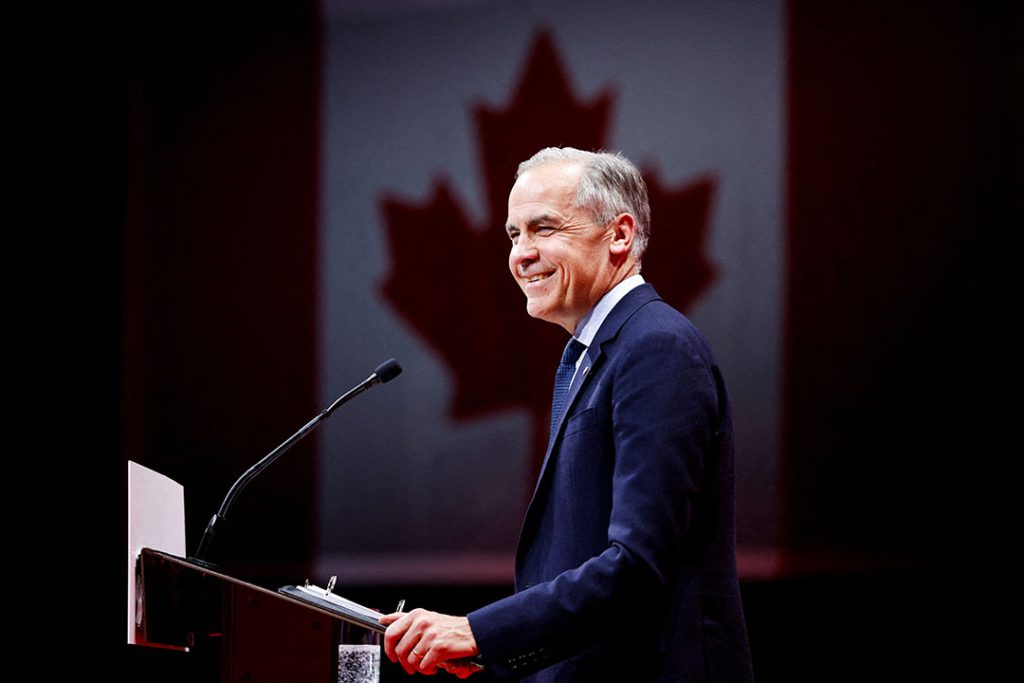
OTTAWA, CANANDA — Canada and the United Arab Emirates (UAE) signed a landmark free trade agreement on October 27, 2026, aimed at reducing trade barriers, expanding market access, and attracting investment as Canadian Prime Minister Mark Carney accelerates efforts to diversify the country’s international economic partnerships amid trade tensions with the United States.
ADSCarney and Abu Dhabi Crown Prince Sheikh Khaled bin Mohamed bin Zayed Al Nahyan presided over the signing of the Comprehensive Economic Partnership Agreement (CEPA) in Ottawa, marking a significant step toward strengthening economic relations between the two countries. The governments also announced preliminary agreements covering energy, defense, and diplomatic cooperation.
The CEPA is expected to reduce or eliminate tariffs on more than 99% of Canada’s current exports to the UAE once fully implemented, according to the Canadian Prime Minister’s Office. The agreement is designed to create new opportunities for Canadian farmers, manufacturers, technology companies, and service providers seeking greater access to markets in the Middle East.
Canadian agricultural producers, particularly those exporting canola and pulses, are among the potential beneficiaries. Manufacturers of industrial machinery and power-generation equipment, as well as companies in aerospace, engineering, environmental services, and advanced technology, are also expected to gain improved access to the UAE market.
Beyond tariff reductions, the agreement seeks to address non-tariff barriers, reduce administrative obstacles, and establish a more predictable environment for trade and investment. Its provisions are intended to facilitate the movement of goods and services while strengthening commercial cooperation between businesses in both countries.
The agreement is expected to enter into force in 2027, subject to the completion of the necessary domestic legal procedures. Its signing represents an important milestone, although the full benefits will depend on implementation and the ability of businesses to take advantage of the new market opportunities.
READ MORE:
- Canada and UAE Sign Landmark Trade Deal to Boost Investment and Economic Ties
- Philippines Prepares for Super El Niño as Water Shortages Threaten Communities
- Philippines Faces Severe El Niño Threat to Rice Supply, Food Prices
- Advertise with us aptikons.com
- The Timeless Bond and Contemporary Crossroads
For Canada, the agreement supports Carney’s broader strategy of reducing the country’s reliance on the United States as its dominant trading partner. The Canadian prime minister has pledged to double Canada’s non-U.S. trade over the next decade as tariffs and economic uncertainty complicate its commercial relationship with Washington under U.S. President Donald Trump.
ADSOttawa has consequently pursued stronger economic ties with countries across the Asia-Pacific region, Europe, and the Middle East. The UAE is a strategic partner in this effort because it serves as Canada’s largest export market in the Middle East and offers access to a regional business hub connecting markets across several continents.
The UAE, meanwhile, sees the agreement as an opportunity to expand its international commercial relationships and create additional investment opportunities for its private sector. The country has identified logistics, communications, advanced technology, manufacturing, and energy as important areas for future cooperation.
UAE Foreign Trade Minister Thani Al Zeyoudi said the agreement would create opportunities through improved market access for exporters and expanded investment prospects in high-growth industries. He signed the CEPA alongside Canadian Trade Minister Maninder Sidhu.
The two governments also advanced cooperation beyond trade by signing preliminary agreements on energy, defense, and diplomacy. These initiatives signal a broader effort to strengthen bilateral relations and establish closer cooperation in areas of mutual economic and strategic interest.
Bilateral trade between Canada and the UAE was valued at approximately C$3.5 billion in 2025, equivalent to about US$2.48 billion, according to the figures provided by the governments. Trade between the two countries has grown in recent years, reflecting expanding commercial ties and demand for Canadian products in the Gulf market.
The UAE has also announced major investment commitments involving Canada. The investment figures associated with the two countries’ discussions are intended to support projects across sectors such as energy, transportation, logistics, and technology, although the amounts and terms of specific commitments should be distinguished from investments already completed.
The signing of the CEPA marks the latest development in Canada’s efforts to broaden its global economic partnerships. If implemented as planned, the agreement could provide Canadian exporters with improved access to the UAE while opening additional opportunities for Emirati companies and investors in Canada.
As both governments prepare for the agreement’s anticipated implementation in 2027, businesses will be watching how tariff reductions, regulatory changes, and investment initiatives translate into stronger trade flows and long-term economic cooperation. / REUTERS/AFP/CNN
ADS