In the educational landscape, the focus has traditionally been on academic achievement and intellectual growth. However, an equally significant factor that shapes the school experience is the presence of character traits and behaviors among students. Toxic habits, which can manifest in various forms, not only detract from personal development but also pose a considerable risk to the overall learning environment. These negative behaviors can disrupt class dynamics, harm relationships, and create an atmosphere that stifles growth for both the individual and their peers.
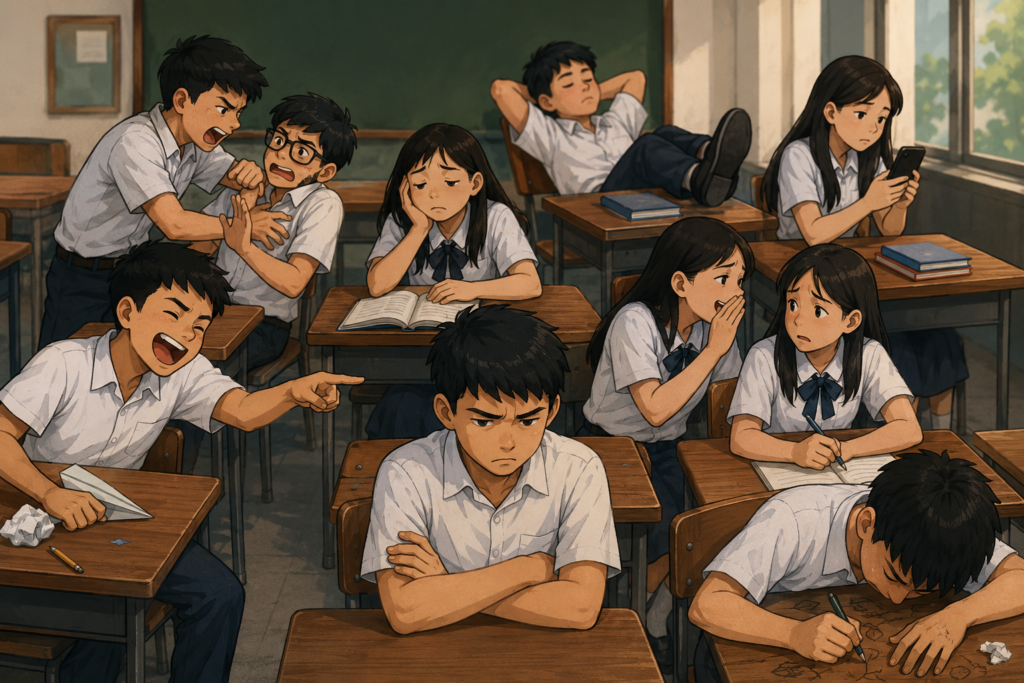
Schools are not only institutions for academic learning; they are also places where young people develop values, character, and life skills that will shape their future. A truly good school does not simply produce intelligent students it nurtures individuals who are respectful, responsible, and compassionate members of society.
Unfortunately, some students develop habits and behaviors that negatively affect their education, damage relationships, and create an unhealthy environment for others. Educators and parents alike play an important role in helping students recognize and avoid these toxic habits.
Family Is the First Teacher, but Social Media Is Becoming the Strongest Influence
Many studies have shown that the family is a child’s first school and parents are their first teachers. It is within the home that children first learn values such as respect, honesty, discipline, responsibility, and kindness. Parents are often the first to guide, correct, and discipline their children, making the family the foundation of a child’s character and behavior.
However, as children grow, they are exposed to influences beyond the home. Friends, schools, communities, and especially social media now play a major role in shaping attitudes, beliefs, and behavior.
In today’s digital age, children and teenagers spend countless hours on social media platforms, where they are exposed to a wide range of content and personalities. While social media can be a valuable tool for learning, communication, and creativity, it can also expose young people to harmful behaviors, misinformation, disrespectful language, cyberbullying, and unhealthy trends.
As a result, many parents and teachers are finding it increasingly difficult to instill discipline and positive values in children when competing with the powerful influence of the online world. Some students may imitate behaviors they see on social media without fully understanding the consequences of their actions.
The challenge is not that social media exists, but how it is used and managed. Without proper guidance and supervision, children may adopt attitudes and behaviors that conflict with the values taught at home and in school.
This is why cooperation between parents, teachers, and the wider community is more important than ever. Parents must remain actively involved in their children’s online activities, while schools should continue teaching digital responsibility, critical thinking, and responsible social media use.
Technology itself is neither good nor bad—it is simply a tool. The responsibility lies in teaching children how to use it wisely and responsibly.
The family remains the foundation of a child’s character. But in a world increasingly shaped by screens and social media, parents and educators must work together to ensure that positive values remain stronger than negative influences.
Good character stands as a cornerstone of successful educational experiences, influencing how students interact with one another and with educators. While excelling academically is essential, it is imperative that students recognize the importance of nurturing positive habits that contribute to the school community’s well-being. Toxic behavior can take many shapes, including bullying, disrespect, dishonesty, and disengagement, each of which can have far-reaching consequences.
These detrimental habits not only impact the individual displaying them but can also lead to a collective decline in morale and motivation among peers. In a setting designed to foster learning and collaboration, the emergence of toxic traits can generate an environment fraught with tension and conflict. Consequently, the cultivation of positive behaviors must be prioritized to pave the way for both scholarly and personal success.
Encouraging a culture of respect, empathy, and responsibility can significantly enhance the educational experience for all students, ensuring that academic pursuits are complemented by strong interpersonal skills. This blog post aims to explore ten toxic habits that students should avoid displaying in school, highlighting their negative implications and underscoring the essential role of good character in the educational journey.
1. Disrespecting Teachers and School Staff
Talking back, arguing rudely, rolling one’s eyes, or refusing to follow instructions creates unnecessary conflict and disrupts the learning environment. Respect for teachers and school personnel is essential for maintaining order and productive classrooms.
The educational environment plays a crucial role in shaping not only academic skills but also social and emotional development in students. However, an alarming trend has been observed concerning the increasing instances of disrespect directed towards teachers and school staff. This behavior poses a significant challenge within educational institutions, where the promotion of respect is necessary for effective teaching and learning.
Disrespect in schools can manifest in various forms, from verbal insults and exclusionary behaviors to disruptions during instruction. Such actions not only undermine the authority of educators but also compromise the overall atmosphere of the learning environment. A climate devoid of respect can lead to heightened tension and anxiety among both teachers and students, detracting from the educational experience. Consequently, this can hinder academic achievement and the personal growth of students.
The implications of disrespect extend beyond the immediate classroom interactions; they can have long-term effects on the morale of school staff and the community at large. Teachers who experience disrespect may feel undervalued and demotivated, which can lead to burnout and turnover. This situation creates a cycle where qualified educators leave the profession, resulting in instability for students and diminished educational outcomes.
Thus, addressing disrespectful behaviors is imperative. Implementing strategies that foster respect not only enhances the interaction between students and educators but also cultivates an inclusive atmosphere conducive to learning. By prioritizing respect within educational settings, institutions can promote a culture that benefits everyone involved, ultimately leading to a more effective and positive educational experience. Understanding Disrespectful Behavior
Disrespectful behavior in educational settings can manifest in various forms, creating challenges for teachers and school staff. Common examples of such behavior include talking back, arguing rudely, rolling one’s eyes, and refusing to follow instructions. Each of these actions not only undermines the authority of educators but also disrupts the learning environment for other students. Understanding the root causes of this behavior is essential in addressing it effectively.
One significant factor contributing to disrespectful behavior is the influence of societal factors. Contemporary media often portrays conflict and defiance as acceptable forms of expression. This portrayal can desensitize students to the consequences of their actions and promote a disregard for authority figures, such as teachers and school staff. The normalization of such behavior in popular culture may lead students to imitate what they observe, adopting a similar demeanor in the classroom.
Additionally, peer pressure plays a crucial role in shaping student behavior. In many instances, students may feel compelled to conform to group dynamics, leading them to engage in disrespectful acts to gain acceptance from their peers. The need for social validation can drive students to prioritize the opinions of their friends over the respect they owe to educators, leading to a cycle of disrespectful behavior.
Personal struggles also contribute to disrespectful behavior. Students may face various challenges outside the school environment, including family issues, mental health concerns, or academic pressure. These struggles can manifest in frustration, leading students to express their feelings through defiant actions. Understanding that these behaviors often stem from deeper issues is pivotal in helping educators approach the situation with empathy and effective strategies.
Consequences of Disrespectful Behavior
Disrespectful behavior within educational settings poses significant challenges, affecting not only individual teachers but the overall classroom environment as well. When students exhibit disrespect, it undermines teacher authority, leading to diminished morale. Teachers who feel disrespected may experience frustration, stress, and a sense of helplessness, resulting in a decreased ability to engage students effectively. This detrimental impact on teacher morale can create a cycle of disinterest, where educators may feel compelled to limit their enthusiasm for teaching, ultimately influencing their teaching style and effectiveness.
Furthermore, the classroom management strategies employed by teachers are negatively affected by instances of disrespect. Teachers often face the challenge of navigating a classroom where disruptions arise from disrespectful interactions. This can lead to a chaotic learning environment that is difficult to manage. Teachers may find themselves spending more time addressing disrespectful behaviors than facilitating productive instruction, thereby hindering the overall educational experience for all students involved.
Moreover, disrespectful behavior can dramatically interrupt the learning process. When a disruptive incident occurs, it detracts attention from the lesson at hand, not only for the students directly involved but also for their peers. Students who witness acts of disrespect may become disengaged or follow suit, perpetuating a cycle of negative behavior. Ultimately, the classroom environment suffers as it transitions from a space conducive to learning into one fraught with tension and distraction. The ramifications of disrespect extend beyond immediate disruptions; they can significantly influence the educational outcomes of both the offending student and their classmates.
To cultivate a respectful educational atmosphere, it is crucial to acknowledge and address the consequences of disrespectful behavior. This requires collaboration from all stakeholders, including students, teachers, and administrative staff.
The Role of Respect in Education
Respect is a foundational element in educational settings, serving as a crucial driver for positive interactions between students and educators. In an environment where respect is prevalent, both parties feel valued and understood, facilitating a more productive and effective learning experience. This mutual acknowledgment allows educators to maintain authority while simultaneously fostering an atmosphere of openness and communication.
In a classroom where respect is prioritized, students are more likely to engage actively in learning activities. They tend to express their thoughts and ideas with confidence, knowing that their contributions are appreciated. This type of environment not only encourages critical thinking and collaboration but also promotes a sense of belonging among students. They understand that their voices matter, which can lead to enhanced academic performance and personal growth.
Respect acts as a catalyst for positive behavior within the classroom. Students who feel respected are less likely to exhibit disruptive behaviors and more inclined to support their peers. This collaboration among students can enhance team-based learning experiences and build a sense of community. Additionally, teachers who are treated with respect are often more motivated and inspired to dedicate themselves to their profession, leading to improved teaching outcomes and relationships.
As educators model respectful behavior, they lay the groundwork for students to emulate these actions. It creates a cycle where students learn the value of respect and apply it in their interactions with faculty, peers, and eventually in their future professional interactions. Respect becomes embedded in the educational culture, perpetuating a positive cycle that benefits everyone involved.
Strategies for Promoting Respect
Creating an environment that fosters respect within educational settings is a vital endeavor that requires strategic planning and consistent effort. Educators can implement various techniques to ensure that respect is a foundational aspect of classroom culture.
Firstly, establishing clear expectations for behavior is essential. Schools should develop a code of conduct that outlines respectful behavior towards both teachers and peers. This code should be articulated at the beginning of each academic year and revisited periodically to reinforce its importance. Engaging students in the creation of these expectations can lead to greater buy-in and ownership of the rules.
Modeling respectful behavior is another key strategy. Teachers and school staff should exemplify the principles of respect in their interactions with students and each other. By demonstrating attentive listening, empathy, and kindness, educators set a precedent for students to follow. When students observe adults handling disagreements respectfully, they are more likely to emulate these behaviors in their own interactions.
Additionally, implementing conflict resolution strategies can significantly enhance the atmosphere of respect. Teaching students constructive ways to resolve disputes encourages them to express their feelings without resorting to disrespectful behavior. Programs that focus on social-emotional learning can equip students with the necessary skills to communicate effectively and resolve conflicts amicably.
Another effective approach involves regular discussions about respect and its impact on the learning environment. Engaging students in conversations about what respect looks like, as well as its benefits, can create a deeper understanding of the concept and encourage its adoption. Inviting guest speakers, conducting workshops, or even integrating literature that emphasizes the value of respect can further cement these ideas.
Implementing these strategies, schools can cultivate an atmosphere of respect that not only improves relationships among students and teachers but also enhances the overall educational experience.
Engaging Parents and Guardians
In fostering an environment of respect within educational settings, the role of parents and guardians is crucial. These individuals serve as the first line of influence in shaping the attitudes and behaviors of their children towards teachers and staff. Engaging families in the mission to promote respect can enhance positive interactions at school and reinforce appropriate conduct in students.
One effective approach to involve parents is through regular communication that highlights the importance of respect both at home and in school. Schools may organize informational sessions, workshops, or newsletters that outline positive behaviors and the school’s expectations regarding respect. By providing clear guidelines and discussing the ramifications of disrespectful behavior, parents can better understand how to support these values at home.
Additionally, parents should be encouraged to model respectful behavior in their own interactions, as children often imitate adult conduct. This modeling can extend beyond home life; attending school functions and engaging with teachers and staff in a respectful manner sends a powerful message about the importance of valuing those in authoritative positions.
Schools can further promote partnership with families by involving them in decision-making processes. Encouraging parental input in school policies or events that highlight respectful behavior can strengthen school-community ties and ensure that parents feel invested in the education and well-being of all students.
Furthermore, collaborative strategies such as community service or peer mentoring programs can be developed, offering opportunities for families to engage with students and educators outside a traditional classroom setting. These interactions allow parents to witness firsthand the school’s commitment to respect and support, fostering a cohesive effort to instill positive behaviors in students.
Creating a Culture of Respect at School
Establishing a culture of respect within educational institutions is crucial for fostering an environment conducive to learning and personal development. A holistic approach is necessary, where respect encompasses interactions among students, teachers, and school staff, shaping the overall educational ethos. Schools must create and implement school-wide policies that explicitly outline expectations of respectful behavior, thus promoting a clear understanding of acceptable conduct.
One effective strategy is the initiation of respect campaigns that engage the entire school community. These campaigns can include various activities such as workshops, assemblies, and interactive sessions aimed at illustrating the importance of respect. By incorporating real-life scenarios and discussions about the impact of disrespect, students can better grasp how their actions affect others. Furthermore, peer-led initiatives involving student ambassadors can foster a sense of ownership among students, encouraging them to actively participate in creating a respectful atmosphere.
Moreover, implementing programs specifically designed to build a supportive school community can contribute significantly to cultivating respect. Mentorship programs where older students guide younger ones can reinforce positive behavior and establish role models within the school. Additionally, collaborative projects that require teamwork can help students appreciate the diversity of perspectives and skills within their peer groups, thereby enhancing mutual respect.
Schools should also ensure that educators and staff feel respected and valued. Professional development opportunities focused on conflict resolution and communication can equip teachers with the tools needed to handle disrespectful behavior effectively and cultivate a respectful dialogue with students. In turn, when teachers model respectful interactions, students are more likely to emulate this behavior.
In conclusion, creating a culture of respect in schools is a multifaceted endeavor that requires the commitment of all stakeholders involved. Through deliberate policies, engaging campaigns, and comprehensive support programs, educational institutions can establish a robust foundation for mutual respect, ultimately enriching the learning experience for everyone involved.
Addressing Disrespectful Behavior Effectively
Disrespectful behavior in educational settings can undermine the overall atmosphere of mutual respect and learning. When such behavior arises, it is essential for educators and administrators to address it promptly and effectively. Several strategies can be employed to manage these incidents while promoting a positive school climate.
One common approach is the implementation of disciplinary measures. These measures may include verbal warnings, written assignments on respect, or even temporary suspension. The primary goal of these actions is not only to deter future misconduct but also to help students understand the consequences of their actions. Appropriate disciplinary actions should be consistent and fair, providing a clear framework for students regarding acceptable behavior.
In addition to punitive measures, restorative practices have emerged as an effective way to address disrespectful behavior. This approach focuses on repairing relationships rather than merely punishing the offender. Restorative practices might involve mediation between the involved parties, allowing them to express their feelings and work towards mutual understanding. This method actively promotes accountability and encourages empathy, fostering a more respectful environment in the long term.
Effective communication plays a crucial role in addressing conflicts stemming from disrespect. Educators should facilitate open dialogues, offering students a safe space to voice their concerns and frustrations. Active listening is critical during these conversations, as it not only helps teachers understand the underlying issues causing the disrespect but also validates the students’ feelings. Communicative approaches allow educators to provide guidance and support, reinforcing the importance of respect in school life.
In conclusion, promptly and effectively addressing disrespectful behavior requires a combination of disciplinary measures, restorative practices, and open communication. These strategies collectively contribute to fostering a respectful educational environment, where educators and students can thrive together.
Call to Action
In conclusion, the importance of respect within educational settings cannot be overstated. The interactions between teachers, school staff, and students set the tone for a productive learning environment. Disrespect undermines the foundations of education and can lead to a multitude of negative consequences, including diminished academic performance and increased conflict. It is essential to recognize that respect serves as a cornerstone that fosters cooperation, understanding, and a sense of community within schools.
All stakeholders within the educational landscape—educators, students, and community members—share a responsibility to nurture an atmosphere of mutual respect. Educators must model respectful behavior and establish clear expectations for conduct, ensuring that students understand the significance of treating one another with dignity. Students, on their part, should be encouraged to reflect on their actions and the impact that disrespect can have on their peers and educators alike. Additionally, community members should support schools by reinforcing the value of respect and collaboration in various outreach initiatives.
As we move forward, it is crucial to engage in open dialogues about respect and to actively participate in creating a culture that celebrates diversity and inclusiveness. Initiatives such as workshops, community service projects, and interactive discussions can significantly contribute to building a respectful educational environment. Let us all reflect on our roles within this endeavor and commit to fostering respect in educational settings, thereby ensuring a brighter future for students and enhancing the overall effectiveness of the educational system.
2. Bullying Other Students
Bullying comes in many forms, including mocking, intimidation, threats, exclusion, and physical harm. Such actions can leave deep emotional wounds that may affect victims for many years and create a culture of fear within the school community.
What is Bullying?
Bullying is a repetitive pattern of aggressive behavior inflicted upon individuals who are unable to defend themselves. This behavior may take various forms, which can be broadly categorized into verbal, physical, and social bullying. Understanding these dimensions is essential in addressing and mitigating the effects of bullying in school settings.
Verbal bullying includes harmful remarks made towards a person, such as teasing, name-calling, or spreading rumors. Such hurtful words can have a profound emotional impact on victims, leading to long-term psychological issues, including anxiety and depression. Physical bullying, on the other hand, involves direct harm to an individual’s body, such as hitting, pushing, or other aggressive behaviors. These actions not only inflict physical pain but can also create a climate of fear within the school environment.
Social bullying, often referred to as relational aggression, is less visible but equally damaging. It includes behaviors that harm one’s social standing or relationships, such as exclusion from groups, online harassment, or manipulating friendships. This form of bullying can lead to feelings of isolation and despair among victims, affecting their ability to participate positively in school activities.
The manifestation of these bullying behaviors often depends on the school environment, where power dynamics can emerge among students. Bullying can thrive in settings where there is a lack of supervision or where peer relationships are fragile. The consequences of these actions extend beyond individual experiences, affecting the overall atmosphere of the school, leading to lower academic performance and an increased dropout rate. Collectively, these definitions and examples illustrate that bullying is not merely an individual problem but a complex issue requiring a collaborative approach for effective resolution.
Forms of Bullying
Bullying in schools manifests in various forms, each with distinct characteristics and implications for the victims involved. Understanding these forms is crucial for effectively addressing and preventing them. One of the most recognizable types is mocking, where individuals ridicule or make fun of a peer. This can occur through derogatory comments, jokes, or mimicking behaviors. For instance, a student might be teased for their appearance or mannerisms, leading to a detrimental impact on their self-esteem.
Another prevalent form of bullying is intimidation, which involves creating a sense of fear among peers. This may include aggressive posturing or threats of harm, often to control or influence the victim’s actions. For example, a student might use their physical size or reputation to intimidate others into compliance, effectively excluding them from social activities or friendships.
Threats, a closely related form of bullying, often escalate beyond verbal taunts to include explicit warnings of harm if a victim does not comply with the bully’s demands. Such threats can significantly affect the victim’s mental health, leading to anxiety and fear when attending school. Further compounding these issues is exclusion, where individuals are deliberately left out from social groups or activities, fostering feelings of isolation and rejection. This form can be particularly insidious, as it often occurs without overt confrontation, making it challenging for educators and peers to recognize.
Lastly, physical harm is the most visible form of bullying and includes acts of violence or aggression towards another student. This can range from hitting or pushing to more severe acts of violence. Physical bullying not only impacts the victim’s physical well-being but also affects their emotional health and can lead to long-term psychological trauma. Recognizing and understanding these forms of bullying is essential for creating a safe and supportive school environment.
The Emotional Impact of Bullying
Bullying is not merely a physical act; it deeply affects the emotional and psychological well-being of victims. Those who experience bullying often suffer from a range of emotional challenges that manifest in various forms, including anxiety, depression, and diminished self-esteem. These psychological impacts can be profound, lasting far beyond the immediate consequences of the bullying experience.
Victims of bullying frequently develop anxiety disorders, which can contribute to pervasive feelings of fear and helplessness. The anticipation of encountering the bully can lead to heightened stress levels, affecting the individual’s ability to focus and engage in school activities. This constant state of anxiety can result in physical symptoms, such as headaches or stomachaches, further complicating their ability to function academically.
Individuals who have been bullied are at a higher risk of developing depression. The relentless negative experiences and social isolation can lead to hopelessness and a lack of interest in previously enjoyed activities. This emotional turmoil not only impacts mental health but also hinders academic performance, as the capacity to concentrate on studies declines.
Low self-esteem is another significant consequence of bullying. Victims may internalize the hurtful messages conveyed through bullying, leading them to view themselves as inferior or unworthy. This diminished self-worth can create a cycle of negative self-talk, making it challenging to form healthy relationships or pursue opportunities that could lead to personal growth and success.
The emotional impact of bullying is complex and multifaceted. It can instigate long-term psychological wounds that significantly affect an individual’s overall well-being and academic performance. Understanding these effects is crucial for parents, educators, and peers to foster supportive environments that can help mitigate the damaging effects of bullying.
The Role of Bystanders
Bystanders play a critical role in the dynamics of bullying within schools. Their responses can either exacerbate the situation or promote a climate of support and intervention. When witnessing an instance of bullying, the presence or absence of bystander engagement can significantly impact the experiences of both the victim and the aggressor. In many cases, bystanders may hesitate to intervene due to a variety of factors, including fear of retaliation, social pressure, or uncertainty about how to act. This inaction can unintentionally reinforce the aggressor’s behavior, leading to an environment where bullying becomes normalized.
Conversely, when bystanders choose to take a stand against bullying, they can effectively alter the course of events. A supportive peer can offer immediate emotional assistance to the victim, help to de-escalate the situation, or even report the behavior to an adult. Their involvement not only aids the individual being bullied but also contributes to a collective effort to create a safe and respectful school environment. Furthermore, when students witness their peers intervening, it sends a powerful message that bullying is unacceptable and that collective action against bullying behaviors is encouraged.
Empowering bystanders through education and strategies for intervention is essential in addressing bullying. Schools can foster a culture of peer support by implementing programs that encourage students to speak out and support their peers. These initiatives should focus on building empathy, enhancing communication skills, and promoting conflict resolution techniques. Ultimately, a well-informed and engaged bystander population can serve as a formidable deterrent to bullying, fostering an atmosphere where all students feel safe and valued.
Creating a Culture of Safety and Respect
Establishing a culture of safety and respect within schools is fundamental in combating bullying and fostering a nurturing environment for all students. This can be achieved through well-defined policies, educational programs, and initiatives that emphasize respect and inclusivity among students. Schools need to craft clear anti-bullying policies that outline unacceptable behaviors, consequences for violators, and procedures for reporting incidents. These policies should not only be shared with students but also with parents and the broader community to ensure a collective understanding and commitment.
In parallel to robust policies, incorporating educational programs aimed at instilling values of respect and empathy in students is vital. Workshops, assemblies, and classroom discussions can increase awareness about the effects of bullying and promote positive peer interactions. Educators should be trained to facilitate these programs effectively, focusing on real-life scenarios and role-playing exercises that allow students to engage with the issues actively. Using conflict resolution and social-emotional learning curricula can further support students in developing interpersonal skills necessary for creating respectful relationships.
Additionally, schools can implement initiatives such as peer mentoring and buddy systems, which foster a supportive community among students. These programs help create bonds linking older students with younger ones, promoting the idea that everyone has a role in maintaining a safe environment. Celebrating diversity through cultural awareness events can also enhance respect and inclusion, enabling students to learn about and appreciate their peers’ differences.
To ensure the ongoing effectiveness of these strategies, regular assessment and feedback from all stakeholders, including students, parents, and staff, should be undertaken. This approach not only encourages accountability but also reinforces that safety and respect are priorities shared by the entire school community.
How Parents Can Help
Recognizing signs of bullying in children can be challenging, but parents play a crucial role in identifying and addressing these behaviors early. Changes in a child’s mood, such as increased anxiety, withdrawal from social interactions, or changes in academic performance, may signal that they are experiencing bullying. It is essential for parents to engage in open dialogues with their children to foster a supportive environment that encourages expression without fear of judgment.
Effective communication involves asking open-ended questions rather than making assumptions. Parents should listen attentively to their children’s stories and experiences. This approach not only helps in understanding what the child is going through but also signifies to the child that their feelings are valid and important. Parents can reiterate that it is okay to discuss difficult experiences and feelings, and they should offer reassurance and comfort. This trust-building process is vital as it may lead to the child disclosing further information about any incidents of bullying.
Advocating for a child’s needs in the school system is another critical area where parental involvement is essential. Parents should be informed about their child’s rights concerning bullying and understand the specific policies of their school. Collaborating with teachers and school administrators can aid in developing an effective plan to address the bullying behavior. They should not hesitate to seek a meeting with school officials to discuss specific incidents and devise a support strategy. By presenting detailed accounts and concerns, parents can advocate more effectively for their children.
Moreover, parents should educate their children about the importance of reporting bullying incidents. Letting children know it is acceptable to speak up, while also equipping them with coping strategies to handle encounters of bullying, empowers them and fosters resilience. This combination of open communication, advocacy, and education can significantly impact a child’s emotional and psychological well-being.
Resources for Victims and Schools
The issue of bullying in schools necessitates a comprehensive strategy that encompasses adequate support for victims as well as effective training and resources for educational institutions. Various organizations and services are dedicated to providing the guidance and aid needed to tackle bullying.
One of the primary resources for victims of bullying is the National Suicide Prevention Lifeline, which offers 24/7 support through its hotline. They not only support those experiencing suicidal thoughts but can also assist bullying victims in finding local services.
Counseling services play a significant role in aiding victims of bullying by providing a safe space for open discussion and coping strategies. Many schools offer on-site counselors who specialize in handling bullying-related issues. Furthermore, external organizations like the Child Mind Institute can help connect families with mental health professionals dedicated to supporting children affected by bullying.
Educational materials for schools, such as anti-bullying curricula and instructional guides, are vital in creating an awareness and understanding of bullying. The Olweus Bullying Prevention Program and the Second Step program are exemplary models that focus on social-emotional learning and conflict resolution, equipping both students and educators with essential skills.
Community involvement is equally crucial; local organizations often host workshops and seminars aimed at educating both parents and children about the effects of bullying. Initiatives like these foster environments where students feel safe and supported. By utilizing these resources, victims of bullying can find help, and schools can implement strategies to create a more supportive and nurturing environment for all students.
Success Stories: Schools Combating Bullying
Over the past decade, several schools across the globe have successfully implemented programs aimed at combating bullying and fostering a more inclusive environment for students. These successes serve as case studies that illustrate the effectiveness of targeted strategies in reducing instances of bullying.
One notable example is the work done at the Meadowbrook Elementary School in California. By establishing a comprehensive anti-bullying policy and incorporating social-emotional learning into their curriculum, the school witnessed a significant reduction in reported bullying incidents. The program emphasized empathy, conflict resolution, and peer mediation, equipping students with the tools necessary to address conflicts proactively. Furthermore, parental involvement was encouraged through workshops, allowing parents to learn effective strategies to support their children and reinforce positive behaviors at home.
Another success story comes from Ridgewood High School in New Jersey. This institution adopted the Olweus Bullying Prevention Program, a structured approach that has proven effective in various school settings. The program included training for teachers on how to recognize bullying, how to intervene appropriately, and how to create a positive school climate. As a result, students reported feeling safer and more supported, leading to a notable decline in bullying incidents over two school years.
The community connection played a crucial role in these accomplishments. At Validation High School in Texas, collaboration with local organizations allowed for the establishment of mentorship programs, in which older students guided younger students. This initiative fostered a sense of community and support, creating an atmosphere where students felt valued and respected. Through consistent efforts and collaboration between administration, faculty, and families, these schools demonstrate that combating bullying is achievable, serving as hopeful examples for others aiming to model similar initiatives.
Moving Forward: The Importance of Continuous Awareness
Addressing bullying in schools requires a sustained commitment to awareness and education. This effort must come from all stakeholders, including students, teachers, administrators, and parents. Continuous awareness allows the school community to remain vigilant and proactive in recognizing and addressing bullying behaviors as they arise.
Education plays a crucial role in this process. Schools should implement ongoing training programs that empower staff to identify signs of bullying and equip them with appropriate intervention strategies. These programs should also target students, fostering an understanding of empathy, respect, and the impact of bullying on individuals. Peer-led initiatives can be particularly effective, encouraging students to become advocates for change and creating a culture where bullying is openly discussed and condemned.
Furthermore, involving parents and guardians is essential in the fight against bullying. Open lines of communication between schools and families help ensure that everyone is on the same page when it comes to policies and expectations surrounding bullying behavior. Regular workshops and informational sessions can keep parents informed about the school’s anti-bullying policies and provide them with tools to recognize signs of bullying outside the school environment.
Another important aspect of maintaining awareness is fostering an environment where students feel comfortable reporting bullying incidents without fear of retaliation. Encouraging students to share their experiences and concerns can lead to early intervention and an environment where bullying behavior is less likely to thrive.
Ongoing efforts to promote awareness and education regarding bullying are vital in creating safe school environments. By maintaining conversations about bullying, we can cultivate a culture of respect and empathy, ensuring that all students feel safe and supported. Together, we can work towards eliminating bullying in schools for good through sustained effort and commitment.
3. Constant Dishonesty
Lying about assignments, cheating during examinations, making false accusations, and inventing excuses undermine trust and credibility. Honesty remains one of the most important values students should develop during their school years.
Why Are Some Children Becoming Constantly Dishonest?
Honesty is one of the most important values students should learn during their school years. Yet many teachers and parents are becoming increasingly concerned about a growing culture of dishonesty among some children and teenagers.
Lying about assignments, cheating during examinations, making false accusations, and inventing excuses may seem like small mistakes at first, but these behaviors can gradually destroy trust, credibility, and personal integrity.
So why do some children become dishonest? One major reason is the fear of punishment or failure. Many students lie because they are afraid of disappointing their parents, teachers, or classmates when they receive poor grades or fail to complete their responsibilities.
Another factor is pressure to succeed. In highly competitive environments, some students feel that cheating or making excuses is the only way to meet expectations or keep up with their peers.
Children may also learn dishonest behavior from the people around them. When they see adults, friends, or even online personalities lying without consequences, they may begin to believe that dishonesty is acceptable or even necessary.
The influence of social media and technology has also made it easier for students to copy assignments, spread false information, or hide mistakes. Unfortunately, convenience can sometimes replace accountability. Some students struggle with low self-confidence and use lies to avoid embarrassment or criticism. Instead of admitting mistakes, they choose dishonesty as a way to protect themselves from judgment.
However, experts agree that dishonesty is often a learned behavior rather than an inborn trait. This means parents, teachers, and communities have a responsibility to guide children toward honesty and accountability.
Creating environments where children feel safe admitting mistakes, teaching them the value of integrity, and rewarding truthful behavior can help develop stronger moral character. Academic success may open doors, but honesty and integrity are the qualities that sustain trust, relationships, and success throughout life.
The Value of Honesty in Education
Honesty stands as a critical pillar in the realm of education, shaping both academic integrity and ethical behavior among students. This fundamental virtue fosters an environment where trust and respect flourish, creating a solid groundwork for learning. In an educational context, honesty transcends the act of refraining from deceit; it embodies a commitment to truthfulness in thoughts, actions, and assessments. Cultivating honesty in schools is essential and serves as the bedrock upon which a thriving educational atmosphere is built.
The implications of honesty hinge on the significance it holds for students, educators, and institutions alike. For students, embracing honesty not only enhances their intellectual growth but also shapes their moral character. When students are encouraged to uphold honesty in their academic endeavors—be it in producing original work, giving credit to sources, or interacting with peers—they develop a profound sense of responsibility that extends beyond the classroom.
Moreover, the role of educators is indispensable in nurturing a culture of honesty. By modeling ethical behavior and establishing clear expectations, teachers create a safe haven where students feel secure to express their ideas and challenges without fear of judgment. This transparency fosters genuine learning and reinforces the value of integrity, which benefits both academic and personal dimensions of life. As students recognize the importance of honesty in their education, they are better prepared to face real-world challenges with the integrity that cultivates trust among peers, future employers, and society.
In summary, honesty in education is not merely an ideal; it is a vital component that shapes character, builds relationships, and promotes a responsible mindset. By cultivating honesty within academic settings, we lay the groundwork for a future driven by integrity and trustworthiness—qualities essential for success in all areas of life.
Academic dishonesty in assignments can lead to a variety of detrimental consequences for students, severely affecting their educational journey. When students choose to engage in dishonest practices, such as plagiarism or cheating, they not only fail to grasp vital principles of their studies, but they also hinder their personal growth. Understanding how to approach assignments is crucial for developing critical thinking and problem-solving skills, which are essential attributes in both academic and professional realms.
Moreover, the immediate repercussions of dishonesty in assignments extend beyond the classroom. Educators may impose penalties such as failing grades or academic probation, which can tarnish a student’s academic record. In situations where a student continually resorts to deceit, there is a risk of being dismissed from the institution altogether. Such outcomes affect academic standing and can impede future educational and career opportunities.
In addition to the academic ramifications, the relationships students build with their peers and educators can become strained through dishonest behaviors. Trust is a fundamental element in interactions within academic environments, and once lost, it is challenging to rebuild. Students who are caught cheating often find themselves isolated from their classmates, who may view them with skepticism or disdain. Furthermore, educators may struggle to see these students as reliable contributors, which can influence their support and mentorship opportunities.
The long-term effects of academic dishonesty can be profound. For instance, a student who consistently resorts to dishonest behavior may struggle with self-esteem and confidence due to reliance on unethical practices. A well-documented case highlighted a student who, after graduating with a degree obtained through dishonest methods, found themselves unprepared for real-world challenges and ultimately failed to secure employment in their field. This tragic outcome underscores the importance of integrity in academic life, as a foundation of honesty is vital for a successful and fulfilling career.
Cheating During Examinations: A Breach of Trust
Cheating during examinations has become an alarming issue within educational institutions, raising questions about the underlying motivations that drive students to engage in dishonest behaviors. Various factors contribute to this phenomenon, including the pressure to achieve high grades, parental expectations, and fear of failure. For many, the competitive nature of academia can foster an environment where dishonest methods appear to be the quickest means to obtain academic success. As students grapple with the demands of their coursework, some may resort to cheating as a misguided solution to alleviate stress or secure a desired outcome.
However, the act of cheating undermines one’s comprehension of the subject matter. Rather than truly learning and engaging with the content, students who resort to dishonesty often find themselves with only a superficial grasp of concepts. This not only hinders their academic growth but also perpetuates a cycle of ignorance that has far-reaching implications. Without a firm understanding of foundational knowledge, students may struggle to keep pace in more advanced courses, ultimately jeopardizing their academic trajectories.
The ramifications of cheating extend beyond individual learners. When instances of dishonesty proliferate, academic standards are significantly diminished, eroding the trust that underpins educational systems. Faculty and administrators may find themselves questioning the integrity of assessments and the validity of qualifications granted to students. This decline in academic integrity can lead to disillusionment within educational frameworks, as well as negative societal perceptions of educational institutions.
Ultimately, fostering a culture of honesty and integrity is crucial for ensuring that academic pursuits remain meaningful and equitable. Students must be encouraged to confront challenges with a commitment to genuine learning, recognizing that the path to success is paved with integrity rather than deceit.
False Accusations: The Dangers of Dishonesty
In educational environments, the prevalence of false accusations can lead to significant repercussions that extend far beyond the immediate incident. When a student makes a dishonest claim against another, the emotional and social fabric of the school community is at risk. False accusations can erode trust among peers, create an atmosphere of fear, and lead to unwarranted consequences for the individuals involved.
The accuser, motivated by various factors such as jealousy or a moment of frustration, may not fully comprehend the implications of their actions. While they may seek to vindicate themselves or retaliate, the fallout can adversely impact their reputation. As suspicions arise, they may find themselves alienated from friends and peers, experiencing guilt and regret over their misleading actions. The social ramifications can haunt them long after the accusation has been made, potentially leading to isolation and diminished self-esteem.
On the other hand, the accused suffers immediate distress as they grapple with the implications of the accusations. Even if proven innocent, the stigma attached to being falsely accused can remain, leading to lasting damage to their relationships within the academic community. Additionally, the emotional toll can manifest in anxiety, depression, and academic struggles, ultimately hindering personal development and growth.
The collective consequences of false accusations highlight the urgent need for honesty within academic life. Encouraging a culture of accountability can mitigate these risks and foster supportive relationships among students. Emphasizing the importance of truthfulness can help cultivate an environment where students feel safe and respected, enabling them to learn and thrive without the shadow of dishonesty hindering their progress.
In the realm of academia, the pressure to excel can be overwhelming for many students. Amidst the mounting responsibilities of assignments, examinations, and extracurricular activities, some may resort to concocting excuses to explain their academic shortfalls. These invented reasons often stem from an attempt to avoid immediate repercussions or to shield oneself from criticism. However, this behavior raises questions regarding the erosion of credibility and the long-term implications for the individual.
Students may invent excuses for various reasons, including fear of failure, lack of preparation, or personal issues. The temptation to fabricate a narrative can be alluring; it provides a quick fix to present circumstances. Yet, this short-sighted strategy often backfires. When students repeatedly rely on dishonesty, they inadvertently tarnish their reputation among peers and educators, who begin to question their reliability and sincerity.
Moreover, the consequences of inventing excuses extend beyond superficial relationships. Academic integrity is a crucial component of educational environments and serves as a foundation for learning and character-building. When students evade accountability by deceiving others, they risk developing a habit of dishonesty that can permeate other aspects of their lives. This cycle of evasion can lead to diminishing self-esteem, as individuals grapple with the cognitive dissonance between their actions and the values they may once held.
The role of accountability in academic life cannot be overstated. By facing their challenges openly and honestly, students not only demonstrate maturity but also foster trust and respect from their educators and peers. Embracing difficulties directly cultivates resilience and supports personal growth. Ultimately, the path of honesty, though it may present its own set of challenges, lays the groundwork for building credibility and maintaining a solid reputation in the academic world.
Building Trust Through Honesty
Honesty plays a crucial role in fostering trust within the academic environment. When students, teachers, parents, and peers engage in honest communication, they create a foundation of mutual respect and understanding. This trust is essential for effective collaboration, open dialogue, and a supportive learning atmosphere. It is important for all parties involved in the educational process to recognize that honesty strengthens relationships and contributes to an overall positive academic experience.
To build and maintain trust through honest practices, students can adopt several strategies. One effective approach is to communicate openly with educators about their academic progress. This includes discussing challenges and seeking assistance when needed, as it demonstrates a willingness to be transparent. Moreover, being straightforward about one’s own understanding of coursework, including areas of struggle, can help establish a collaborative relationship with teachers.
Additionally, students should practice integrity in their academic work. This includes completing assignments independently and accurately representing their contributions to group work. Plagiarism, or misrepresenting the work of others as one’s own, erodes trust between students and educators, as well as among classmates. By submitting original work and properly citing sources, students honor the principles of academic honesty, building credibility and trustworthiness among peers.
Moreover, students can foster trust through consistent, honest interactions with their peers. This can involve being open about one’s expectations in group projects and sharing feedback constructively. By cultivating a culture of honesty and respect within peer groups, students enhance their collaborative efforts, which can lead to more effective learning experiences.
Embodying honesty not only enhances individual accountability but also reinforces trust among all stakeholders in the academic environment. By prioritizing honest practices, students can contribute to a culture of trust that enriches their educational journey and fosters meaningful relationships.
The Role of Educators in Promoting Honesty
Educators play a pivotal role in fostering a culture of honesty within academic settings. By establishing an environment that values integrity, teachers and school administrators can significantly influence students’ attitudes toward honesty and unethical behavior. It is essential for educational institutions to implement comprehensive programs that address the significance of academic integrity.
One way educators can promote honesty is through workshops that emphasize ethical decision-making. These programs can provide students with the tools they need to navigate academic challenges while adhering to standards of integrity. Such workshops can include scenarios and case studies that allow students to explore the consequences of dishonesty, thereby instilling a deeper understanding of the value of honesty in academic life.
Another effective approach involves curriculum integration where lessons on honesty and ethics become a fundamental part of the educational experience. By incorporating discussions around integrity in subjects such as literature, social studies, and even sciences, educators can encourage critical thinking on the matter. This, in turn, helps students to relate these concepts to their personal academic pursuits.
Moreover, educators should establish clear policies concerning academic dishonesty. Transparent guidelines outlining what constitutes cheating or plagiarism, as well as the consequences for such actions, are vital in reinforcing the importance of honesty. Furthermore, schools can foster an open dialogue about these policies, encouraging students to express their opinions and concerns regarding integrity. This participatory approach can reinforce the message that honesty is a shared value within the academic community.
In sum, educators possess the ability to shape a culture of honesty through targeted programs, curriculum integration, and clear policies. By actively promoting integrity, they can create an environment where students are not only aware of the importance of honesty but are also empowered to uphold these values throughout their academic careers.
How Parents Can Support Honest Behavior
Parents play a crucial role in shaping the ethical framework that guides their children’s behavior, particularly in academic settings where honesty is paramount. Instilling values of integrity and truthfulness begins at home, as children are impressionable and often mimic the actions of adults in their lives. Therefore, it is essential for parents to actively cultivate an atmosphere that promotes honest behavior.
One effective approach is to model honesty in everyday interactions. Parents can demonstrate transparency by admitting mistakes, discussing the importance of truthfulness, and showing how honesty can lead to better outcomes in challenging situations. When children observe their parents embodying these values, they are more likely to adopt similar behaviors in their own lives.
Another strategy involves creating a safe space for open communication. Parents should encourage their children to express their thoughts and feelings without fear of judgment. Engaging in regular conversations about daily experiences can foster trust and make children feel comfortable discussing difficult subjects, including academic pressures. When children know their parents are supportive, they are more likely to seek guidance rather than resorting to dishonest behavior.
Additionally, parents can reinforce the significance of honesty through positive reinforcement. Whenever children demonstrate honest behavior, acknowledging and praising such actions can help solidify these values. This affirmation not only boosts a child’s self-esteem but also emphasizes the importance of integrity, showing them that honesty is a valued trait worthy of recognition.
Finally, discussing the long-term benefits of honesty, including personal integrity and trustworthiness, can help children understand the impacts of their actions. By combining these tactics, parents can effectively support their children in developing a strong foundation of honest behavior that resonates throughout their academic life and beyond.
The Lifelong Impact of Honesty
In academic life, the importance of honesty cannot be overstated. It serves as the foundation upon which effective learning and personal development are built. Students who embrace honesty cultivate an environment conducive to genuine inquiry and intellectual growth. This dedication not only enhances their individual capabilities but also fosters trust and collaboration among peers and educators, essential elements of a constructive academic experience.
Moreover, the values instilled through honest practices during educational journeys extend far beyond the classroom. Students develop critical skills such as integrity and accountability, which are invaluable assets in their future professional endeavors. These qualities significantly influence personal character development, guiding decisions and behaviors in various contexts. Whether in personal relationships, professional scenarios, or societal interactions, a commitment to honesty is a hallmark of a trustworthy individual.
The lessons learned through steadfast commitment to honest behavior in an academic setting lay the groundwork for lifelong learning and ethical living. Students who prioritize honesty tend to make superior decisions that reflect their integrity, thereby enhancing their reputation and prospects in future career paths. This character trait ultimately contributes to their overall success, as honesty promotes transparency, reliability, and strong interpersonal relationships—all of which are critical in any field of work.
Ultimately, the impact of honesty in education is profound, influencing not just academic performance but also life choices and personal integrity. As students transition from academic environments into professional realms, the principles of honesty they have learned will guide them, helping to shape them into responsible and respected members of society.
4. Spreading Rumors
Many school conflicts begin with gossip and misinformation. Exaggerating stories, spreading rumors, and creating unnecessary drama among classmates can damage friendships and reputations. In some cases, students may even provide false information to their parents about teachers or school incidents, making problems worse.
Gossip is an intricate social behavior that often manifests in the environment of schools, particularly among teenagers. This phenomenon involves informal communication about individuals, primarily focusing on personal information, relationships, or events that may not be entirely accurate. In school settings, gossip can take various forms, from casual conversations among friends to the rapid exchange of information through social media platforms. As teenagers navigate the complexities of their social lives, engaging in gossip can create a sense of belonging, provide entertainment, and sometimes serve as a mechanism for social bonding.
The appeal of gossip among adolescents is rooted in the developmental stage they find themselves in; they are forming their identities and trying to establish their social hierarchies. Teenage life is often characterized by a desire for acceptance and peer approval, making gossip a tool through which individuals can assert influence and status. This behavior can initiate group dynamics and set the stage for conflict when rumors distort the truth and misrepresent individuals. The need to share and discuss perceived truths, even when unverified, highlights the allure of gossip in school environments.
However, the consequences of spreading rumors can be significant, leading to detrimental effects on relationships and individual well-being. Gossip can result in a hostile atmosphere, cultivate bullying behaviors, and promote social exclusion among peers. As misunderstandings arise from distorted information, friendships can be damaged, and trust can erode. This ripple effect not only impacts the individuals directly involved in the rumors but can also create a toxic environment within the entire school community. Ultimately, the repercussions of gossip underscore the necessity for awareness and proactive measures to foster a more supportive and respectful atmosphere in schools.
The Psychology Behind It
Gossip, a common yet complex social phenomenon, plays a significant role in human interactions, particularly within the school environment. Psychologically, individuals may feel a compulsion to spread rumors for various reasons. One primary motivation is the desire for social status; by sharing information—whether true or false—individuals can elevate their standing within their peer groups. This quest for recognition often overshadows the ethical implications of disseminating potentially harmful information.
Additionally, gossip can serve as a coping mechanism for personal insecurities. When individuals feel threatened or vulnerable, they might resort to gossiping as a means to deflect attention from their issues. This behavior can foster a sense of temporary relief or superiority but often at the expense of others. As participants in this cycle of rumor-spreading, individuals may inadvertently contribute to a toxic environment, which exacerbates existing tensions among peers.
Moreover, gossip can facilitate group bonding, albeit in a detrimental manner. In many cases, the act of sharing secrets or rumors can create a false sense of camaraderie among the gossipers. This bonding experience often relies on ostracizing the subject of the gossip, reinforcing the group’s identity. Consequently, those who engage in gossip may find themselves caught in a web of social dynamics that prioritize collective security over individual well-being.
Overall, the psychological aspects of gossip reveal significant insights into human behavior. The compelling need to fit in, establish social hierarchies, and cope with personal insecurities encourages individuals to engage in this behavior. By understanding the motives behind gossip, educators and students alike can work to mitigate its negative effects and foster healthier communication practices within school settings.
Types of Rumors: Exaggeration vs. Truth
In the complex social environment of schools, rumors are a pervasive element, functioning as a form of communication that can either enhance or undermine the school culture. Understanding the types of rumors—specifically, exaggerations versus harmful lies—serves to illuminate their varying impacts on relationships among students and faculty.
Exaggeration often manifest as a harmless form of rumor, where facts are blown out of proportion to create excitement or amusement. For example, a student might spread the word that a teacher has a pet iguana that roams the classroom freely. While entirely fabricated, such tales generally elicit laughter and promote camaraderie among peers, catalyzing informal discussions in a lighthearted manner.
Conversely, harmful lies can create significant discord and tension within a school environment. A rumor that suggests a student is cheating on exams could lead to ostracization and retaliation, proving damaging to friendships and self-esteem. Such falsehoods can ripple through the community, leading to a toxic atmosphere where trust is eroded among classmates and faculty alike.
In particular, during moments of heightened stress such as exam periods, students might spread rumors about changes in school policies concerning grading or assessments. Misunderstandings stemming from these rumors can impact students’ academic behaviors, fostering confusion and anxiety rather than a supportive learning environment.
The spread of both exaggerated gossip and detrimental untruths highlights the importance of clear communication avenues within schools. Teaching students the difference between harmless exaggeration and harmful lies can encourage them to approach information critically, thereby fostering a more transparent and trustful atmosphere. These efforts are crucial for maintaining healthy relationships within the school community, ensuring that rumors, rather than causing division, play a role in fostering interactions that uplift and support rather than undermine.
The Cycle of Misinformation
Misinformation within school communities can spread rapidly, leading to significant conflicts among students, teachers, and parents. This cycle often begins with a rumor, which can distill from a benign misunderstanding into a damaging narrative, gaining traction as it passes from one individual to another. The roles of various parties are critical in either perpetuating or dispelling these rumors.
Students frequently serve as the initial vectors of misinformation. Their social dynamics can create an environment ripe for gossip, especially in situations where there is a lack of communication about certain events or facts. When students misinterpret a situation or share incomplete information, the rumor can quickly gain a life of its own, magnifying the original issue. It is here that peer influence plays a significant role; the desire to fit in can motivate students to partake in gossip, making it challenging to combat misinformation effectively.
Teachers, meanwhile, have a distinct responsibility in this cycle. They are often the first to hear rumors circulating within the school. Their approach to addressing gossip can either mitigate its spread or inadvertently amplify it. By promoting an environment of open communication and trust, educators contribute to the dispelling of false information and the fostering of a culture where students feel comfortable discussing issues candidly rather than resorting to whispers and speculation.
Parents also play a crucial role in the cycle of misinformation as their concerns and conversations about school events can influence their children’s perceptions and reactions. Social media and digital communication further exacerbate the situation by providing platforms for rumors to spread quickly and widely. With the click of a button, a rumor can reach hundreds, complicating efforts to clarify misunderstandings. Furthermore, social media can foster a sense of anonymity, which may embolden individuals to share harmful content without fear of accountability.
The cycle of misinformation in school settings is a multifaceted issue involving students, teachers, and parents. Each party can either contribute to the problem or help to create solutions that reduce its prevalence and impact, thereby fostering a more harmonious school environment.
Consequences of Gossip: Damage to Relationships
The phenomenon of gossip in school environments can lead to a plethora of negative consequences, primarily affecting relationships among peers. Rumors, often spread without verification, can create significant distrust between friends, leading to conflicts that damage interpersonal bonds. When one student speaks ill of another or shares unverified information, it triggers a reaction that can escalate tensions and lead to lasting rifts.
For instance, consider a scenario where a rumor circulates about a student allegedly cheating on an exam. As this unfounded claim spreads, it not only tarnishes that student’s reputation but also strains friendships. Peers may become uncertain about whether to continue associating with the accused, fearing social repercussions themselves. This misplaced distrust can foster an atmosphere of suspicion and hostility where previously cohesive groups break apart.
The emotional distress that accompanies such gossip is significant. Students caught in the crossfire may experience feelings of isolation and worthlessness, exacerbated by a sudden shift in social dynamics. An anecdote of this could involve two close friends, who after a rumor surfaces about one of them being untrustworthy, find themselves unable to communicate effectively. The friend who was the subject of the gossip felt abandoned, leading to a decrease in their self-esteem and heightened anxiety about their social circles. This case highlights the ripple effect of gossip extending beyond the original targets, impacting multiple individuals in a community.
Ultimately, the act of gossip not only disrupts existing relationships but also impedes the development of new ones. A school environment characterized by mistrust and speculation can hinder the beneficial social interactions that are crucial during formative years. The fallout from such unverified statements underscores the importance of fostering an atmosphere of genuine communication and support among peers to counteract the damaging consequences of gossip.
The Role of School Administration
School administration holds a significant responsibility in addressing gossip and misinformation that may arise within the educational environment. Effective management of these issues is crucial, as rumors can swiftly escalate, leading to conflict and a toxic school climate. To counteract the negative impact of gossip, school authorities implement various strategies aimed at fostering a positive atmosphere and supporting their students.
One of the primary roles of school administration is to establish clear policies that discourage gossip and misinformation. This includes integrating anti-bullying programs and educating students about the importance of respectful communication. Workshops and assemblies can be organized to raise awareness surrounding the damaging nature of rumors, equipping students with the skills to manage conflicts constructively.
Furthermore, school administrations actively promote open lines of communication among students, parents, and staff. Transparency regarding school policies helps to diminish the power of speculation and rumors. When the school community feels informed and engaged, it becomes more resilient against the harmful effects of gossip.
In addition, providing support to students who are adversely affected by rumors is a vital component of school administration’s approach. Counseling services and peer support programs can be initiated, creating a safe haven for students to express their feelings and seek guidance. When students feel supported, they are less likely to succumb to the stress and anxiety that often accompany gossip.
Ultimately, the role of school administration in addressing gossip and misinformation is multifaceted. By fostering a culture of respect, implementing effective strategies, and providing support for affected students, schools can significantly mitigate the negative consequences of rumors. A proactive approach not only protects individual students but also contributes to a healthier overall school environment, conducive to learning and personal growth.
Empowering Students: Preventing Gossip
Promoting a respectful communication culture in school settings is crucial for preventing gossip and fostering a positive atmosphere. One effective approach students can employ is to model respectful dialogue in their interactions with peers. This includes being mindful of language and tone when discussing others, ensuring conversations are constructive rather than harmful. Students should be encouraged to think before speaking, which helps to minimize misunderstandings that can lead to rumors.
Another proactive step is the encouragement of empathy among students. Empathy workshops or group discussions can help students understand the impact of gossip on individuals and the community. By putting themselves in others’ shoes, students can better appreciate the emotional weight rumors can carry. Initiatives such as role-playing scenarios related to gossip can also highlight the outcomes of such behavior, allowing students to engage in meaningful conversations about feelings and consequences.
Creating a supportive peer environment is essential in combating gossip. Students can initiate peer support groups, where they work together to reinforce positive messaging and uplift one another. These groups can focus on sharing personal experiences, discussing the harms of gossip, and brainstorming ways to support peers who may be affected by rumors. Additionally, school events that promote teamwork and collaboration can further strengthen relationships among students, thereby reducing the likelihood of gossip.
Lastly, fostering a culture of open communication is vital. Encourage students to speak up when they witness gossip or are victims of it themselves. Establishing clear reporting channels can create a sense of safety and empowerment. Schools can also implement campaigns that celebrate positive behaviors, reinforcing the message that kindness and respect are the preferred norms. Collectively, these steps can significantly contribute to a reduction in gossip, promoting a more harmonious school environment.
Involving Parents: Fostering Open Communication
Parental involvement plays a crucial role in addressing the prevalence of gossip and misinformation among students, creating a more encouraging school environment. By actively engaging in conversations with their children, parents can instill values such as honesty, integrity, and accountability. These discussions can significantly impact how children perceive and manage rumors, fostering a culture where the negative consequences of gossip are recognized and mitigated.
To effectively communicate these vital messages, parents should consider establishing open lines of dialogue with their children about the significance of their words and actions. One approach is to encourage them to think critically about the information they receive and share. Parents can ask thought-provoking questions such as, “How would you feel if someone spread a rumor about you?” or “Do you know how misinformation can affect someone’s reputation?” These inquiries promote self-reflection and empathy, helping children understand the ramifications of gossip.
Moreover, parents can model appropriate behavior by sharing their own experiences and emphasizing the importance of integrity. Honest discussions regarding the impact of gossip on their own lives can provide valuable context for children. Additionally, organizing family discussions around these themes can create a safe space for children to express their feelings about peer dynamics, thus empowering them to navigate social situations more effectively.
Furthermore, parents should remain vigilant and informed about the social circles and networks their children engage with. Attending school functions or participating in community events can facilitate opportunities for parents to connect with other families, reinforcing collective efforts to combat gossip. Such involvement not only strengthens community ties but also demonstrates to children the importance of a supportive environment in reducing conflicts fueled by rumors.
Breaking the Gossip Cycle
In reflecting on the serious implications of gossip within school environments, it becomes evident that rumors serve as a catalyst for escalating conflicts and fostering a toxic atmosphere. Throughout this discussion, we have identified the mechanisms through which gossip proliferates, highlighting its detrimental effects on student relationships, mental health, and overall school culture. This cycle of rumors not only impacts the individuals involved but also creates an environment marked by distrust and animosity.
To foster a healthier school environment, it is imperative for students, teachers, and parents to recognize their collective responsibility in breaking the cycle of gossip. Engagement in proactive communication and a commitment to promoting transparency can significantly mitigate the spread of harmful rumors. Schools can implement preventative measures, such as workshops focused on empathy, conflict resolution, and healthy communication, to empower students to address conflicts constructively rather than resorting to gossip.
Moreover, by advocating a culture of support, students are encouraged to seek guidance from trusted adults when faced with rumors. Teachers and school staff should be equipped with tools to identify and address gossip effectively, creating an atmosphere where open dialogue is valued and rumors are confronted swiftly and fairly. When all stakeholders actively participate in discouraging the rumor mill, the collective atmosphere in schools improves, paving the way for healthier interactions among peers.
Breaking the cycle of gossip requires a dedicated effort from everyone in the school community. By choosing to promote kindness and understanding over rumors and speculation, we can cultivate a supportive environment conducive to learning and personal growth. When we collectively choose to address and dismantle gossip, we not only enhance the well-being of individuals but also nurture a positive school culture where everyone can thrive.
5. Refusing to Accept Correction
Mistakes are part of learning. Students who become angry or defensive whenever they are corrected miss valuable opportunities for growth and improvement. Accepting constructive criticism is a sign of maturity and self-awareness.
Making mistakes is a natural part of learning. Every student, regardless of intelligence or ability, will make errors along the way. However, what truly matters is how students respond when those mistakes are pointed out.
One of the toxic habits that can hinder a student’s growth is refusing to accept correction. Some students become angry, defensive, or offended whenever teachers, parents, or classmates point out their mistakes. Instead of listening and learning, they argue, make excuses, or blame others for their shortcomings.
This attitude can prevent students from improving both academically and personally. Constructive criticism is not meant to embarrass or punish; it is intended to guide students toward becoming better versions of themselves. Those who reject correction often miss valuable opportunities to learn from their mistakes and develop important life skills.
There are many reasons why some students struggle to accept correction. Fear of embarrassment, pride, low self-esteem, or the desire to always appear right can make criticism difficult to handle. In some cases, students may view correction as a personal attack rather than helpful guidance.
However, successful people in every field understand that feedback is essential for growth. Athletes improve through coaching, musicians become better through practice and guidance, and professionals advance by learning from their mistakes and accepting advice from others.
Accepting correction is not a sign of weakness. On the contrary, it is a sign of maturity, humility, and self-awareness. Students who are willing to listen, reflect, and improve often become more resilient, responsible, and successful in the long run.
Parents and teachers also play an important role by giving feedback in a respectful and supportive manner, helping students understand that mistakes are stepping stones to improvement rather than reasons for shame.
At the end of the day, learning does not happen because we are always right. Learning happens because we are willing to recognize our mistakes and grow from them.
6. Destroying School Property
Damaging desks, chairs, books, walls, toilets, or learning materials demonstrates a lack of responsibility and respect for shared resources. School facilities are meant to benefit everyone and should be properly cared for.
Schools are more than just buildings where students attend classes. They are places of learning, growth, and opportunity that provide the facilities and resources necessary for students to succeed. Desks, chairs, books, classrooms, toilets, and other learning materials are provided to benefit everyone in the school community.
Unfortunately, some students engage in the destruction of school property by writing on desks and walls, breaking chairs, vandalizing toilets, tearing books, or damaging learning materials. While these actions may seem harmless or amusing to some, they carry serious consequences for both the school and the students themselves.
Destroying school property demonstrates a lack of responsibility and respect for shared resources. Every damaged desk, broken chair, or defaced wall requires money and time to repair or replace—resources that could otherwise be used to improve educational programs and facilities for students.
Vandalism also affects fellow students who rely on these facilities for their daily learning activities. A damaged classroom or missing learning materials can disrupt lessons and create inconvenience for everyone.
There are many reasons why students may damage school property, including boredom, peer pressure, anger, frustration, or simply seeking attention. However, none of these reasons justify behavior that harms the school community.
Respecting school property is an important part of becoming a responsible citizen. Students who learn to care for public resources develop habits of accountability and respect that will benefit them throughout their lives.
Parents and teachers play a crucial role in teaching students the value of caring for shared spaces and understanding the consequences of vandalism. Schools can also encourage a sense of ownership and pride by involving students in maintaining and improving their environment.
At the end of the day, school facilities belong to everyone. Taking care of them is not only a responsibility—it is a reflection of a student’s character and respect for the community around them.
7. Negative Peer Influence
Encouraging friends to skip classes, violate school rules, fight others, disrespect teachers, or engage in misconduct harms not only the individuals involved but also the wider school community.
Negative Peer Influence: When Friendship Leads Students in the Wrong Direction. Friendship is one of the most important parts of a student’s life. Friends can motivate one another to study harder, participate in school activities, and become better individuals. However, not all influence from peers is positive. In some cases, friendships can lead students toward harmful behaviors and poor decisions.
Negative peer influence occurs when students encourage their friends to skip classes, break school rules, disrespect teachers, bully others, engage in fights, or participate in other forms of misconduct. While these actions may seem harmless or exciting at first, they often have serious consequences for everyone involved.
Many students give in to peer pressure because they want to fit in, gain acceptance, or avoid being excluded from their social groups. Some may fear being called “boring” or “different” if they refuse to join in inappropriate activities. Unfortunately, the desire to belong can sometimes lead students to make choices that negatively affect their education and future.
The impact of negative peer influence extends beyond the students directly involved. Classroom disruptions, bullying, vandalism, and other forms of misconduct can create an unhealthy learning environment and affect the entire school community.
Students who regularly participate in negative behaviors may face disciplinary action, declining academic performance, damaged relationships with teachers and parents, and a loss of trust from those around them. In some cases, these habits can continue beyond school and affect their future careers and personal lives.
However, peer influence can also be a powerful force for good. Students should choose friends who encourage them to study, respect school rules, work hard, and make responsible decisions. True friends support one another’s success rather than encourage behavior that causes harm.
Parents and teachers also have an important role in guiding young people and helping them develop the confidence to say no to negative pressure. Teaching students critical thinking, self-discipline, and decision-making skills can help them stand firm in difficult situations.
At the end of the day, the people students choose to surround themselves with can shape their attitudes, choices, and future. Choosing positive friendships is one of the most important decisions a young person can make.
8. Habitual Laziness
Consistently avoiding assignments, refusing to study or take notes, and relying on others to complete schoolwork can severely limit a student’s academic growth and future opportunities.
Education is one of the most powerful tools for building a successful future, but success in school requires effort, discipline, and commitment. Unfortunately, some students develop the habit of laziness, a behavior that can quietly limit their potential and opportunities in life.
Habitual laziness among students often appears in the form of avoiding assignments, refusing to study, neglecting to take notes during lessons, and depending on classmates or friends to complete schoolwork. While these behaviors may seem harmless in the short term, they can have serious long-term consequences.
Students who consistently avoid their responsibilities often struggle academically because learning requires active participation and practice. Missing assignments, failing to review lessons, and relying on others for answers can lead to poor grades and gaps in knowledge that become harder to overcome over time.
There are many reasons why some students become habitually lazy. Lack of motivation, distractions from social media and online entertainment, poor time management, fear of failure, or simply becoming comfortable with procrastination can all contribute to this behavior.
However, laziness does not only affect academic performance. Students who develop the habit of avoiding responsibility may carry the same attitude into adulthood, affecting their careers, relationships, and personal growth. Employers and organizations value individuals who are hardworking, reliable, and willing to take initiative.
The good news is that laziness is a habit that can be changed. Setting goals, creating study routines, managing time wisely, and developing self-discipline can help students become more productive and motivated. Small improvements made consistently can lead to significant results over time.
Parents and teachers also play an important role by encouraging responsibility, recognizing effort, and helping students understand the value of hard work and perseverance.
Success rarely comes from talent alone. More often, it is the result of dedication, consistency, and effort. Students who learn the importance of hard work today are preparing themselves for greater opportunities tomorrow.
At the end of the day, education rewards those who are willing to put in the effort. The future belongs not to the laziest, but to those who are prepared to work for their dreams.
9. Cyberbullying and Social Media Misuse
Using social media platforms to insult classmates, spread rumors, or embarrass others can result in serious emotional harm and disciplinary consequences. Even students who do not bring phones to school may misuse technology outside school hours.
Cyberbullying is defined as the deliberate and repeated harassment, embarrassment, or intimidation of individuals through digital platforms such as social media, text messages, or emails. Unlike traditional bullying, which typically occurs in person, cyberbullying takes place in the virtual realm, allowing perpetrators to remain anonymous and often making the aftermath more complex for victims. The distinction between these two forms of bullying is essential, as the lack of physical presence can embolden bullies while simultaneously isolating victims.
The prevalence of cyberbullying among students has witnessed a troubling rise in recent years, largely fueled by the ubiquitous nature of social media. Surveys indicate that a significant portion of adolescents have experienced some form of cyberbullying, whether as victims or witnesses. The anonymity offered by social media platforms can unfortunately facilitate negative behaviors, allowing harassers to target their victims without immediate repercussions.
Additionally, the 24/7 accessibility of the internet means that victims often face harassment outside of the school environment, leading to heightened emotional distress. Factors such as the evolution of technology and the increasing integration of social media into daily life contribute to a climate where cyberbullying can thrive. Many students find it challenging to escape the digital environment, which can exacerbate feelings of helplessness and anxiety.
Understanding cyberbullying is crucial for students, educators, and parents alike, as confronting this issue requires collective awareness and intervention strategies. By recognizing the risks associated with social media and the unique dynamics of online harassment, communities can take proactive steps to foster a healthier and safer environment for young individuals. Awareness, education, and appropriate responses are vital components in combating the harmful effects of cyberbullying.
Forms of Cyberbullying on Social Media
Cyberbullying manifests itself in various forms across social media platforms, greatly impacting students’ emotional and psychological well-being. One prevalent method is the posting of derogatory comments. These remarks, often cloaked in anonymity, can deeply hurt individuals and create a toxic online environment. For instance, students may target their peers by labeling them with names associated with physical appearance, academic performance, or personal interests, instilling feelings of shame and isolation.
Another common form of cyberbullying involves the dissemination of false rumors. Social media networks enable information to spread rapidly, and students may exploit this feature to damage the reputations of their peers. Such rumors can range from unsubstantiated claims regarding personal behavior to destructive gossip that reflects falsely on a student’s character. According to a study published by the Cyberbullying Research Center, approximately 34% of students have experienced online harassment in the form of spreading rumors.
Furthermore, the sharing of embarrassing images constitutes a significant element of cyberbullying on social media. Instances where individuals capture and post unflattering photographs or videos without consent can lead to severe humiliation and distress for the victims. This practice, known as “shaming,” often results in students being ridiculed not only by a small circle of friends but also by a larger audience online, thereby amplifying the overall impact. A survey conducted by Pew Research Center indicated that 29% of teens have faced unwanted sharing of personal images, showcasing the pervasive nature of this concern.
Each of these forms of cyberbullying highlights the varied ways students may misuse social media, underscoring the urgent need for awareness and preventative measures in schools and communities. By understanding the different avenues through which cyberbullying occurs, educators and parents can foster a more supportive environment for students navigating the complexities of online interactions.
Emotional Consequences of Cyberbullying
Cyberbullying represents a significant issue in the realm of social media, with far-reaching emotional consequences for victims. The psychological effects of being targeted online can manifest in various forms, primarily leading to increased levels of anxiety and depression. Victims often report feeling isolated, helpless, and overwhelmed by the relentless nature of digital harassment, which can severely impact their overall mental well-being.
One of the most pressing emotional effects of cyberbullying is the diminishment of self-esteem. Victims may internalize the negative comments and harassment they face, leading to a distorted self-image. This decline in self-worth may impede their ability to engage in social situations, which can further exacerbate feelings of loneliness and sadness. For many young people, these emotional challenges not only affect their day-to-day lives but also impede their academic performance, as anxiety and depression can hinder concentration and motivation in school.
Moreover, the long-term psychological impacts of being a victim of cyberbullying can extend well beyond the immediate experiences. Many individuals struggle with lingering mental health issues into adulthood, including chronic anxiety, ongoing depressive disorders, and even issues surrounding trust and relationship-building. The scars of emotional harm can thus become an enduring battle, impacting personal relationships and career prospects in the future.
Ultimately, recognizing the emotional consequences of cyberbullying is crucial in fostering a supportive environment for victims. Educational institutions and parents must work together to understand the signs of cyberbullying, encouraging open dialogue that can help mitigate its devastating effects on students’ mental health. Awareness and intervention strategies will play a significant role in safeguarding the emotional well-being of young people navigating the complex landscape of social media.
The Role of Bystanders in Cyberbullying
Bystanders play a crucial role in the dynamics of cyberbullying, often serving as either passive observers or potential allies in the fight against this pervasive issue. Their actions—or lack thereof—can significantly influence the outcomes of cyberbullying incidents. When bystanders choose to intervene, they can provide vital support to the victim and help to de-escalate the situation. Conversely, when they remain silent, their inaction can perpetuate the cycle of bullying and contribute to a culture of harassment.
One primary reason why bystanders frequently do not intervene is fear of repercussions. They may be concerned about becoming targets themselves or damaging their own social standing. The anonymity of the online environment can exacerbate these fears, making it easier for witnesses to rationalize their decision to remain uninvolved. Moreover, the social dynamics at play in many school environments can discourage active engagement; often, individuals are uncertain about how to appropriately respond without drawing unwanted attention to themselves.
Another significant factor is the normalization of cyberbullying behaviors. Many students may perceive cyberbullying as a common occurrence that does not warrant intervention, as it is viewed as a normal part of social interactions in the digital age. This desensitization can hinder the willingness of bystanders to take action when witnessing bullying, as they may not fully understand the psychological and emotional consequences that victims face.
Therefore, promoting bystander intervention programs in schools is vital. Educating students about the importance of standing up against cyberbullying can empower them to take action, whether that be reporting incidents, supporting the victim, or engaging in awareness campaigns. Such initiatives can transform bystanders from passive individuals into active participants in creating a safer and more supportive online community.
Legal and School Policies on Cyberbullying
In an increasingly digital world, the issue of cyberbullying among students has gained significant attention from lawmakers and educational institutions alike. Various laws have been enacted to address this pervasive problem, ensuring that students are protected from harassment and abuse that may occur through digital platforms. Each state in the United States has its own specific laws regarding cyberbullying, encompassing the definitions of bullying, the range of behaviors considered punishable, and the expectations for schools to take proactive measures against such incidents.
At the federal level, resources such as Title IX have been utilized to combat discrimination through harassment, which includes cyberbullying. Schools are mandated to create a safe environment for learning, with responsibilities to investigate and respond to any reports of harassment or intimidation occurring both on and off campus if they affect the educational experience. Consequently, educational institutions have developed comprehensive policies to deal with suspected cyberbullying incidents.
School policies typically outline clear definitions of what constitutes cyberbullying. They delineate the behaviors that may result in disciplinary action, such as suspension or expulsion, making it evident that offline and online bullying are treated with equal seriousness. Administrators are equipped to take actions against students who are reported as perpetrators, often relying on evidence from social media platforms or digital communications. In many districts, training for teachers and students helps in understanding the policies and their consequences, forming a proactive approach to discourage cyberbullying.
Moreover, the repercussions of cyberbullying extend beyond school policies, as perpetrators may face legal action based on state anti-bullying laws or other applicable statutes. Cases involving harassment could lead to civil lawsuits or even criminal charges, emphasizing the importance of understanding both legal responsibilities and the commitment of educational institutions to ensure student safety and well-being.
Misuse of Technology Beyond School Hours
The prevalence of technology in the daily lives of students significantly amplifies the risk of cyberbullying, extending the bullying environment far beyond the confines of school hours. Even students who do not bring their mobile devices to school are not insulated from the potential impacts of online harassment. This misuse of technology allows for various forms of cyberbullying to thrive outside traditional educational settings, creating a continuous cycle of victimization.
Social media platforms, messaging apps, and online gaming communities have become commonplace, providing ample opportunity for students to engage in bullying behaviors during their personal time. This accessibility contributes to the pervasive nature of cyberbullying, as students can partake in humiliating, threatening, or demeaning interactions from the comfort of their own homes. These digital platforms serve as conduits for both direct attacks and the spreading of damaging rumors, often leaving psychological scars that can affect a student’s well-being.
Moreover, the anonymity that technology affords can embolden bullies. Students may feel empowered to target their peers without facing immediate repercussions, further perpetuating the cycle of harassment. They can post hurtful comments or share embarrassing content with minimal fear of identification. The ability to reach victims at any time, even during non-school hours, can create a sense of constant vigilance and anxiety for those targeted, complicating their recovery and ability to thrive both socially and academically.
Consequently, the misuse of technology not only disrupts school life but also intrudes upon students’ personal lives, making it imperative for educators and parents to recognize and address these challenges. Collaboration is key to creating a supportive environment that discourages cyberbullying and promotes safe, responsible use of technology both within and outside of school.
Preventative Measures and Education
Addressing the issue of cyberbullying requires a multi-faceted approach involving schools, parents, and students. One of the most effective strategies is the implementation of educational programs tailored to raise awareness about the consequences of online harassment and the importance of respectful digital communication. These programs can be integrated into school curriculums and can cover various topics including the nature of cyberbullying, its emotional impact, and strategies for recovery.
Incorporating social-emotional learning (SEL) into the educational framework can greatly contribute to the prevention of cyberbullying. SEL initiatives foster an environment where students can develop self-awareness, empathy, and interpersonal skills. This, in turn, cultivates a supportive community and equips students to navigate the complexities of social media interactions more responsibly.
Moreover, open communication between parents and children is crucial in combating the risks associated with social media misuse and cyberbullying. Parents should encourage their children to share their online experiences and address any incidents of harassment openly. Setting clear expectations for online behavior and discussing the potential repercussions of cyberbullying can strengthen the parental role in a child’s digital life.
Furthermore, schools should establish clear policies regarding cyberbullying and ensure that students are aware of these guidelines. Regular workshops and assemblies can reinforce the importance of digital citizenship and promote a culture of respect and responsibility among peers. In addition, schools should provide access to counseling services for students affected by cyberbullying, reinforcing the message that help is available.
By combining education, SEL, and open lines of communication, schools, parents, and students can work collaboratively to mitigate the occurrence of cyberbullying, fostering a safer and more supportive online environment.
How Victims Can Seek Help
Cyberbullying can have profound effects on students, often leading to feelings of isolation and helplessness. It is essential for victims to know that they are not alone and that avenues for support are available. The first step that students should take is to talk openly with a trusted adult. This could be a parent, teacher, school counselor, or any other individual they feel comfortable confiding in. Sharing what they are experiencing can provide relief and help them to feel supported.
In addition to discussing their feelings and experiences with an adult, students should consider reporting the cyberbullying incidents. Most schools have policies in place regarding bullying and harassment, and they are equipped to handle these matters discreetly. By reporting the behavior, victims not only advocate for themselves, but they can also help protect other students who may be facing similar challenges.
Accessing mental health resources is another significant step for victims of cyberbullying. Many schools offer counseling services, where students can discuss their experiences in a safe environment. Additionally, there are numerous online resources and hotlines that provide counseling and support to those affected by cyberbullying, ensuring that students receive help in a manner that suits them best.
Moreover, engaging in activities that build self-esteem and foster social connections can also be beneficial. Support groups, clubs, and extracurricular activities are excellent avenues for students to connect with peers who share similar interests, which can help to counteract the feelings of loneliness that often accompany cyberbullying.
By taking proactive steps such as seeking help from trusted adults, reporting incidents, and utilizing mental health resources, students can reclaim control over their circumstances and significantly reduce the psychological toll of cyberbullying.
Call to Action
Throughout this discussion, we have examined the severe impact of cyberbullying and misuse of social media among students, highlighting the urgent need for awareness and intervention. Cyberbullying disrupts not only the victim’s emotional well-being but also affects their academic performance and social interactions. The anonymity provided by online platforms can exacerbate these issues, leading to severe mental health consequences such as anxiety, depression, and even suicidal thoughts. Furthermore, the role of social media in perpetuating harmful behaviors cannot be understated, as it often provides a breeding ground for harassment and negative peer pressure.
As we draw our discussion to a close, it is paramount to consider what actions can be taken collectively to combat these challenges. First and foremost, educating ourselves about the signs and consequences of cyberbullying can empower students, educators, and parents alike to create a more supportive environment. Awareness campaigns in schools and communities can help demystify the issue, fostering open conversations about the impact of online behavior and the importance of respectful communication through digital channels.
In addition, individuals are encouraged to support peers who may be experiencing cyberbullying, whether by offering a listening ear or involving trusted adults who can intervene effectively. Tools and resources are available for students seeking help, and it is vital to ensure that victims of cyberbullying feel safe reaching out. Lastly, advocating for responsible social media use and promoting positive online interactions can mitigate the harmful effects often associated with these digital platforms. Together, we can take significant steps toward eradicating cyberbullying and fostering a healthier, more respectful online community for all students.
10. Lack of Empathy for Others
Laughing at another student’s mistakes, struggles, or personal challenges creates a toxic environment and weakens friendships. Empathy and kindness are essential qualities in building a supportive and inclusive school community.
These harmful habits do not only affect the people around students; they also negatively impact the students who display them. Such behaviors can lead to poor academic performance, damaged relationships, loss of trust, disciplinary actions, low self-esteem, and difficulties later in the workplace and society.
Schools and parents must work hand in hand to teach responsibility, respect, self-discipline, and emotional intelligence from an early age. After all, good character is just as important as good grades.
In the end, education is not only about what students know, but also about the kind of people they become.
Empathy is a multifaceted concept that is vital in human interactions, characterized by the ability to comprehend and share the feelings of others. It goes beyond mere sympathy; while sympathy involves feeling pity for someone in distress, empathy allows individuals to place themselves in another’s shoes, experiencing their emotions and perspectives. This deep emotional understanding not only fosters connections but also creates a supportive environment where people feel valued and understood.
Psychologically, empathy involves two primary components: affective empathy, which is the emotional response to another person’s feelings, and cognitive empathy, which entails the intellectual appreciation of what someone else is experiencing. The integration of these components is crucial for building relationships grounded in mutual respect and trust. When individuals practice empathy, they develop a stronger sense of community, as they are more attuned to each other’s needs and can communicate more effectively.
The significance of empathy in schools cannot be overstated. It plays a key role in conflict resolution and the cultivation of inclusive environments. By fostering empathy among students and educators, schools can ensure that students are not only academically equipped but also emotionally intelligent. This emotional intelligence contributes to the development of strong interpersonal skills, which are indispensable in social situations. With enhanced empathy, individuals are likely to show greater kindness and understanding, leading to more meaningful connections and reducing instances of bullying and social isolation.
In essence, empathy is a crucial element of emotional and psychological development that influences individual relationships and community dynamics. By understanding and embracing empathy, schools can create supportive environments that enhance learning and personal growth, nurturing not just intellect but also compassion and social cohesion.
The Consequences of a Lack of Empathy
The absence of empathy within school environments can lead to significant detrimental consequences for students. When empathy is lacking, it fosters a culture where students may feel free to laugh at their peers’ mistakes. Such behavior not only discourages the individual who is the target of ridicule but can also create a chilling effect on the bystanders, making them hesitant to express themselves or take risks in their learning. This ridicule can lead to feelings of isolation among those who are mocked, as they may begin to perceive the school as an unwelcoming and hostile environment.
The emotional toll on students who are subjected to teasing or bullying can be severe. Without the compassionate understanding that empathy brings, these individuals may develop anxiety and other mental health issues, further impeding their academic progress. The atmosphere of continuous fear engendered by the lack of empathy can diminish students’ engagement in classroom activities, leading to decreased participation and collaboration among peers.
To decline in student morale is another significant consequence of an empathetic void. When students feel unsupported and disregarded, their motivation to succeed comes into question. The classroom environment, which should ideally promote learning and personal development, may turn into a negative space where competition is prioritized over self-growth and respect. This situation can also perpetuate cycles of disengagement and resentment not only between students but also towards teachers and the educational institution as a whole. Ultimately, fostering empathy is critical in preventing these toxic dynamics and in nurturing healthier, more productive learning environments.
The Ripple Effects on Friendships
Empathy plays a crucial role in fostering and maintaining healthy friendships among students. When students fail to demonstrate empathy towards one another, the repercussions can be severe, leading to strained relationships and social isolation. A lack of understanding and compassion can manifest as unkind behavior, which not only alienates peers but also diminishes trust. When students engage in bullying, teasing, or exclusion, they often create an environment of fear and anxiety, undermining the foundations of friendship.
Unkind behavior among students can cause significant rifts, making it challenging for individuals to form meaningful connections. For instance, a student who is subjected to ridicule may withdraw from social interactions altogether, fearing further emotional harm. This withdrawal not only affects the victim but also influences the wider peer group, as others may feel compelled to choose sides, thus fracturing existing friendships and creating cliques. These divisions lead to a pervasive sense of exclusion, leaving some students feeling isolated and unwanted.
The absence of empathy can also damage trust, which is a fundamental component of any friendship. Without the ability to understand and validate each other’s feelings, students may find it difficult to confide in one another, leading to a breakdown in communication. As trust diminishes, friendships may gradually dissolve, resulting in students being left with fewer connections during crucial developmental years.
The ripple effects of a lack of empathy extend beyond individual friendships; they can create an entire school culture marked by hostility and division. Consequently, it is imperative for educators and school administrators to prioritize empathy in their curricula and policies. By doing so, they can foster a more inclusive and supportive environment, wherein friendships can thrive and students feel valued and understood.
Academic Performance and Emotional Well-being
Empathy plays a crucial role in fostering both academic success and emotional well-being within educational environments. Research indicates that students who experience high levels of empathy—both from peers and educators tend to perform better academically. A supportive atmosphere, characterized by understanding and compassion, encourages students to engage wholeheartedly in their learning. When students feel valued and understood, they are more likely to participate actively in class discussions, collaborate with their peers, and take on challenges with confidence.
Conversely, environments marked by bullying and negative interactions can severely hinder a student’s academic performance. Instances of bullying create a climate of fear and anxiety, which can distract students from focusing on their studies. Victims of bullying often experience a lack of engagement in school, leading to lower grades and diminished interest in academic pursuits. The emotional toll of negative interactions can also manifest as increased absenteeism, with targeted students willing to skip school to avoid their aggressors.
The presence of empathy in a school setting serves as a counterbalance to these adverse effects. Schools that implement programs promoting empathy and emotional intelligence tend to see a reduction in bullying behaviors. These initiatives encourage students to recognize and respond to the emotions of others, fostering a sense of community and belonging. When empathy is woven into the fabric of the school’s culture, it cultivates an environment where students feel safe and supported, thereby enhancing their academic performance.
The positive effects of empathy extend beyond individual students to influence overall classroom dynamics. Classrooms that prioritize emotional well-being lead to cooperative learning environments, where students support each other’s academic efforts and celebrate successes together. This collaborative spirit not only enhances academic outcomes but also contributes to the development of essential life skills, such as teamwork and communication.
Long-term Impacts on Character Development
The cultivation of empathy and kindness within school environments has profound long-term impacts on students’ character development. When educational institutions prioritize these values, they create a foundation for positive interpersonal relationships that extend beyond the classroom. Empathy not only fosters a supportive atmosphere but also equips students with the critical skills necessary for collaboration and communication in their future professional endeavors. In contrast, a culture that promotes ridicule and exclusion can lead to detrimental character traits, resulting in individuals who may struggle to build healthy relationships.
Empathetic individuals often exhibit superior emotional intelligence, which enhances their ability to navigate complex social situations in adulthood. Such attributes become invaluable in environments that require teamwork and adaptability, such as workplaces that increasingly rely on collaborative efforts. By encouraging students to practice kindness and understanding, schools nurture a generation of adults who are more likely to engage positively with others, fostering professional networks based on mutual respect and cooperation.
On the other hand, fostering an environment where ridicule is normalized can have long-lasting negative effects. Students who experience bullying or ridicule may develop insecurities that hinder their ability to communicate effectively and build trusting relationships. Such individuals may carry these feelings into their professional lives, perpetuating cycles of conflict rather than building supportive relationships. Furthermore, workplaces devoid of empathy are often stifling, as employees may lack crucial support systems needed for emotional well-being.
The emphasis on empathy and kindness within schools not only shapes students’ interactions during their formative years but also significantly influences their character development as adults. By prioritizing these essential values, educational institutions prepare students for a future governed by collaboration, understanding, and mutual support across all aspects of life.
The Role of Schools in Promoting Empathy
Schools play a crucial role in fostering empathy among students, as educational institutions serve as foundational environments for social interaction and personal development. Empathy, defined as the ability to understand and share the feelings of others, is vital for establishing meaningful relationships within the student body. By prioritizing the teaching of empathy, schools can create a supportive environment that not only enhances academic performance but also promotes a culture of kindness and respect.
To effectively nurture empathy, schools can implement various programs that encourage students to engage with one another beyond the traditional learning experience. For instance, social-emotional learning (SEL) curricula can be integrated into the standard academic framework. These programs teach students skills related to emotional intelligence, helping them to recognize their own emotions as well as the feelings of those around them. When students are equipped with these tools, they are more likely to act compassionately and supportively towards their peers.
Another initiative schools can adopt is peer mentoring programs. In these programs, older students mentor younger ones, fostering a sense of community and understanding between different age groups. This not only builds empathy but also encourages leadership and responsibility. Additionally, schools can organize community service projects that require collaboration and communication among students. Engaging in activities that benefit others allows students to experience the impact of their actions, reinforcing the value of empathy and collective effort.
Inclusive and diverse educational practices contribute significantly to promoting empathy. By exposing students to a variety of cultures, perspectives, and experiences within the curriculum, schools can help them appreciate differences and cultivate acceptance. Engaging in classroom discussions that focus on empathy not only reinforces its importance but also encourages students to think critically about their relationships with others.
Through these initiatives, schools can create a lasting impact that promotes not only academic success but, more importantly, a healthy, supportive, and empathetic school environment.
The Parent’s Role in Fostering Emotional Intelligence
Parents and guardians play a crucial role in nurturing empathy and emotional intelligence within their children. As the first teachers, they set the tone for how children perceive and interact with the world around them. By modeling empathetic behavior, parents can instill the importance of understanding and sharing the feelings of others.
One fundamental strategy for promoting empathy at home is through open communication. Encouraging children to express their thoughts and feelings allows them to develop awareness of their own emotions. Additionally, parents can teach their children to recognize and validate the emotions of others. Asking open-ended questions about how a friend might feel in a specific situation can prompt children to reflect and consider perspectives beyond their own.
Another effective approach to fostering empathy is through storytelling. Sharing books or personal stories that highlight empathy can be a powerful way to illustrate the importance of compassion and understanding. When children encounter characters who face challenges, they have the opportunity to relate these experiences to real-life situations, allowing them to develop a deeper sense of emotional understanding.
Parents can actively engage their children in community service or volunteer activities. These experiences not only expose children to diverse perspectives and situations but also help them realize their potential to make a positive impact. Participating in such activities reinforces the concept of empathy by demonstrating the significance of helping others.
Fostering emotional intelligence and empathy at home is essential for children’s social and emotional development. By modeling empathetic behavior, encouraging open communication, sharing stories, and engaging in community service, parents can create a supportive environment that nurtures these vital skills, setting the foundation for children to grow into compassionate individuals.
Building a Community of Support
Creating a supportive community within a school environment is vital for fostering empathy among students, teachers, and parents alike. This initiative involves a collaborative approach that encourages open communication and mutual respect among all members of the school community. It is imperative to establish programs that promote teamwork, shared experiences, and opportunities for dialogue that focus on inclusivity and understanding.
One effective way to begin this process is by initiating empathy-based workshops that include faculty, students, and parents. These workshops can help participants explore the significance of emotional intelligence and the role it plays in creating a nurturing school culture. Through activities such as role-playing or group discussions, participants can gain insights into the perspectives of others, encouraging a deeper sense of empathy and support.
Fostering a culture of collaboration can be achieved through school-wide events or projects that involve all stakeholders. For instance, organizing community service days can unite students, teachers, and parents in a common cause, significantly enhancing relationships within the school. These activities not only contribute to building a more empathetic environment but also instill a sense of accountability and ownership in the community’s well-being.
Schools should also consider creating initiatives such as ‘Buddy Programs,’ where students are paired with one another to provide support and friendship. These programs promote inclusiveness, reducing the barriers that often isolate individuals. By engaging with their peers and learning from diverse experiences, students can develop a stronger appreciation for empathy.
In essence, building a community of support in schools requires concerted efforts from all parties involved. By prioritizing collaboration and empathy-focused initiatives, educational institutions can cultivate an inclusive atmosphere that benefits everyone, ensuring that each member feels valued and understood within the school community.
Education Beyond Academics
In the realm of education, academic proficiency often takes center stage, overshadowing the equally vital aspect of emotional intelligence, particularly in the form of empathy. The significance of fostering an empathetic environment within schools cannot be overstated. It cultivates students who not only excel academically but also develop into well-rounded individuals possessing strong interpersonal skills. Through the support of peers, teachers, and the school community, students learn to appreciate diverse perspectives and build meaningful relationships based on mutual respect and understanding.
Empathy serves as a foundation for a supportive school culture, promoting collaboration, trust, and a sense of belonging among students. From encouraging inclusive interactions to supporting mental health initiatives, the role of empathy extends far beyond classroom walls, impacting students’ overall well-being and their ability to thrive in society. By prioritizing empathy alongside academic success, schools contribute significantly to shaping responsible citizens who can navigate complex social dynamics.
The commitment of the entire school community—educators, administrators, parents, and students—is essential in achieving this balance. When all stakeholders embrace the importance of empathy, they create an atmosphere where emotional and social competencies are acknowledged as crucial components of education. This holistic approach to education encourages students to develop resilience, compassion, and respect, preparing them for the challenges of the future.
Fostering good character through empathy and emotional learning is integral to equipping students with the skills necessary for success in both their personal and professional lives. As educators and community members, recognizing that education extends beyond academics allows us to cultivate a generation that values connection and understanding as much as knowledge and proficiency.