UK government has intensified emergency planning to prevent possible food and fuel shortages as the Iran conflict disrupts global energy supplies, with Prime Minister Keir Starmer convening ministers amid rising oil prices and growing economic concerns.
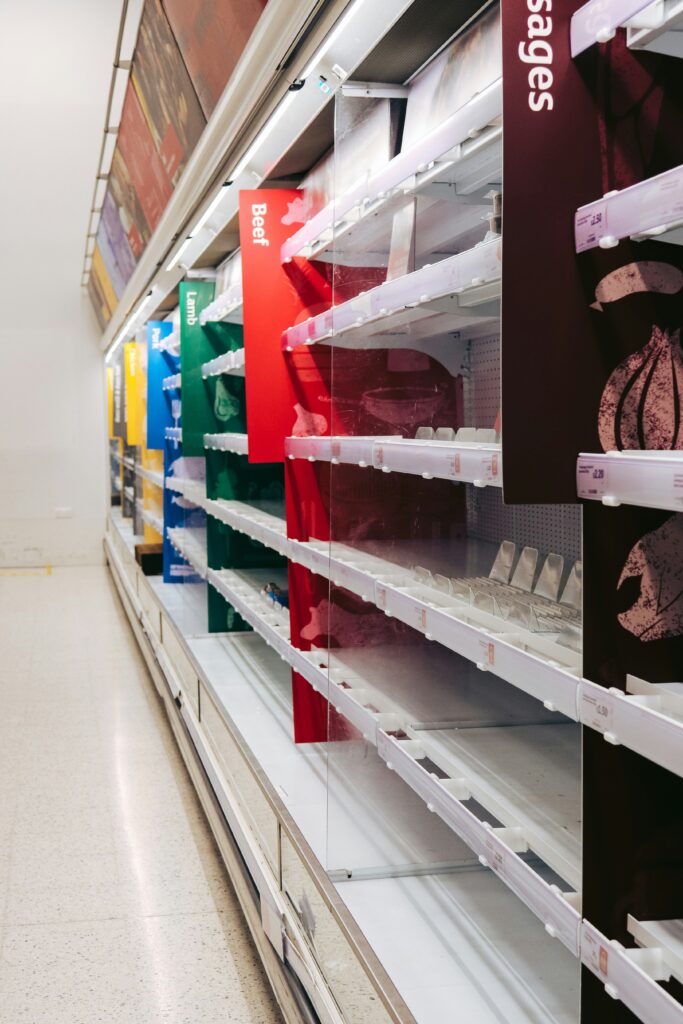
UNITED KINGDOM — The government is ramping up contingency measures to prevent potential food and fuel shortages stemming from the ongoing conflict involving Iran, as global energy markets reel from disruptions to a critical oil shipping route.
Prime Minister Keir Starmer is set to chair another meeting of a specially formed Cabinet committee on Tuesday to address possible supply shortfalls. Meanwhile, a separate group of ministers is convening twice weekly to monitor stock levels and assess risks to supply chains across the country.
READ MORE ARTICLES:
- Trump Cancels Envoys’ Pakistan Trip for Iran Peace Mission as Israel Escalates Lebanon Strikes Amid Stalled Talks
- Donald Trump Calls Nominee Dr. Erica Schwartz a “STAR” as She’s Tapped for CDC Chief
- Justin Fairfax Former Virginia Lt. Governor, Dies in Apparent Murder-Suicide That Killed Wife Dr. Cerina Fairfax
- US Commander Claims Sea Blockade Halts 90% of Iran’s Economy Amidst Peace Talks
- Donald Trump Turns on Ally PM Giorgia Meloni After Public Clash Over Pope and Iran Policy
- PM Carney Declares Economic Independence, Canada to Break Heavy U.S. Military Spending Reliance in Historic Policy Shift
- Dave Chappelle Supports Revival of Ohio Radio Station, Preserving Hometown Roots Through Building Restoration
The escalation follows the closure of the Strait of Hormuz, a vital maritime corridor through which roughly 20% of the world’s oil and liquefied natural gas typically passes. Since the conflict began, oil prices have surged, raising concerns about knock-on effects for energy costs, transportation, and food production.
Earlier this month, officials outlined a worst-case scenario that could see shortages of certain food items, including chicken and pork, by the summer if the war drags on. The government is particularly alert to possible disruptions in carbon dioxide (CO2) supplies an essential component in animal slaughter and food preservation should the strait remain closed.
To mitigate this risk, ministers have backed efforts to restart the Ensus bioethanol plant, which produces CO2 as a by-product. A spokesperson for the facility said it is confident it can meet the nation’s CO2 needs for the foreseeable future.
The contingency planning group is being led by Darren Jones, Chief Secretary to the Prime Minister, who stressed that the UK’s role remains defensive. “This is not our war,” Jones said. “The government made the right call to stay out of the conflict and only take defensive action to protect Britain’s interests.”
He added that while the government is working to shield the economy and maintain domestic security, global events will inevitably have domestic consequences. “What happens abroad will still affect us here at home,” he said.
In an effort to prevent panic, officials have urged motorists to continue purchasing fuel as normal and not alter travel plans amid concerns over potential petrol and jet fuel shortages.
The economic outlook has also dimmed. The International Monetary Fund warned last week that the energy shock triggered by the war could hit the UK harder than other advanced economies. The IMF revised down its growth forecast for the country this year to 0.8%, from a previous estimate of 1.3%.
As tensions persist, the government’s focus remains on stabilizing supplies and cushioning households and businesses from further economic strain.
Motorists have been urged to carry on as normal despite mounting global tensions, with ministers seeking to calm fears over potential fuel and food shortages linked to the Iran conflict.
Darren Jones, Chief Secretary to the Prime Minister, said there was no need for panic buying or changes to travel plans. “People should carry on filling up and using their cars as normal, shipments of jet fuel are continuing to arrive in the UK and the UK’s critical supply of CO2 has been shored up,” he said.
Most of the UK’s carbon dioxide is imported from Europe, although it is also produced domestically as a by-product of fertiliser manufacturing, which relies heavily on natural gas. CO2 is crucial for food preservation and the humane slaughter of livestock, making its supply vital to the food chain.
Supermarkets say they are working closely with the government to prepare for any worst-case scenario. Retailers are monitoring stock levels and supply routes as volatility in global energy markets continues.
Farmers have already warned of possible price increases. Last month, the National Farmers’ Union said cucumber and tomato prices could rise within six weeks, while the cost of other crops and milk may increase over the next three to six months as higher energy and production costs filter through the supply chain.
Airlines have also sought to reassure passengers. UK carriers insist they are “not currently seeing a shortage of jet fuel,” noting that fuel is typically purchased in advance and that airports maintain strategic reserves.
Political pressure is building, however. The Liberal Democrats have called on the government to prioritise food security in the next King’s Speech. The party’s Cabinet Office spokesperson, Lisa Smart, said ministers must do more to support households struggling with rising transport costs.
She added that the party has proposed a 10p cut in fuel duty and measures to reduce public transport fares, arguing that families cannot afford “the sky-high cost of getting around.”
The international backdrop remains tense. Iran’s chief negotiator said this week that reopening the Strait of Hormuz would be “impossible” if the US maintains its naval blockade of Iranian ports. The strait is one of the world’s most important energy transit routes.
Donald Trump has sought to increase pressure on Tehran by targeting two key sources of revenue: tolls imposed on vessels passing through the strait and Iran’s oil exports. Tehran has denounced the blockade as “piracy.”
Diplomatic efforts are ongoing, with Iranian negotiators travelling to Islamabad, Pakistan, over the weekend for talks aimed at easing tensions and finding a path toward ending the conflict.
Responding to Food and Fuel Shortages: The UK Government’s Approach Amidst the Iran Conflict
The ongoing conflict in Iran has cast a long shadow over global geopolitical stability, particularly in terms of energy supplies and essential commodities. As the situation develops, various nations, including the United Kingdom, are grappling with the potential repercussions of the war. The UK government is particularly focused on the implications for food and fuel availability, which are critical to maintaining societal functionality and economic stability.
One of the central issues stemming from the Iran conflict is the security of the Strait of Hormuz, a crucial maritime corridor through which approximately 20% of the world’s oil supply is transported. The strategic significance of this route cannot be overstated; any disruptions due to military actions or tensions could lead to significant fluctuations in oil prices. This, in turn, has a ripple effect on fuel availability and costs, driving concern over potential shortages across the UK.
The intertwining of energy and food prices means that fluctuations in fuel availability could also directly influence agricultural operations. The rising costs of farming machinery fuel, transportation, and market access highlights how interconnected these issues have become. The potential for supply chain disruptions caused by the Iran conflict raises alarms about food security for British consumers, with fears that disruptions at a global level could manifest in domestic food shortages.
As the UK government navigates the complexities of international relations and domestic needs, understanding the broader context of the Iranian conflict becomes essential. Only with a comprehensive understanding of these dynamics can effective strategies and policies be developed to address the looming threats of food and fuel shortages in the UK.
The Government’s Strategic Response to Potential Shortages
In light of the ongoing conflict in Iran and its implications for global food and fuel supplies, the UK government has initiated a comprehensive strategy aimed at mitigating potential shortages. This response includes the establishment of a dedicated cabinet committee, chaired by prominent political figure Sir Keir Starmer, which is responsible for evaluating the current situation and forming necessary policies to address the evolving challenges. The committee’s primary focus is to ensure that the nation remains resilient in the face of possible supply disruption.
To facilitate a coordinated approach, the government has also convened a group of ministers who are tasked with closely monitoring stock levels across various sectors. This group has been directed to assess supply chain vulnerabilities and to identify critical areas where shortages may impact the populace the most. By bringing together leaders from different departments, the government aims to create an effective framework for addressing impending shortages of food and fuel.
This strategic response also involves liaising with industry stakeholders to gather real-time data and insights related to supply conditions. Engaging with businesses and local authorities is critical in understanding ground-level impacts and devising actionable plans to tackle emerging issues efficiently. This collaborative effort underscores the government’s commitment to proactive management of resources, thereby ensuring that citizens continue to have access to essential supplies in these uncertain times.
The challenges posed by the conflict necessitate a dynamic and responsive approach, whereby the UK government remains vigilant in its efforts to foresee potential disruptions. The establishment of the cabinet committee and the ministerial group indicates a serious commitment to safeguarding the nation’s food and fuel stocks while navigating the complexities of international crises.
The Contingency Planning Group: Goals and Mandates
The Contingency Planning Group, initiated under the leadership of Darren Jones, has been tasked with addressing the potential repercussions of the ongoing Iran conflict on the United Kingdom’s food and fuel supplies. Formed in an urgent response to rising uncertainties surrounding availability and distribution, this group is pivotal in orchestrating a cohesive approach to crisis management.
The primary objectives of the group focus on assessment and response strategies that ensure national readiness for any disruptions that could arise from the conflict. By analyzing current supply chains, the group aims to identify vulnerabilities and propose necessary measures to safeguard both food security and fuel supply stability. This involves a close examination of critical resources, including energy sources and agricultural products, which are essential for day-to-day living in the UK.
The group convenes regularly, typically on a bi-weekly basis, to stay abreast of developments and refine their strategies. This frequency allows for timely adjustments in planning and resource allocation as new information surfaces. In addition to regular meetings, the Planning Group engages with various stakeholders, including government officials, logistical experts, and agricultural representatives, to foster a collaborative approach and gather diverse insights into potential challenges.
The group places a significant emphasis on public communication. Educating the populace about potential scenarios and preparation steps is crucial to mitigating panic and ensuring community resilience. Through its systematic approach and proactive engagement, the Contingency Planning Group aims to stabilize the UK’s food and fuel supplies, and thereby, protect the welfare of its citizens in the midst of a complex international crisis.
Economic Implications: The International Monetary Fund’s Predictions
The ongoing conflict in Iran has led to a significant reassessment of global economic conditions, compelling the International Monetary Fund (IMF) to adjust its forecasts for economic growth in the UK. The IMF anticipates a notable decline in the UK’s growth trajectory as a direct repercussion of heightened geopolitical tensions and their associated fallout on global trade and energy markets.
One of the most pressing concerns highlighted by the IMF is the escalation of energy prices, which have already seen substantial increases due to uncertainty in oil supply stemming from the Iran conflict. These rising costs have not just impacted consumers but have also weighed heavily on businesses reliant on energy-intensive processes. The IMF’s predictions indicate that soaring energy prices could stifle corporate profit margins, ultimately affecting overall economic stability in the UK.
Tthe IMF has flagged potential ripple effects on inflation rates, which may rise sharply as the cost of essential goods and services escalates. This scenario could prompt the Bank of England to reconsider its monetary policy stance, potentially leading to increased interest rates aimed at curbing inflationary pressures. Such measures, while necessary, could also hinder economic growth as borrowing costs rise for households and businesses alike.
The complexities surrounding the UK’s trade relationships post-conflict further complicate the economic outlook. The IMF warns that disrupted supply chains and diminished trade flows could pose significant challenges for the British economy. The essence of their predictions indicates a cautious outlook, with the IMF urging policymakers to prepare for a period of slower economic growth and volatility influenced by the broader global reactions to the Iran situation.
Public Reassurance: Maintaining Calm in Times of Uncertainty
The current geopolitical climate, particularly the ongoing tensions related to the Iran conflict, has led to rising concerns surrounding potential shortages of essential resources. In response, the UK Government has implemented a multifaceted communication strategy aimed at reassuring the public and maintaining a sense of normalcy. The primary objective of this initiative is to mitigate anxiety among citizens regarding potential fuel shortages while promoting a stable atmosphere for everyday activities.
Central to the government’s messaging has been a clear and consistent approach aimed at encouraging normal fuel consumption patterns. Officials have actively communicated that the supply chain remains intact, urging drivers and travelers alike not to disrupt their routines or alter travel plans due to unfounded fears. By emphasizing the sufficiency of fuel reserves and supply networks, the government seeks to dissuade panic buying, which could exacerbate perceived shortages.
The government has utilized various platforms ranging from press conferences to social media updates to disseminate information rapidly and effectively. This ensures that citizens receive timely updates regarding the status of fuel supplies and any actions the government is taking to uphold availability. Such transparency is crucial in fostering public trust and resilience amidst uncertainty.
To aiming for transparency, initiatives have also focused on educating the public about fuel management. Citizens are encouraged to engage in reasonable consumption typical of normal circumstances. Clear messaging that promotes calm and rational behavior is vital in preserving the general welfare, maintaining order, and ensuring that panic does not further complicate the situation.
The success of the government’s reassurance strategy lies in its ability to engage meaningfully with the public. By maintaining open lines of communication, conveying reliability in fuel supplies, and reinforcing customary practices, the government seeks to promote stability during these challenging times.
Assessing the Risk of Food Supply Disruptions
The United Kingdom is currently facing several challenges that threaten food supply stability, exacerbated by geopolitical tensions, particularly the ongoing conflict in Iran. The UK government has issued projections outlining potential food shortages, particularly focusing on critical commodities such as chicken and pork. These commodities are staples in the British diet, and any disruptions in their supply chains could have significant implications for consumers.
According to government officials, the worst-case scenario suggests that prolonged supply disruptions could lead to a noticeable reduction in the availability of these products on supermarket shelves. For chicken, which is one of the most consumed meats in the UK, the government anticipates impacts on both production and importation due to rising costs and logistical complications. Consumers could face higher prices and diminished selection as poultry supply chains falter.
Pork, drawing parallels in its pivotal role in the UK’s protein consumption, is also projected to experience similar challenges. With many producers already struggling with rising feed prices and labor shortages, the risk of a significant pork supply disruption raises concerns about food security. The ramifications extend beyond mere availability, suggesting that consumers may have to consider alternative proteins, or adapt their diets in response to these shortages.
The government has emphasized the importance of monitoring the situation closely, even engaging with industry stakeholders to develop strategies aimed at mitigating the anticipated disruptions. Ensuring a steady food supply remains a top priority, as any significant alterations may lead to adverse effects on the cost of living and overall consumer confidence in the market.
Addressing Critical Supply Needs: The Carbon Dioxide Shortage
Ongoing food and fuel shortages exacerbated by the Iran conflict, the UK government has recognized the pressing need to address the potential shortage of carbon dioxide (CO2). Carbon dioxide plays a vital role in various sectors, particularly in the food industry, where it is essential for processes such as animal slaughter, food preservation, and packaging. The government is keenly aware that any interruption in CO2 supply could have detrimental effects on food security and public health.
To mitigate the risk associated with CO2 shortages, the UK government has initiated several strategic measures. One of the key actions includes the reactivation of the Ensus bioethanol plant, which has the capacity to produce significant quantities of carbon dioxide as a byproduct. By bringing this facility back online, the government aims to stabilize the supply chain for CO2 and ensure that the food industry can maintain its operations without disruption. This proactive approach is vital in reducing reliance on foreign imports of gas, which can fluctuate due to geopolitical tensions.
Additionally, the government is engaging in discussions with various stakeholders in the food production sector to better understand their requirements and to ascertain the anticipated demand for CO2. Collaborating with industry experts and suppliers is crucial for developing long-term solutions to sustain the supply of carbon dioxide, particularly in times of crisis. Through these efforts, the government hopes to create a resilient supply network that can adapt to changing circumstances and protect the UK’s food supply against potential future disruptions.
Ministerial Statements: Key Insights from Darren Jones
Darren Jones, a prominent figure in the UK government, has recently articulated a series of statements addressing the ongoing conflict in Iran and its ramifications on the United Kingdom. Emphasizing a commitment to national stability, Jones underscored the importance of a well-coordinated response in times of crisis. The Minister expressed concern regarding potential disruptions to the supply of essential resources such as food and fuel, which are vital for maintaining public order and economic stability.
In his statements, Jones highlighted that the UK government is actively monitoring the situation in Iran and its impact on global supply chains. He noted that the Ministry of Business and Trade is collaborating with international partners to ensure the continuity of supply routes, thereby mitigating any adverse effects on domestic markets. This proactive stance is intended to alleviate concerns regarding potential shortages that could arise as a result of escalating tensions.
Jones mentioned that the government is implementing contingency plans aimed at bolstering food security. This includes engaging with local producers and suppliers to enhance production capabilities and streamline distribution processes. By fostering these relationships, the UK aims to reduce reliance on imports significantly, thereby insulating its markets from external shocks.
Jones acknowledged the importance of transparent communication with the public. He reassured citizens that the government is taking all necessary measures to address the challenges posed by the conflict. The emphasis on transparency serves to build public confidence, ensuring that individuals are informed about the steps being taken to safeguard their interests.
Darren Jones’s statements reflect a comprehensive approach by the UK government to address the multifaceted challenges arising from the Iran conflict. By prioritizing national security and food supply stability, the government aims to mitigate the impact of this international crisis on its domestic interests.
The Future Outlook for the UK Amidst Global Conflicts
The ongoing conflict in Iran presents several challenges that will likely have lasting implications for the United Kingdom. As geopolitical tensions escalate, the government must navigate a volatile landscape characterized by potential disruptions to critical supply chains, particularly in relation to food and fuel. In light of these challenges, the UK government has taken proactive steps to mitigate the risks associated with global conflicts, emphasizing strategic partnerships and fortified supply lines.
One of the key areas of focus is ensuring energy security, as fluctuations in fuel supplies are expected. The UK aims to reduce its dependency on foreign oil through investments in renewable energy alternatives and more localized energy production. Additionally, the government is exploring emergency measures to ensure adequate fuel reserves during crises. By diversifying energy sources and investing in infrastructure, the UK can enhance its resilience against potential disruptions caused by international conflicts.
Regarding food supply chains, the UK government is prioritizing the enhancement of domestic agricultural production. This includes supporting local farmers and boosting initiatives aimed at increasing food self-sufficiency. The aim is to adapt to potential shortages by fostering a more robust local food economy, which could alleviate pressure from global supply interruptions. Collaborations with agricultural organizations and investments in innovative farming techniques will be crucial in achieving these goals.
The Iran conflict has catalyzed the UK government’s response to potential food and fuel shortages, prompting a reevaluation of its strategies to address vulnerabilities. The emphasis on energy diversification, local food production, and international collaborations underscores the commitment to safeguarding the nation against the backdrop of global instability. As the situation evolves, it will be essential for the government to remain agile, continuously adapting policies to ensure national resilience and sustainability in the face of future challenges.
The Current State of Fuel and Food Security in the UK
The current state of fuel and food security in the United Kingdom has emerged as a pressing concern, drawing attention from various stakeholders, including prominent figures such as Jones and organizations like the National Farmers’ Union (NFU). As the nation grapples with a range of challenges impacting both fuel supply and food production, the urgency of addressing these issues cannot be overstated. The interrelationship between fuel security and food availability highlights the complexity of the situation, affecting consumers and producers alike.
In recent months, fluctuations in fuel prices and supply chain disruptions have exacerbated the existing vulnerabilities within the food system. Rising energy costs directly impact farmers and food manufacturers, creating a ripple effect that can lead to higher prices for consumers. One significant concern raised by the NFU is the dependency on imported fuel and food, which has made the country more susceptible to external shocks, particularly in a global landscape characterized by increasing uncertainty.
Climate change and geopolitical tensions are compounding these issues, making fuel security and food sustainability paramount for the UK’s long-term resilience. Statements from industry leaders have underscored the necessity of a multifaceted approach that includes strategic planning and investment to safeguard both fuel and food supply chains.
This introduction sets the stage for a comprehensive exploration of the current state of fuel and food security in the UK. As we delve deeper into the implications of these challenges, it becomes evident that a proactive and coordinated response is essential to ensure the well-being of the population and the stability of the economy.
Jones’ Assurance on Fuel Supply
In light of recent concerns surrounding fuel availability in the UK, Jones has provided a reassuring statement regarding the ongoing supply, particularly focusing on jet fuel. This assurance is crucial, especially for an economy heavily reliant on air travel and transportation. Jones emphasized that jet fuel is consistently being delivered to airports across the UK, thanks to a well-structured procurement and storage process.
The mechanism for jet fuel procurement involves a multitude of steps to ensure that supplies are stable. Airlines and fuel suppliers collaborate to forecast usage patterns, which allows them to plan the necessary logistics. This includes assessments of demand spikes during peak travel seasons and ensuring adequate stock levels at storage terminals. Furthermore, the government plays an essential role in overseeing these operations, providing regulatory frameworks that maintain fuel supply integrity and efficiency.
The government’s involvement is significant in mitigating any potential disruptions. This oversight entails monitoring fuel supply chains to ensure that any emerging risks are addressed proactively. In cases where unexpected challenges arise, such as geopolitical tensions or natural disasters that may threaten supply routes, there are contingency plans in place to facilitate alternative sourcing options. Additionally, the government works closely with the energy sector to enhance infrastructure, improving the resilience of fuel supply systems against future disruptions.
Overall, Jones’ statement serves to instill confidence among the public regarding fuel security in the UK. The collaborative efforts between airlines, suppliers, and the government ensure robust practices that maintain the continuous flow of jet fuel, thereby supporting essential air travel services. This proactive approach not only addresses current supply concerns but also builds a foundation for future resilience in the aviation sector’s supply chains.
The Importance of CO2 Supply
Carbon dioxide (CO2) plays a pivotal role in food production, particularly as a by-product in the manufacture of fertilizers. Fertilizers are fundamental to modern agriculture, as they enhance soil fertility and promote crop yields, thus ensuring food security. However, the production of fertilizers also generates CO2, which is essential for various agricultural processes, including the preservation and packaging of fresh produce.
The United Kingdom, in its pursuit of maintaining a stable food supply, has increasingly relied on CO2 imports from European nations. This dependency heightens the risk surrounding food security, especially during times of geopolitical instability or supply chain disruptions. A consistent and reliable supply of CO2 is not only crucial for fertilizer production but also for food processing and the supply chain management of perishable goods.
In recent years, fluctuations in CO2 availability have highlighted the vulnerability of the UK’s reliance on external sources for this vital resource. The closure of specific production facilities in Europe, often due to rising energy costs or environmental regulations, has led to acute shortages. Such shortages can lead to critical disruptions in food supply chains, particularly affecting fresh produce, which requires immediate processing and packaging to maintain quality and prevent wastage.
The implications extend beyond mere availability; the economic effects can ripple through various sectors, impacting consumer prices and access to essential food items. As the nation strives for resilience in food security, recognizing the significant role of CO2 supply within the broader agricultural framework becomes imperative. Addressing the challenges of CO2 reliance and exploring sustainable alternatives could propel the UK toward more robust food security strategies, ensuring that the nation can withstand future disruptions while safeguarding the agricultural sector.
Supermarkets’ Preparedness for a Worst-Case Scenario
In the face of potential disruptions in food supply chains, UK supermarkets are actively collaborating with government agencies to establish robust contingency plans. These efforts are designed not only to ensure the availability of food products but also to enhance the overall resilience of the supply chain. Supermarkets understand that any form of crisis, whether it be natural disasters, economic fluctuations, or geopolitical tensions, can severely impact food security. Therefore, proactive measures are being undertaken to address these challenges.
One of the primary strategies employed by supermarkets is the diversification of supply sources. By establishing relationships with a variety of suppliers, retailers can mitigate the risk of shortages stemming from specific regions or producers. This approach is particularly vital in maintaining a steady flow of essential products, as it lessens dependency on any single source. Furthermore, UK supermarkets are investing in advanced logistics technologies to improve tracking and inventory management. These technologies enable supermarkets to better anticipate demand, thus allowing for more efficient stock replenishment.
Supermarkets are enhancing their distribution networks to respond quickly in emergencies. This includes the development of strategic partnerships with local producers and distributors, which allows for a more localized supply chain capable of fulfilling demand rapidly. Such initiatives not only strengthen the immediate response to potential shortages but also contribute to the wider goal of food security in the UK.
To support their efforts, supermarkets are also engaging in supply chain simulations, which provide valuable insights into potential vulnerabilities. By conducting these drills, they can identify weaknesses in their systems and make necessary adjustments before facing a real crisis. The collaboration between supermarkets and government entities, alongside a focus on innovative supply chain practices, serves as a critical component in preparing for any worst-case scenario.
Potential Price Increases in Fresh Produce
The National Farmers’ Union (NFU) recently highlighted significant concerns regarding the anticipated increases in prices of essential fresh produce, particularly cucumbers, tomatoes, and dairy products, in the United Kingdom. These anticipated price shifts can be attributed to a combination of factors including rising production costs, adverse weather conditions, and ongoing supply chain disruptions exacerbated by external economic pressures such as inflation and currency fluctuations.
As the cost of inputs such as energy, fertilizers, and transportation continues to rise, farmers are feeling the strain. This economic burden may lead to price adjustments that can ultimately affect retail prices for consumers. Research indicates that the prices of cucumbers and tomatoes, which are pivotal components of British diets, could see sharp increases. Consumers may be compelled to pay higher prices for these staples, which can influence purchasing decisions and overall food consumption patterns.
The dairy sector could also be impacted by the NFU’s warnings, as heightened feed costs and labor shortages contribute to production challenges. Should dairy prices escalate, consumers might not only face higher costs for milk but also for related products such as cheese and yogurt. Such price increases not only strain household budgets but can also influence dietary choices, potentially leading to reduced consumption of vital nutrients found in dairy and fresh produce.
Farmers, on the other hand, are caught in a challenging position. While increased prices can help to sustain their livelihood, they also risk alienating consumers who may seek cheaper alternatives. The delicate balance between ensuring food security and maintaining farmer profitability is essential. Therefore, it is crucial for stakeholders and policymakers to closely monitor these developments to mitigate negative impacts for both consumers and producers in the UK’s food system.
The Airline Industry’s Fuel Management
The airline industry in the UK faces significant challenges regarding fuel security, a critical component of maintaining operational efficiency and sustainability. With fluctuations in fuel prices and supply chain interruptions, proper fuel management strategies are essential for airlines to mitigate the risk of shortages. One prominent method employed by carriers is advanced purchasing, which involves securing fuel supplies at a predetermined price well ahead of scheduled flights. This tactic not only stabilizes operating costs but also ensures that airlines can secure fuel during periods of high demand.
Stock management at airports plays a pivotal role in preventing bottlenecks in fuel availability. Airlines coordinate closely with fuel suppliers to establish contingency plans that ensure sufficient reserves are maintained at key airports. Effective inventory management practices involve regular assessments of fuel levels, usage rates, and projected requirements, enabling airlines to respond swiftly to potential disruptions. By integrating sophisticated forecasting tools, airlines can better predict their fuel needs and optimize stockpiling strategies.
The impact of these fuel management strategies extends beyond just operational efficiency; they are integral to the overall resilience of the aviation sector in the UK. Maintaining a reliable fuel supply not only supports flight schedules but also contributes to the industry’s environmental sustainability efforts. Airlines are increasingly transitioning to more efficient aircraft, utilizing sustainable aviation fuels, and engaging in carbon offset programs, which collectively enhance the industry’s response to fuel management challenges. In conclusion, the airline industry’s proactive approach to fuel management not only safeguards against shortages but also positions the sector for future sustainability and economic stability.
Political Reactions and Proposals
The ongoing challenges concerning fuel and food security in the UK have prompted significant political reaction, particularly from the Liberal Democrats. In light of rising living costs, this party has introduced proposals aimed at alleviating the financial burdens placed on citizens, advocating for a reduction in fuel duties. This proposal is aimed specifically at easing the impact of soaring fuel prices which have been contributing to the broader inflationary pressures affecting everyday expenses, including food.
The Liberal Democrats argue that by cutting fuel duty, the government can assist both individuals and businesses struggling with the high costs of transportation. Consequentially, this move could help to stabilize prices across the market, thereby easing some of the pressures related to food security. Additionally, they call for increased support for public transport systems as an alternative means of mobility, which could reduce the reliance on personal vehicles and subsequently lower fuel consumption.
These proposals have sparked a broader political conversation surrounding the government’s responsibility to protect households from the current economic climate. Critics argue that while the fuel duty cut is beneficial, it may not be sufficient to address deeper systemic issues regarding income disparity and access to affordable food. Some policymakers emphasize the need for a more comprehensive approach that combines immediate relief measures with long-term strategies aimed at sustainability and food production resilience.
This discourse highlights the complexity of the interrelations between fuel and food security within the broader framework of the cost of living crisis. As political parties navigate these challenges, the proposals put forth, such as the Liberal Democrats’ initiatives, are pivotal in shaping public policy and the government’s overall response to the pressing needs of constituents.
Geopolitical Factors Affecting Fuel Supply
The geopolitical landscape plays a significant role in determining the fuel supply dynamics within the UK. Currently, one of the notable issues is the naval blockade imposed by Iran, which has significant implications for global oil flows. This blockade not only affects the immediate availability of oil but also creates an environment of uncertainty that can lead to fluctuations in oil pricing. The UK, heavily reliant on imports to meet its energy needs, faces potential risks associated with such geopolitical tensions. Disruption in oil supply chains can precipitate increases in fuel prices, thereby impacting both consumers and businesses alike.
U.S. policies regarding oil revenues from Iran further complicate matters. Sanctions imposed by the U.S. government on Iranian oil production have led to a substantial reduction in global crude oil availability. As the UK seeks to secure energy diversity and reliability, these sanctions pose challenges not only in terms of supply but also in negotiating trade relationships with oil-producing countries affected by U.S. policies. The tightening of oil supplies can result in higher costs and economic pressures that could reverberate throughout the UK economy.
The broader context involves other geopolitical factors, such as ongoing conflicts in oil-rich regions and relationships between producing nations. For instance, continued instability in the Middle East can exacerbate concerns regarding energy security. These geopolitical developments accentuate the importance of the UK developing a comprehensive energy policy that considers various international factors, ensuring continued access to affordable fuel. The necessity for diversification of energy sources is underscored by these geopolitical realities, prompting discussions on renewable energy initiatives and strategic reserves within the UK. By understanding the interplay of these geopolitical factors, stakeholders can better devise strategies to mitigate risks associated with fuel supply disruptions.
Future Outlook of Shortages of Foods and Fuel
In examining the current state of fuel and food security in the UK, it becomes evident that these two domains are inextricably linked. Disruptions in fuel supply chains can have immediate repercussions on food production, distribution, and pricing. Factors such as global market fluctuations, political instability, and climate change contribute to the complexities faced by both sectors. The recent challenges have underscored the importance of adopting a holistic approach to address vulnerabilities in fuel and food systems.
Several strategic measures can be implemented to enhance resilience and security. Firstly, investment in renewable energy sources presents a vital avenue for reducing reliance on fossil fuels. The transition to sustainable energy not only mitigates environmental concerns but also promotes stability in fuel availability. Additionally, supporting local food production through initiatives like urban farming can help ensure a steady supply chain less affected by external pressures.
Fostering collaboration among stakeholders including government agencies, agricultural producers, and energy suppliers will facilitate communication and proactive planning. This collective effort can lead to more informed policy decisions that prioritize food and fuel security. Furthermore, consumer awareness and engagement are crucial for driving demand for sustainable practices, thereby positively impacting both sectors.
Addressing the challenges of food and fuel security requires an integrated approach that considers the broader economic, social, and environmental contexts. By establishing robust strategies and reinforcing cooperation among various entities, the UK can work towards a more stable and secure future, ensuring the fundamental needs of its population are met efficiently and equitably.
- House Prosecutors: Cayetano’s Objection Will Not Stop Subpoenas for VP Sara Duterte’s Financial Records
- AMLC Findings Link Alleged $5-Million Cornell Donation to Martin Romualdez
- Why the Ellora Caves in India Never Made the Seven Wonders List
- Sara Duterte | Lawyer, Biography, Political Career & Issues
- Ombudsman Files Fourteen Graft Cases Against Congressman Over Contract Links Today
- Macau Giant Pandas Complete Stunning Comeback For First Governors Cup Victory
- Typhoon Noul Threatens Southern China, Hong Kong Cancels Flights, Thousands Evacuated
- Cebu Youth Champions Showcase Untapped Philippine Basketball Talent and Promise
- Cebu Authorities Seize Unregistered Korean Luncheon Meat Worth ₱700,000 From Grocery Store
- Donald Trump Says US ‘Locked and Loaded’ as Washington Pursues Talks With Iran
- Philadelphia Welcomes LeBron James As Championship Dreams Rise For Franchise Again Today
- Pope Leo XIV Urges Peace as Trump Vows to Intensify U.S. Strikes Against Iran
- The Pope’s Simple Life Contrasts With the Vatican’s Complex Financial Traditions
- United States Scientists Revisit Covid Origins After Private Messages Raise Fresh Questions
- Anthony Edwards | Basketball, Atlanta, NBA, Education, & Wife