SCIENCE — Cyanobacteria, commonly known as blue-green algae, are among the oldest known life forms on Earth, with a history stretching back approximately 3.5 billion years. These microorganisms have significantly influenced the biosphere and the planet’s atmospheric composition through the process of photosynthesis. By converting carbon dioxide and sunlight into organic materials and oxygen, cyanobacteria have played a crucial role in shaping early oceanic ecosystems and paving the way for aerobic life forms. Their ability to harness solar energy and fix nitrogen has had profound impacts on nutrient cycling and productivity in various aquatic environments.
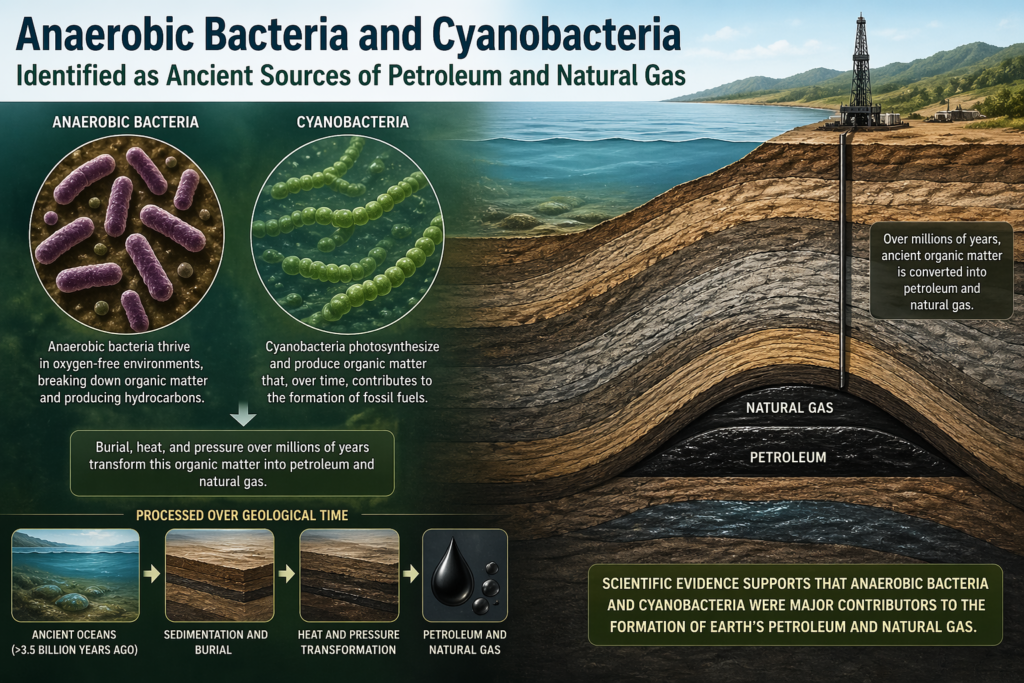
Anaerobic bacteria thrive in environments devoid of oxygen. These microorganisms display an extraordinary adaptability, enabling them to occupy niches that are inhospitable to aerobic organisms. Anaerobic bacteria contribute to key biochemical processes such as fermentation and sulfur reduction, making them essential players in biogeochemical cycles. They are key participants in the decomposition of organic materials, facilitating the breakdown of complex compounds in sediments and deep-sea ecosystems, thereby contributing to the formation of fossil fuels.
The evolutionary success of both cyanobacteria and anaerobic bacteria is indicative of their resilience and versatility. Their ancient origins not only highlight their vital role in Earth’s biological history but also suggest a continuous presence that has adaptable mechanisms to survive various geological and environmental changes. These microorganisms remain integral to understanding the processes that led to the development of petroleum and natural gas, as their contributions to the decay of organic matter are pivotal in the formation of these fossil fuels.
Formation of Petroleum and Natural Gas
The formation of petroleum and natural gas is a complex geological process that begins with the accumulation of organic matter, primarily derived from microorganisms such as cyanobacteria and various anaerobic bacteria. These microorganisms flourish in marine environments, where they contribute to the layers of organic sediment found on the ocean floor. Over time, this organic matter gets buried under additional sediment layers, leading to a gradual buildup. This accumulation is essential as it initiates the transformation of these microorganisms into fossil fuels.
As sediment layers continue to build, the pressure and temperature surrounding the organic-rich sediments increase significantly. Typically, this process starts in shallow marine environments where the organic-rich sediments can accumulate within a span of millions of years. The increase in pressure and elevated temperatures of approximately 50 to 150 degrees Celsius are crucial for the conversion of organic materials into hydrocarbons through a series of chemical reactions known as catagenesis. During this phase, kerogen, a solid organic material, is formed from the decomposed organisms, and with further heat and pressure, it gradually transforms into liquid oil and gaseous natural gas.
The geological timeframe for the formation of these fossil fuels is extensive, often taking tens of millions to over a hundred million years. This lengthy process highlights the significance of natural petroleum systems, where aging rock layers contain hydrocarbons that can migrate through porous rocks until they accumulate in reservoirs. The presence of a cap rock is essential in this context, as it traps the buoyant hydrocarbons, preventing them from escaping to the surface. Understanding these geological processes provides insight into how microscopic organisms contribute to the formation of large-scale petroleum and natural gas reserves, emphasizing the interconnectedness of life and geological time.
Cyanobacteria: Ancient Contributors to Petroleum
Cyanobacteria, often referred to as blue-green algae, are significant contributors to the formation of petroleum, a process that began over a billion years ago. These single-celled organisms were among the first life forms to conduct photosynthesis, converting sunlight into chemical energy while also producing oxygen as a byproduct. This primary production in ancient oceans resulted in the accumulation of carbon-rich lipids within the cells of cyanobacteria, forming an essential component for petroleum development.
Through their metabolic processes, cyanobacteria generated substantial organic matter in the form of long-chain hydrocarbons and fatty acids. When these microorganisms died, their cells sank to the ocean floor, becoming part of the sediment layers. This rapid sedimentation was crucial; as layers of sediments accumulated, they buried the cyanobacteria and other organic materials. Over millions of years, increasing pressure and temperature transformed these deposited organic materials into kerogen, the precursor of petroleum.
In addition, the anaerobic conditions found in deep ocean sediments played a pivotal role in preserving the organic material. The lack of oxygen facilitated the accumulation of carbon and hindered the decay of the cells, ensuring that these carbon-rich compounds remained intact. Consequently, the role of cyanobacteria is not just limited to their production of lipids; their contribution to the sedimentary environment of ancient oceans is equally critical in the biogeochemical processes that lead to petroleum formation.
Today, the study of cyanobacteria helps illuminate their fundamental influence on the Earth’s carbon cycle and their enduring legacy in the fossil fuel industry. Understanding the complex interactions and sedimentation mechanisms in which these microorganisms engage can provide valuable insights into both past and potential future hydrocarbon resources.
The Role of Anaerobic Bacteria in Decomposition
Anaerobic bacteria are integral to the decomposition process, particularly in environments lacking oxygen, commonly referred to as anoxic environments. These microorganisms thrive in deep-sea sediments, marshlands, and numerous other locations where organic matter accumulates under low-oxygen conditions. Through their metabolic activities, anaerobic bacteria break down complex organic materials, including dead algae and plant matter, into simpler compounds, a process that is essential for nutrient cycling within ecosystems.
The decomposition begins with anaerobic bacteria consuming the organic materials present in their surroundings. They utilize fermentation and sulfate reduction pathways to convert organic substrates into various byproducts. One of the end products of this decomposition process is hydrocarbons, which serve as the fundamental components of petroleum and natural gas. During this chemical transformation, complex molecules are cleaved into simpler components, resulting in an array of carbon-rich compounds that can eventually become fossil fuels under suitable geological conditions.
The significance of anaerobic bacteria extends beyond hydrocarbon generation. They play a critical role in the overall ecological balance, influencing nutrient dynamics and aiding in the breakdown of organic matter. By facilitating the conversion of organic materials back into carbon dioxide and other inorganic substances, these microorganisms help to maintain ecosystem health. Furthermore, their action can prevent the accumulation of excess organic matter, which can lead to detrimental environmental conditions such as hypoxia.
In summary, anaerobic bacteria are vital agents of decomposition in anoxic environments. Their processes not only contribute to the formation of hydrocarbons but also uphold vital ecological functions that sustain various life forms. The interplay between these microorganisms and the organic matter they decompose highlights their importance in the natural world, particularly in the context of petroleum and natural gas formation.
Methane Production by Cyanobacteria
Cyanobacteria, often referred to as blue-green algae, are well-recognized for their ability to conduct photosynthesis. However, a subset of these microorganisms has garnered attention for their capability to produce methane, a fundamental component of natural gas. This methane production occurs through specific metabolic processes under varying environmental conditions, which can be either light-driven or entirely anaerobic.
In illuminated environments, cyanobacteria engage in a process known as photomethanogenesis. This process is facilitated by the presence of organic substrates that are broken down through photosynthesis, resulting in the production of methanogenic precursors. Under favorable light conditions, specific strains of cyanobacteria efficiently convert these substrates into methane, primarily through the activity of methanogenic bacteria that can cooperate with them in a symbiotic relationship.
Conversely, methane production can also occur in dark environments where cyanobacteria utilize heterotrophic metabolic pathways. Anaerobic conditions, wherein oxygen is absent, enable the bacteria to ferment organic matter, leading to methane generation. Here, nutrient availability, temperature, and the pH level of the environment play crucial roles in optimizing metabolic activity. For cyanobacteria, the existence of organic carbon sources, such as decaying vegetative matter, is critical for effective methane production.
Understanding the mechanisms by which cyanobacteria produce methane is significant, particularly in the context of natural gas formation. As these microorganisms contribute to the global methane cycle, enhancing their ability to convert organic materials into methane can have substantial implications for energy resources and environmental sustainability. Investigating and harnessing the methane production capabilities of cyanobacteria is essential for developing strategies aimed at increasing natural gas yield and reducing greenhouse gas emissions.
Natural Gas Formation Through Anaerobic Processes
Anaerobic bacteria play a critical role in the generation of natural gas from organic matter, particularly in marine and freshwater environments where oxygen levels are significantly low. These bacteria thrive in conditions devoid of oxygen, facilitating the conversion of complex organic materials into simpler forms, leading to the production of methane, a primary component of natural gas. The biochemical pathway involved in methane production is known as methanogenesis, which is predominantly carried out by specific groups of archaea, often referred to as methanogens.
The methanogenic process begins with the breakdown of organic material into fatty acids and alcohols, which are then further fermented by the action of other microorganisms, including fermentative bacteria. This initial breakdown is crucial as it prepares the substrates for methanogenesis. Once the organic compounds have been suitably degraded, methanogens utilize these compounds, along with carbon dioxide and hydrogen gas, to produce methane through a variety of biochemical reactions. This transformation can occur via pathways such as the acetate pathway, hydrogenotrophic methanogenesis, and methylotrophic methanogenesis.
Environmental conditions at the seabed significantly influence the effectiveness of anaerobic bacteria in producing natural gas. Factors such as temperature, pressure, and the availability of nutrients all play pivotal roles. Typically, methane formation occurs in anaerobic sediments where conditions favor the accumulation of organic matter. The high pressure and temperature found in deeper sediment layers can accelerate biochemical reactions, thus enhancing methane production. Additionally, the presence of mineral surfaces often assists in maintaining microbial activity and optimizing the biochemical processes involved in methanogenesis.
Overall, anaerobic bacteria and the methanogenic processes they facilitate are integral in the natural gas generation cycle, highlighting the importance of microbial communities in the recycling of organic material and the formation of valuable energy resources.
Modern Applications: Cyanobacteria and Biofuels
Cyanobacteria, often referred to as blue-green algae, have drawn considerable attention in contemporary research due to their remarkable potential in the production of renewable biofuels. These microorganisms possess the unique ability to harness sunlight through photosynthesis and convert it into chemical energy, which can be stored in the form of lipid-based oils. This characteristic sets cyanobacteria apart as a promising candidate for sustainable energy solutions, particularly as the world grapples with the challenges of fossil fuel dependency and climate change.
Research has shown that cyanobacteria can be genetically engineered to enhance lipid production, optimizing their natural metabolic pathways. By adjusting the conditions under which they grow, scientists can not only increase their yield of oils but also tailor these oils to meet the specific requirements of biofuel applications. This biofuel can serve as a direct substitute for diesel and will significantly reduce greenhouse gas emissions compared to conventional fossil fuels.
Moreover, the cultivation of cyanobacteria is advantageous as they can thrive in diverse environments, including saline and nutrient-deficient settings, which are unsuitable for traditional agriculture. This effectively excludes the competition for arable land, thus addressing food security concerns while promoting biofuel production. Additionally, the utilization of cyanobacteria can minimize freshwater consumption, a critical factor in regions facing water scarcity.
As more societies pursue greener alternatives to fossil fuels, the exploration of cyanobacteria in biofuel research is crucial. Their capacity to contribute to sustainable energy solutions not only highlights the importance of microbial processes in energy production but also establishes a new frontier in the quest for renewable energy sources. The implications of successful integration of cyanobacteria into energy systems could revolutionize biofuel technologies, making them more environmentally friendly and economically viable.
Environmental Impact of Fossil Fuels
The extraction and use of petroleum and natural gas have significant environmental ramifications that warrant careful examination. As fossil fuels are burned for energy, they release greenhouse gases, primarily carbon dioxide, and methane, contributing to climate change. This exacerbates global warming, leading to severe weather patterns, rising sea levels, and biodiversity loss. The process of extracting these resources can also result in habitat destruction, marine pollution, and ecological imbalances, particularly in sensitive ecosystems.
Moreover, oil spills and leaks during transportation can have catastrophic effects on marine environments, affecting aquatic life and local economies reliant on fishing and tourism. The disruption of local ecosystems is further augmented by the physical presence of drilling rigs and pipelines, which introduce invasive species and alter natural habitats. Understanding the role of microorganisms, particularly cyanobacteria and anaerobic bacteria, in these environments is critical as they can offer insights into both the degradation of pollutants and the resilience of ecosystems.
As the global community increasingly recognizes the need to transition towards more sustainable energy practices, preserving these microorganisms and their habitats becomes paramount. The potential applications of these microorganisms in bioremediation efforts illustrate their importance; for instance, cyanobacteria can facilitate the breakdown of hydrocarbons, thereby assisting in the cleaning of oil-contaminated sites. Additionally, understanding the natural processes facilitated by anaerobic bacteria in the formation of fossil fuels can inform more sustainable extraction methods and drive innovations in energy technology.
Moving forward, adopting more eco-friendly practices and preserving the delicate balance of microbial ecosystems may help mitigate the environmental impacts associated with fossil fuels. By focusing on sustainable initiatives that incorporate the natural capabilities of microorganisms, industries can work towards minimizing their ecological footprint while continuing to meet global energy demands.
The Significance of Microorganisms in Energy Resources
Cyanobacteria and anaerobic bacteria play an indispensable role in the geological processes that lead to the formation of petroleum and natural gas. These microorganisms are fundamental to the cycle of organic matter decomposition, contributing significantly to the accumulation of organic materials that eventually transform into fossil fuels over millions of years beneath sedimentary layers. The metabolic activities of these microorganisms facilitate the conversion of phytoplankton and other organic matter into hydrocarbons, which constitute the primary components of petroleum and natural gas.
The geological understanding of fossil fuel formation underscores the importance of these microorganisms not only as contributors to energy resources but also as indicators of past environmental conditions. The presence of certain cyanobacteria and anaerobic bacteria in ancient sediments provides insight into the climatic and ecological contexts during the time of their existence. Thus, they serve as a fundamental element in reconstructing Earth’s geological history and understanding the evolution of its energy resources.
In the context of contemporary energy challenges, the study of cyanobacteria and anaerobic bacteria could inform modern renewable energy solutions. Their ability to thrive in extreme environments and efficiently convert organic substrates into useful byproducts positions them as candidates for biofuel production and other sustainable energy technologies. Harnessing the biological processes of these microorganisms could lead to innovative methods for energy generation that are less reliant on fossil fuels and more compatible with environmental sustainability.
In conclusion, the significance of microorganisms like cyanobacteria and anaerobic bacteria in the formation of fossil fuels cannot be overemphasized. Their roles are pivotal not merely in our understanding of Earth’s past but also in shaping the future of energy production and sustainability. Therefore, further exploration into these microorganisms might unveil vital pathways toward cleaner, renewable energy sources that align with ecological preservation and climate change mitigation strategies.
Anaerobic Bacteria and Cyanobacteria
Anaerobic bacteria and cyanobacteria are two groups of microorganisms that play crucial roles in both ecological systems and geological processes. Anaerobic bacteria are defined by their ability to thrive in environments devoid of oxygen. Unlike aerobic organisms, which require oxygen for their metabolic processes, these bacteria utilize alternative pathways for energy production, making them vital in various ecosystems, such as wetlands, deep-sea environments, and subsurface sediments.
Cyanobacteria, on the other hand, are photosynthetic bacteria, often referred to as blue-green algae. They possess the remarkable ability to perform photosynthesis, thus capturing light energy and converting it into chemical energy. This process not only produces oxygen as a byproduct but also establishes them as critical contributors to primary productivity in aquatic environments. While cyanobacteria thrive in well-lit environments, certain species have adapted to survive in low-oxygen conditions, showcasing their versatility.
The significance of anaerobic bacteria and cyanobacteria in ecosystems cannot be overstated. They are instrumental in nutrient cycling, especially in carbon and nitrogen fixation processes. Anaerobic bacteria contribute to organic matter decomposition and biogeochemical cycling, while cyanobacteria enhance the productivity of aquatic ecosystems through their unique photosynthetic capabilities. This interplay supports various food webs, underscoring the importance of these microorganisms in maintaining ecological balance.
Understanding the unique characteristics of anaerobic bacteria and cyanobacteria lays the groundwork for appreciating their contributions to petroleum and natural gas formation. With their ability to survive and thrive in extreme environments, these microorganisms have been instrumental in the biological processes that lead to the formation of fossil fuels over geological timescales.
The Mechanism of Anaerobic Digestion
Anaerobic digestion is a pivotal biochemical process, primarily executed by a consortium of anaerobic bacteria that thrive in environments devoid of oxygen. This intricate process involves the breakdown of organic materials, which can include agricultural waste, food residues, and other biomass. The absence of oxygen creates a unique ecological niche where specialized microorganisms can flourish, facilitating the conversion of complex organic matter into simpler compounds.
The process of anaerobic digestion occurs in several stages. Initially, hydrolytic bacteria act on complex organic materials, converting them into soluble sugars, amino acids, and fatty acids. Subsequently, these simpler compounds are fermented by acidogenic bacteria, producing volatile fatty acids, hydrogen, and carbon dioxide. This fermentation process is crucial as it sets the stage for the next step where acetogenic bacteria further convert volatile fatty acids and other products into acetic acid, carbon dioxide, and hydrogen gas. The final stage of anaerobic digestion is the methanogenic phase, where methanogenic archaea take center stage. These microorganisms utilize the products generated in previous stages to produce methane and additional carbon dioxide as end products.
The organic materials digested during this process are diverse, encompassing not only plant and animal waste but also industrial by-products. The versatility of anaerobic bacteria in breaking down lignocellulose, proteins, and lipids allows for broad applications in waste management and renewable energy generation. Furthermore, the biogas produced during anaerobic digestion primarily consists of methane, which is a significant contributor to natural gas production. This biogas can be harnessed for various applications, including electricity generation and as a clean energy source, thereby playing a vital role in the circular economy.
Photosynthesis in Cyanobacteria and Its Impact on Energy Resources
Cyanobacteria, often referred to as blue-green algae, are notable for their ability to perform photosynthesis, a process that converts light energy into chemical energy. This process involves capturing sunlight and converting it into glucose via a series of biochemical reactions. The significance of cyanobacterial photosynthesis extends beyond immediate energy transformation; it plays a critical role in biomass production, which is a foundational element in the development of fossil fuels.
Through photosynthesis, cyanobacteria contribute to the accumulation of organic matter. This organic matter remains in the environment as sediments over geological time scales. Under the right conditions—high pressure and heat—these sediments are eventually altered into petroleum and natural gas. Thus, the photosynthetic activity of cyanobacteria, occurring in aquatic environments, is instrumental in creating the energy resources that power modern civilization.
The evolutionary impact of cyanobacteria is profound, as they are credited with profoundly altering Earth’s atmosphere during the Great Oxygenation Event, around 2.4 billion years ago. By producing oxygen as a byproduct of photosynthesis, cyanobacteria contributed to the development of an oxygen-rich atmosphere, which allowed for the diversification of life and the formation of more complex ecosystems.
In addition to generating oxygen, cyanobacteria also contribute nutrients that nurture other forms of life. Their metabolic processes release essential elements such as nitrogen through nitrogen fixation. The interplay of photosynthesis and nutrient cycling by cyanobacteria not only shapes ecological interactions but also forms the basis of energy resources that we rely on today. Ultimately, understanding the role of cyanobacteria in photosynthesis underscores their importance in the context of both historical climate change and current global energy strategies.
The Formation of Petroleum and Natural Gas: The Role of Ancient Microorganisms
The formation of petroleum and natural gas is a complex geological process that takes millions of years and involves the contributions of microscopic organisms, particularly anaerobic bacteria and cyanobacteria. These ancient microorganisms thrived in environments rich in organic matter, such as the ocean floor, where they played a pivotal role in the degradation of dead plant and animal material. As these microorganisms died, their organic remains accumulated, creating rich layers of biomass.
Over time, sedimentation led to the burial of these organic materials beneath layers of sediment. Fluctuations in temperature and pressure initiated a series of biogeochemical processes that transformed the accumulated organic matter into hydrocarbons—specifically, petroleum and natural gas. Anaerobic bacteria, which do not require oxygen to survive, thrived in these deep sedimentary environments and facilitated the breakdown of organic materials, releasing methane and other products that are essential for natural gas formation.
Cyanobacteria, on the other hand, played an integral role in the initial stages of this process by producing organic compounds through photosynthesis. Their contributions were especially significant during the Early Cambrian to Late Devonian periods, when they were prevalent in marine ecosystems. The geological formations that are now rich in fossil fuels, such as the Permian Basin in the United States and the North Sea in Europe, are often underpinned by such ancient microbial activity.
This connection between ancient microorganisms and fossil fuel formation underscores the importance of microorganisms in geological processes. The microbial contributions not only serve as a foundation for modern energy resources but also encapsulate a significant part of Earth’s biological history, illustrating the intricate relationships between life, geological formations, and energy resources that we rely upon today.
Ecological Importance of Anaerobic Bacteria and Cyanobacteria
Anaerobic bacteria and cyanobacteria play crucial roles in various ecological processes that extend beyond their significance in petroleum and natural gas formation. These microorganisms are vital to nutrient cycling, contributing to the decomposition of organic matter and the recycling of essential nutrients within terrestrial and aquatic ecosystems. Their activity not only helps in breaking down complex organic materials but also facilitates the bioavailability of nutrients, such as nitrogen and phosphorus, which are essential for plant growth.
Cyanobacteria, specifically, are significant contributors to primary production in aquatic environments. They possess the ability to fix atmospheric nitrogen, converting it into forms that can be utilized by plants and other organisms. This process enhances nutrient availability in water bodies, promoting the growth of phytoplankton and supporting diverse aquatic life. Moreover, cyanobacteria contribute to oxygen production through photosynthesis, which is vital for the survival of aerobic organisms.
In soil environments, anaerobic bacteria contribute to the overall health and stability of ecosystems. They are involved in processes such as anaerobic digestion, where organic waste is broken down, producing biogas that can be harnessed as an energy source. This not only aids in waste management but also reduces greenhouse gas emissions. Additionally, anaerobic bacteria create a conducive environment for the growth of other beneficial microorganisms, contributing to soil fertility and structure.
Overall, the ecological importance of anaerobic bacteria and cyanobacteria extends beyond their role in hydrocarbon formation. Their contributions are fundamental in maintaining ecological balance, supporting biodiversity, and promoting the sustainability of ecosystems.
Interesting Facts about Anaerobic Bacteria and Cyanobacteria
Anaerobic bacteria and cyanobacteria play pivotal roles in various ecological and geological processes. One remarkable aspect of anaerobic bacteria is their ability to thrive in environments devoid of oxygen. These microorganisms have evolved unique metabolic pathways, allowing them to harness energy from organic compounds and inorganic substances, thus contributing significantly to nutrient cycling. For instance, certain strains of anaerobic bacteria are involved in the fermentation process, aiding in the breakdown of organic materials in anaerobic environments such as marshes and wetlands.
Cyanobacteria, on the other hand, are among the oldest known organisms on Earth, with a history that dates back approximately 3.5 billion years. They are often credited with producing the oxygen that facilitated the development of aerobic life forms, ultimately reshaping the planet’s atmosphere. This capacity for photosynthesis not only marks their historical significance but also highlights their contemporary relevance in biotechnology, particularly in biofuel production and carbon fixation. Their adaptability to various environmental conditions, from extreme temperatures to high salinity, makes cyanobacteria an area of intense research interest.
In recent studies, scientists have discovered that both anaerobic bacteria and cyanobacteria can be utilized in bioremediation, a process that involves using microorganisms to clean up contaminated environments. This capability underscores their importance in environmental science, as they can help mitigate pollutants in soils and aquatic ecosystems. Additionally, advancements in genetic engineering techniques allow for the modification of these microorganisms to enhance their efficiency in industrial processes, demonstrating their vast potential in biotechnology.
Human Utilization of Anaerobic Bacteria and Cyanobacteria
Anaerobic bacteria and cyanobacteria play a significant role in various human industries and activities, showcasing their versatility and importance in sustaining life on Earth. These microorganisms are not only critical in natural processes but also serve beneficial purposes in agriculture, waste management, and the production of renewable energy.
In agriculture, anaerobic bacteria are essential in the production of biofertilizers, which help enhance soil fertility and crop yield. These bacteria can convert organic matter, such as compost and plant residues, into nutrients that are readily accessible to plants. By utilizing biofertilizers containing anaerobic bacteria, farmers can improve the nutritional quality of the soil while reducing reliance on chemical fertilizers. This practice leads to more sustainable agricultural methods, promoting environmental health and reducing the chemical load on ecosystems.
Moreover, cyanobacteria contribute to agricultural revitalization through their ability to fix atmospheric nitrogen. This process enables them to convert nitrogen gas into forms that plants can absorb and use, further aiding in the growth of various crops without the need for synthetic nitrogen inputs. The incorporation of cyanobacterial cultures in farming is gaining traction as an ecological solution to enhance agricultural productivity.
In waste management, anaerobic bacteria are utilized to treat organic waste through anaerobic digestion. This process not only reduces the volume of waste sent to landfills but also produces biogas, primarily composed of methane. This biogas can then be harnessed as a renewable energy source, offering an alternative to fossil fuels. The integration of anaerobic digestion systems in municipal and industrial waste treatment facilities serves to minimize environmental impact while promoting energy recovery.
The dual use of anaerobic bacteria and cyanobacteria in biogas production and biofertilizers demonstrates their relevance in advancing sustainable practices in modern society. By embracing these microorganisms, we can foster a future that balances human needs with ecological considerations.
Challenges and Future Research Directions
The study of anaerobic bacteria and cyanobacteria, particularly their roles in the formation of petroleum and natural gas, presents numerous challenges. One significant challenge lies in the complexity of these microbial communities and their interactions within subsurface environments. Many anaerobic bacteria have yet to be fully characterized, and their metabolic pathways, which are essential for understanding how they contribute to hydrocarbon formation, remain poorly understood. Additionally, the environments in which these microbes thrive, such as deep-sea sediments or extreme terrestrial ecosystems, can be difficult to access and study, complicating efforts for data collection and analysis.
Another challenge pertains to the development of effective methodologies to isolate and cultivate these microorganisms under laboratory conditions that mimic their natural habitats. Traditional culturing techniques often fail to support the growth of anaerobic bacteria, limiting our ability to study their physiology and biochemistry effectively. Consequently, innovative methods, such as metagenomics and bioinformatics, need to be prioritized to analyze microbial communities and infer functional roles from environmental samples.
Future research directions should focus on addressing these gaps through interdisciplinary approaches that combine microbiology, geochemistry, and environmental science. Exploring the biochemical properties of cyanobacteria and their potential for biotechnological applications warrants attention, as these organisms could play a crucial role in sustainable energy solutions. Enhanced understanding of anaerobic bacteria’s metabolic capabilities may also contribute to carbon sequestration strategies and pollutant bioremediation practices. As researchers work to unravel the intricate roles of these microorganisms in natural gas and petroleum systems, their findings could pave the way for innovative technologies, ultimately reshaping our approach to energy resource management and environmental protection.
The Future of Fossil Fuels and Microbial Contributions
The role of anaerobic bacteria and cyanobacteria in the formation of petroleum and natural gas is pivotal not only for understanding geochemical processes but also for addressing the future of fossil fuels in our energy landscape. These microorganisms, present in ancient aquatic environments, contributed significantly to the organic matter that transformed into hydrocarbons over millions of years. Their actions underscore the intricate relationship between biological processes and geological formations.
As we look forward, the dependency on fossil fuels is being challenged by growing environmental concerns and the quest for sustainable energy sources. The contributions of anaerobic bacteria and cyanobacteria might be integral to developing innovative energy solutions. For instance, research into microbial processes is shedding light on how to effectively harness biofuels, involving anaerobic digestion and the conversion of biomass into energy. Such approaches could lead to lower carbon emissions and a more renewable energy framework.
Moreover, understanding these microorganisms can guide new biotechnological advancements. By exploiting the metabolic pathways of anaerobic bacteria, we may unlock potential methods for carbon capture and sequestration, further alleviating the impacts of fossil fuel consumption. There is also interest in using cyanobacteria for their ability to undergo photosynthesis, enabling carbon fixation and biomass production, thus offering another route to sustainable energy solutions.
As the world transitions towards more environmentally sustainable energy policies, the ancient contributions of these microorganisms cannot be overlooked. They remind us of the need to bridge the gap between traditional fossil fuels and modern renewable energy strategies. By leveraging their processes, we can shape a future where energy production is cleaner, more efficient, and ecologically sustainable.
Managing Cyanobacteria and Anaerobic Bacteria: Removal, Maintenance, and Restoration
Cyanobacteria, often referred to as blue-green algae, are a diverse group of photosynthetic bacteria found in various aquatic environments. They play a vital role in ecosystems by contributing to the development of oxygen and serving as a primary food source for many aquatic organisms. Cyanobacteria are significant in both freshwater and marine habitats, aiding in nitrogen fixation which supports nutrient cycling. However, under certain conditions, they can proliferate excessively, leading to harmful algal blooms that severely impact water quality and aquatic life.
On the other hand, anaerobic bacteria are organisms that thrive in environments devoid of oxygen, such as sediments and deep waters. These bacteria are essential for the decomposition of organic matter and play a crucial role in the breakdown of nutrients, thus contributing to the overall health of aquatic systems. Their activity promotes the recycling of nutrients, fostering a balanced ecosystem. However, anaerobic bacteria can also produce toxic by-products and contribute to unpleasant odors, particularly in poorly oxygenated waters.
The management of both cyanobacteria and anaerobic bacteria is critical for maintaining the health of aquatic ecosystems. While beneficial in moderate amounts, their unchecked proliferation can lead to ecological imbalances, resulting in adverse effects such as fish kills, loss of biodiversity, and water quality degradation. Effective management strategies are necessary to control their populations and mitigate the risks associated with their dominance. Understanding their roles, alongside the associated benefits and drawbacks, provides the basis for informed decisions in aquatic ecosystem management.
Reasons for Cyanobacteria and Anaerobic Bacteria Proliferation
Cyanobacteria and anaerobic bacteria often proliferate due to specific environmental conditions that facilitate their growth. One of the primary factors contributing to this phenomenon is nutrient loading, particularly the excess of nitrogen and phosphorus in aquatic ecosystems. These nutrients can originate from agricultural runoff, wastewater discharges, and urban stormwater, leading to eutrophication. Eutrophication creates an environment favorable for cyanobacteria, as these organisms can utilize the available nutrients rapidly, often outcompeting other aquatic plants and algae.
Temperature changes also significantly impact the proliferation of these bacteria. Warmer water temperatures can enhance the growth rates of cyanobacteria, resulting in blooms that can produce toxins detrimental to aquatic life and human health. As climate change continues to influence water temperatures globally, the risk of cyanobacteria blooms increases, posing challenges to water quality management. The ideal temperature range for many cyanobacteria strains hovers around 20 to 30 degrees Celsius, conditions that are becoming more prevalent in various regions.
Water stagnation further exacerbates the problem by creating an anaerobic environment where anaerobic bacteria can thrive. Stagnant bodies of water prevent the mixing of layers, which can lead to low oxygen levels at the bottom, enabling the establishment of anaerobic bacteria. This condition not only supports the growth of these bacteria but can also lead to the deterioration of water quality, contributing to unpleasant odors and harmful ecological effects.
In conclusion, the proliferation of cyanobacteria and anaerobic bacteria is closely linked to nutrient loading, temperature fluctuations, and stagnant water conditions. Recognizing and addressing these factors is essential for effective management and restoration strategies in aquatic ecosystems.
Methods for Removing Cyanobacteria and Anaerobic Bacteria
Water bodies often face challenges due to the proliferation of cyanobacteria and anaerobic bacteria, which can lead to various ecological problems. Effective management of these microorganisms requires the application of different removal methods, each having its own benefits and drawbacks.
Mechanical removal is one of the most direct approaches to eliminate cyanobacteria. This method involves the use of devices such as skimmers, rakes, or dredgers, which physically remove the biomass from the water surface. The advantage of mechanical methods is their immediate effectiveness in reducing visible algal blooms. However, they may not target sediment-bound anaerobic bacteria, and repeated mechanical interventions can be costly and disruptive to aquatic ecosystems.
Chemical treatment is another prevalent method that employs algaecides or herbicides to control the growth of cyanobacteria. These chemicals work by disrupting the cellular processes of the microorganisms, leading to their death. Chemical methods can provide quick results, making them attractive for immediate issues. However, there are significant cons, including the potential for harmful residual effects on non-target species and the development of resistance among cyanobacterial populations. Additionally, chemical treatments might exacerbate anaerobic conditions in the sediment.
Biological control strategies, such as introducing natural predators or competitors, offer a more sustainable approach to managing cyanobacteria and anaerobic bacteria. For instance, specific fish or larger zooplankton species can graze on cyanobacteria, maintaining their populations at acceptable levels. While this method is environmentally friendly, it requires careful consideration of ecosystem dynamics, as introducing new species can have unintended consequences.
In conclusion, choosing the appropriate method for the removal of cyanobacteria and anaerobic bacteria depends on various factors, including the scale of the problem, desired outcomes, ecological impacts, and budget. Effective management often requires a combination of strategies tailored to the specific conditions of the water body in question.
Preventive Measures to Control Growth
Effective management of cyanobacteria and anaerobic bacteria hinges significantly on the implementation of preventive measures designed to limit their growth in aquatic environments. One of the primary strategies involves reducing nutrient input, particularly nitrogen and phosphorus, which are critical for sustaining the excessive growth of these microorganisms. To accomplish this, it is advisable to manage agricultural runoff by employing buffer strips and implementing best management practices that minimize fertilizer applications close to water bodies.
Moreover, promoting good water circulation can be instrumental in controlling the proliferation of cyanobacteria and anaerobic bacteria. Techniques such as installing aeration devices can enhance oxygen levels in the water, which helps inhibit anaerobic conditions that favor the growth of harmful bacteria. Improved water circulation can also disrupt the stratification within water bodies, thereby preventing stagnation that is often conducive to cyanobacterial blooms.
Additionally, altering environmental conditions to foster a less favorable habitat for these microorganisms can be beneficial. For instance, increasing the shade cover over water bodies by planting native vegetation along the edges can reduce sunlight penetration, thus decreasing temperatures and limiting algal blooms. Changes in hydrology, such as adjusting water levels through regulated dam operations, can also help manage nutrient concentrations and reduce stagnant areas.
Finally, regular monitoring and periodic assessments of water quality parameters are essential in identifying potential risks for cyanobacteria and anaerobic bacteria growth. By maintaining vigilance regarding nutrient levels, pH, and temperature, proactive measures can be taken before significant problems arise. Through these preventive actions, it is possible to maintain a balanced aquatic ecosystem that discourages harmful microbial dominance.
Maintenance Strategies for Healthy Water Bodies
Maintaining a balanced ecosystem in water bodies is crucial for promoting the health of both cyanobacteria and anaerobic bacteria while simultaneously preventing their excessive growth. Effective management strategies focus on the integration of various ecological components, including aquatic plants and microorganisms.
One of the primary approaches to ensuring ecological balance is the introduction and upkeep of aquatic plants. These plants play a vital role in nutrient absorption, which can help mitigate the input of excess nutrients, such as nitrogen and phosphorus, that often encourage unwanted cyanobacterial blooms. Aquatic plants, including submerged and emergent varieties, can extract these nutrients from the water, thus maintaining clarity and enhancing overall water quality. Additionally, they create a habitat for beneficial microorganisms that outcompete harmful species.
Moreover, regular monitoring of water quality parameters—such as pH, dissolved oxygen levels, and nutrient concentrations—can inform management practices. By using this data, water body managers can make informed decisions about interventions such as bioremediation techniques that employ beneficial bacteria to compete with harmful varieties. This approach fosters a more balanced microbial community, crucial for the long-term health of the ecosystem.
Engaging in controlled aeration can also promote the growth of aerobic bacteria while inhibiting anaerobic counterparts, thereby improving water circulation and quality. Furthermore, fostering biodiversity within the aquatic environment is key; a diverse array of microorganisms can prevent dominance by cyanobacteria and other harmful species through competition.
Implementing these maintenance strategies together creates a resilient ecosystem capable of sustaining the necessary forms of bacteria, while also thwarting conditions that lead to deleterious growth. Regular analysis and management will support a balanced ecosystem, ultimately contributing to the stability and health of water bodies.
Signs of Cyanobacteria and Anaerobic Bacteria Disappearance
Identifying the signs of cyanobacteria and anaerobic bacteria disappearance is integral to understanding the health of aquatic ecosystems. These microorganisms often play pivotal roles in nutrient cycling and oxygen production. Their decline can significantly affect aquatic life, including fish and other flora and fauna.
One prominent sign of the disappearance of cyanobacteria is a noticeable change in the water’s color and clarity. Healthy cyanobacterial blooms can impart a green hue to water bodies. When these blooms start to dissipate, the water typically becomes clearer, providing improved visibility. Additionally, the reduction of surface scum or mats, which are often associated with dense cyanobacterial populations, indicates a transition toward a balanced ecosystem.
Monitoring dissolved oxygen levels is another effective method for assessing the presence of anaerobic bacteria. Anaerobic bacteria thrive in low-oxygen conditions; therefore, an increase in dissolved oxygen concentrations can signify their decline. In a healthy aquatic environment, oxygen levels should be adequate to support aerobic organisms. If aquatic systems experience an increase in oxygen saturation, it often corresponds to a reduction in anaerobic bacterial activity.
Furthermore, observing the general health of aquatic life can provide important clues. A resurgence in fish, aquatic plants, and other organisms often indicates a shift toward a more balanced ecosystem. Any signs of algal blooms stabilizing and improved growth rates of beneficial microalgae suggest previously dominating cyanobacteria are no longer present.
In conclusion, recognizing the signs of cyanobacteria and anaerobic bacteria disappearance is essential for effective management of aquatic environments. By observing changes in water clarity, dissolved oxygen levels, and the health of aquatic organisms, stakeholders can determine the state of their ecosystems and make informed decisions regarding remediation and restoration efforts.
Reasons for Restoring Cyanobacteria and Anaerobic Bacteria
Cyanobacteria, commonly known as blue-green algae, and anaerobic bacteria play crucial roles in aquatic ecosystems and contribute significantly to broader environmental health. Their ecological importance stems primarily from their contributions to nutrient cycling, oxygen production, and serving as foundational food sources for various organisms.
One of the most vital functions of cyanobacteria is their ability to perform photosynthesis, converting sunlight into energy while producing oxygen as a byproduct. This process is essential for maintaining oxygen levels in both freshwater and marine environments, supporting aerobic life forms. Moreover, cyanobacteria are pivotal in nitrogen fixation, a process that converts atmospheric nitrogen into forms usable by plants. This function is particularly significant in nutrient-poor environments, where the availability of nitrogen directly influences primary productivity.
Anaerobic bacteria, on the other hand, thrive in oxygen-depleted environments and play a key role in the decomposition of organic materials. Their processes facilitate nutrient cycling by breaking down complex organic matter, which releases nutrients back into the ecosystem, making them accessible to other organisms. This activity is vital for maintaining the health of sediments in aquatic systems, promoting the overall stability of these ecosystems.
Despite their importance, both cyanobacteria and anaerobic bacteria face threats from pollution, climate change, and habitat destruction. Restoration efforts are necessary to reestablish stable populations of these organisms, which in turn supports ecosystem resilience. Maintaining balanced microbial communities ensures that nutrient cycling processes remain effective, thereby sustaining the productivity and health of aquatic environments. The loss of these microorganisms could have cascading effects on food webs and overall ecological stability, highlighting the need for proactive restoration initiatives.
Methods for Restoring Cyanobacteria and Anaerobic Bacteria
Restoring populations of cyanobacteria and anaerobic bacteria is a critical aspect of maintaining and enhancing ecosystem health. Effective restoration involves a multifaceted approach that includes reintroducing necessary nutrients, creating suitable habitats, and fostering optimal environmental conditions.
One of the primary methods for restoration is ensuring a balanced nutrient supply. Cyanobacteria thrive in nutrient-rich waters, particularly where nitrogen and phosphorus levels are adequately managed. The introduction of these nutrients must be carefully monitored to avoid the potential for harmful algal blooms. Techniques such as controlled fertilization can promote the growth of desirable cyanobacteria while minimizing the harmful effects associated with excessive nutrient runoff.
Creating suitable habitats is also essential for the successful restoration of these microbial communities. This can be accomplished by enhancing substrate availability, such as introducing organic matter that bacteria can utilize as food. Constructed wetlands or biofiltration systems can serve as artificial habitats that provide anaerobic conditions conducive to the growth of anaerobic bacteria. These habitats not only support microbial life but also stabilize sediments and filter water, contributing to overall water quality improvement.
Additionally, fostering proper environmental conditions plays a vital role in the restoration process. Maintaining optimal temperature and light conditions can influence the growth of both cyanobacteria and anaerobic bacteria. For instance, managing water levels and flow rates can create favorable conditions for these microbial communities to flourish. It is crucial to consider existing ecological factors, as changing one aspect of the environment can have far-reaching implications for microbial dynamics.
Through the application of these restoration methods, it is possible to support the populations of cyanobacteria and anaerobic bacteria, ensuring their contributions to nutrient cycling and ecosystem functionality are sustained over time.
- Why the Ellora Caves in India Never Made the Seven Wonders List
- Incitement to Sedition in Philippine Law
- Agustinian Colleges Inc. Continues to Shape Future Leaders Through Quality Education and Academic Excellence, Colleges, SHS, JHS, & Elementary
- English Grammar Rules
- 10 Toxic Habits Students Should Never Display in School
https://www.rappler.com/the-wrap/4592-miriam-quiambao-on-homosexuality/
https://www.rappler.com/the-wrap/4595-suu-kyi-ends-standoff-takes-oath/
https://www.rappler.com/the-wrap/4594-rappler-newscast/
https://www.rappler.com/the-wrap/4589-it-s-more-fun-in-the-philippines/
https://www.rappler.com/the-wrap/4588-microsoft-buys-e-books-nook-for-300m/
https://www.rappler.com/entertainment/4590-michael-and-whitney-secret-lovers/
https://www.rappler.com/the-wrap/4587-ph-s-coming-out-party-as-adb-host-begins-annual-meet-wed/
https://www.rappler.com/the-wrap/4584-new-threats-1-year-after-bin-laden-s-death/
https://www.rappler.com/the-wrap/4583-us-china-clash-on-dissident/
https://www.rappler.com/the-wrap/4581-china-says-ph-not-walking-its-talk/
https://www.rappler.com/the-wrap/4580-ph-us-talk-maritime-defense-amp-china/
https://www.rappler.com/business/4603-backpacking-and-real-estate-business-the-ayala-way/
https://www.rappler.com/business/4599-ayalas-credit-aquino-govt-for-political-stability/
https://www.rappler.com/sports/palarong-pambansa/4601-highs-amp-lows-of-swimming-in-the-philippines/
https://www.rappler.com/moveph/4608-conversations-workmakesmefeel/
https://www.rappler.com/sports/4610-deped-implements-strict-screening-of-athletes/
https://www.rappler.com/philippines/4604-aquino-no-wage-hike-in-private-sector-but-gov-t-pay-hike-ok/
https://www.rappler.com/moveph/4598-ateneo-college-glee-club-singing-their-hearts-out-for-the-philippines/
https://www.rappler.com/philippines/4612-philippines-at-bottom-3-of-world-s-wages/
https://www.rappler.com/philippines/4613-doh-closely-monitoring-deadlier-dengue-strain/
https://www.rappler.com/the-wrap/4880-ortega-suspect-nabbed/
https://www.rappler.com/the-wrap/4879-mayweather-defeats-cotto-in-unanimous-decision/
https://www.rappler.com/sports/4895-palarong-pambansa-results-highlights-day-1/
https://www.rappler.com/sports/4896-b-meg-beats-talk-n-text-for-pba-commissioner-s-cup-title/
https://www.rappler.com/sports/4892-from-sendong-to-palaro2012/
https://www.rappler.com/world/4900-euro-falls-after-polls-in-france-greece/
https://www.rappler.com/the-wrap/4905-voters-punish-leaders-behind-austerity-measures-in-europe/
https://www.rappler.com/the-wrap/4909-first-lady-of-france-from-carla-bruni-to-valerie-trierweiler/
https://www.rappler.com/business/4898-fastest-internet-in-ph-inside-adb-meeting/
https://www.rappler.com/the-wrap/4908-coronatrial-resumes/
https://www.rappler.com/the-wrap/4911-shareholder-spring-to-intensify-this-week/
https://www.rappler.com/sports/palarong-pambansa/4912-pnoy-government-to-spend-200m-on-focus-sports-policy/
https://www.rappler.com/the-wrap/4913-now-showing-boxing-wrestling-at-naia/
https://www.rappler.com/the-wrap/4914-russians-getting-bolder-in-anti-putin-protests/
https://www.rappler.com/the-wrap/4916-ph-and-china-in-business-partnership-at-disputed-sea/
https://www.rappler.com/the-wrap/4918-fbi-urges-facebook-gmail-to-allow-spying-on-criminals/
https://www.rappler.com/sports/4921-ph-girls-u-13-football-team-plays-for-inspires-palaro-athletes/
https://www.rappler.com/business/4923-business-groups-support-palace-backed-sin-tax-reforms/
https://www.rappler.com/the-wrap/4922-markets-fall-as-europe-votes-against-reforms/
https://www.rappler.com/the-wrap/4919-avengers-smash-box-office-records-with-200-m-weekend-receipts/
https://www.rappler.com/business/4928-ayala-s-chip-maker-q1-profit-soars-127/
https://www.rappler.com/philippines/special-coverage/4929-coronatrial-day-35-with-video-highlights/
https://www.rappler.com/sports/4930-palaro-opening-ceremonies-festive-bright/
https://www.rappler.com/philippines/special-coverage/4932-end-trial-on-or-before-june-7-santiago/
https://www.rappler.com/business/4935-ph-forex-reserves-post-third-monthly-decline-in-april/
https://www.rappler.com/philippines/special-coverage/4936-angara-biased-judge-says-corona/
https://www.rappler.com/sports/palarong-pambansa/4939-palaro-sports-and-the-physically-challenged/
https://www.rappler.com/sports/palarong-pambansa/4947-palarong-pambansa-results-highlights-day-2/
https://www.rappler.com/philippines/special-coverage/4948-replay-day-35-click-here-for-other-clips/
https://www.rappler.com/video/daily-wrap/4941-rappler-newscast-may-7-2012/
https://www.rappler.com/life-and-style/4946-family-kids-and-summer/
https://www.rappler.com/sports/palarong-pambansa/4951-in-photos-day-2-palarong-pambansa-2012/
https://www.rappler.com/life-and-style/4952-mother-s-day-is-dad-s-day-too/
https://www.rappler.com/life-and-style/4953-fashion-the-art-of-the-slipper/
https://www.rappler.com/entertainment/4955-disneyland-in-the-philippines/
https://www.rappler.com/entertainment/4958-the-hunger-games-sparks-literary-tourism/
https://www.rappler.com/philippines/4960-tulfos-t3-judgment-day/
https://www.rappler.com/newsbreak/inside-track/4943-no-more-mr-nice-brod/
https://www.rappler.com/business/4985-roxas-to-airlines-no-new-flights-at-naia-as-congestion-issues-remain/
https://www.rappler.com/business/4988-terminal-fees-included-in-airline-ticket-starting-august-1/
https://www.rappler.com/business/4989-pldt-net-income-in-q1-falls-6-to-p10-b/
https://www.rappler.com/business/4991-provincial-operations-help-boost-manila-water-q1-income/