A Ghanaian self-proclaimed prophet, Ebo Noah, has sparked widespread controversy after facing allegations of using donations intended for the construction of emergency arks to purchase a luxury Mercedes-Benz reportedly worth up to $100,000, following his failed prediction of a catastrophic worldwide flood on December 25, 2025.
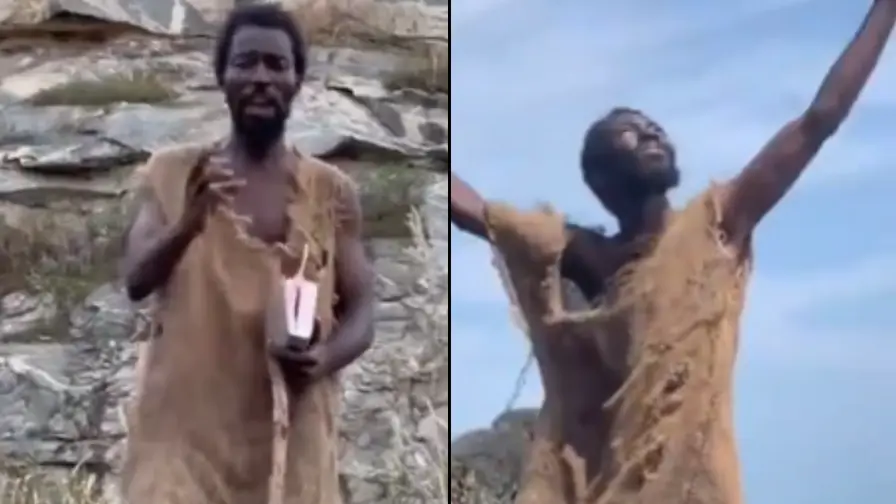
A Ghanaian self-proclaimed prophet, Ebo Noah, has sparked widespread controversy after facing allegations that donations intended for the construction of several arks were used to purchase a luxury Mercedes-Benz reportedly worth between $89,000 and $100,000.
The controversy emerged after Noah’s widely publicized prophecy of a devastating worldwide flood failed to materialize on December 25, 2025. He had previously claimed that God revealed to him that a catastrophic flood would destroy the world, similar to the biblical account of Noah’s Ark.
According to reports, Noah urged his followers to contribute money to construct multiple arks that would supposedly provide shelter for people seeking protection from the anticipated disaster.
Some followers reportedly took the prophecy seriously, with several allegedly selling their personal belongings and possessions to prepare for the predicted catastrophe. Videos circulating on social media also showed people gathering with their belongings in anticipation of boarding the supposed rescue vessels.
READ MORE ARTICLES:
- Ghanaian Self-Proclaimed Prophet Faces Backlash Over Alleged Mercedes-Benz Purchase Using Donations
- Alphabet Loses $500 Billion as AI Fears Shake Google Search
- PRC: LET [Q-R-S-T] Secondary September 2026 List of Passers
- Alex Eala Reaches Hong Kong Open Final After Beating Maria Sakkari
- LeBron James Faces Retirement Calls After Embarrassing Cleveland Performance
When the predicted disaster did not happen on December 25, Noah reportedly told his followers that God had postponed the catastrophe and granted him additional time to expand the ark project.
He also claimed that he had already constructed approximately 10 arks and that the additional time would allow him to build more vessels in preparation for the anticipated disaster.
His explanation, however, did little to stop criticism from social media users, particularly those questioning the credibility of his predictions and the purpose of the donations collected from his followers.
The controversy intensified following reports that Noah had acquired a Mercedes-Benz valued at approximately $100,000 using money allegedly donated by followers for the construction of the arks.
The allegations triggered widespread reactions online, with critics questioning whether the contributions intended for the supposed rescue project had been properly used.
Noah reportedly denied claims that he used donations to purchase the luxury vehicle and rejected accusations that he solicited money from his followers for personal benefit.
However, other reports claimed that he later admitted to authorities that the prophecy had been fabricated to attract more followers and increase his social media popularity. These claims have added another layer of controversy to the already disputed incident.
The incident has renewed discussions about the dangers of misleading religious claims, online personalities presenting themselves as prophets, and the vulnerability of followers who place their trust in individuals claiming to receive divine revelations.
While the concept of the Rapture refers to the belief that believers will be taken to heaven, Noah’s prediction specifically concerned a worldwide flood, drawing comparisons to the biblical story of Noah and the Ark.
The controversy highlights the importance of exercising caution when responding to extraordinary religious predictions, particularly when financial contributions are involved.